

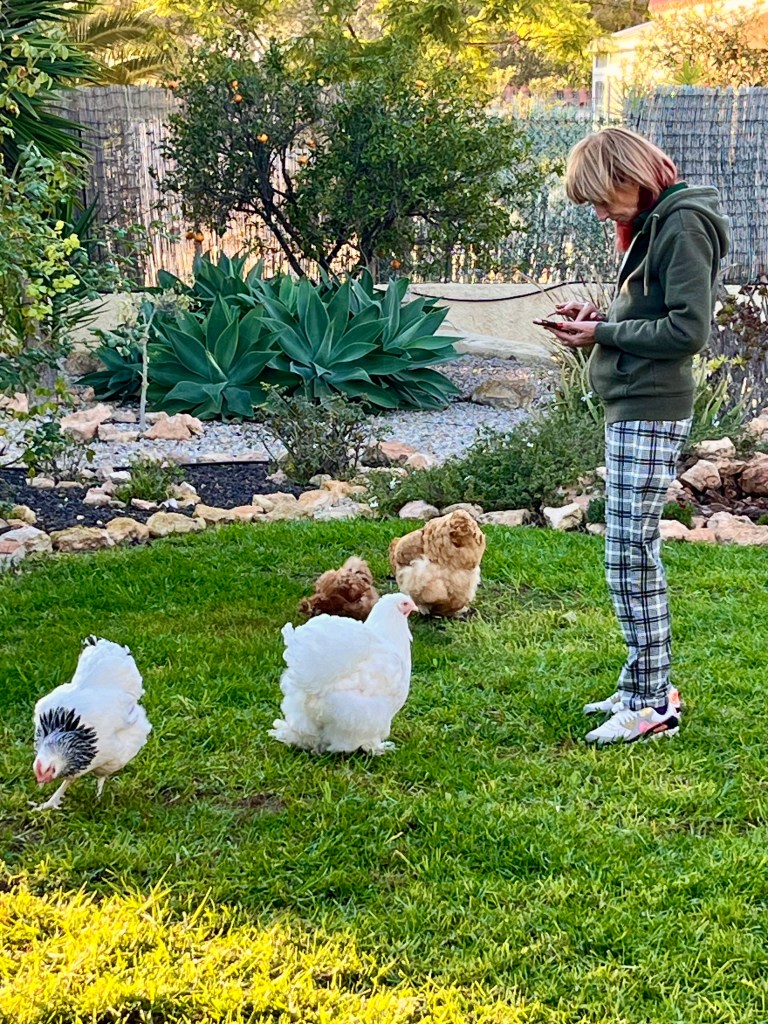
Hooray it’s that time of year again when I regale you with advice on the merits of composting. For weeks I have been excited about this but unfortunately I mentioned my excitement to Cruella (my wife). Since then she has mercilessly mocked me saying that compost is smelly and that I am an idiot for getting excited about dirt. To make matters worse her chickens have taken to following me around pretending to hold their beaks and shouting smelly in chickenese (at least I think that’s what they are shouting.
But I’ve got my own back. Remember that Coca Cola advert that appears on the television every Christmas, where a large truck with a picture of Santa Claus on the side goes through towns accompanied by the sound track singing “holidays are coming…holidays are coming”. Well that has been me for the past few weeks I have been singing “compost special is coming…compost special is coming”. To say this has annoyed Cruella (my wife) would be an understatement, so much so that I now mumble it under my breath, and when she says what did you just say, I reply “nothing”. I know it’s not much, but I count that as a small victory.
Anyway, on with the show let’s keep the excitement bubbling.
1st November 2025. Things I have been doing lately:
- Why compost
- How to compost
- What to compost
- What not to compost
- The key ingredients of compost
- what should compost look like
Why compost. All garden soil gets depleted over time and lose micro nutrients either they just get washed away by the rain or the plants take them up and the soil needs replenishing. Composting can help improve soil by adding back these nutrients and encouraging helpful bacteria that will break down and improve your soil. When added to your garden compost will help suppress weeds, lessen the need for chemical fertilisers, retain moisture and give you a warm feeling that you are doing a “green thing”. So no matter what your motivation, by composting you will be improving your garden and it will make you a better person.
How to compost. You don’t have to make a big deal out of composting and any one can do it. Whether you have a large garden or just a little patio garden with pots, adding compost will improve your garden. The basic need is to have a compost bin, or compost heap where you can store your compost. This can be very basic such as a little patch of your garden where you tip excess produce and cuttings etc. You could just have a heap in the corner covered by an old carpet, or if you like make a basic container out of chicken wire. It might be easier just to buy a compost bin from a store and there are thousands of them, from basic one simple bin, right up to multi-bin purpose built composting systems.
As you would expect, I have a purpose built composting system consisting of two large bins with lid for easy access and doors that can be raised to allow me to get at the compost from the bottom. The photo below shows my composting system.

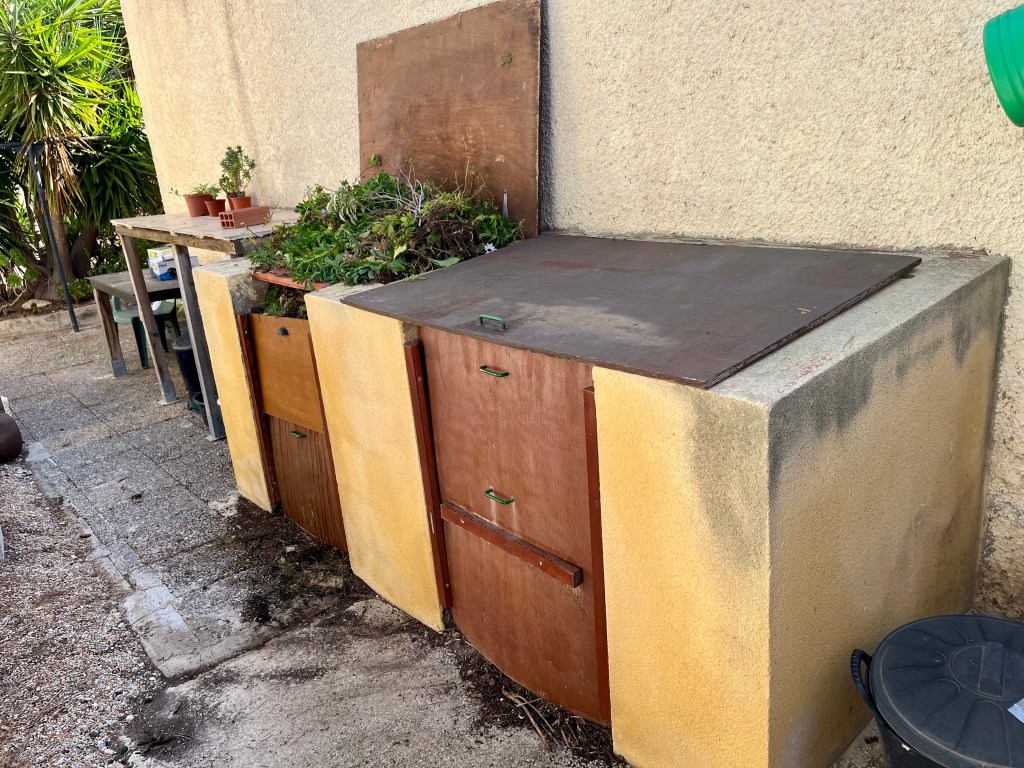
Now, I don’t want you getting compost bin envy, that’s not the idea. I designed these and had them built when we first moved to this house because this size garden calls for this amount of compost. There are fruit trees to be mulched, lots of beds that need seasonal replenishing, lawns that need some topping and all the planting and stuff on the potting bench.
What to compost. Now you can compost most organic material. Examples would be:
- all plant cuttings and mown grass
- vegetable trimmings etc from your kitchen
- old newspapers and cardboard
- hair and fur from your dog, cat, hamster; even chicken feathers
- twigs and branches up to about an inch thick
- eggshells, coffee grounds and filters, tea bags
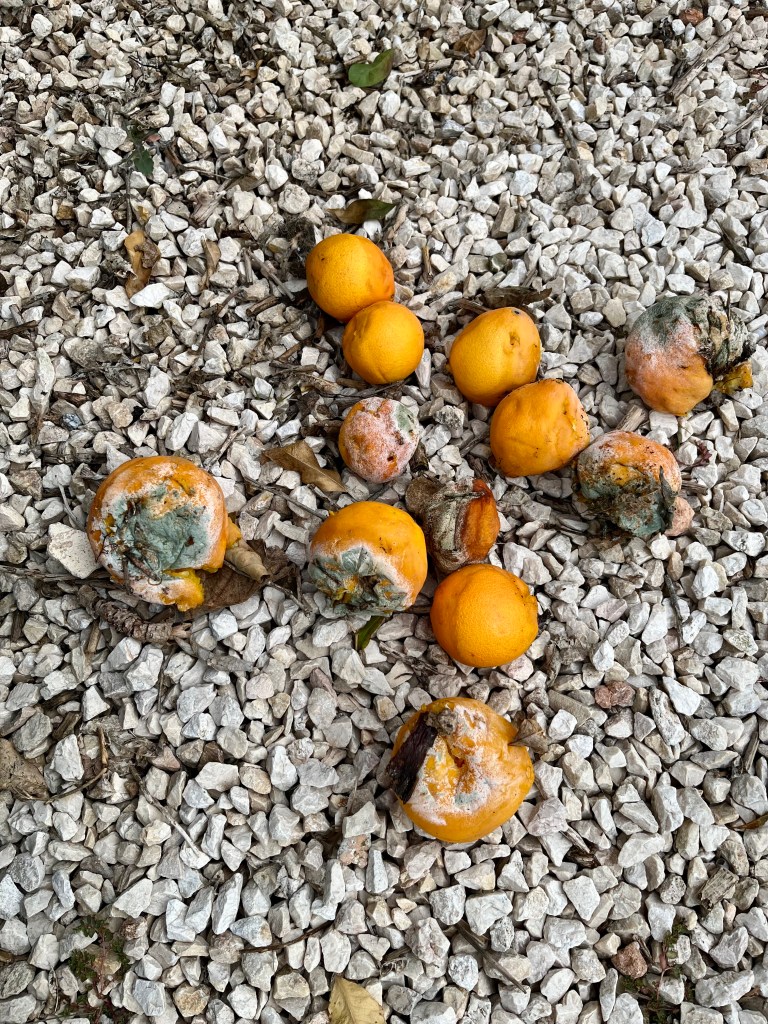
- fruit, but not too many lemons or oranges as they will make the heap acidic
What not to compost. You must be careful not to compost the following:
- cooked food of any sort (this will encourage rats and cockroaches). This includes: meat, bones, fish, fat or dairy
- leaves or cuttings from plants that have been infected with disease or pathogens such as rust on Roses or mildew. If you compost these then you will infect the heap.
- dog or cat poo; and don’t even think of human poo.
The key ingredients of compost. Quite simply good composting requires four things:
1. Green items: that add nitrogen (grass, leaves etc)
2. Brown items: that add carbon (twigs, branches, newspapers etc)
3. Water: to keep the heap moist but not wet (don’t let it dry out, but don’t over soak it)
4. Air: oxygen is needed to encourage the composting process, so once a month you need to stir your compost with a fork or spade to keep the air circulating.
There is one other vital ingredient that you can choose to add to your compost heap, and that is “compost accelerator”. This is normally added as a powder which encourages the development of microbes in your compost heap and speeds up the composting process.
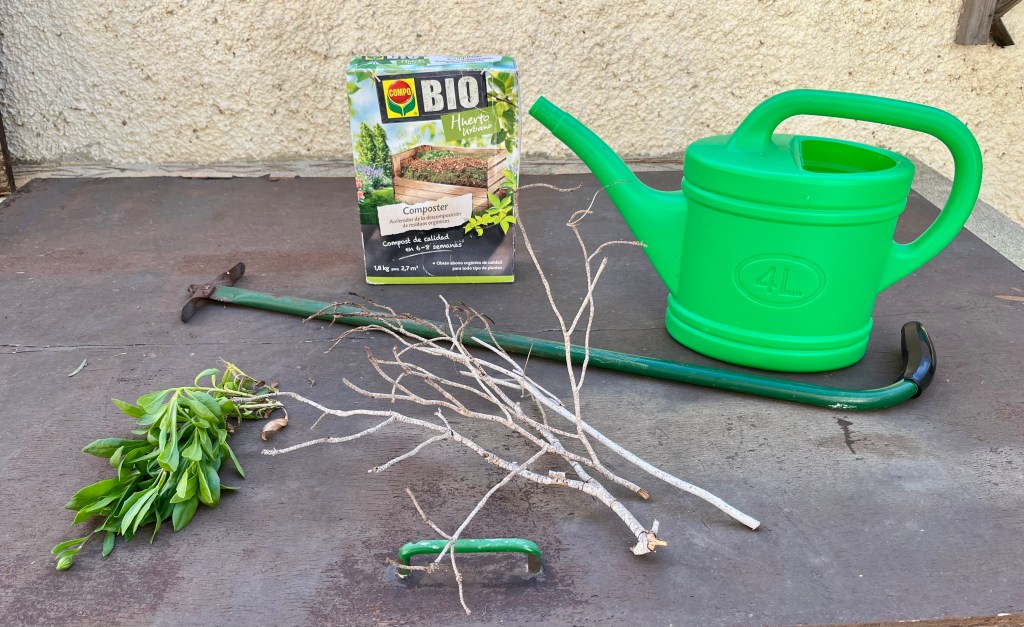
The photo below shows all the key ingredients apart from air; but I assure you it is there. In the photo you will also see a special compost turning tool that I bought some 20 years ago. You just push this into your compost heap then the two little wings at the bottom of the rod come out as you pull up and the whole heap is lifted and turned. If you can find one, buy it.
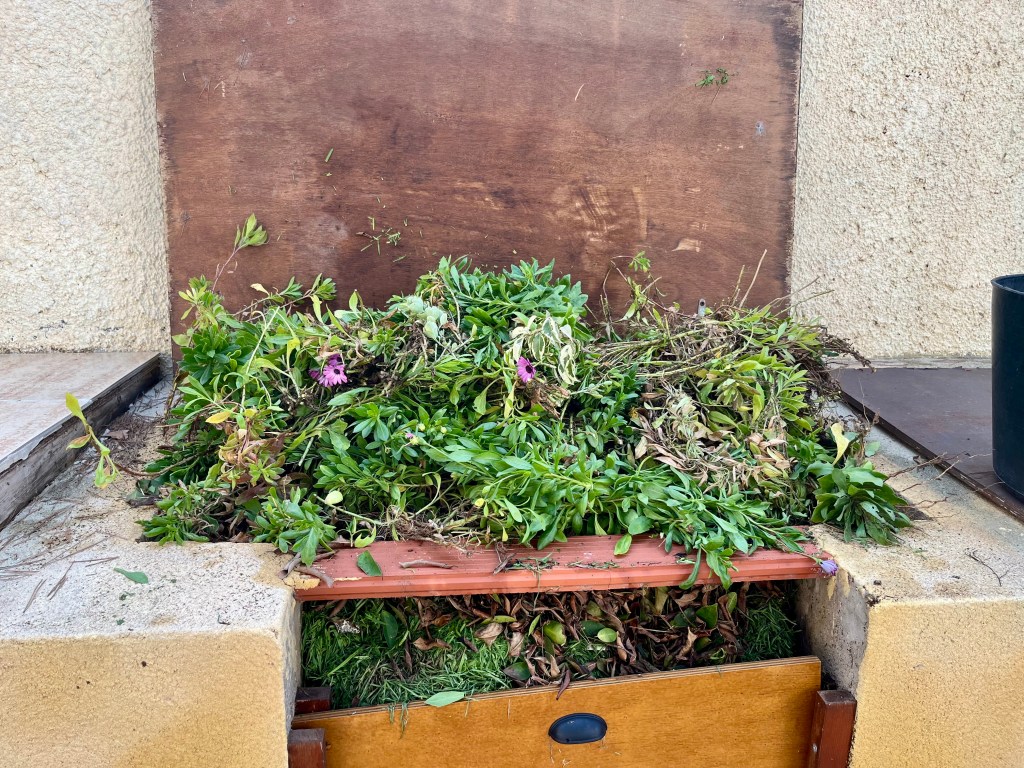
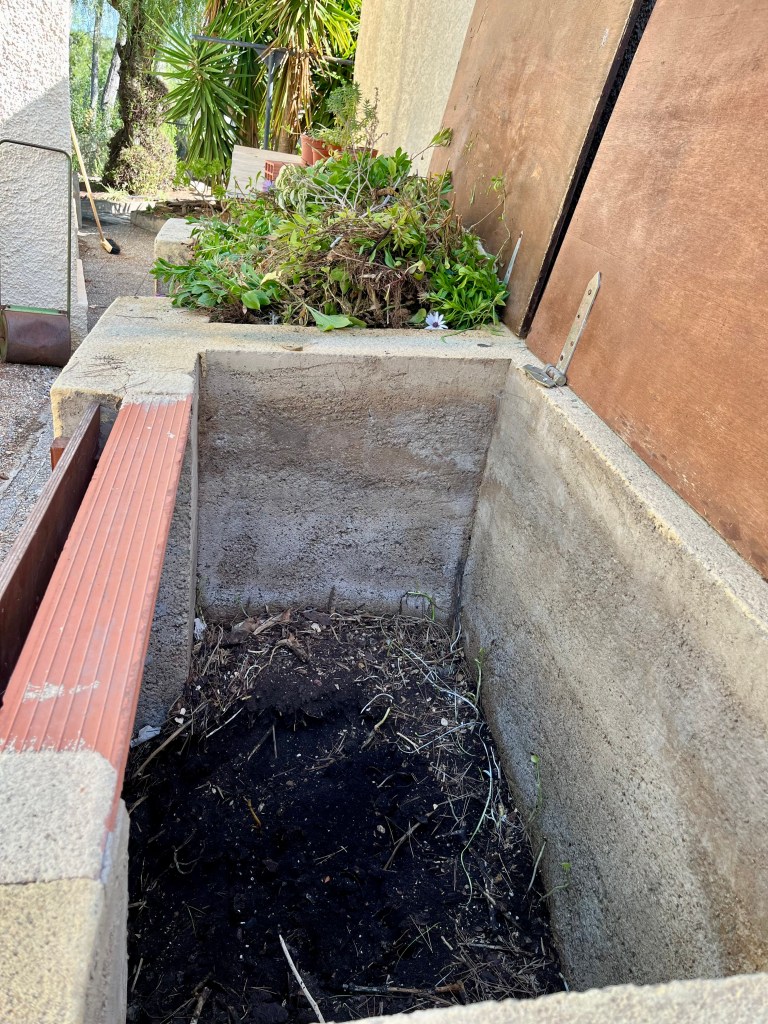
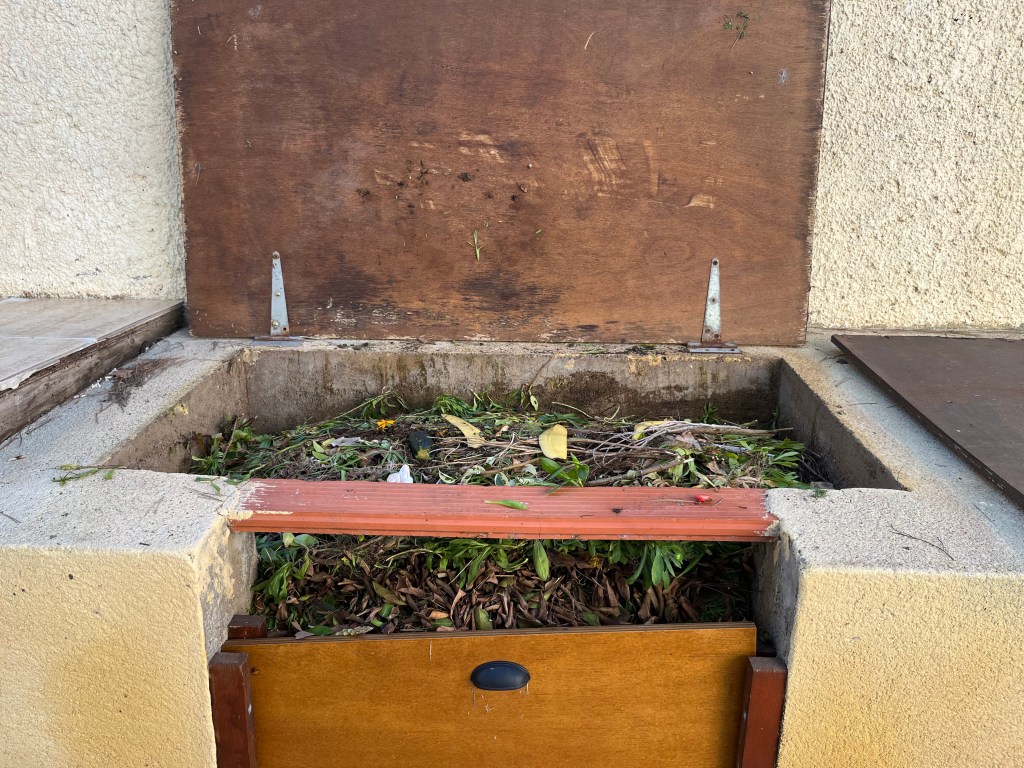
What should compost look like? A question I am always asked (I lead an interesting life). The photos below show the current state of my compost bins. The first photo is the bin currently in use, and you can see all the ingredients I talked about above. The second photo shows the resting bin this has been in use for a few weeks that and has already had lots of compost removed. You can see from this photo that the bin is half empty, and this is because all the insects and beneficial microbes will have eaten stuff whilst making the compost. The final photo shows the finished compost; or as I call it black gold. Each of these bins will on average give me 20 wheel barrow loads of compost each year.

Gettting in the compost bin. One of the great joys at the end of a hard days gardening of trimming and cutting is to get in the compost bin and tread it all down. What do you mean you’ve never done this, just me then. One of the drawbacks of getting in the bin and stomping your compost down is that quite often you have cockroaches run up your legs which can be disquieting. To overcome this I have cut a board exactly the size of my bin which I fit into the top and then jump up and down on (patent applied for).
The photos below show my bin with the board in place, followed by a view of a reduced bin. Finally, I had to take a selfie of me in the bin as Cruella (my wife) refused to,come near because of cockroaches. Just after she took this photo, Cruella slammed the lid down and I was in there for two days. I must say they were the happiest two days of my life. She only got me out because the dishwasher needed emptying.











 Spanish Garden
You must be logged in to post a comment.