Don’t cutback yet! Just tidy up and get ready. Cruella meanwhile has left me for the farmers

Now that we are into autumn and most flowering plants have died back and everything else is looking scraggly and scruffy, don’t be tempted to start cutting back. The recent much needed rain and the very warm autumn have meant that everything is having one last little burst of life.

If you cutback now you will stop all of God’s goodness being drawn back into the roots, bulbs, corms and rhizomes of your various plants. Your plants strength and growth next summer all depends on it drawing every last bit of goodness from its sap and leaves etc down into itself. Cut now and your plants will not fulfill their full, potential next year.

Instead of cutting back spend your time wandering round your garden tidying everything up and planning for next year. I have been happily pottering round the garden as Cruella (my wife) has flown off to support the British Farmers (Chicken Section) more of this later. But here is some of the stuff I have been doing.

25th November 2024. Things I have been doing lately:

  • Continue to clear up leaves
  • Remove suckers from your citrus trees
  • Trim standards
  • Tie back Canna and any other floppy plants
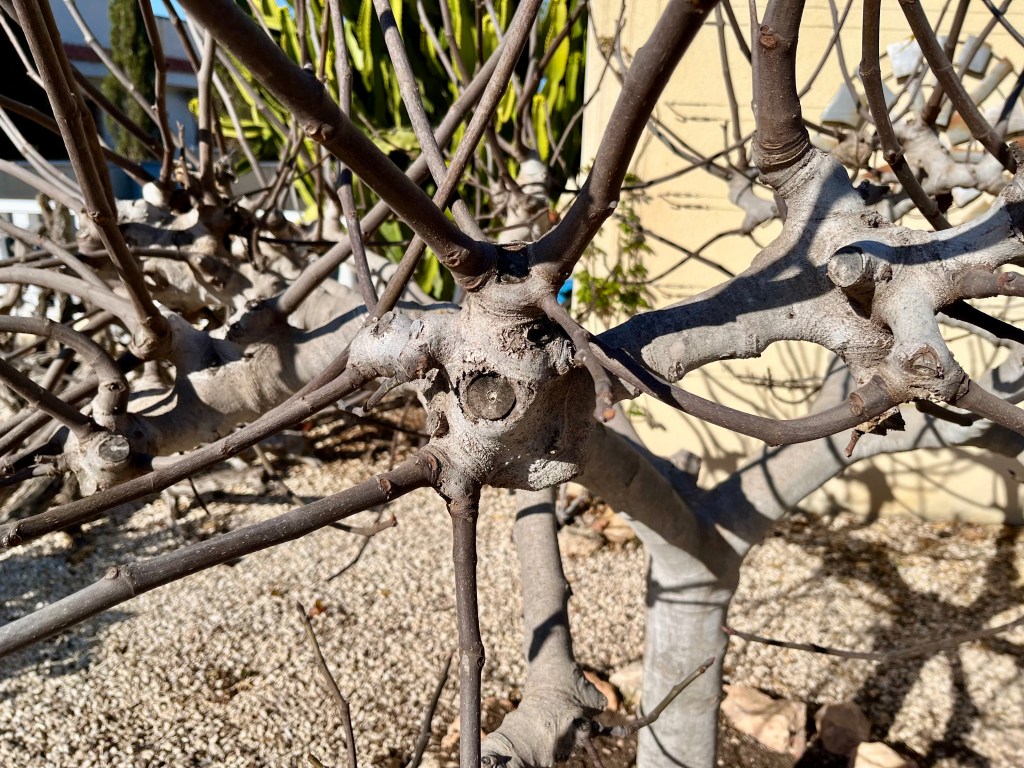
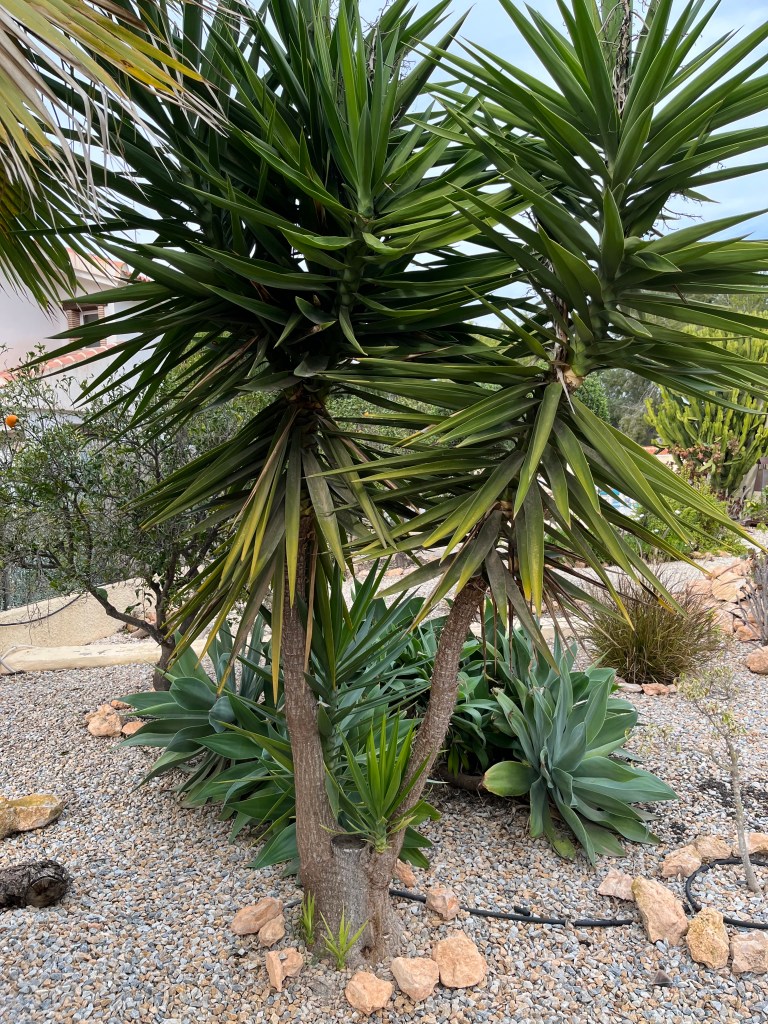
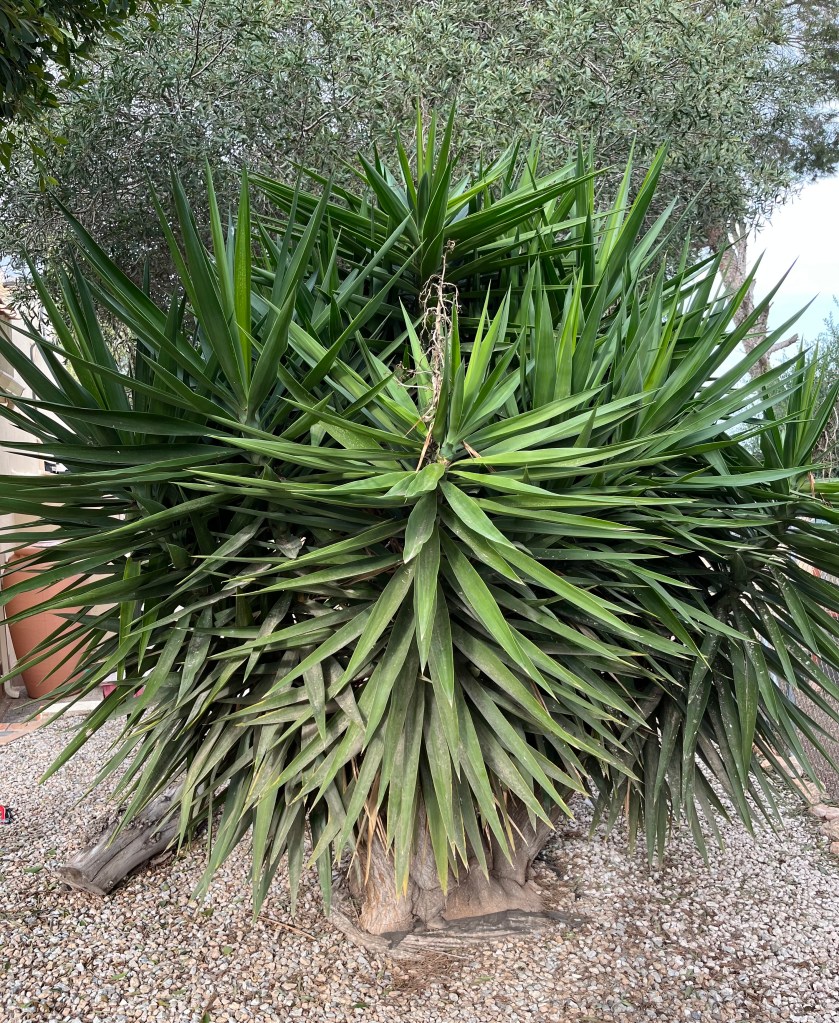
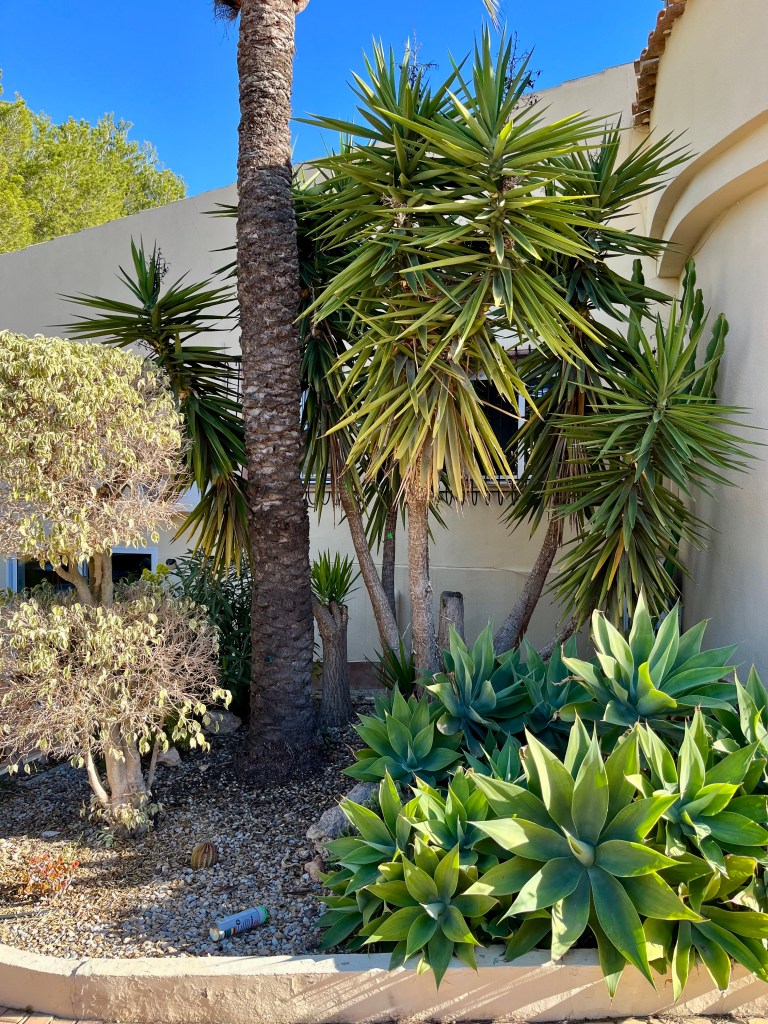
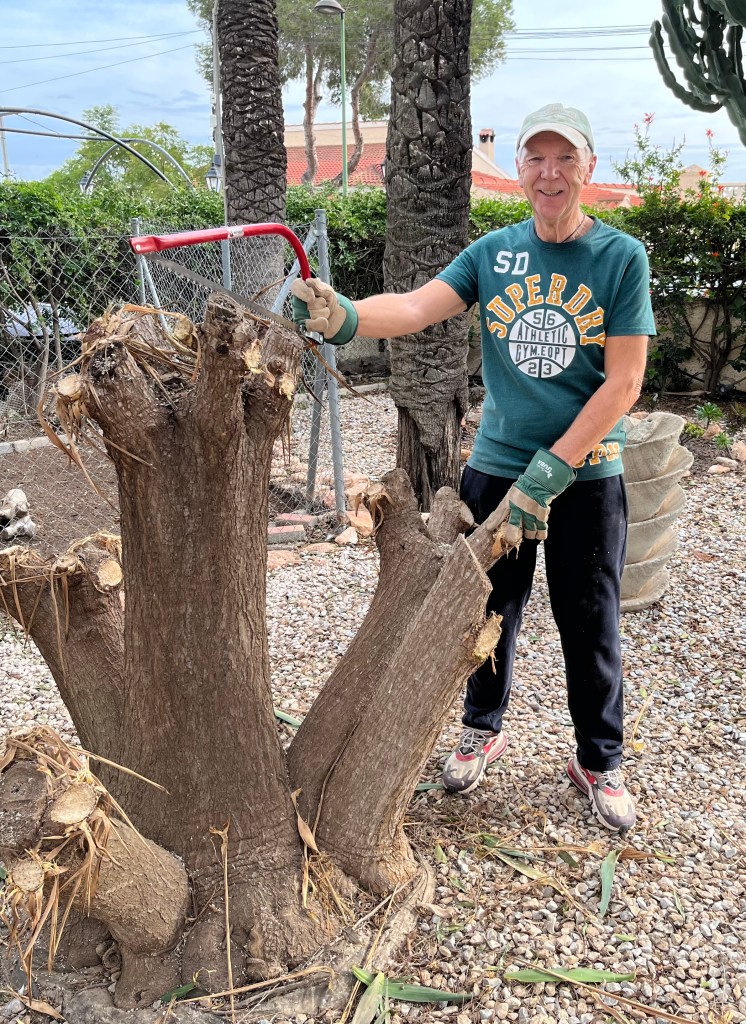
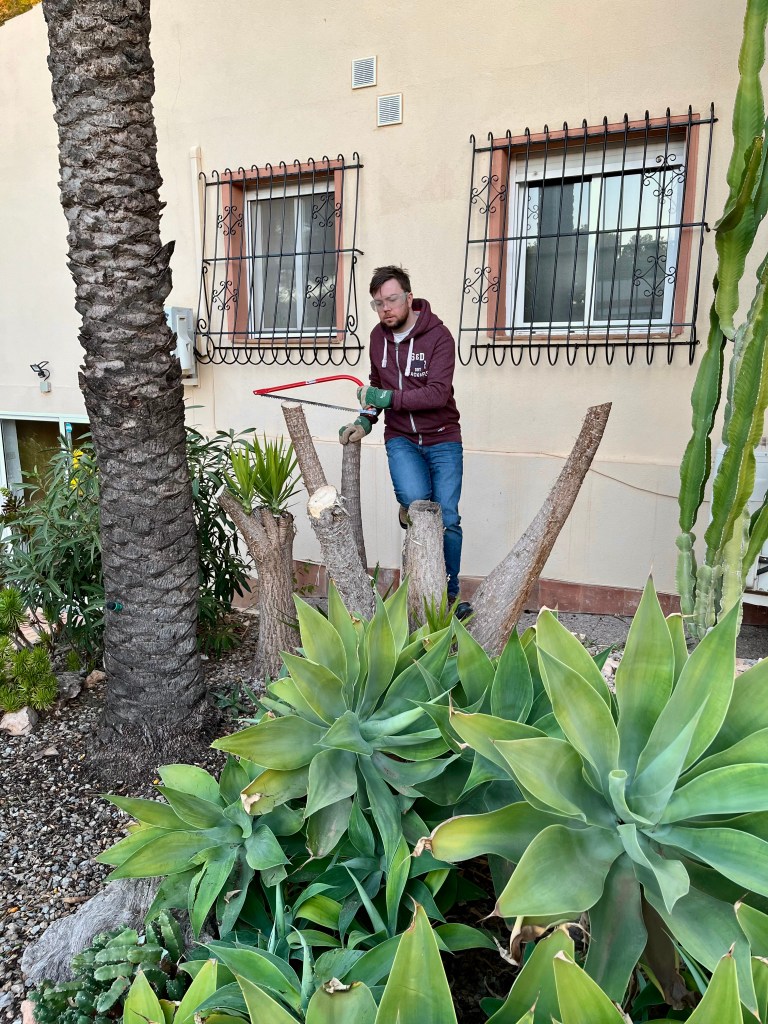
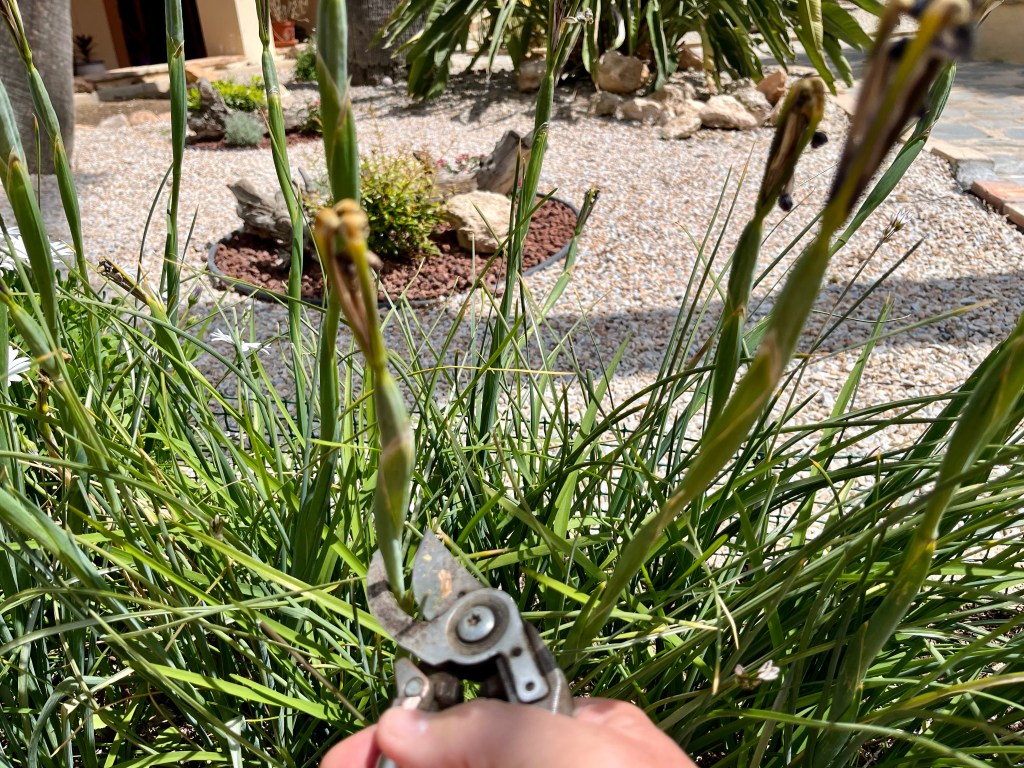
  • Get ready to cut yucca
  • Finish your lawn tasks
  • Cruella has left me for the farmers

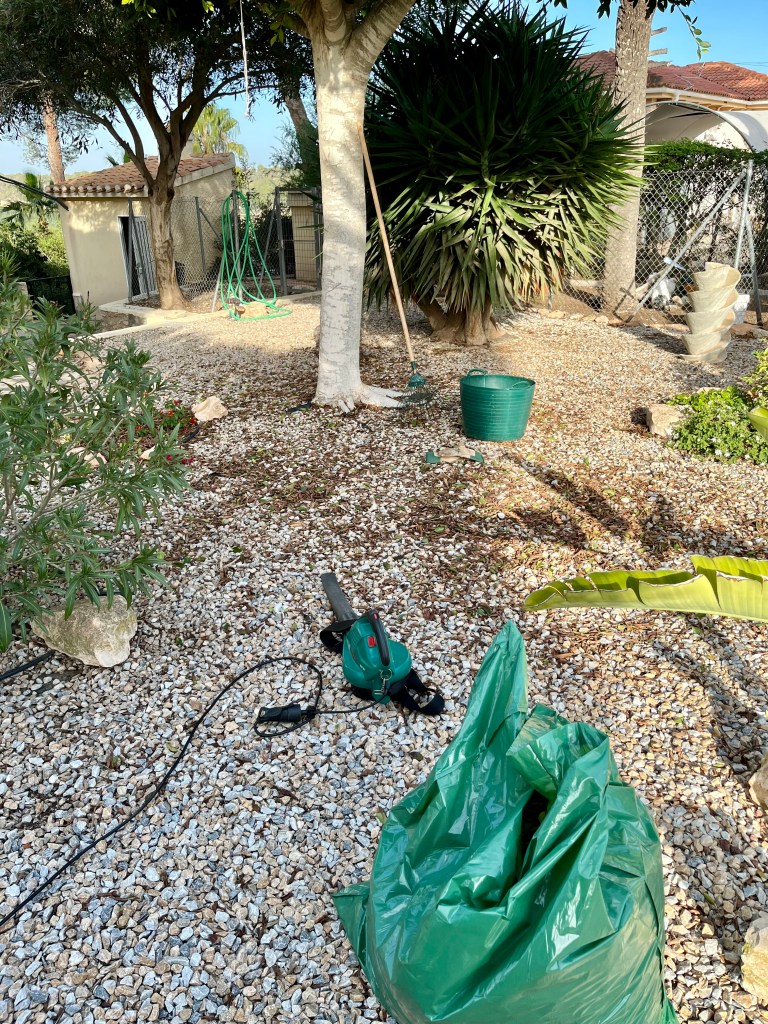
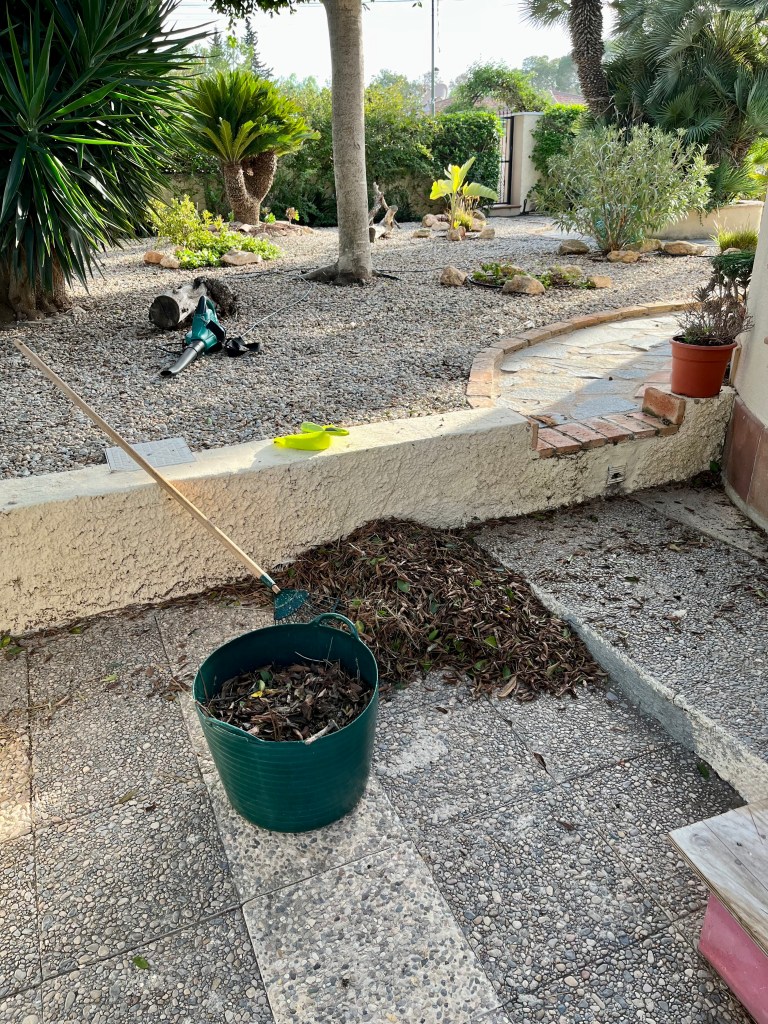
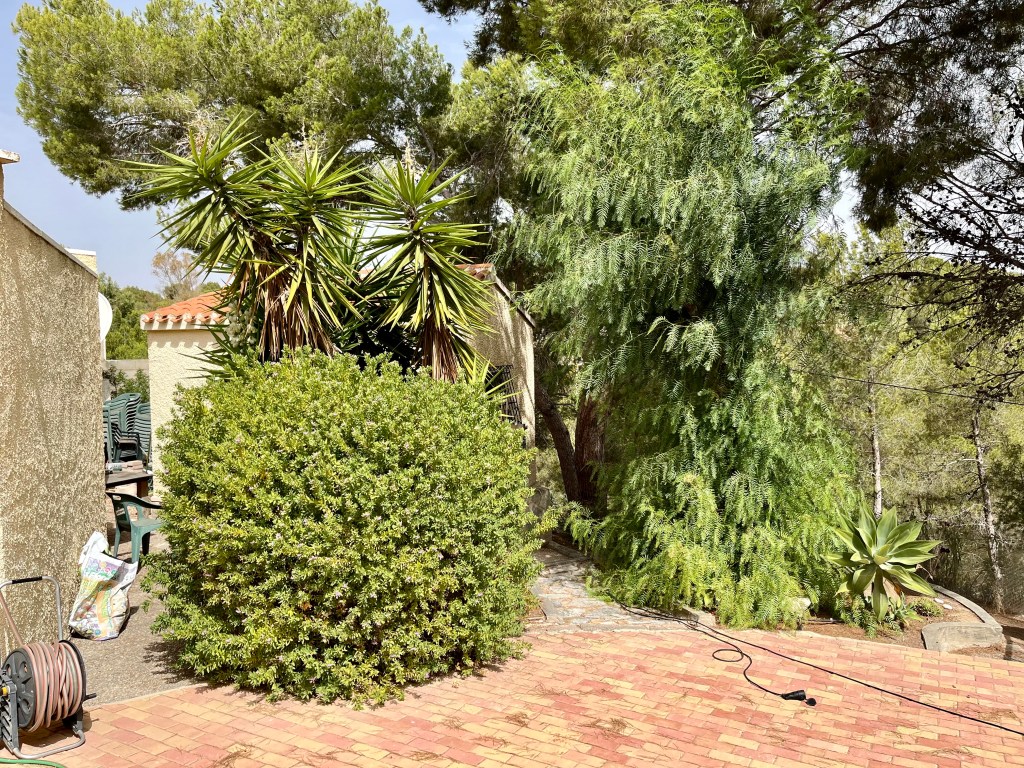
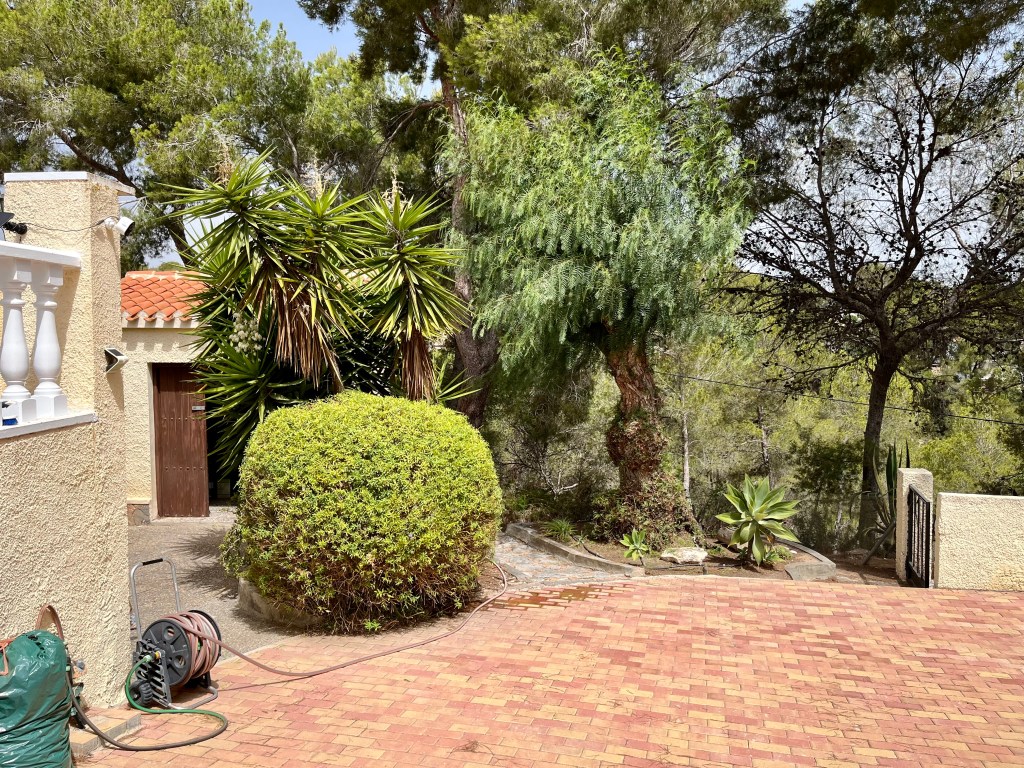
Continue to clear up leaves. I know it sounds obvious and I keep telling you to do it, but it is important. If you leave leaves and let them settle in the gravelled areas of your garden, then they break down and present a perfect mulch for pernicious weeds. Don’t say I didn’t warn you! The photos below show my regular clean up efforts. Click on each photo for a larger view.

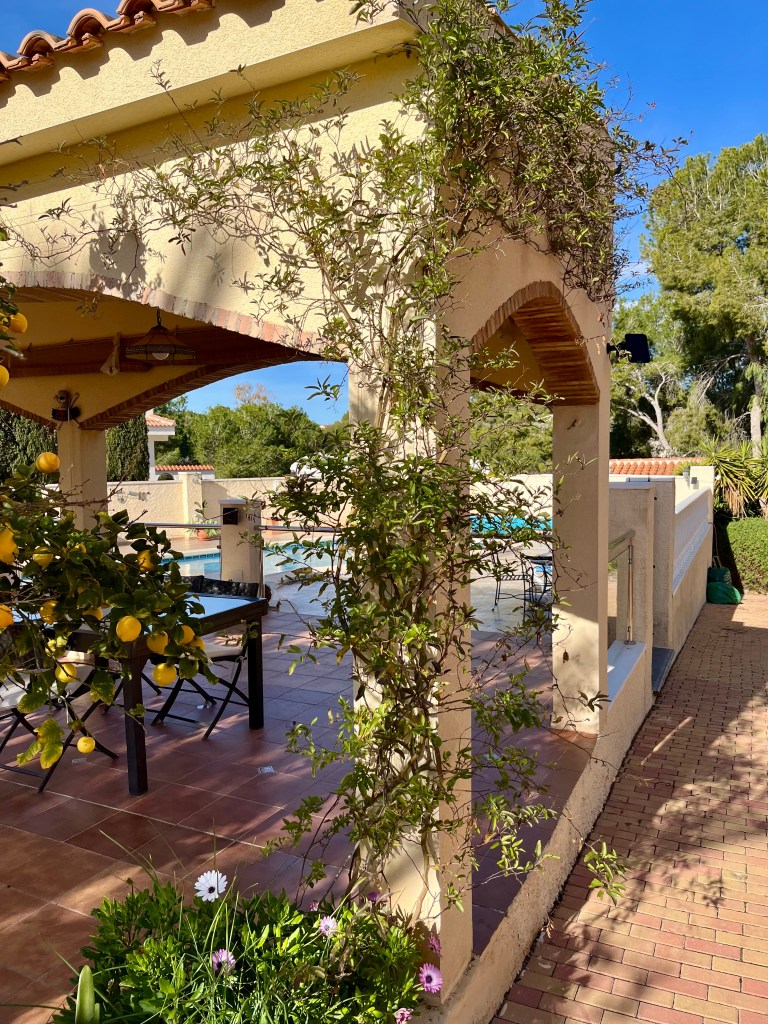
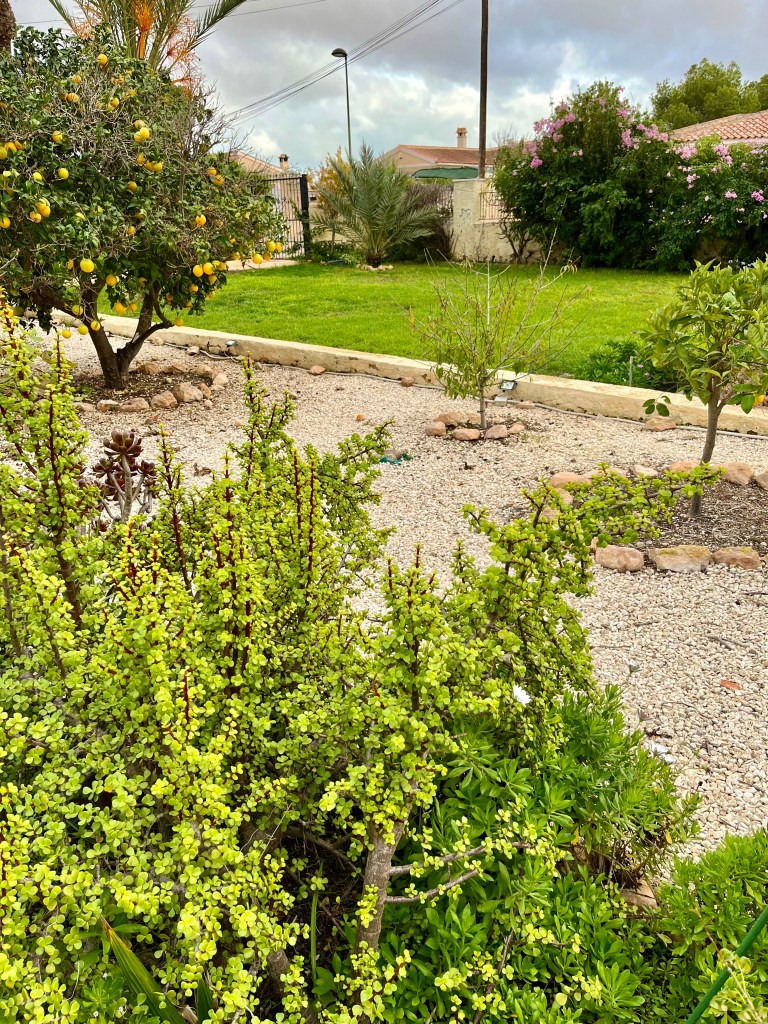
Remove suckers from your citrus trees. Nearly all of you have citrus trees, and people constantly ask me how to improve their crop. The best ways are correct pruning – but I will discuss that in the Spring, the next best way is to feed regularly during the blossom season, and last but not least remove all suckers on a regular basis. Suckers are those little bright green stems you find poking out of the trunk of your citrus trees, especially at this time of year. Suckers will divert your trees growth potential away from the main trunk and thereby weaken your tree.

You need to remove these by simply pulling straight down on the sucker stem as close to the trunk of your tree as possible. They will come away easily, but if you are not careful others will pop up, so you need to look at your trees weekly. The photos below show you examples of suckers on my trees and how to get rid of them. Click on each photo for a larger view.

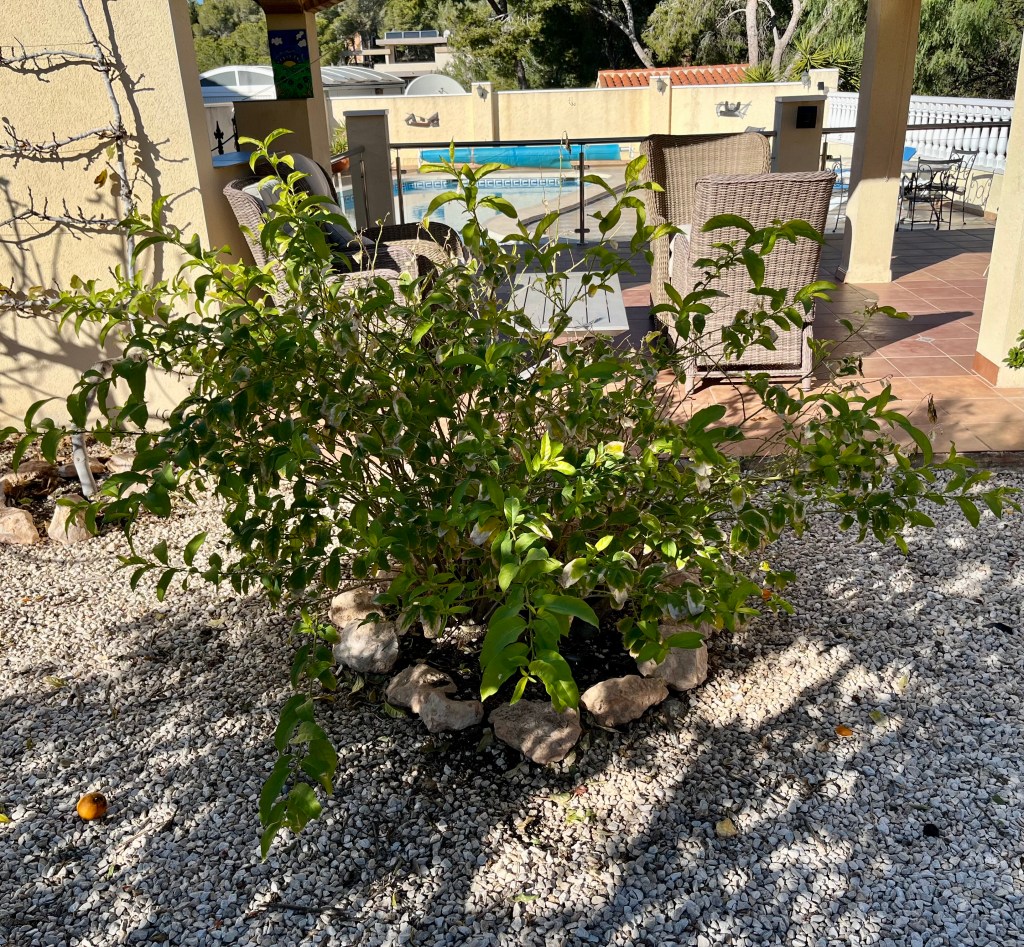
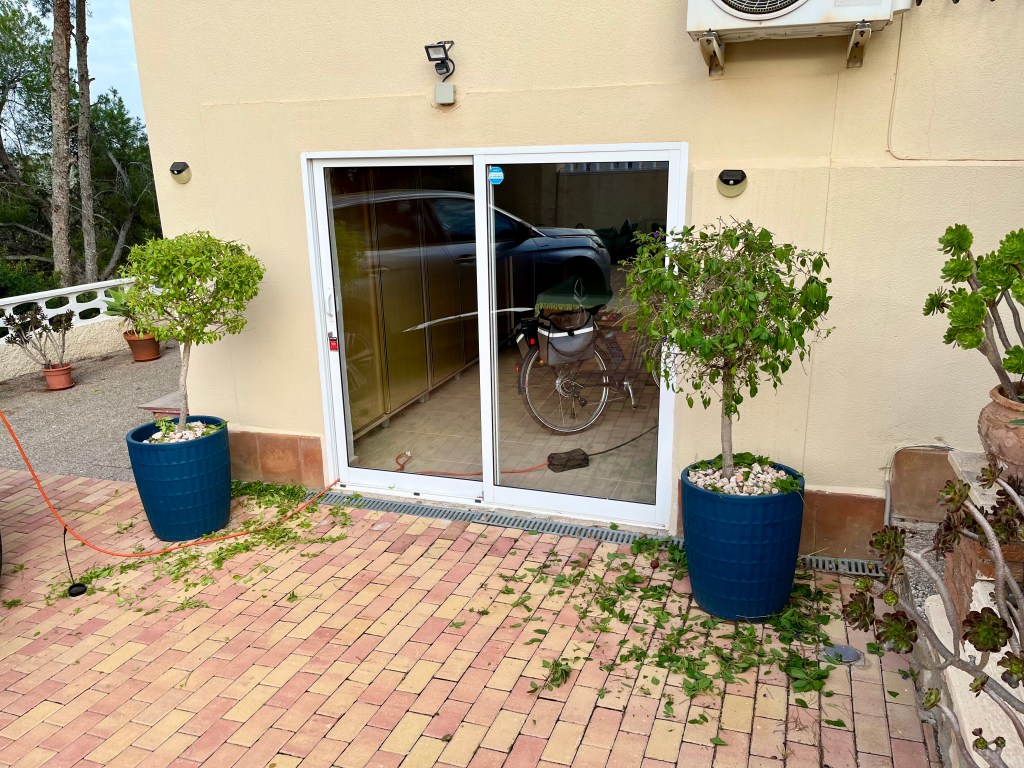
Trim standards. If you have standards, then now is the time to give them the last trim of the year. The overall aim is to leave them in their basic shape so that they suddenly don’t get away from you next Spring. The photos below show my standards before and after their last trim. Click on each photo for a larger view.

Just a light trim nothing drastic.

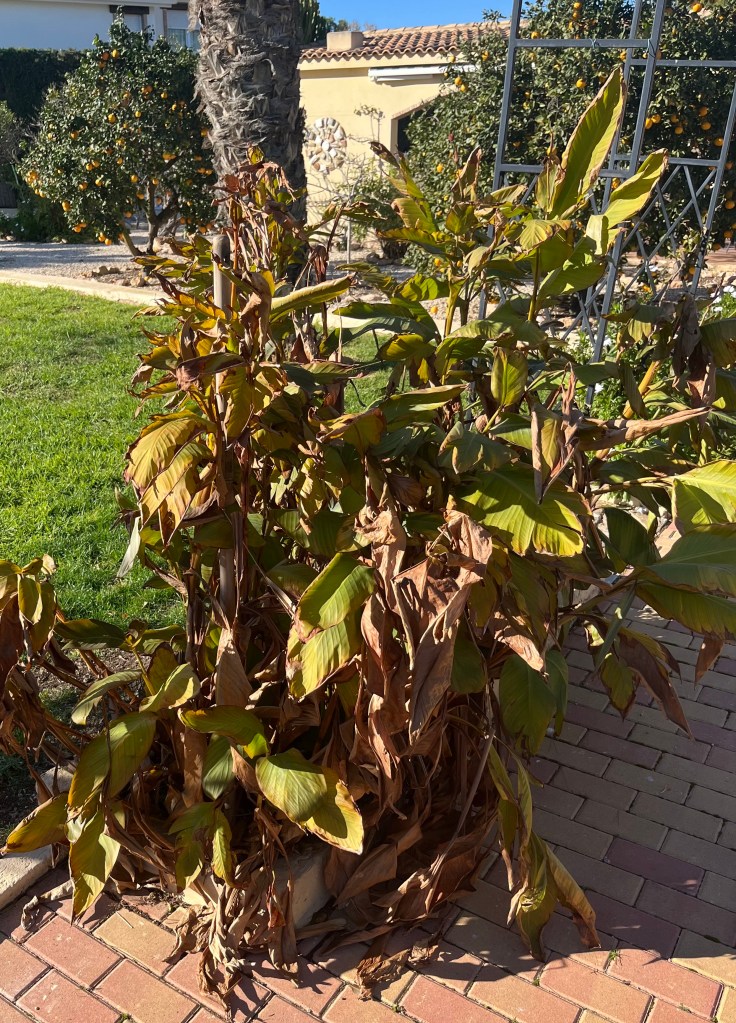
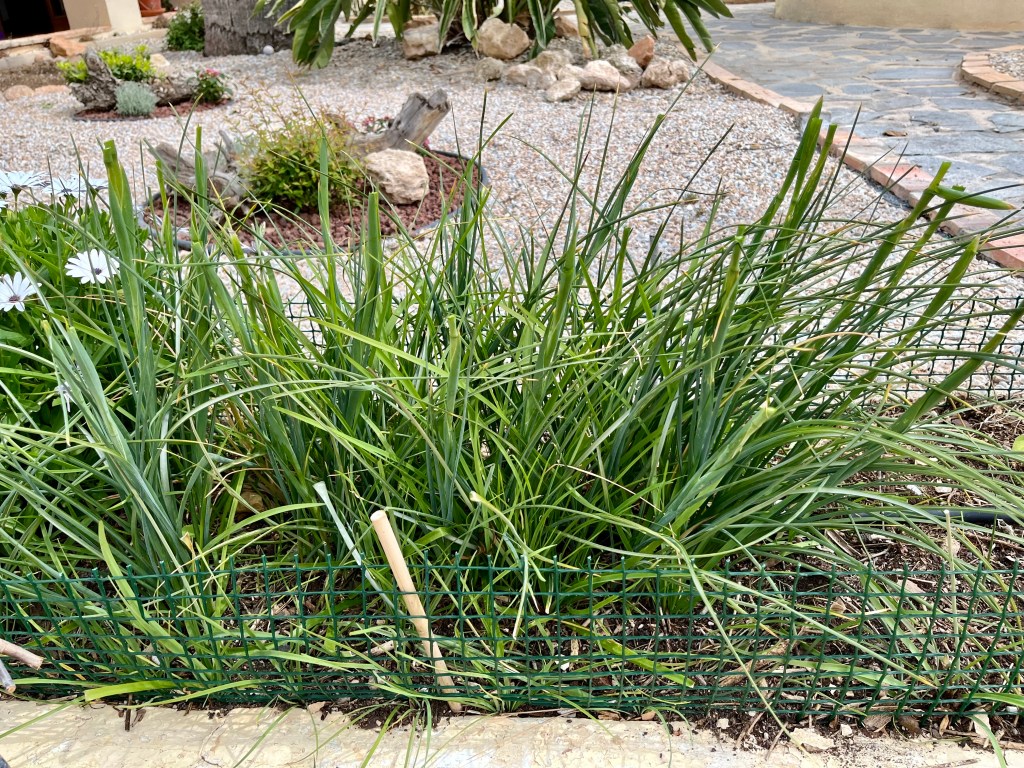
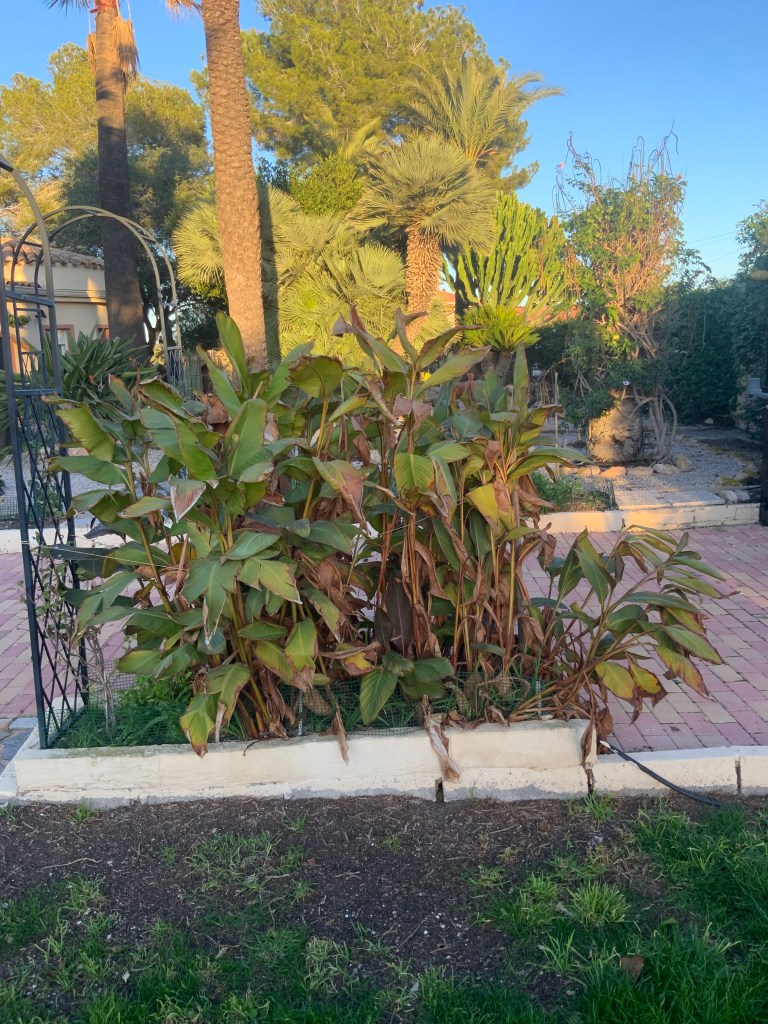
Tie back Canna and any other floppy plants. It hasn’t been a good year for Cannas. The lack of early rain meant that their rhizomes (ugly bulbs) did not swell or develop new growth nodes. Most of my Cannas have been quite weedy and stunted. Just because your Cannas look all floppy and unsightly, don’t cut them back.

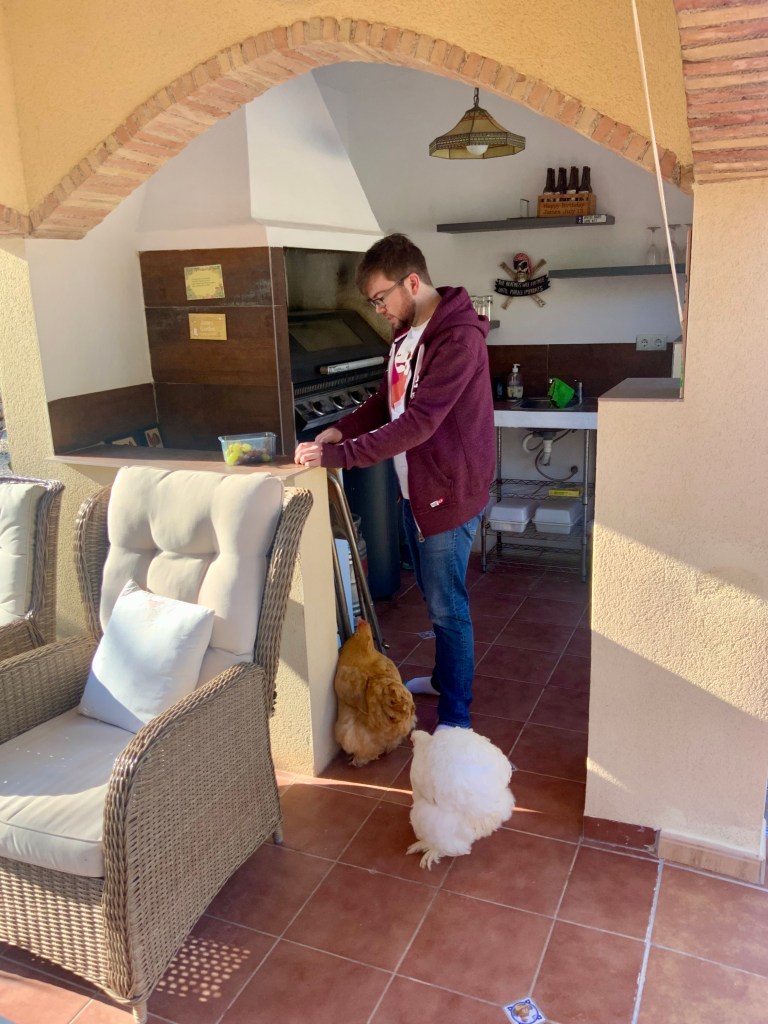
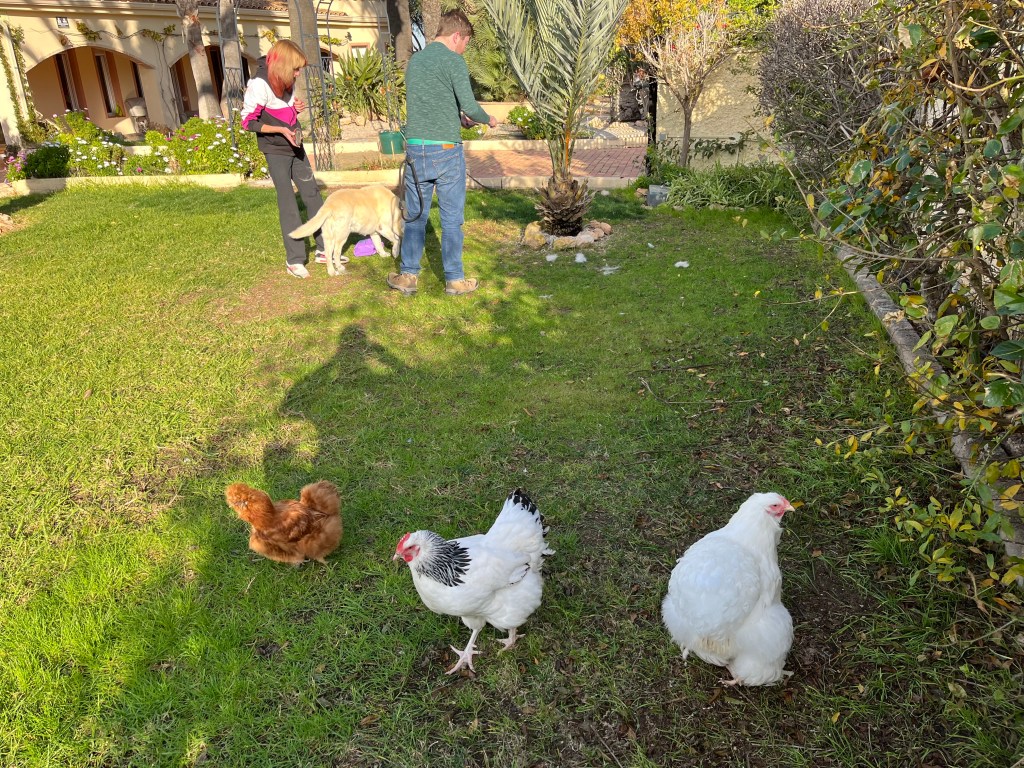
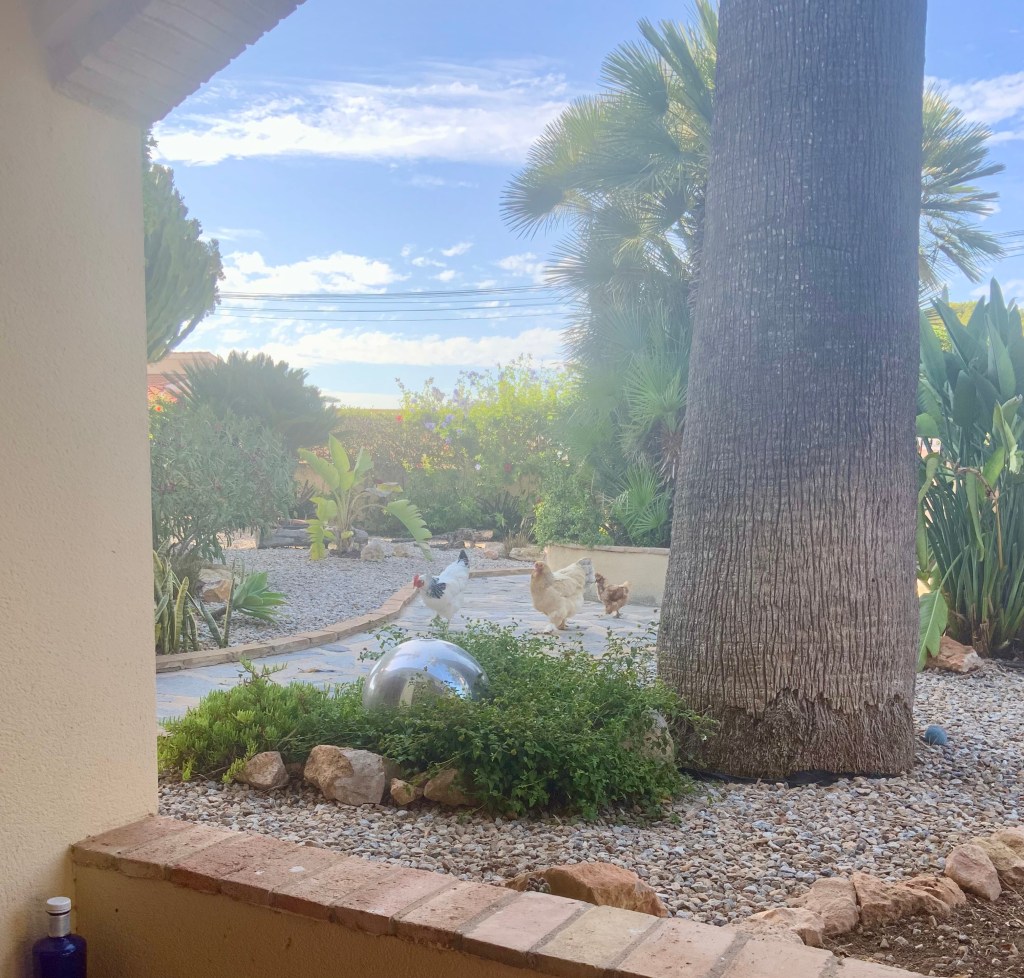
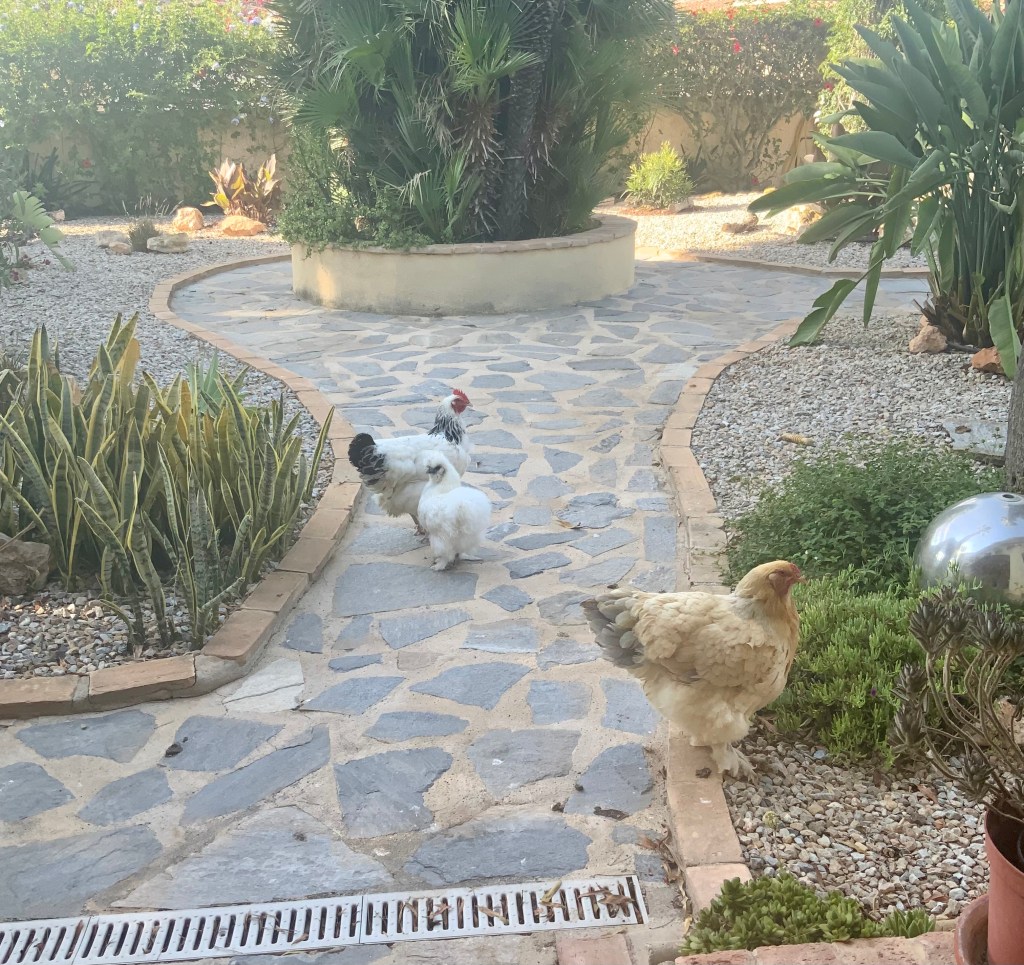
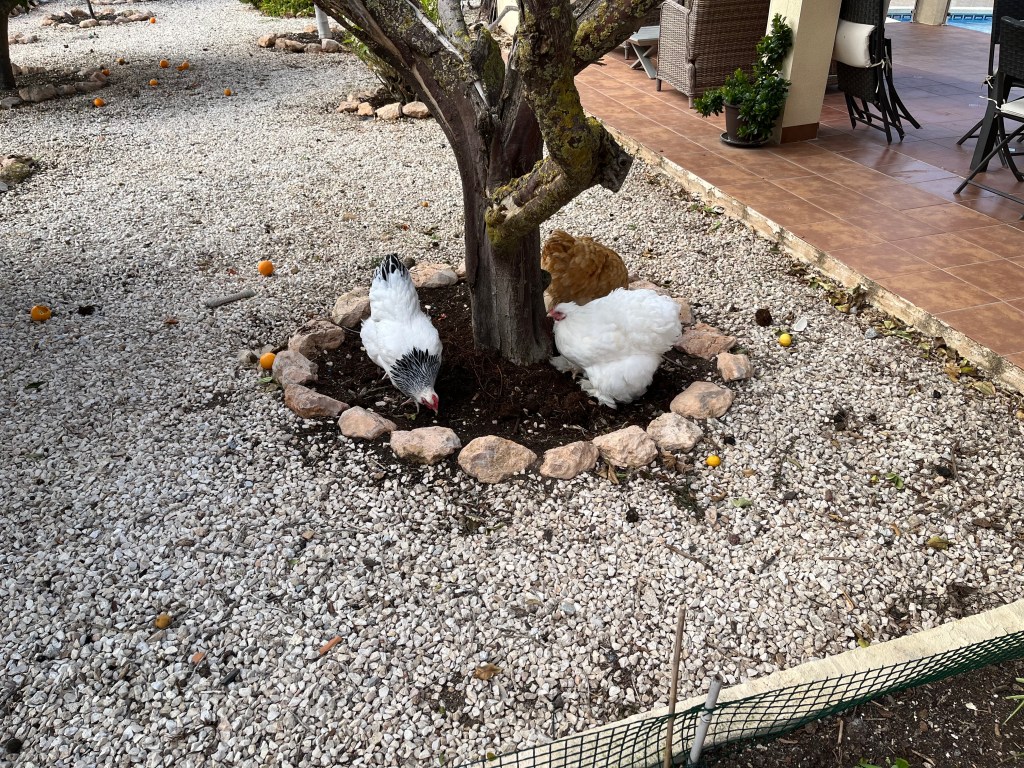
Instead you need to roughly tie them up and keep them in place until they have fully withered and gone completely brown. This will allow the last bits of goodness to be extracted down into the rhizomes ready for a better effort next year. The photos below show my Cannas tied up and ready for the chop, probably in January. Notice the lurking chickens, they have been tasked with spying on me. Click on each photo for a larger view.
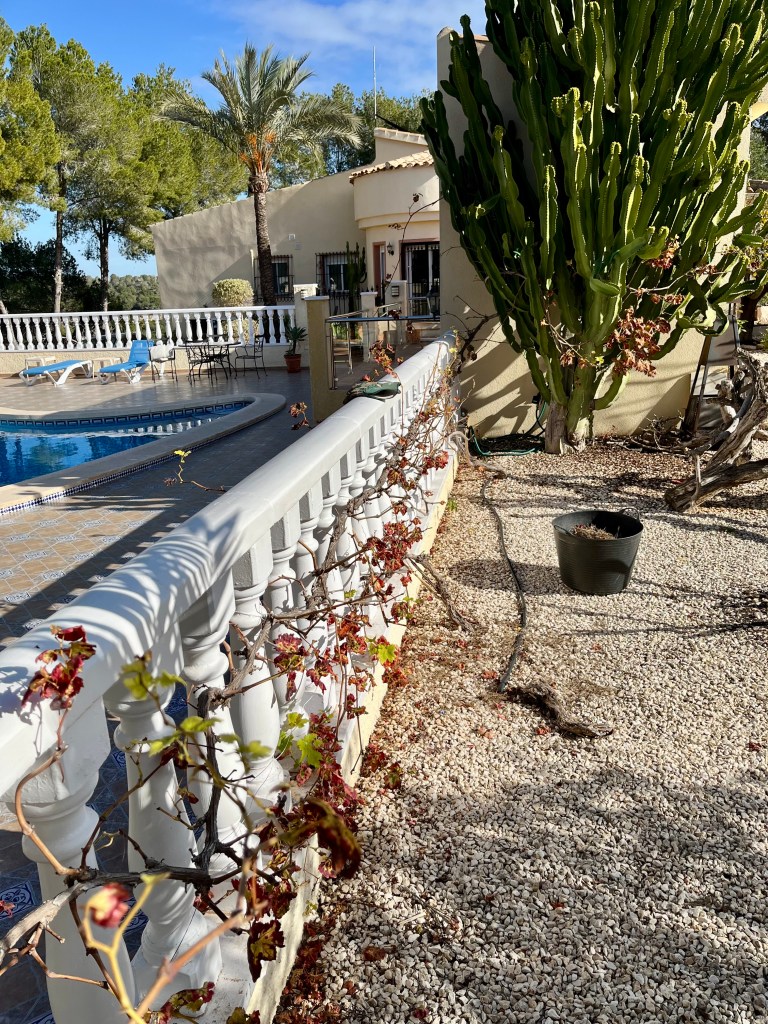
They will get messy and embarrassing, but hang on in there no cutting till January.

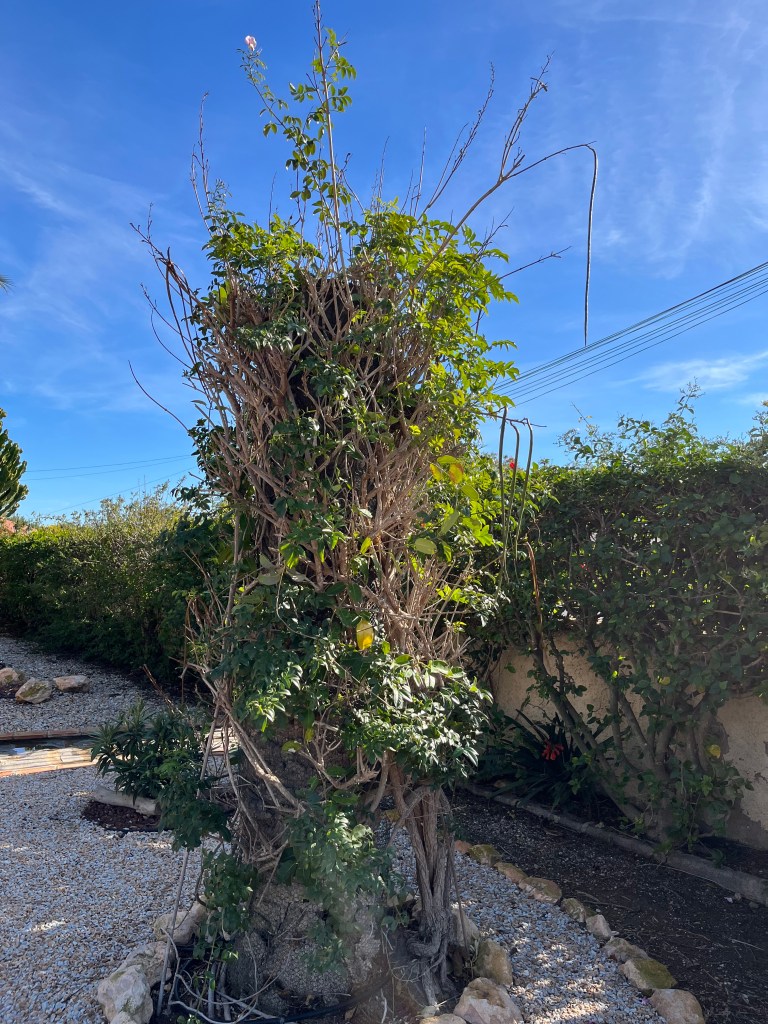
Get ready to cut yucca. Everyone in Spain has Yucca, and sometimes they let them get so out of hand that they begin to resemble a large tree. Yucca are a good addition to any Spanish garden as they give shape, structure and sometimes drama. But if you want to get the best out of your yucca then you need to keep it appropriately proportioned to your garden, and a size where the flower spikes are not 20ft in the air where nobody can see them.

Don’t cut your Yucca yet, just think about it. What I mean by this is, it is a good idea to wander round envisioning what you want your yucca to look like. If you just cut before planning you will undoubtedly live to regret it. Yucca can sometimes be quite slow growing so you will have to live with your mistake for about a year.

I will be cutting my Yucca over the Christmas holiday when I can press gang my idiot son to help me. But as a preview the photos below show the yuccas I am currently thinking about. Click on each photo for a larger view.

These will be cut back at various levels to give added interest.

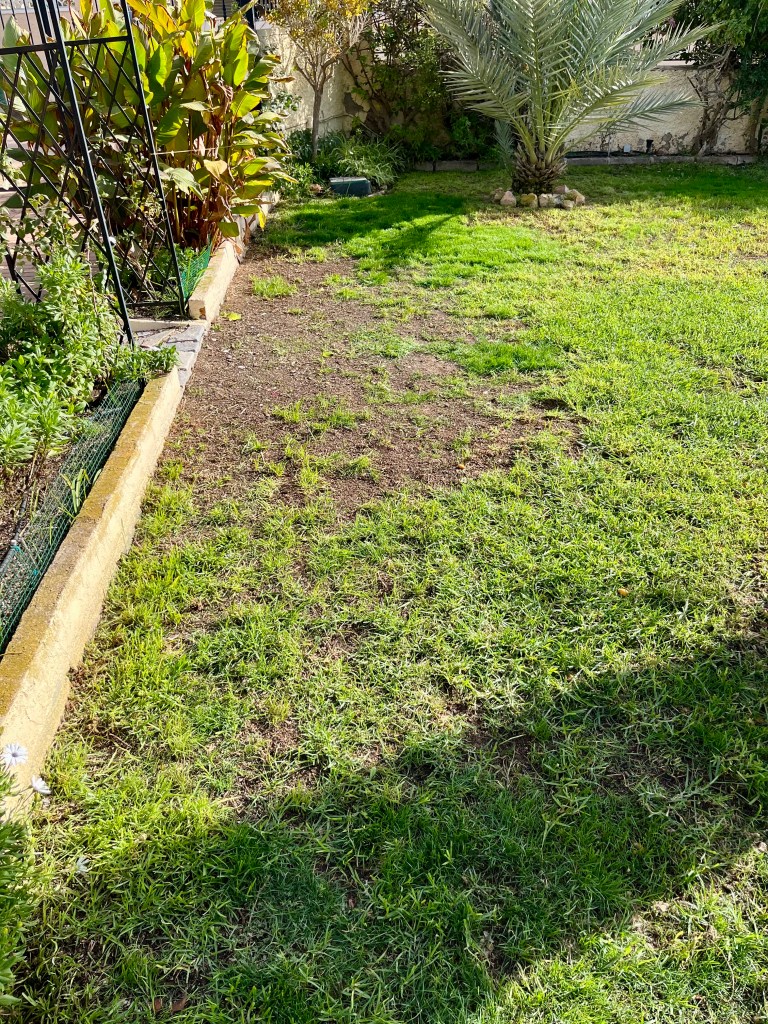
Finish your lawn tasks. I know not many of you have lawns. And yes, I know I am stupid having a lawn in Spain. But I can’t help it, it’s a man thing. My lawn suffered terrible depredations in our long summer drought and was reduced to desert. I even thought about abandoning a lawn all together and had begun designing other options.

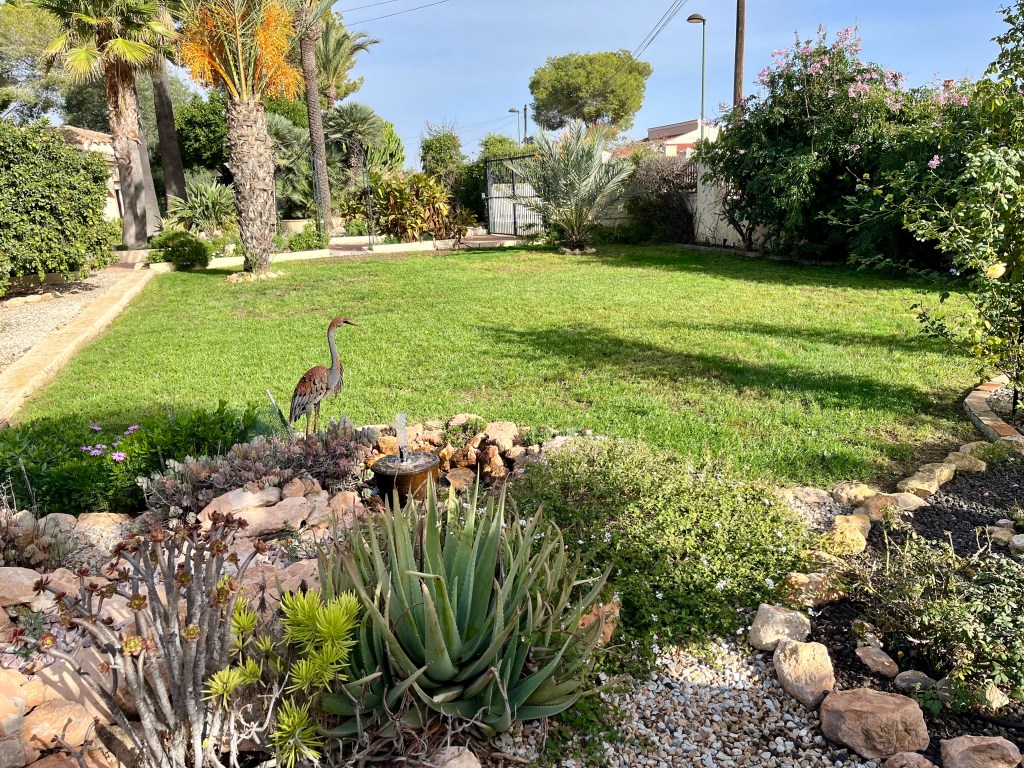
However, the lawn has stayed, I top dressed the whole thing, fed it copiously and selectively weeded it. It is not perfect, I still have one largish bare patch, but I will do some more work in the spring, but at least I now don’t cry myself to sleep at night. The photos below show the current condition of the lawn. Click on each photo for a larger view.

Cruella has left me for the farmers. Last week Cruella (my wife) suprised me by suddenly announcing “the farmers need me, I have to go back”, normally I don’t really listen to what she says so at first I thought she said “Fur-murs”. I was wracking my brain for what a furry Mur would look like and why it would need Cruella, when she noticed my blank look of incomprehension.

Mistaking my look for concern – when really my heart was singing at my planned hours of undisturbed gardening – she said “farmers you idiot”, but don’t worry, I have asked the girls to keep an eye on you. Instantly my heart sank because I knew that what she really meant was “don’t try anything because the chickens will be watching you”. It is a little known fact that the East German Stasi used chickens to spy on their population.

Anyway, the upshot is that Cruella (my wife) flew off the other day dressed in a full chicken suit to take part in the national farmers demonstration in the UK. She assures me that she will be leading the Chicken Section on the protest march. She carried with her a load of placards that she and her girls had made with lots of protest slogans including:

  • “Our lives aren’t cheep
  • “Fowl play must end”
  • “We egg-spect better”

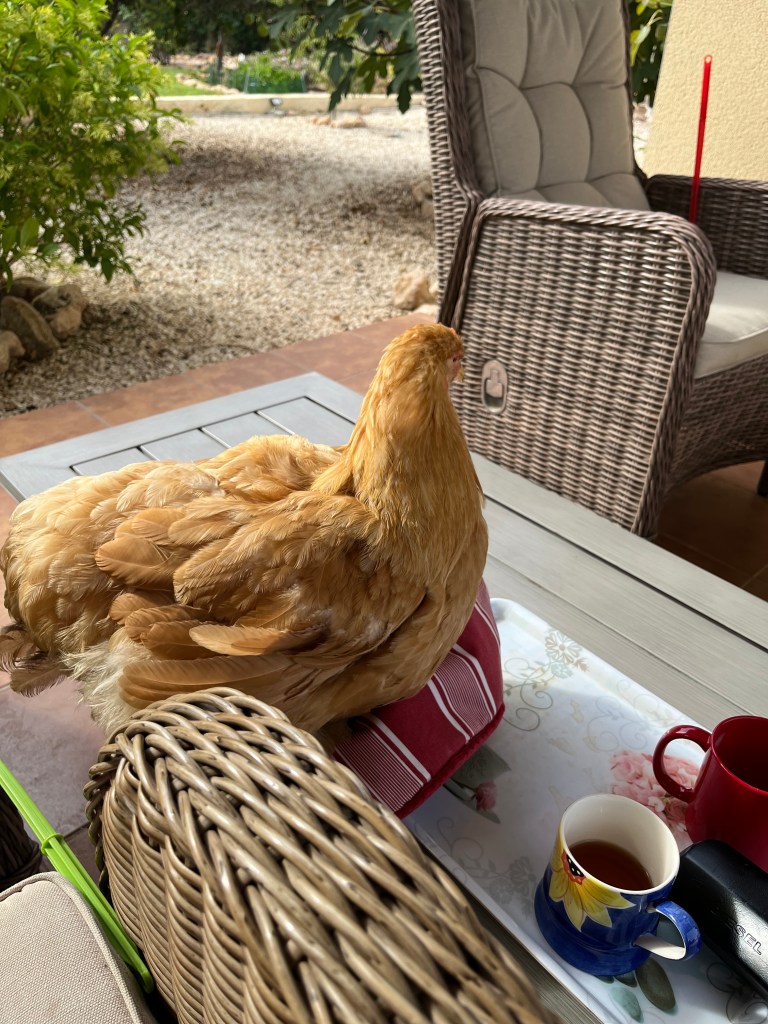
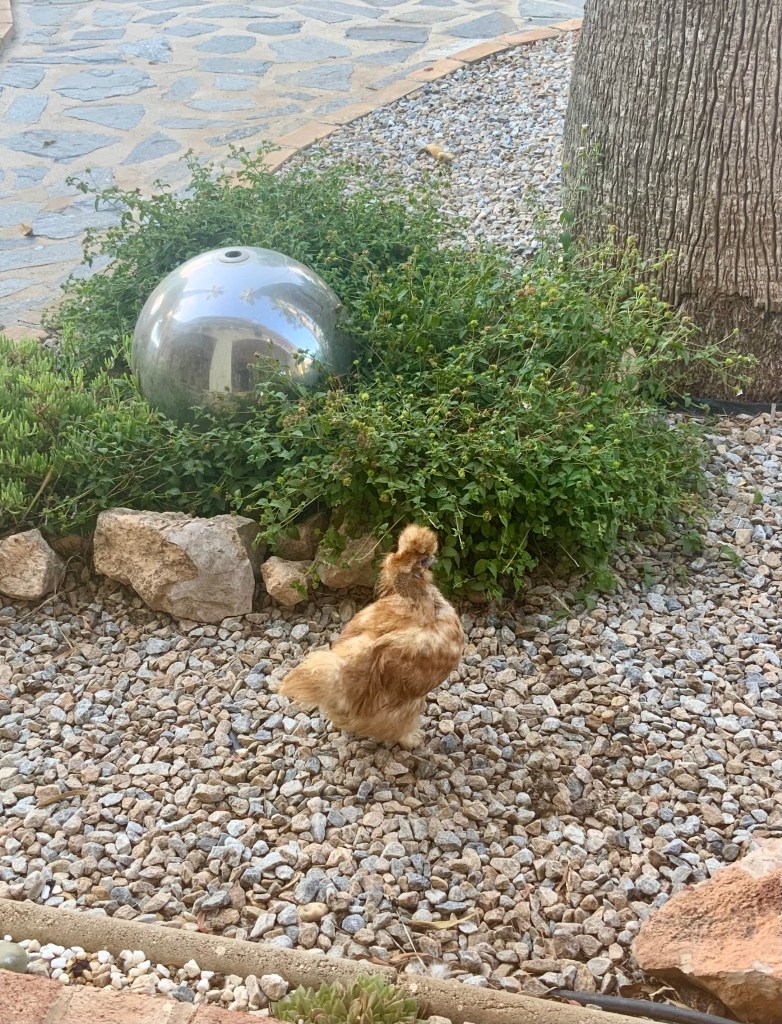
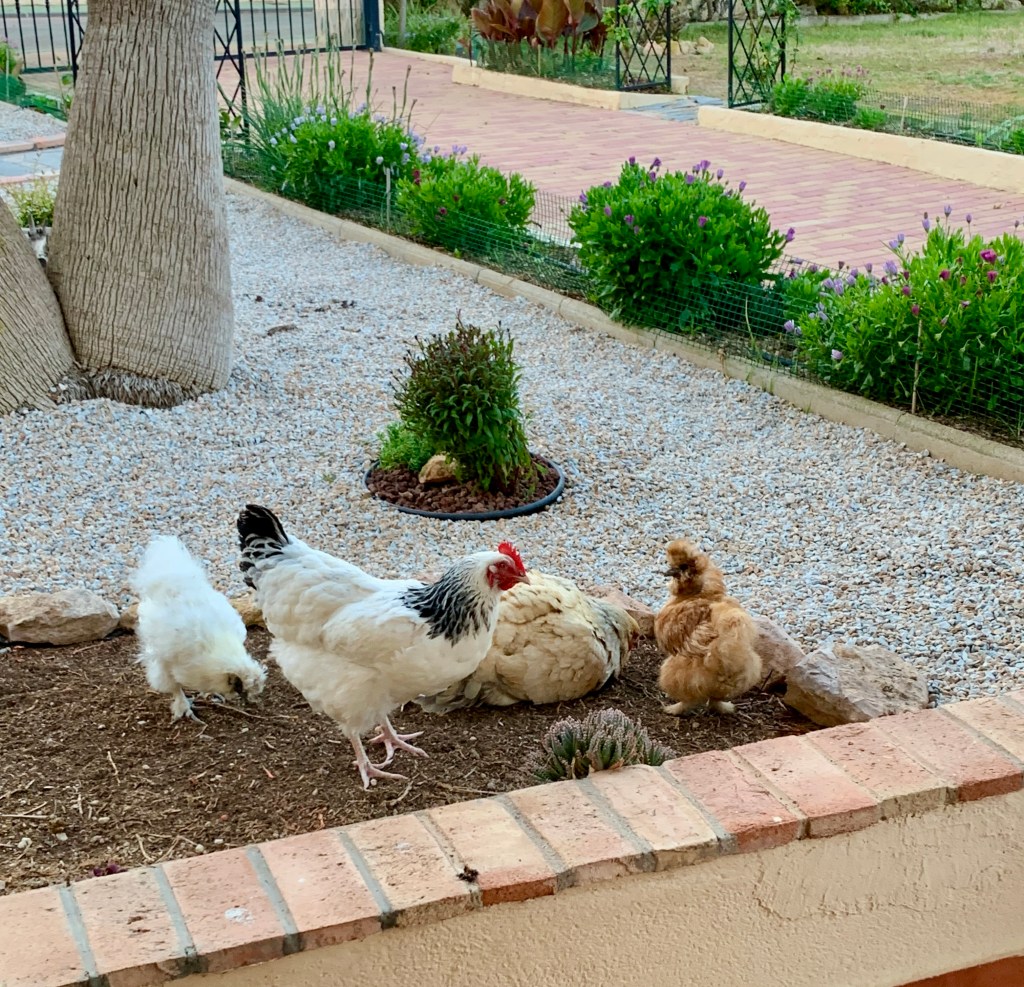
In the meantime I have been left with the chickens. They follow me everywhere, watch everything I do, and I think they have bugged the house. Even when I stop for a cup of tea, they silently sit and watch. To be honest I am finding it a bit unnerving. The photo below shows the problem.

I prepare the garden for the autumn and Cruella holds a Chickens for Trump rally

Well it’s that time of the year again when we begin the slow process of winding down the garden for the year. However, just because the flowers have stopped coming and most of the fruit is now in, don’t think you can let up, there is still so much to do.

I am still working on my lawn , but as yet, it is not fit to be seen in public, maybe in the Spring. In the meantime I still have major chicken problems mainly involving digging, scratching and intimidating me by staring. But things have taken a strange turn as Cruella (my wife) has started holding chickens for Trump rallies! Ah well, more later, let’s get on with the gardening.

18th October 2024. Things I have been doing lately:

  • Harvesting the last of the summer fruits.
  • Autumn planting
  • Don’t forget these autumn jobs
  • Cruella holds chickens for Trump rallies

Harvesting the last of the summer fruits. Most of the summer fruits have gone now and we await the citrus fruits from December. But here in the Costa Blanca there is still a few fruits we can harvest:

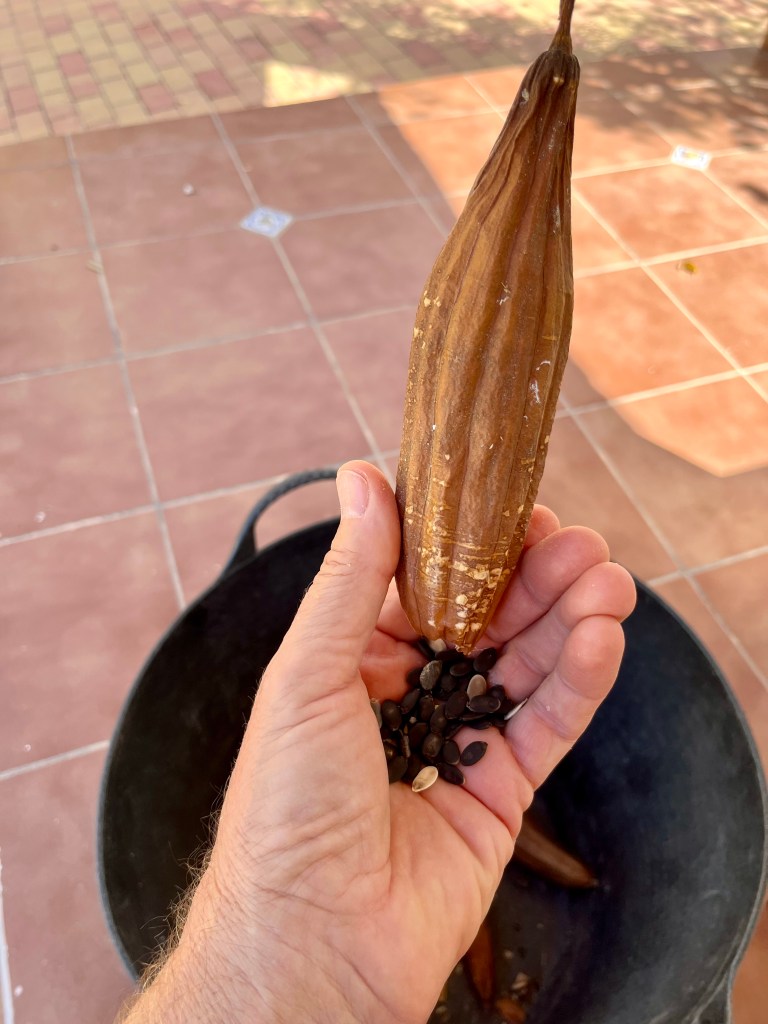
Loofahs. I only grow loofahs for their cosmetic purposes. Once harvested and prepared they can be used as a skin defoliant whilst showering. Normally I make a small fortune this time of year selling loofahs to Cruella’s coven. They highly prize them for their ability to remove warts from their noses. However, the crop of loofahs this year has been terrible. The photo below shows my paltry crop ready for harvesting. Click on each photo for a larger view.

Neverthless, don’t let this put you off, loofahs are a lovely crop with lots of little yellow flowers and usually a crop of up to 10 loofahs per plant. Loofahs are simple to process.

  • When the pods are completely brown, dry and wrinkled (Cruella just looked over my shoulder and asked if I was writing about her); shake each pod and you should hear the seeds rattling inside. If so they are ready to harvest.
  • Using your secateurs cut off each pod leaving about 1 inch of stem attached.
  • Holding the pod upright, use your thumb to press against the stem and the top will pop off Leaving a neat hole at the top of the pod.
  • Turn the pod over and pour the many seeds into the palm of your hand. This is next years crop.
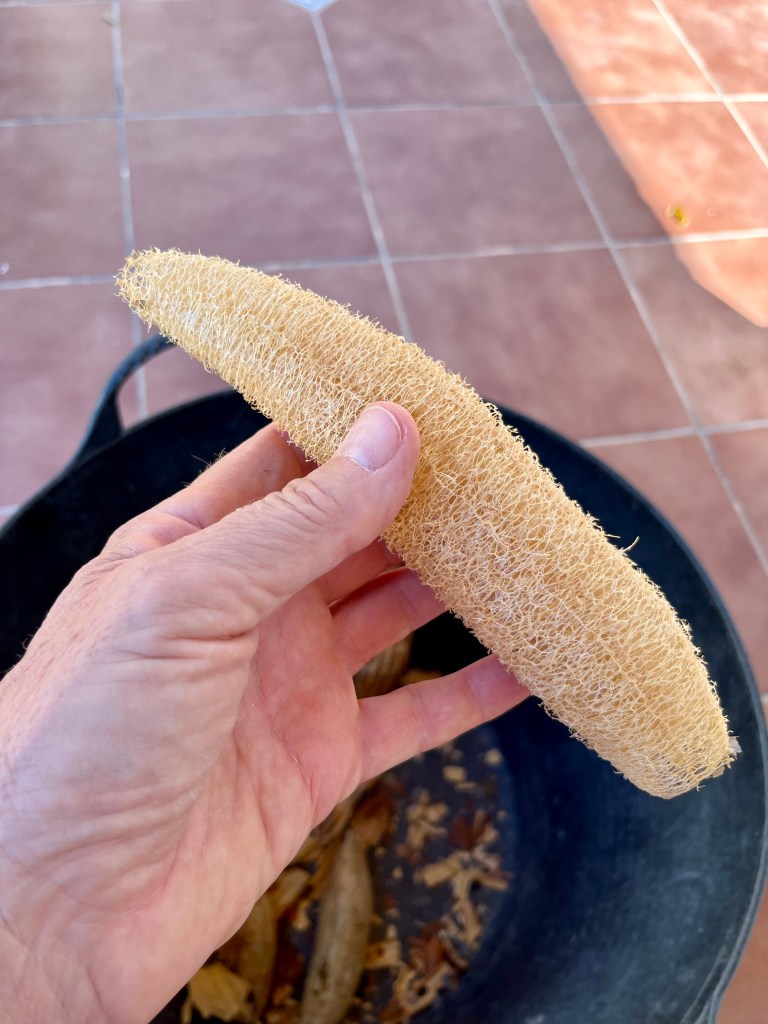
  • Once the seeds have been successfully harvested take the pod in both hands and gently crush it. This will cause the skin to crack and break open. You then just need to peel the skin away to reveal your lovely loofah. Store this in a drawer and each one can be used for about three months in your bathroom as a skin defoliant.
  • Lastly store all your seeds in a paper envelope and keep ina dark place till next year.

The photos below show this process in action. Click on each photo for a larger view.

Persimmons. Persimmons are a lovely juicy sweet fruit about the size of an apple normally, but this year, the size of a tomato. The birds love this fruit so you have to net and pick the crop daily. Luckily persimmon is one of those fruits that happily continue ripening after picking.

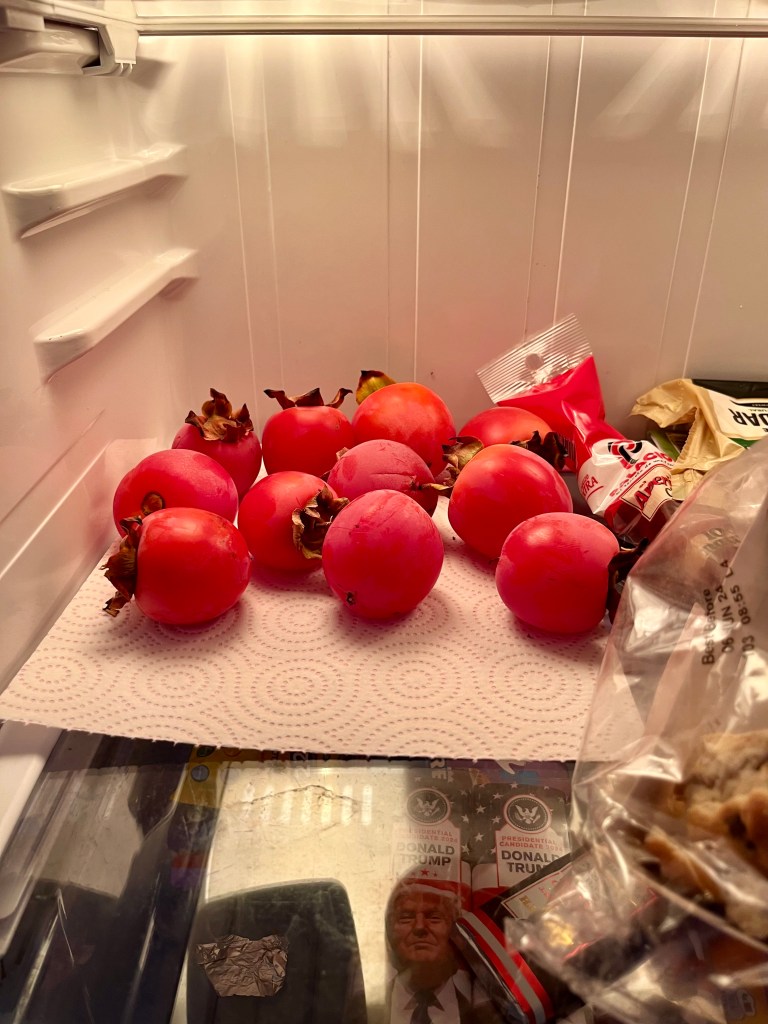
All you need to do is beat the birds to them every day, then just wash them and place them in the fridge. Use them daily, either eat them on their own or add them to your breakfast cereal, either way they are lovely.

The photos below show my persimmons happily washed and then nestling in my fridge ready for use. Spookily if you look carefully at the fridge photo you can see the face of Donald Trump smiling up at you. This is because Cruella (my wife) has purchased lots of Donald Trump chocolate bars which she uses in her “chickens for Trump rallies”. Click on each photo for a larger view.

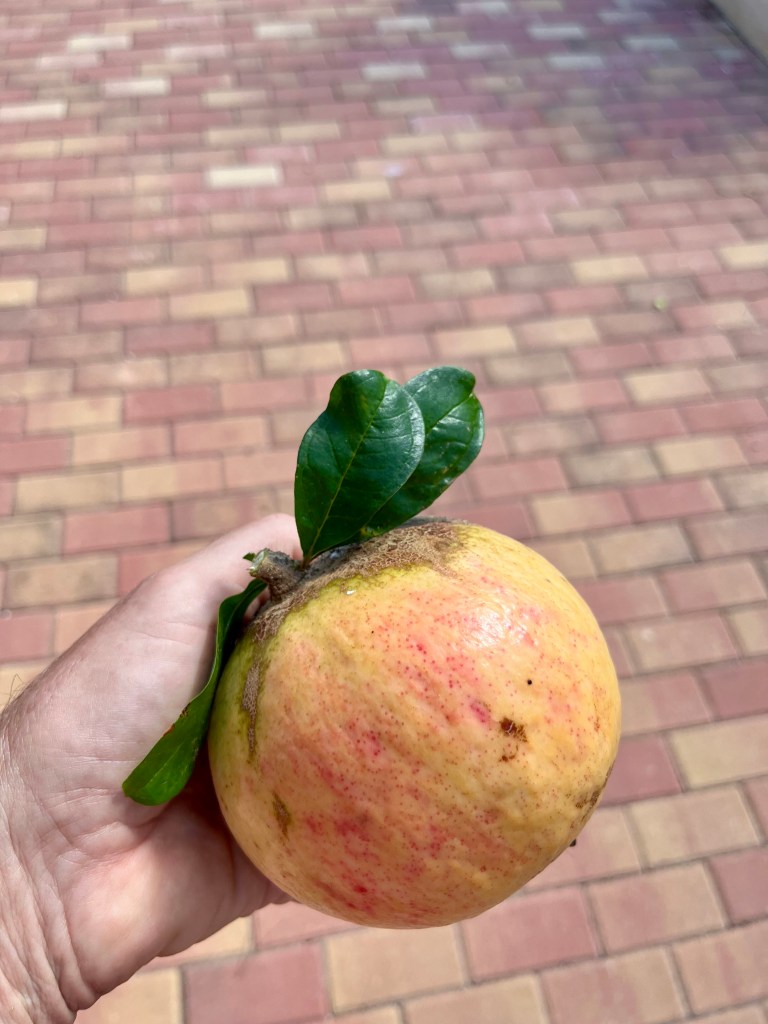
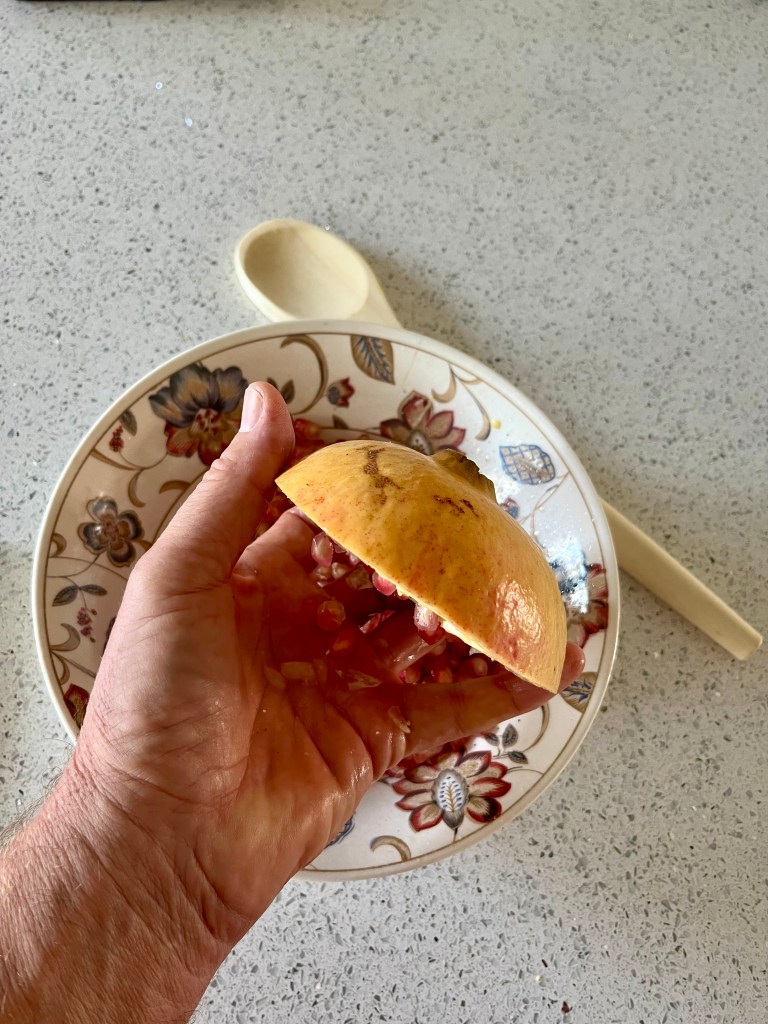
Pomegranate. Pomegranates are really the last of my summer crops and I don’t really get many of them. In Spain, pomegranates are the most valued summer cash crop. Over the years I have tried many a routine aimed at retrieving the seeds to eat, but by far the best way is as follows:

  • Cut the pomegranate in half.
  • Hold the cut side down in the palm of your hand over a bowl.
  • Bash the round half of the fruit with a heavy wooden spoon
  • Let the seeds fall between your fingers into the bowl. Keep bashing till you have them all.

The photos below show my paltry crop and the process for retrieving the seeds. Click on each photo for a larger view.
Autumn planting. If you have taken some cuttings and you have grown them on, or if you have been to the garden centre and bought lots of plants, then now is the time to plant them out. The extreme heat of the summer has gone, but there is still plenty of warmth both in the air and the soil.

In the Costa Blanca we have a growth window between now and December when you can put plants in the ground or repot and you will still get some growth before everything more or less stops for the Winter. If possible try and stand your new plants in the area where you intend to plant them for at least a couple of days to see how they acclimatise.

My usual planting regime includes:

  • Watering thoroughly the new plants or cuttings the night before.
  • Digging the planting hole at least twice the size of the new plants roots.
  • Filling the planting hole with water and letting it drain.
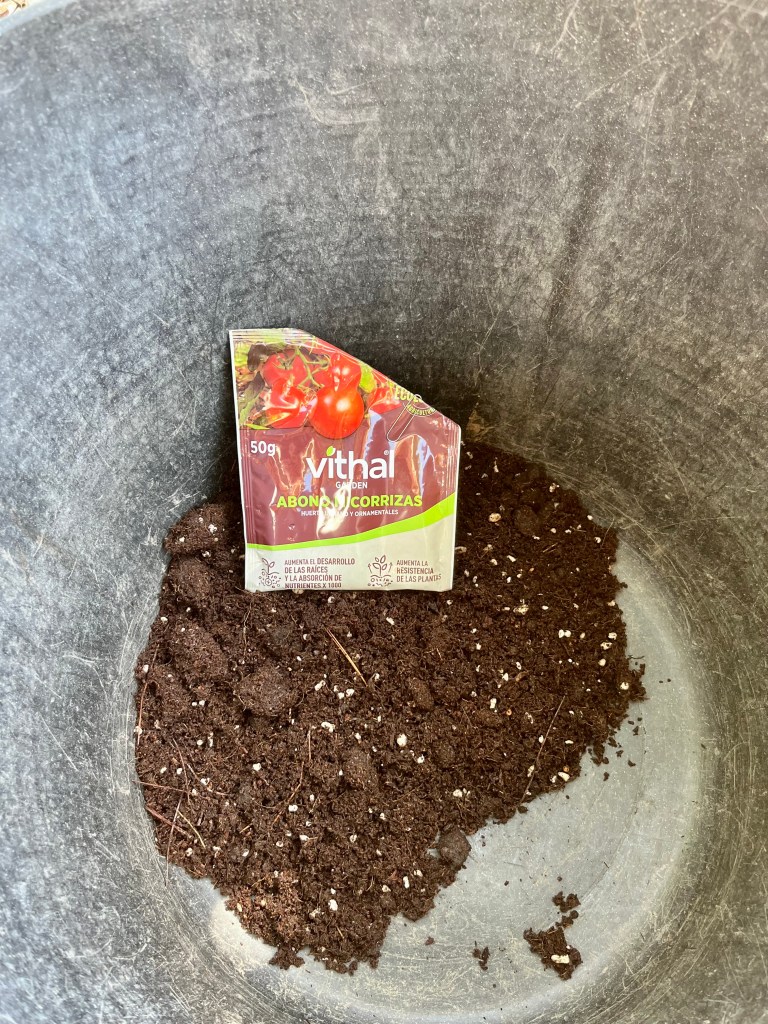
  • Using Mycorrhizal fungi sprinkled on the roots (not essential but helpful).
  • Firming the new plant in with fresh compost and watering thoroughly.

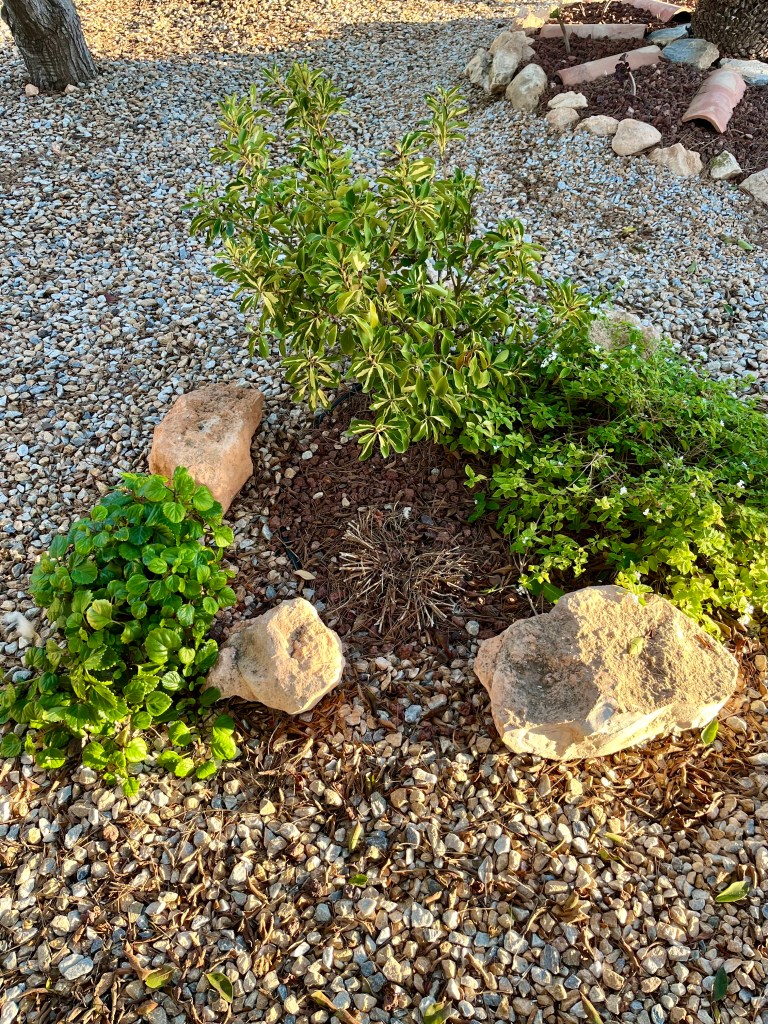
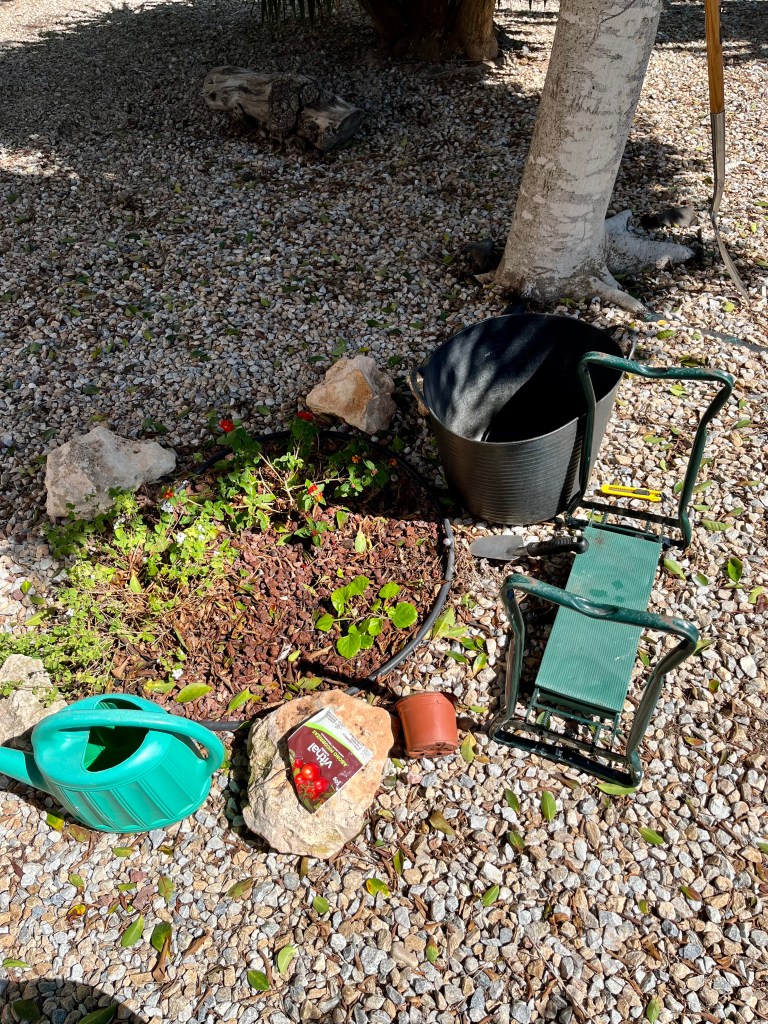
The photos below show the planting process for some Swedish Ivy cuttings that I have been growing on for a couple of months. Click on each photo for a larger view.

Don’t forget these autumn jobs. In the rush to close your garden up for winter, don’t forget these two important jobs:

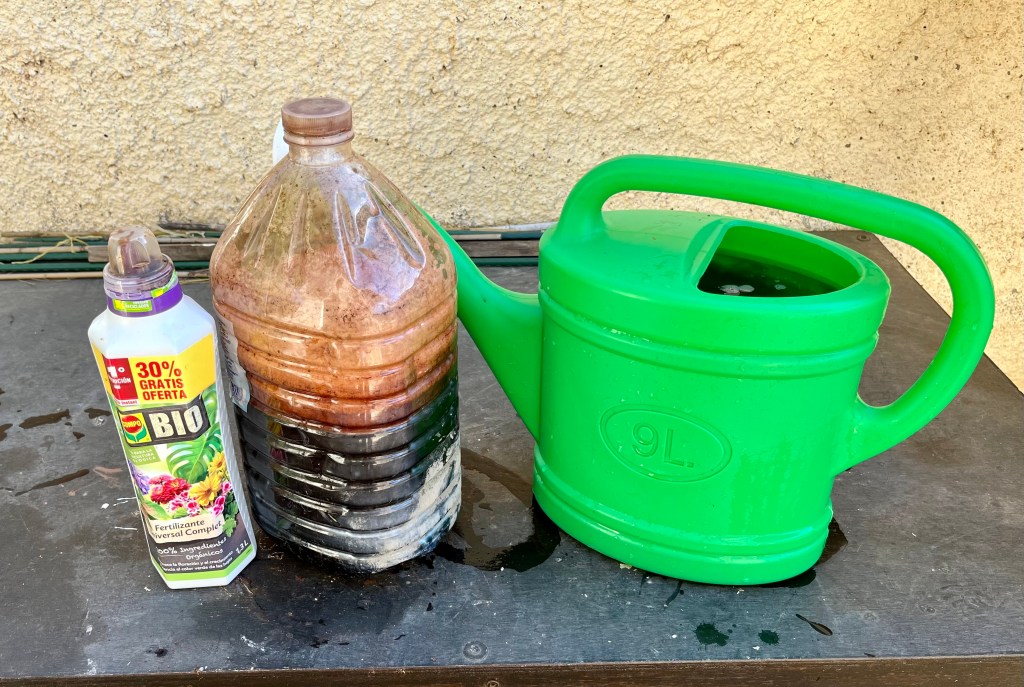
Feed all your plants in pots and maybe include a few of your favourites that are in the ground. By feeding them now you will be ensuring that they will still have some oomph (an old English gardening term) as they slowly subside into their period of non growth. In addition to feeding them add a little bit of Iron to each watering can just to stop them taking Chlorosis into the winter.

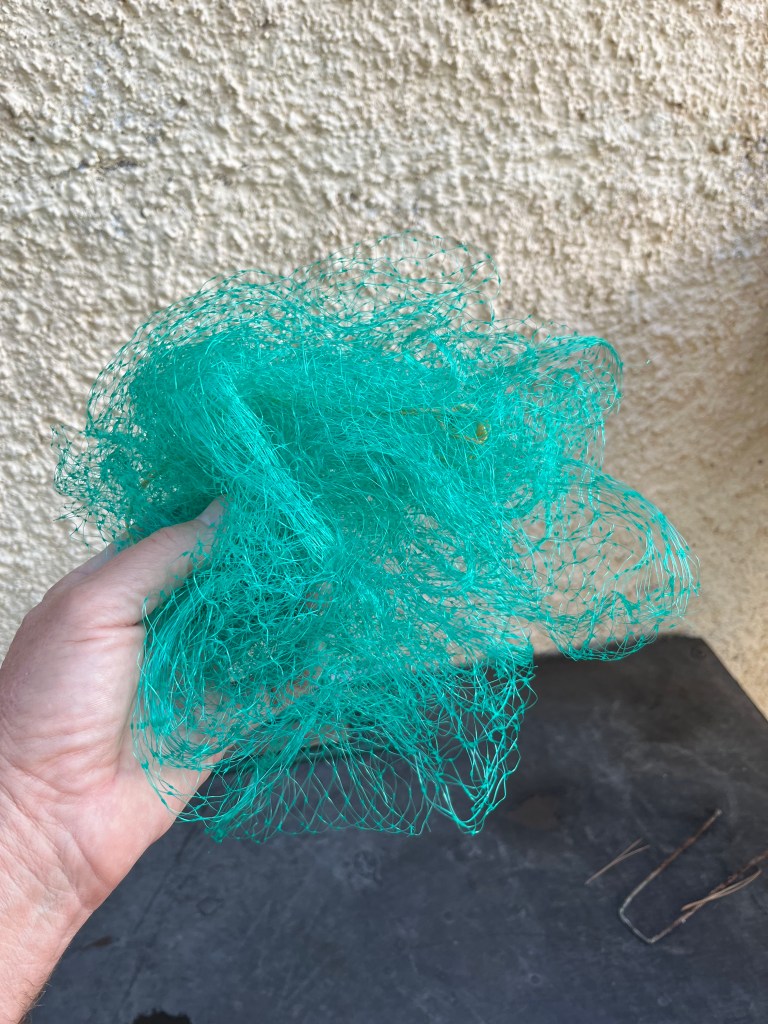
Lastly, don’t forget to take any nets off of tree or bushes you may have placed them on to save your fruit. Nets left on will definitely snare a few little birds as they search around for winter food. Photo aide memoir below. Click on each photo for a larger view.

Cruella holds chickens for Trump rallies. Cruella (my wife) has always been interested in politics, but usually she has stuck to British politics. Lately however, things have taken a strange turn and she has started following USA politics in general, and Donald Trump and the Republicans in particular.

This mania all started when someone told her that Donald Trump likes chickens. This knowledge made her determined that her and her girls would do all in their power to secure Trumps election to the Presidency. No matter what I tell her, she is convinced that she will have a vote in the elections and that when elected Mr Trump will support chicken emancipation and universal chicken suffrage.

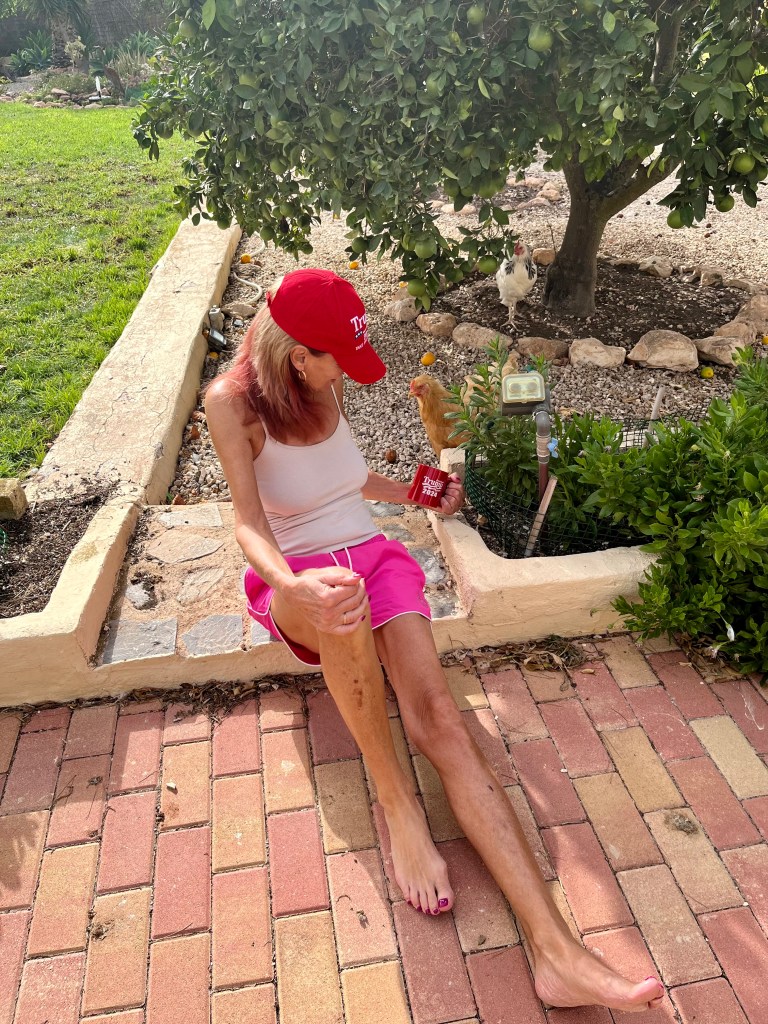
I am only telling you all this because it is radically affecting my gardening. Every morning she holds a chickens for Trump rally and they march up and down the garden singing “Born in the USA” and “Eye of the Tiger”. This is followed by Cruella insisting that all the chickens drink out of her Trump mug. I consistently refused and stuck with my tea till she sent Helga to stop me by sitting on my teapot. The photos below show the latest idiocy. Click on each photo for a larger view.
The big summer cutback, I forgot to net my figs and I am accused of killing Big Bertha

I suppose I better start with the bad news; Big Bertha my wife’s favourite chicken is dead! The really bad news is that I am being accused of deliberately killing her (the chicken that is). I won’t go in to it all now, we will do the garden stuff first then I will plead my innocence.

11th August 2024. Things I have been doing lately:

  • The late Summer cutback
  • Gathering in the few crops the birds have left me
  • Continuing to deadhead
  • Dealing with the fall out from the death of Big Bertha

The late Summer cutback. As we move towards late summer here in Spain the heat has been building for months and we have had no rain in the Costa Blanca. This has meant that most of us will have lost some plants and the rest of the garden looks very wilted and sorry for itself.

Now is the time to stroll round your garden in the cool of evening and decide whether some areas need cutting back. There are two main reasons for cutting back at this time of the year. Firstly, you may want to redefine the shape of your plants where they have got floppy and overblown. Secondly you may want to cut off old growth to encourage a new flush of flowers or green growth.

The photos below show the bottom of my drive where the large Peruvian false pepper tree and the Myrtle bush normally make for an attractive scenario that draws the eye down the drive. The first photo shows them both slightly out of shape, whilst the second shows them back at their best after trimming. Click on each photo for a larger view.

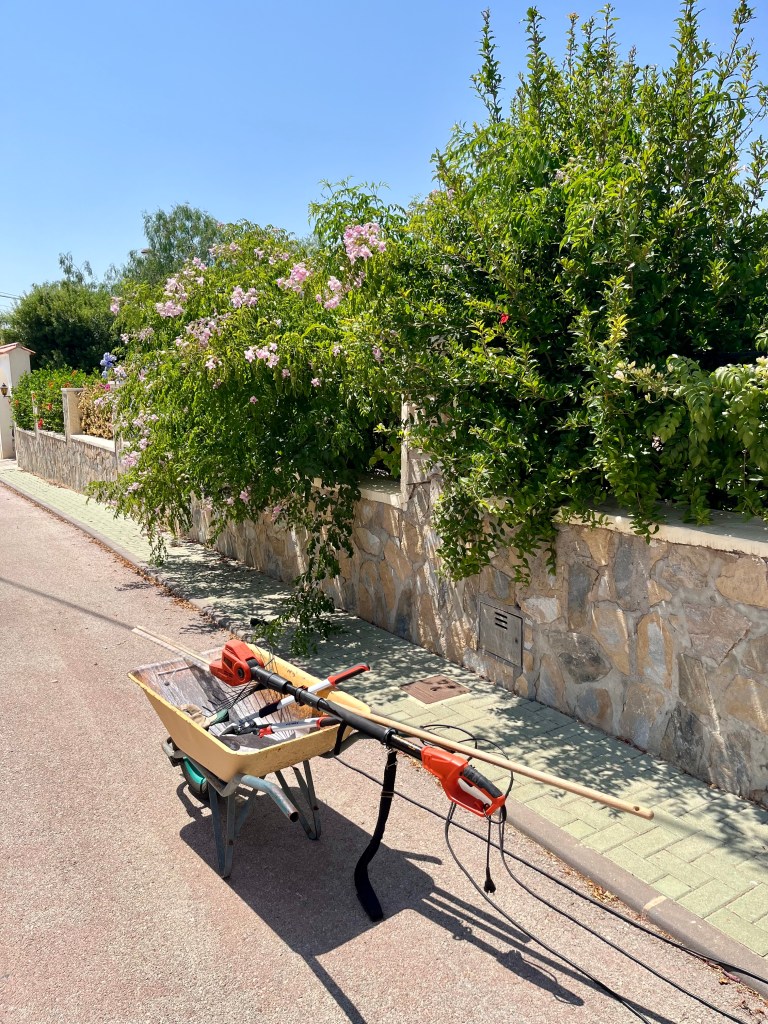
If you have hedges (and I have a lot), then now is a good time to give them a light trim to bring them back into shape and stop them shadowing lawns and your bedding plants. Don’t be tempted to trim hedges before round about now as you may disturb or even destroy bird nests. But also remember this is not the big winter cutback so don’t cut into wood, unless you really need to, instead just concentrate on taking back leaf. The photos below my various trimming efforts before and after. Click on each photo for a larger view.

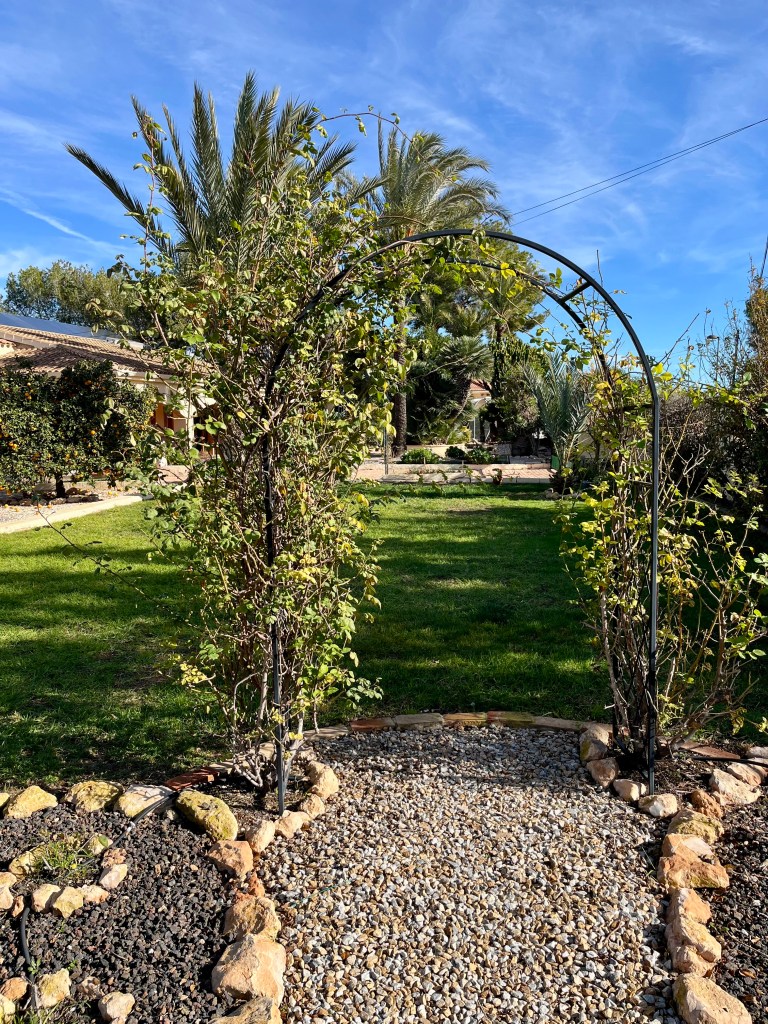
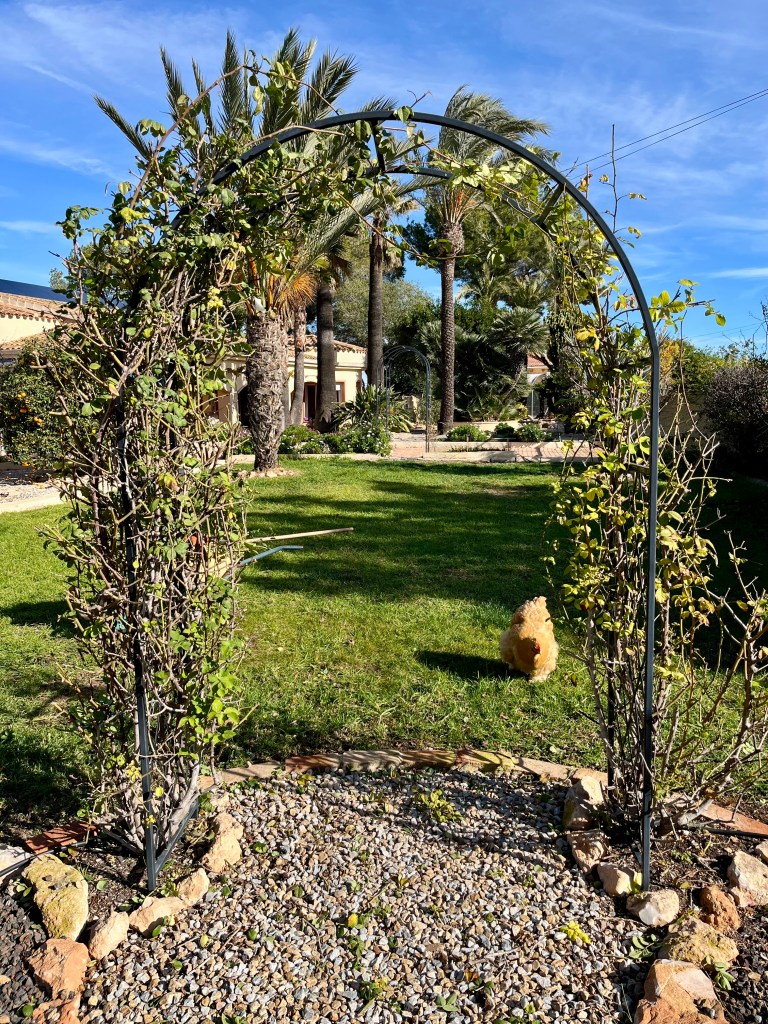
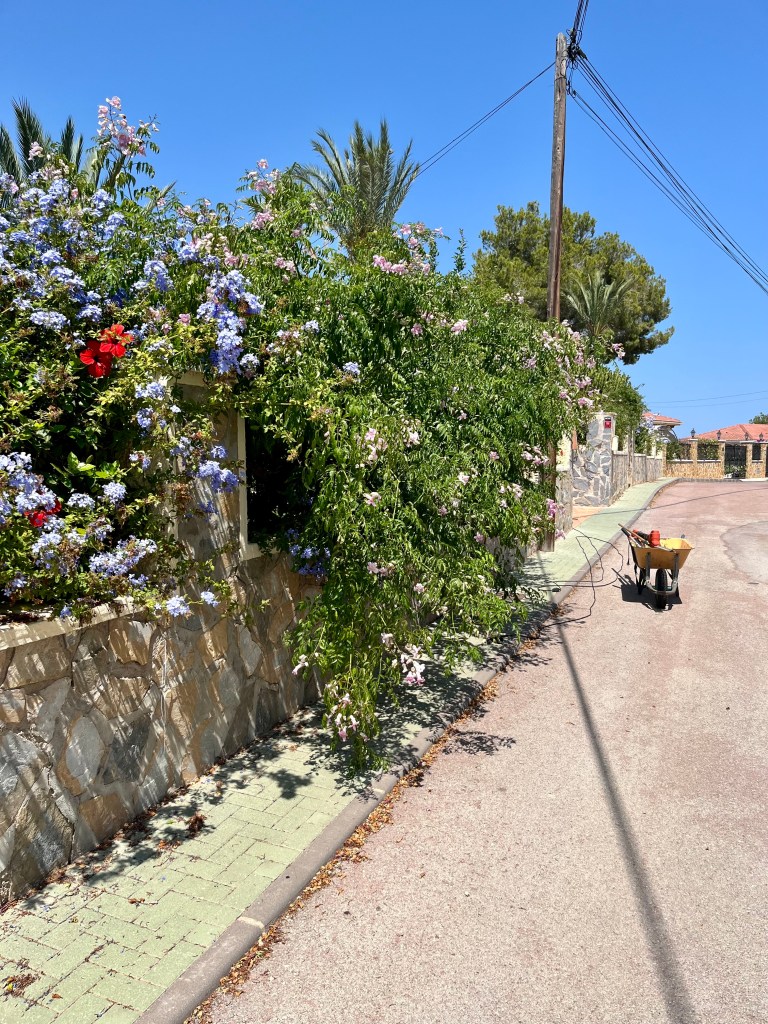
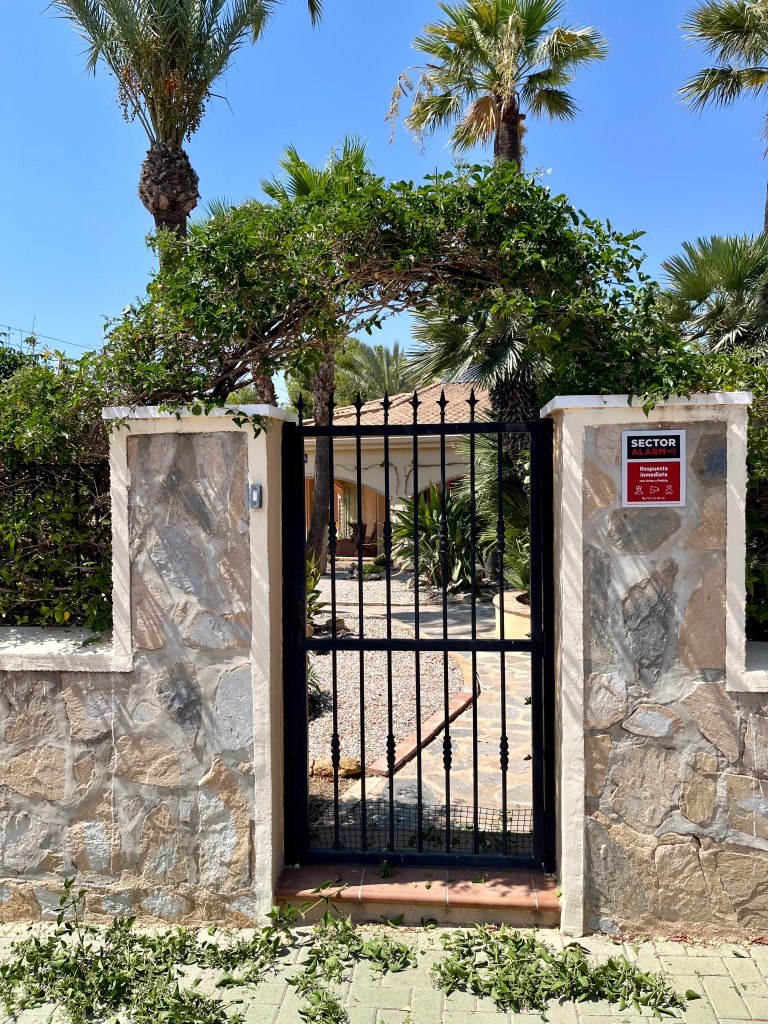
If you have arches over gates or other entry points into your garden then tidy these up as well so that cars don’t get scratched and people don’t snag their clothes on overgrown plants. The photos below show some little areas of tidying up. Click on each photo for a larger view.

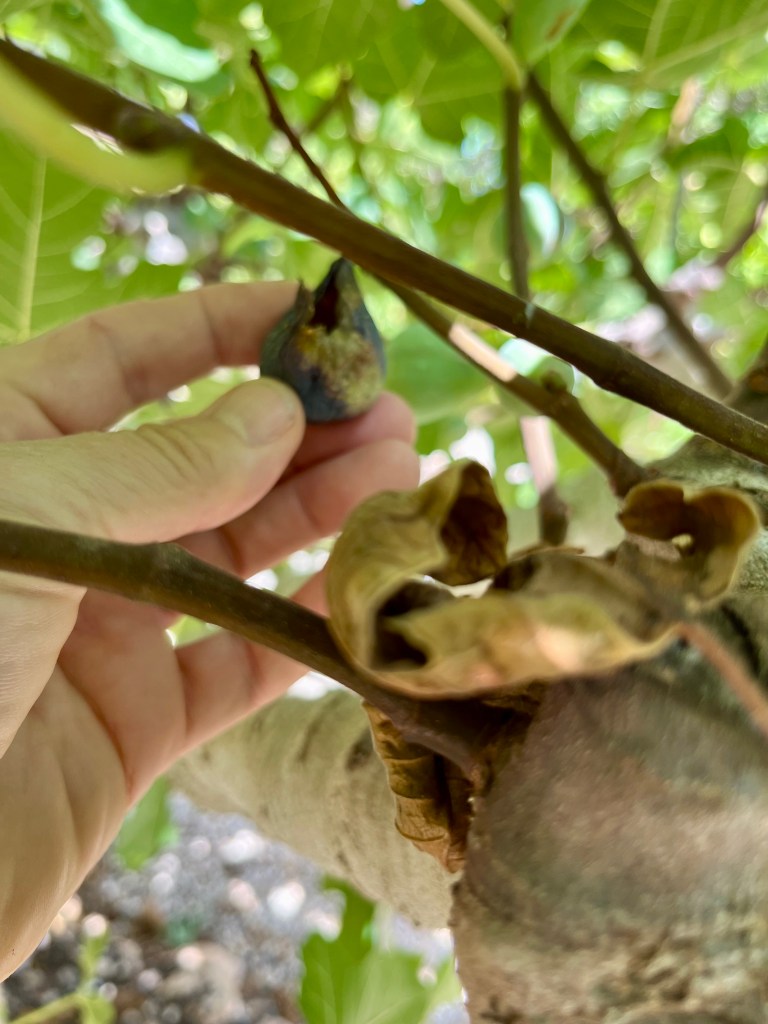
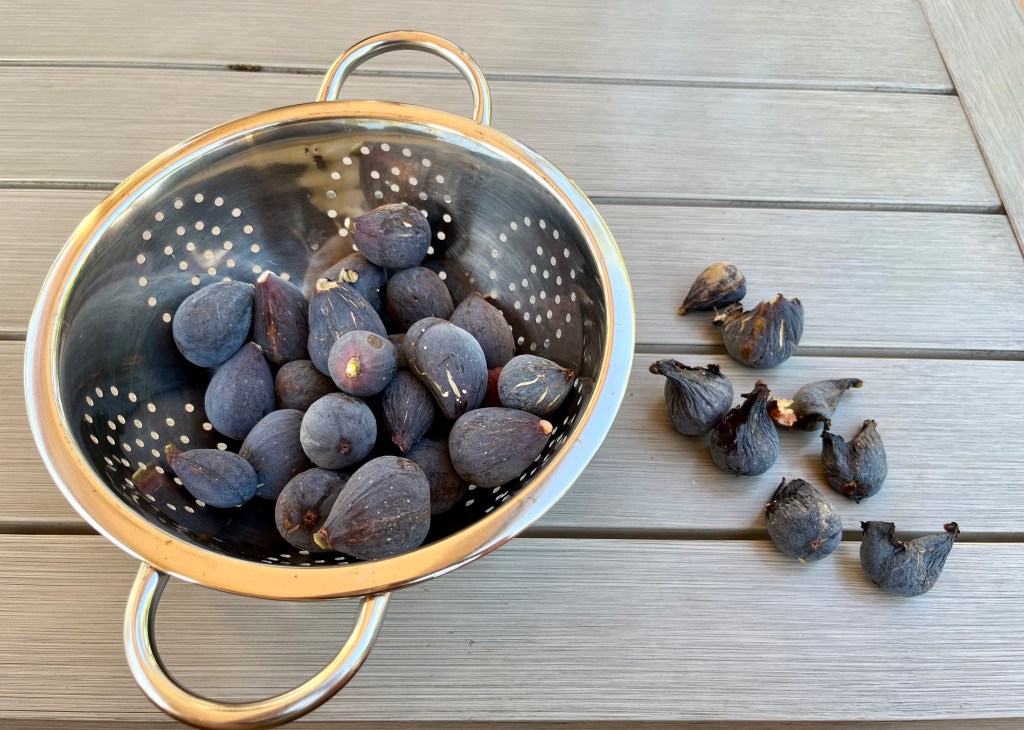
Gathering in the few crops the birds have left me. Regular readers of this blog will remember that I prepared my fig trees for netting just before I went away for a couple of weeks. Unfortunately, when I got back, I didn’t get around to netting them as I became distracted with other tasks. Then I stupidly decided not to net them this year as an experiment. The results were predictable. A good third of my fig crop is being lost to birds. Each morning I go out and harvest that days ripened figs, but large numbers have been pecked by birds, most annoyingly sometimes just one peck, but enough to spoil the fruit. The photos below show the morning devastation. Click on each photo for a larger view.

The photo below shows a typical morning collection including the spoiled figs that I will never enjoy.

In addition to figs I have been harvesting my grapes. I don’t normally bag or net grapes as it would be too time consuming. The secret with grapes is not to try and harvest them before they are ripe. Grapes do not continue to ripen once they are cut, so you have to be patient.

Keep an eye on your grapes, twice a day if necessary. Taste one each day as they get close to ripening. Then once you are happy take off the ripe bunches straight away. The birds will know exactly when your grapes are at their best so don’t leave them any longer than necessary. The photos below show my grapes waiting to be harvested, and then the daily harvest. Click on each photo for a larger view.

Continuing to deadhead. I know it is hot, and you have cold beer and wine waiting for you. But, if you don’t deadhead daily then you will run out of flowers in late summer. Once most plants have 50% of dead flowers going to seed, then they will stop even trying to put on more flowers. By deadheading daily you are forcing the plant to produce more flowers to reproduce itself. The photo below, shows me on my daily rounds.

Dealing with the fall out from the death of Big Bertha. I started this post by informing you that Big Bertha, my wife (Cruella’s) favourite chicken had died. But let’s start with the facts. Yes Bertha is dead, and yes I may have had something to do with her demise. But I feel I need to explain and get you to understand the sequence of events and extenuating circumstances. But just to remind you of the late great Big Bertha, she is the one on the left in the photo below, in case you hadn’t guessed.
What happened was this. I have a spray irrigation system watering under all of our fruit trees on a timed system. It was a hot evening and Bertha had positioned herself under one of the trees where she seemed to be happily enjoying the irrigation spray. I thought it was funny and even took the photo below to show Cruella.

Anyway, that night when Cruella went to put her to bed and gave her, her normal goodnight cuddle (all I get is goodnight pig), she discovered that Bertha was soaking wet. The next day Cruella came hurtling into the house in hysterics screaming that Bertha was dead and that I had murdered her. It turns out that when Cruella went to let her girls out Bertha didn’t appear, only to be discovered stiff as a board.

I can’t begin to tell you what it has been like in our house since. The recriminations and hysterics are terrible. They all shout and scream at me in chickenese and accuse me of Water Boarding Bertha. Cruella has already reported me to the ICC (International Chicken Court). She gets things mixed up and insists that the ICC is somewhere in Europe overseen by William Hague who she insists will see that justice is done.

We had Bertha’s funeral yesterday down in our wild wood. It wasn’t really a funeral as Cruella insisted that Big Bertha was burned on a funeral pyre. We all stood around, Cruella and her girls all wore black and sang dirges in chickenese. As the flames licked around Big Bertha’s corpse they all burst out into loud wailing. I just stood there, all I could think of was KFC!

Leaks, borders, deserts and birthdays

I have had to leave the garden. Cruella (my wife) demanded we go back to our English house to celebrate the 30th birthday of our idiot son. She insisted we have house sitters with previous experience of chickens as she was worried her girls would pine; no mention of needing gardening experience. Every night she insisted on FaceTime calls with the chickens; I wasn’t involved as they all spoke chickenese. I had to comfort myself by looking on Google maps at the garden.

Anyway on with the gardening; or what’s left of it.

30th July 2024. Things I have been doing lately.

  • Dealing with water leaks everywhere.
  • Bringing the borders back under control
  • Dealing with the desertification of the lawn
  • Celebrating the idiots birthday

Dealing with water leaks everywhere. I spent many sleepless nights worrying about the garden whilst I was away. Cruella complained that my nightly mumbling kept her awake, but to be honest I don’t know how she could even hear me as the area of ceiling she normally hangs from is right over the other side of the bedroom.

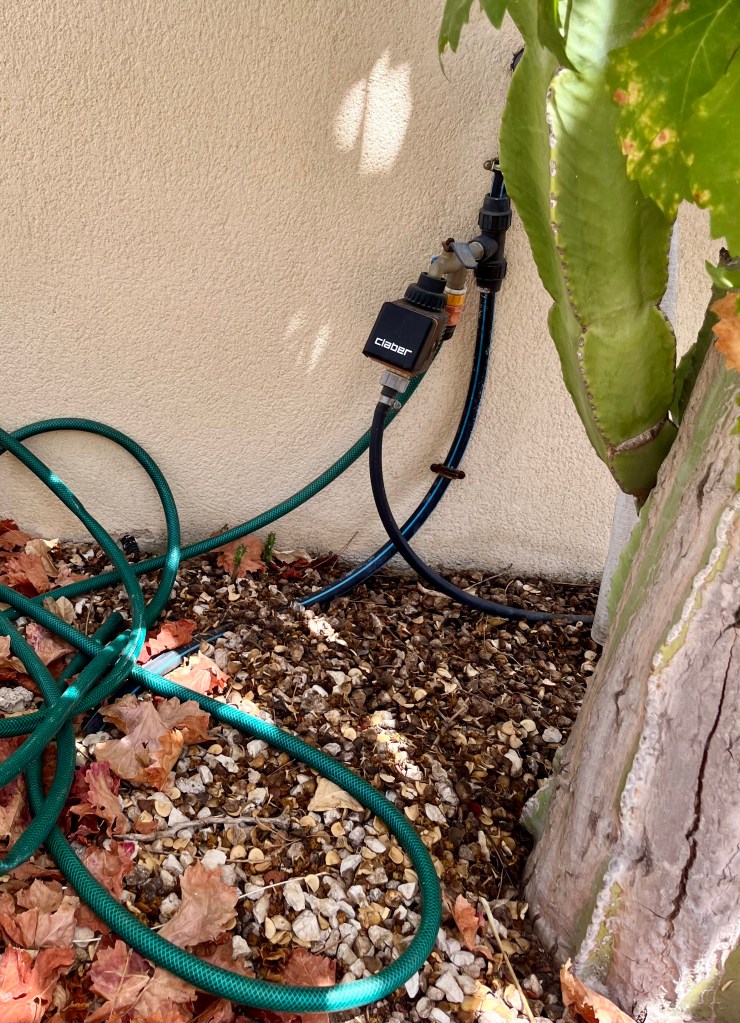
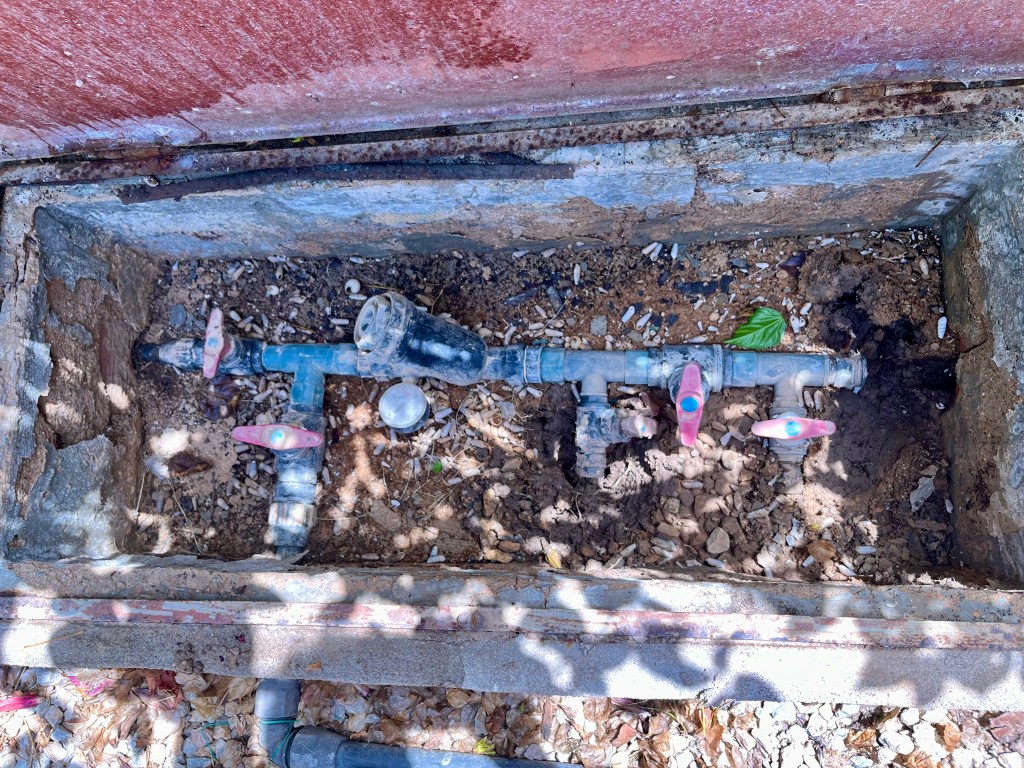
Anyway, you can imagine the state of the garden when I got back. But the worst things was the many leaks that had sprung up all over my various irrigation systems. Our water bills are normally high, but the one that met us on our return was €700? Apart from a mains leak which was creating a new swimming pool for me, the rest were leaks from split irrigation pipes.

I normally keep an eye on all my irrigation pipes, but it just shows you that even a couple of weeks away can make a big difference. Irrigation pipes in Spain become very brittle in the sun and as a consequence are liable to splits. So get outside now and start your checks.

  • turn all your irrigation systems off
  • turn them on one at a time
  • as you turn each system on walk the length of the piping looking for leaks or suspicious area of lush growth
  • once you detect a leak cut out a decent length of the piping as it will usually be weak in other areas close by
  • connect the piping with appropriate connectors ( see below)
  • then check that your repair is not leaking
I possess more piping and irrigation connectors than most hardware stores

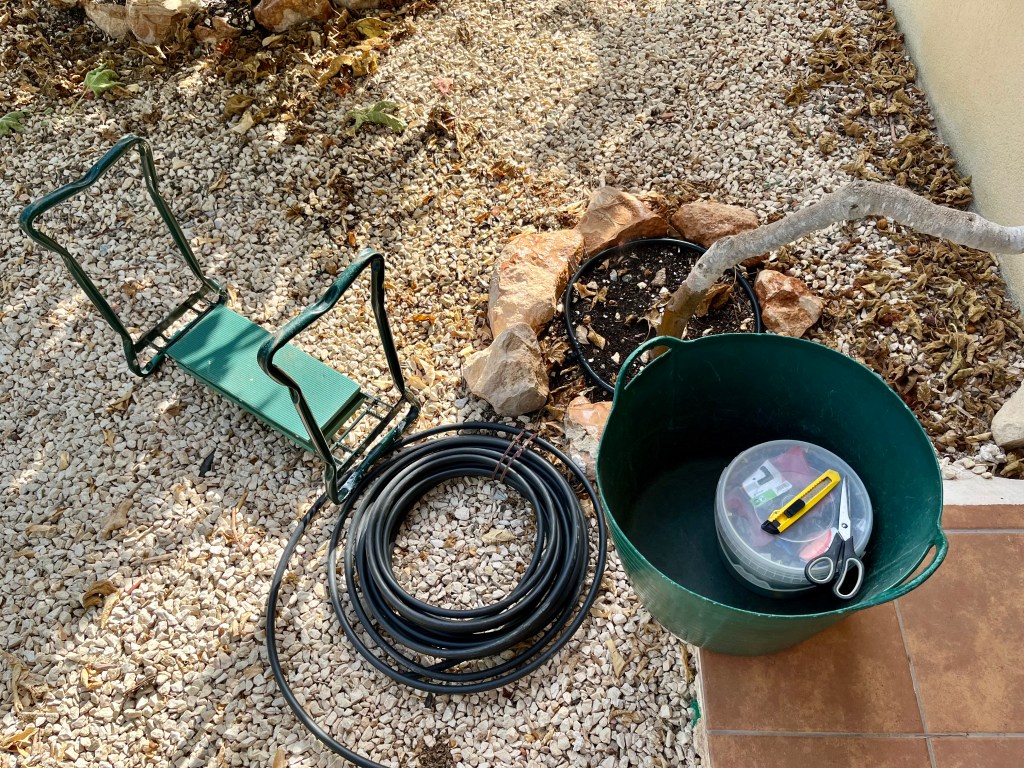
The photo below shows my mobile leak repair tools as I deal with yet another leak.

Just to give you an idea of the scale of the problem I have faced, it has taken two days to track down and repair most of the leaks. The photos below show some of the areas where I am leaking money. Click on each photo for a larger view.

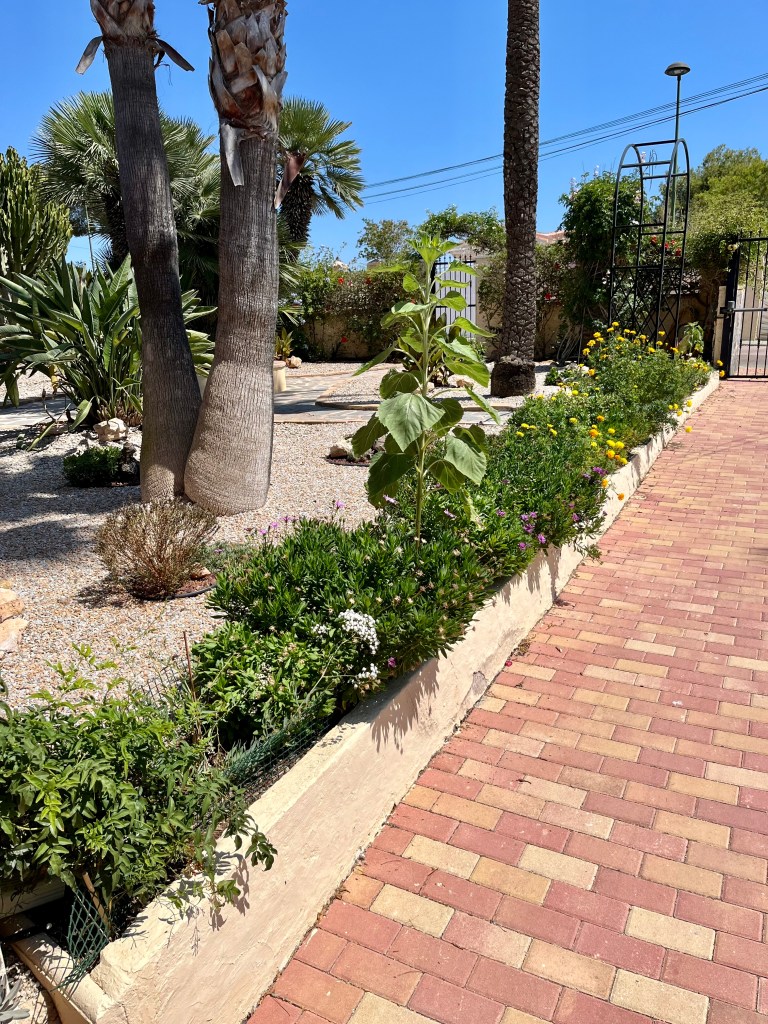
Bringing the borders back under control. By now all of your borders should be in full flower, and ideally you should be deadheading and staking up each day. The photos below show the state of my borders upon my return. Click on each photo for a larger view.

To the superficial eye, these may look fine, (not that I am accusing you of having superficial eyes). But to me there are heads to be deadheaded and stems to be staked. I tend to stake things first and then go round and deadhead. In this way I can see any dead flowers that may be dropping down.
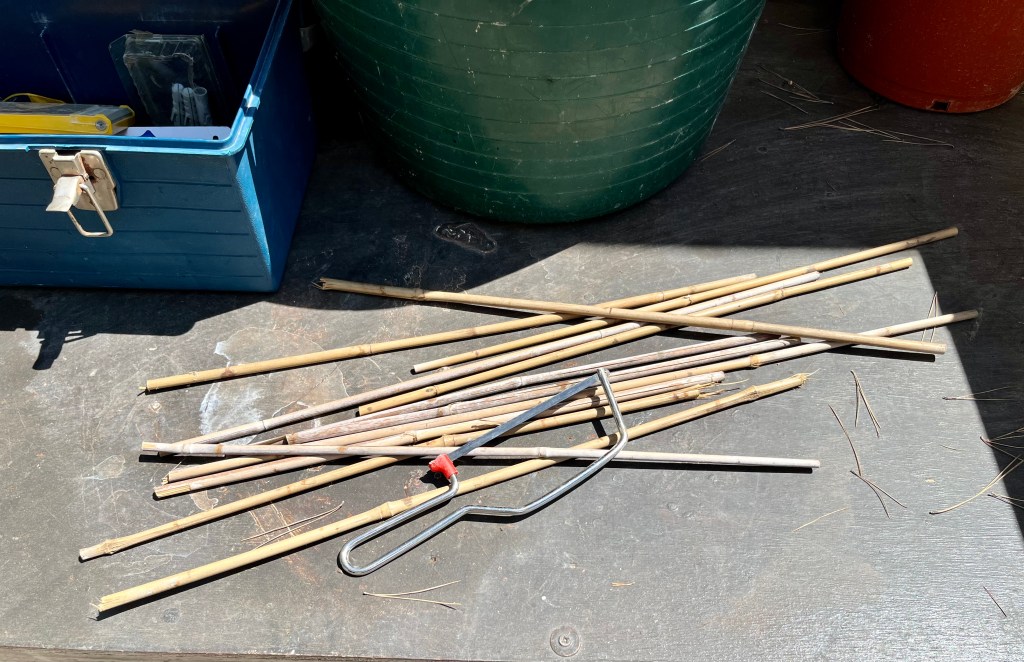
At this time of year the gardeners best friend are canes and twine. The photos below show me getting ready to go. Try not to use very long canes as this is not cost effective, instead cut long canes into four. Not only does this save you money, it will also stop you having expensive eye surgery when you bend down and poke your eye out. Click on each photo for a larger view.

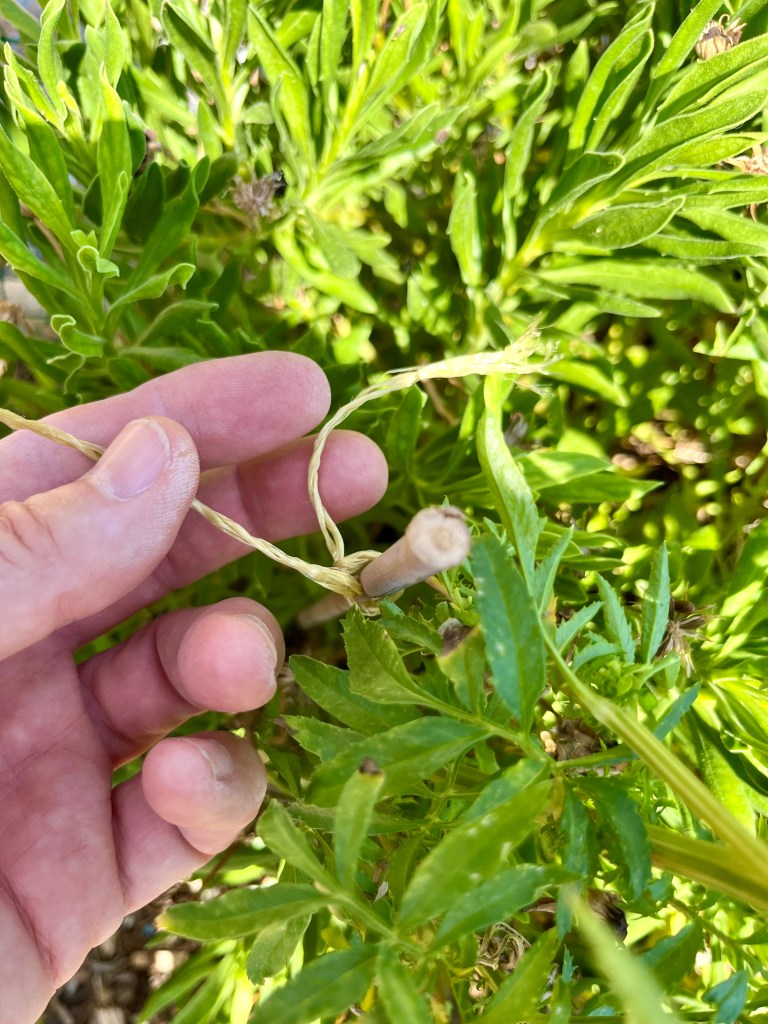
Once you are set to go, wander round looking for drooping and fallen stems. Most plants will stop flowering if there is a kink or break in their stem. You need to get them upright as soon as possible. I know it may sound stupid, but there is a correct way to tie up a plant. Ideally you should form a figure of eight around the cane and the plant stem. You achieve this by first tying your twine around the stake and then forming another loop around the plant stem. The idea is to stop the stem chafing against the stake, thereby causing a wound that may let pathogens in. The photo below shows how well I attended to knot tying in the Scouts.

For some reason Cruella (my wife) is very good at tying knots. I asked her about this one day and she told me it is all about tying down small animals for sacrifice!

Once you have tied everything up, then it is time to go around deadheading. Remember don’t just cut off the flower head, go back to the next leaf node and cut just above there. In this was you will not leave dead stem for infection to enter. Once you have finished deadheading the obvious, take a good look into your borders to see whether anything else interesting is popping up. I cut back my mini sunflowers and discovered some lovely new little blooms at the bottom of their stems, see the photos below. Click on each photo for a larger view.

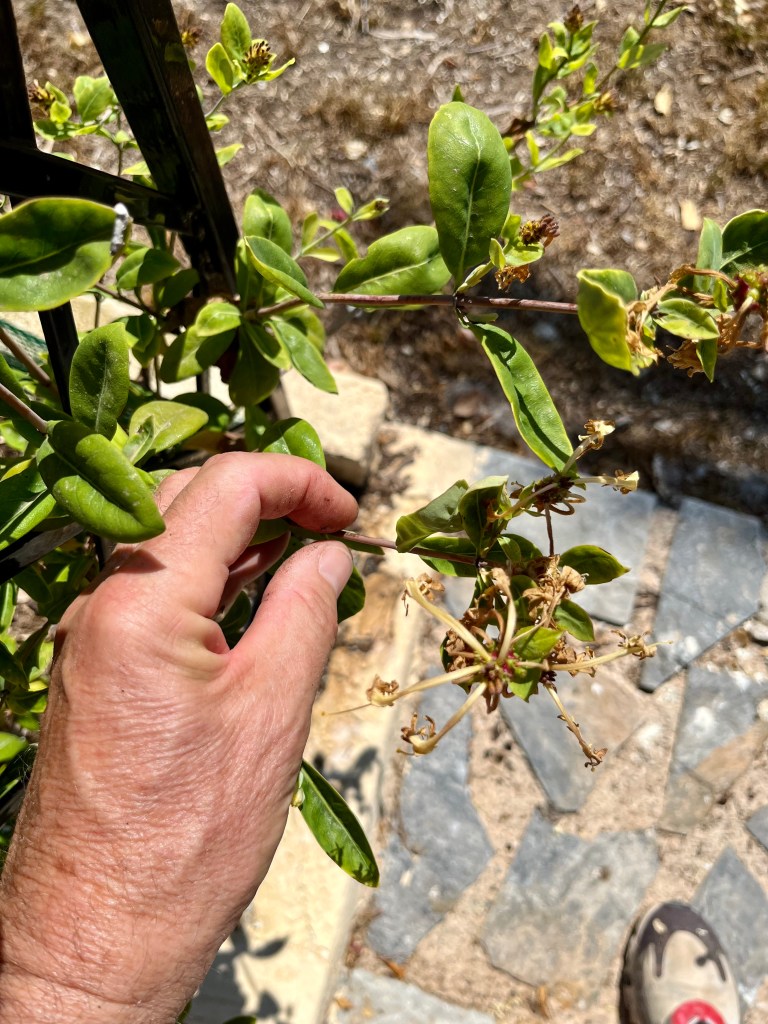
The last thing I do when I am deadheading is to go round with single handed shears and take off all seed heads from Osteospermums and the Honeysuckle.

Dealing with the desertification of the lawn. My lawn as I jokingly call it has suffered greatly this dry summer. But to be honest my biggest problem is chickens. In the Spring I could have reseeded areas, and I could even do it this autumn. However, if I put any seed down the chickens would scoff it immediately. I am rethinking the whole lawn thing, but just to give you an idea of the problem of desertification, see the photos below. Any idea or suggestions are welcome. Click on each photo for a larger view.

Celebrating the idiots birthday. Cruella (my wife) insisted that I put a celebratory birthday photo of the idiot son into my blog. I protested that it was a gardening blog and as such nobody would be interested. She threatened me that if I didn’t put a photo in the blog she would set fire to my shed.

Anyway, here it is. Cruella is on the left, you can just see a hint of her tail though she has tried to tuck it away, normally you could see her horns but she is cleverly burying them in the beard of the idiot boy. I am on the right, the idiot is in the middle.

Pruning, trimming, a Blackbird broke my heart and Cruella has entered the chicken Olympics

I have been away, I know I didn’t tell you, but I just slip away and creep back, it is best for the garden. If Cruella (my wife) knows I am away she takes down all my chicken defences and dances around the garden with her girls shouting about freedom and chicken rights. She told me she that she sees her self as a latter day Isadora Duncan whilst being an admirer of Just Stop Oil, chicken division.

When I crept back in after a week away she said “where have you been?”. I told her I had just been down by the compost bins and she nodded ok. She then casually informed me she was preparing for the Olympics; anyway, on with the gardening, more later.

29th June 2024. Things I have been doing lately:

  • Taking fig cuttings
  • Planting out loofahs
  • Trimming back to encourage new growth
  • Trumpet vine and the Blackbird
  • The chicken Olympics

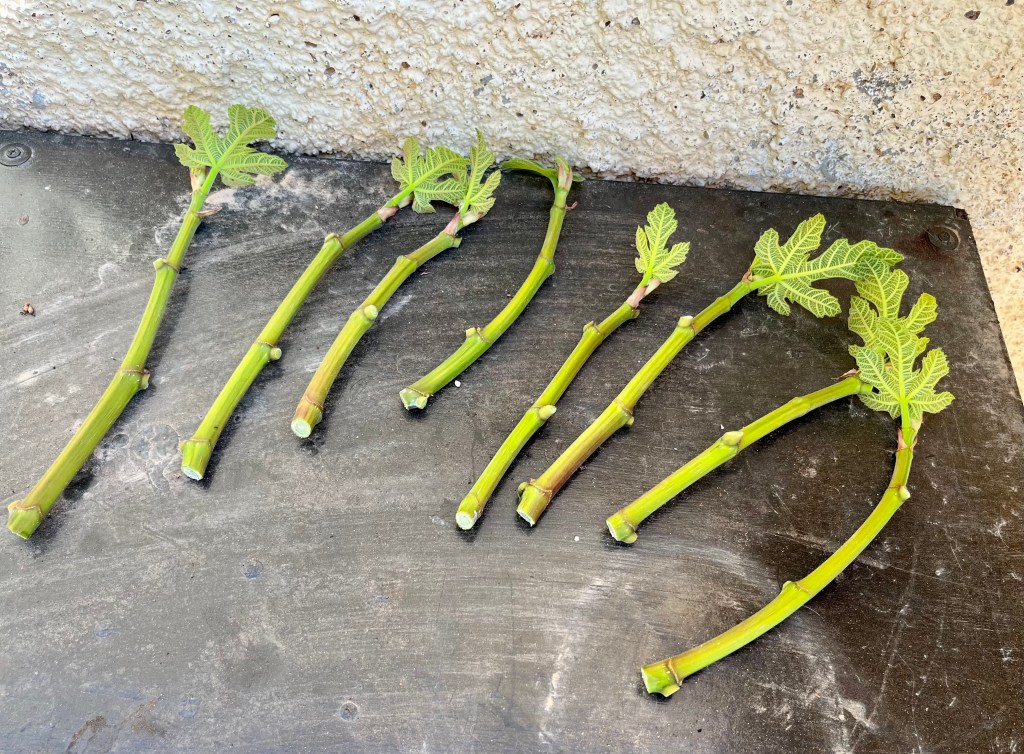
Taking fig cuttings. By now your fig tree should be putting on leaf and fruit at a great pace. This means there will lots of lush green growth which is ideal for taking cuttings. If you fancy a new fig tree for free, or would like to donate one to a friend, then now is the time to take a few cuttings.

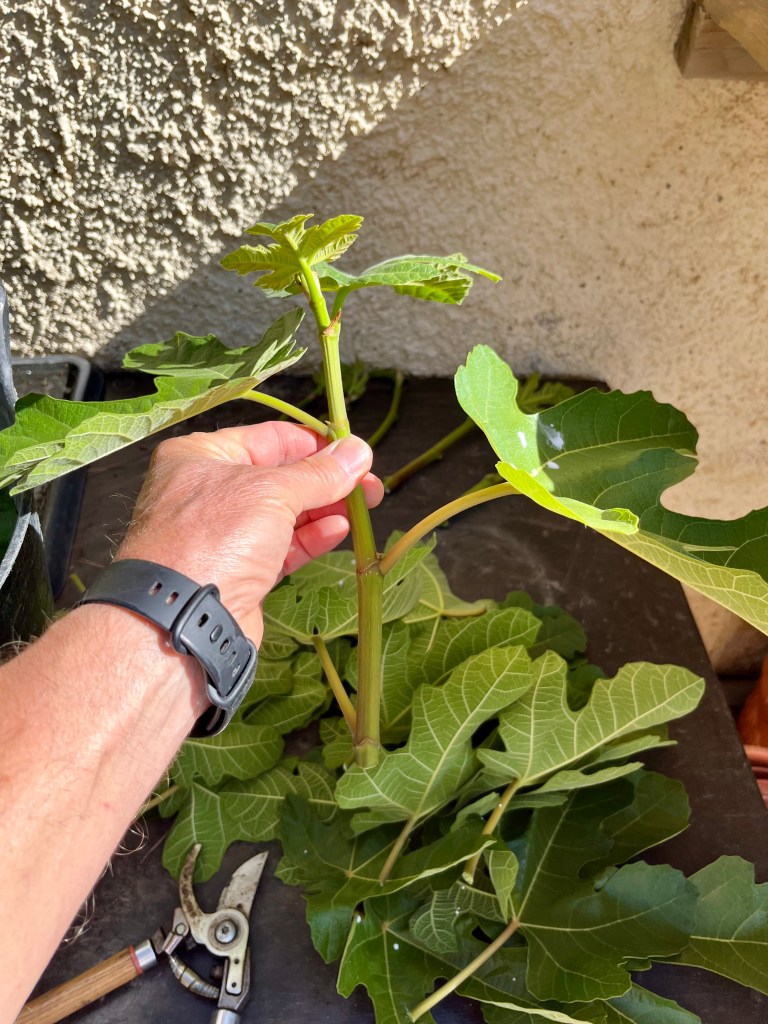
I must warn you that when taking fig cuttings at this time of year you have to be very careful of the white sap that will weep from the cut wound as this will be very caustic and can give you a nasty burn. But taking this into account and dressed accordingly in long sleeved T shirt and wearing gloves, all you need to do is select a lush non fruiting stem and cut just below a leaf node. See photo below.

Try and take a number of cuttings as this will give you a better chance of success. Once you have all your cuttings, take them back to your potting bench and remove all the leaves apart from a couple at the end of each stem. See photo below.

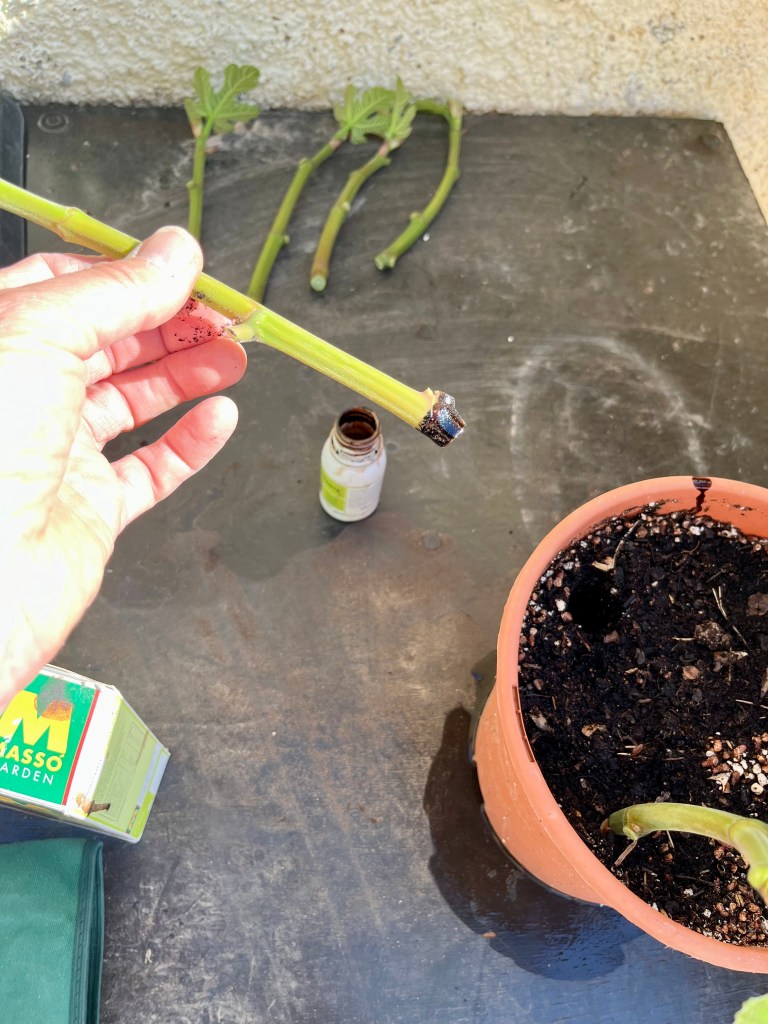
Once you have trimmed your cuttings up, leave them for a couple of hours in the shade so that the dripping sap can dry up. Once the sap has dried dip the end of each cutting into hormone rooting powder or liquid (this is not essential, but it helps). Plant each of the cuttings around the edge of a six inch pot, I usually plant four to a pot, but it is up to you. Finally place your potted cuttings in the shade on your potting bench and wait. Most will die, but hopefully some will sprout new leaves and give you a future fig tree. The first photo below shows the stems being dipped in rooting liquid, whilst the second shows the new cuttings in their new home ready to go into shade for a few weeks. Click on each photo for a larger view.

Planting out loofahs. Those of you who came to my open garden day were given some loofah seeds to plant, and hopefully you did? Loofahs are lovely plants, an annual that grows quickly as a climber, has lovely yellow flowers and as an end product you have a loofah to use in your shower as an exfoliant. What is not to like; Cruella’s Coven swears by my loofahs wart removing powers.

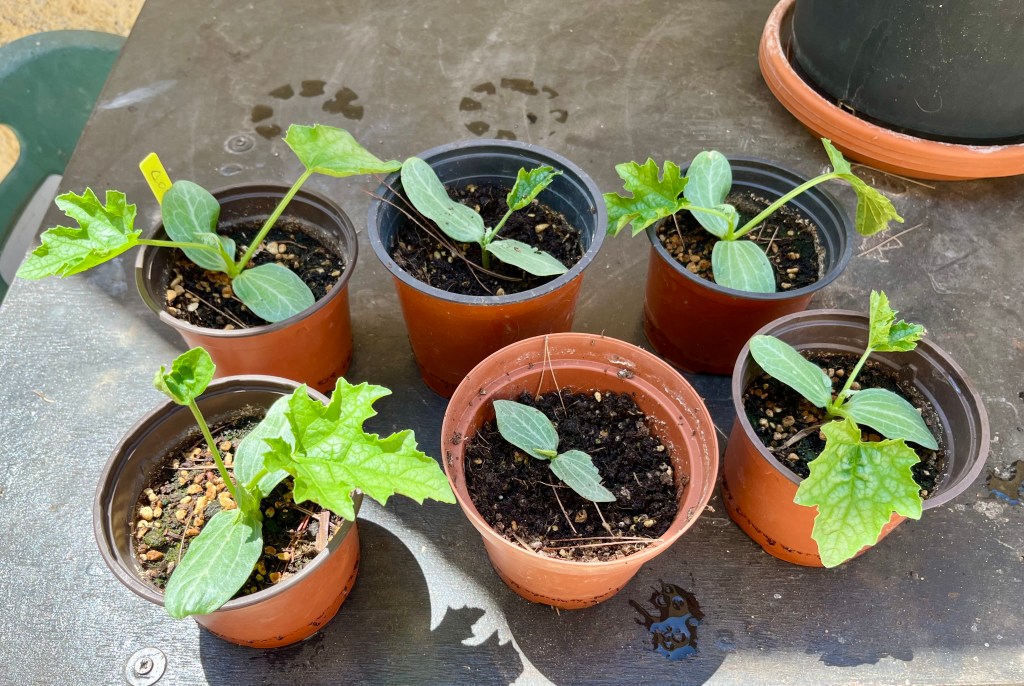
I planted some loofah seeds some time ago and it is now time to pot them on. The photo below shows my little seedlings ready for a new home.

The secret to success when potting on loofahs, is to recognise that they really don’t like their roots to be disturbed. I plant them two to a 9 inch pot, but before planting them I place each of the pots into the new pot and build compost around them, then I gently ease out the loofah beforecarefully slotting it into its newly prepared home. The first photo below shows them being prepared for their new pot, whilst the second shows the strong root growth after only a few weeks. Click on each photo for a larger view.

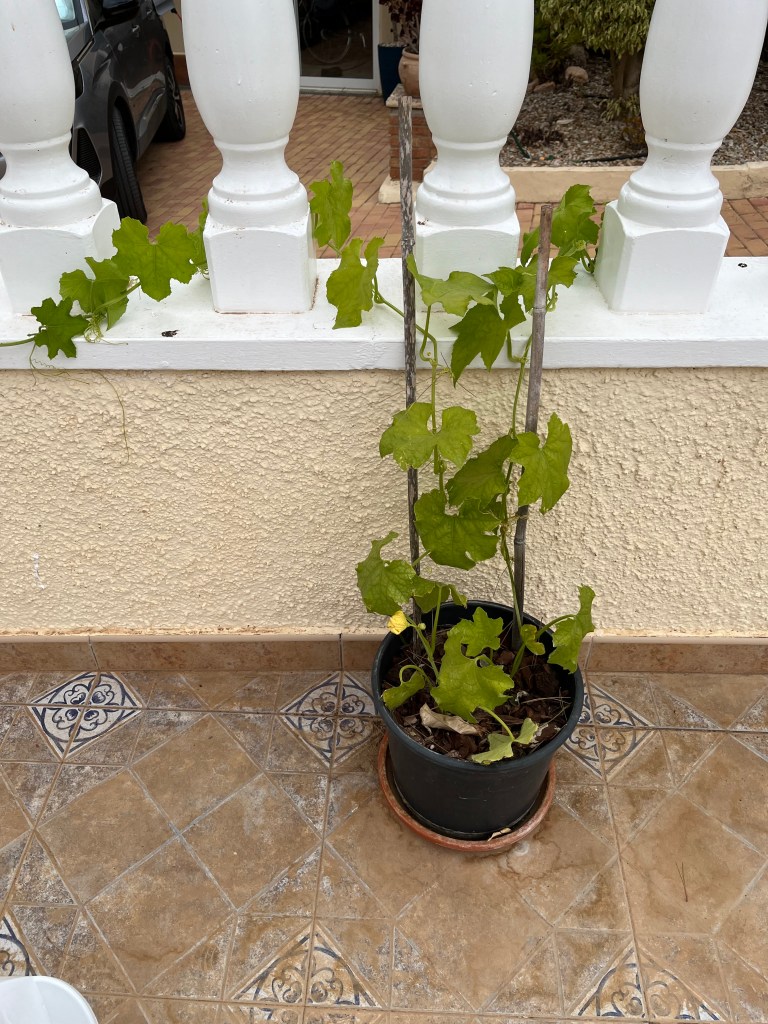
Finally a couple of photos of their quick growth. Each plant can grow up to 10 to 15ft and give you 8 or more fruits. Click on each photo for a larger view.

Trimming back to encourage new growth. By now most plants will have flowered and will happily go to seed if you let them. But if you want flushes of new flowers all summer, then don’t let them. Both perennials and annuals can benefit from deadheading and trimming.

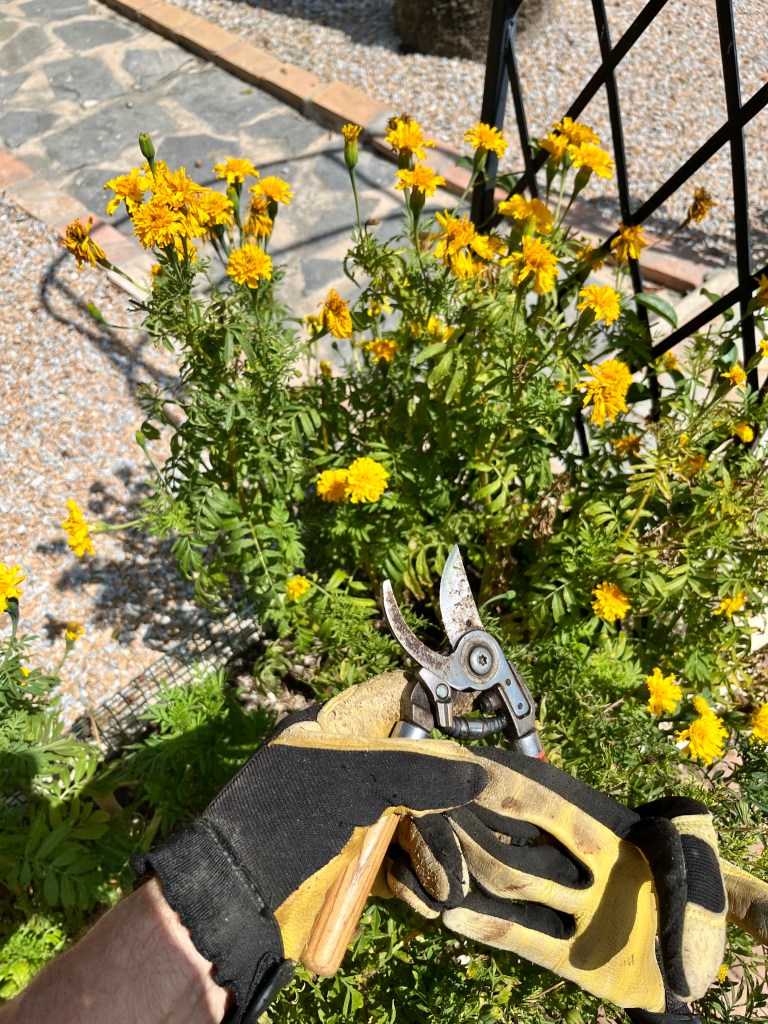
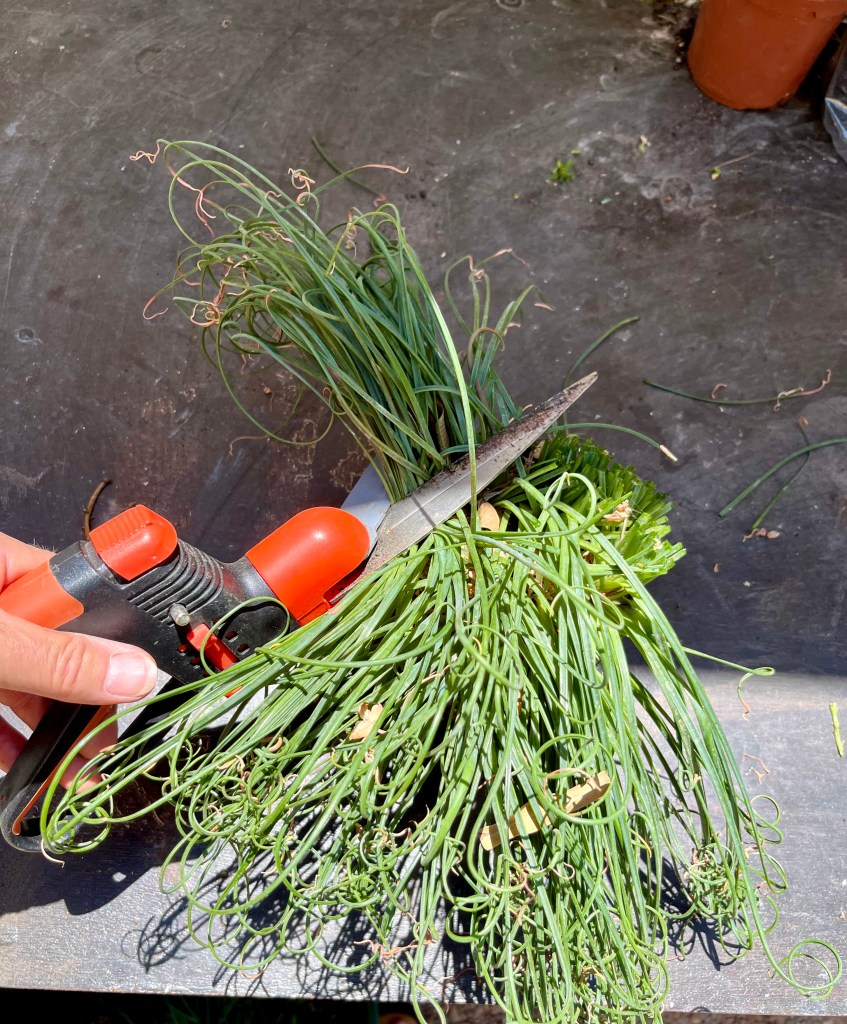
I have been deadheading roses daily for the past couple of months, but as yet have not started on the Marigolds. But look for those perennials that flower in a flush. Don’t bother with secateurs for flowers that all come at once; instead get your shears out and give them a hair cut.

The photos below show some of the plants I have been shearing starting with one of the most unusual “spiral grass”. Click on each photo for a larger view.

If you have multi head sunflowers, then take off the individual heads as they die back. But don’t forget to let the final flower head go to seed for the birds.

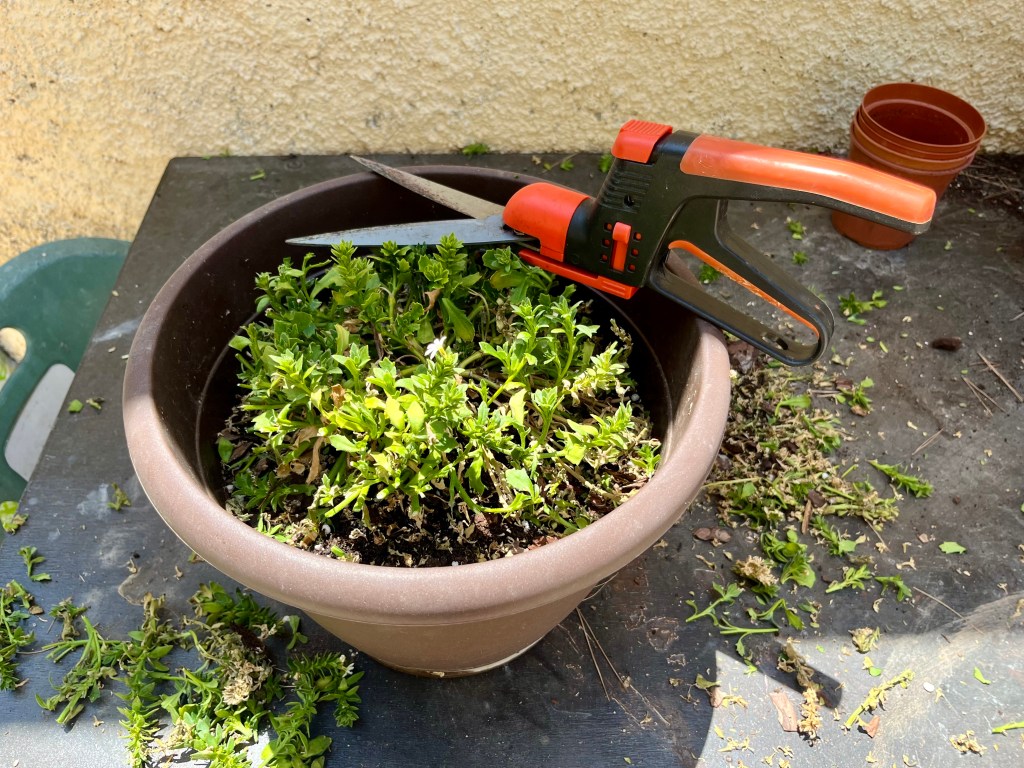
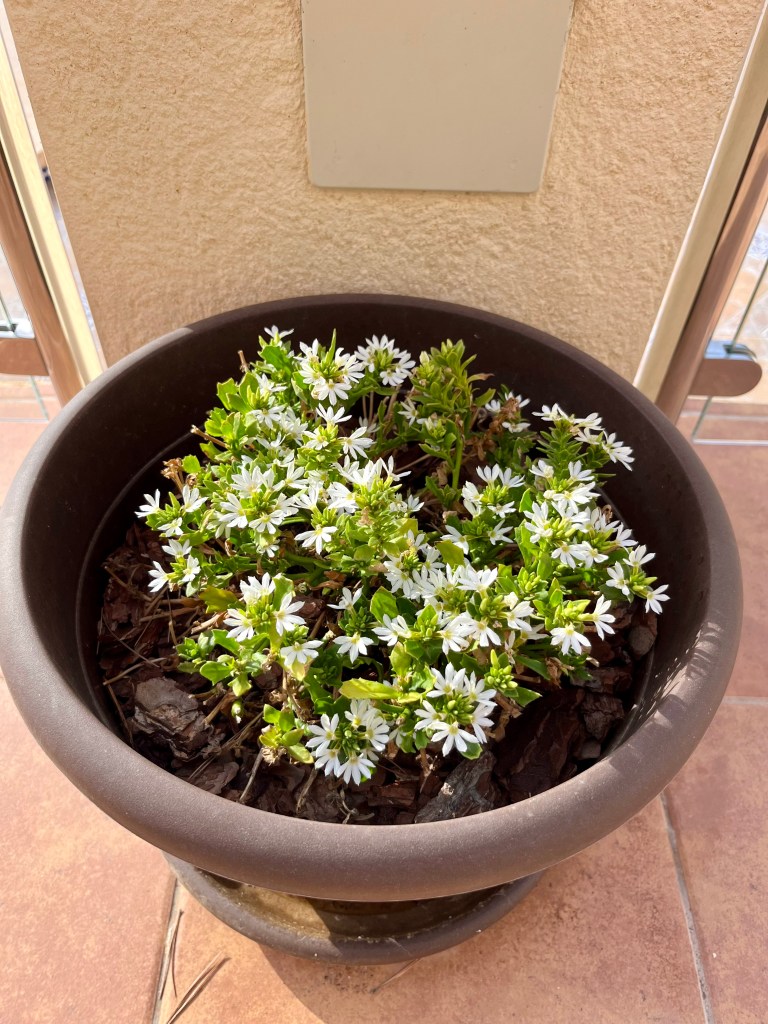
One of my favourites is the lovely Fairy Fan Flower. It flowers all in one rush and after the bloom has gone off trim all the flowers and you will get a second flush. The photos below show the plant after its trim and the successful second flush just coming through. Click on each photo for a larger view.

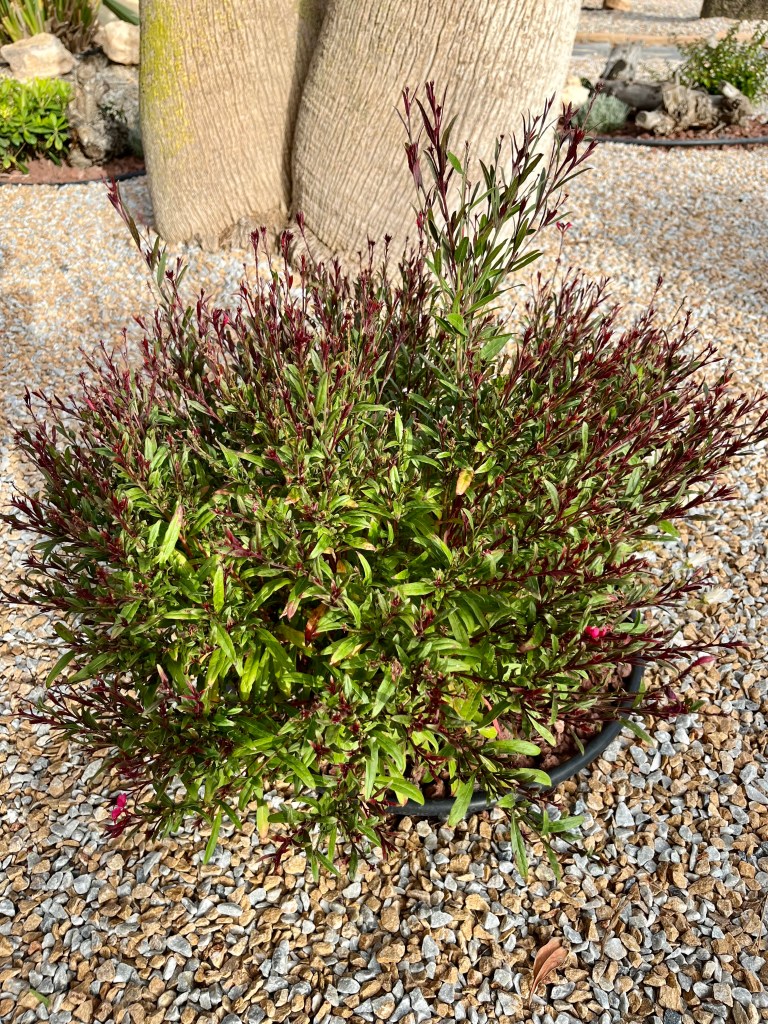
Gaura is another of those plants that benefit from the complete flush of flowers being taken off. Gaura, like Lavender, does not like you cutting too deep into the wood so just take off the flowers and the first bit of green. The cutback Gaura shown below will soon give me another lovely flush of flower spikes. Click on each photo for a larger view.

Trumpet vine and the Blackbird. Each year I take seeds from my Trumpet Vines and carefully set them aside to grow them in the Spring. Every year to date the seeds have failed; mainly my fault. But this year I eventually managed to get eight through to the seedling stage. When I came to prick them out and pot them on, I bought the best compost, mixed it with Perlite and prepared 4 inch pots for each seedling . This painstaking process can be seen in the photos below. Click on each photo for a larger view.

Once I completed this task I wandered into the house to boast to Cruella about my success. I swear I was in the house no more than 5 minutes before I went back to the potting bench. As I turned the corner to the potting bench I caught a flash of black wing before my eyes fell on the devastation. A blackbird had dug up all my new seedlings and thrown them around.

Crying out with anguish I rushed back into the house to ask Cruella if she knew anything about this. That must be “Shadowstrike” she said, “I told him he could play in the garden”. The devastation left by the stupid bird can be seen in the photo below. To make matters worse he now follows me round the garden smirking.

The chicken Olympics. It appears that whilst I was away Cruella (my wife) became concerned that her girls appear to be getting fat. At first she blamed it on ultra processed foods and has written to the WHO complaining. Then she lighted on the fact that wonder drugs can stop obesity, and tried to order Wegovy and Ozempic. The vet refused to prescribe them as he said she just needs to cut back their food. She stormed out shouting that she would not put up with fat shaming and would be reporting him to Weight Watchers.

Anyway, the end result is that she has started to train the chickens for the Paris Olympics. She has already written to the IOCC (International Olympic Chicken Committee). I told her chickens are not allowed in the Olympics, but she just said I was stupid and should just stick to gardening.

Cruella has bought herself a whistle, megaphone and stop watch and the chickens are now trained every morning. They start with leg stretches, which I entitled the “drumstick roll. This is followed by running around the garden in circles whilst chanting improving slogans in Chickenese. Their coop is plastered with self improvement slogans such as

  • Be best chicken you can be
  • Cluck your best and the rest will follow
  • Feathers high, spirits higher
  • Every day is a chance to spread your wings
  • Beneath every feather beats a strong heart
  • Find your flock, lead with pride

The photos below show you some of their early morning training sessions. Click on each photo for a larger view.

After two weeks of training and exhortation she asked me how I thought they looked. I said “they are still fat”. I’m sleeping in the shed with Tango the lonely blind Labrador and the big rat.

I am preparing for Open Garden Day and Cruella is preparing for ChickenFest 24; we both can’t be right!

It’s that time of year again when the good people in our village of Campoverde are persuaded by me to open their gardens to the public. As Cruella (my wife) is away at our English house pestering the idiot son I have been able to get on with things. The only slight hiccup is that she is determined that Open Garden Day should be retitled ChickenFest 24 and that her girls should take centre stage. I am not sleeping at night with worry, she is ordering special costumes from designers and she is calling it “Cluck Couture” she says she will be the next Victoria Beckham; I fear the worst. Anyway on with the gardening; more details about Open Garden at the end of this post.

11th May 2024. Things I have been doing lately:

There is lots to be getting on with in the garden as summer begins to make its appearance, including:

  • Cloud pruning your olive trees
  • Keeping up the deadheading with Dianthus and Chrysanthemum
  • Filling gaps in your hedges
  • Dealing with False Garlic
  • Admitting it has been a terrible season for seeds
  • Campoverde Open Garden Day

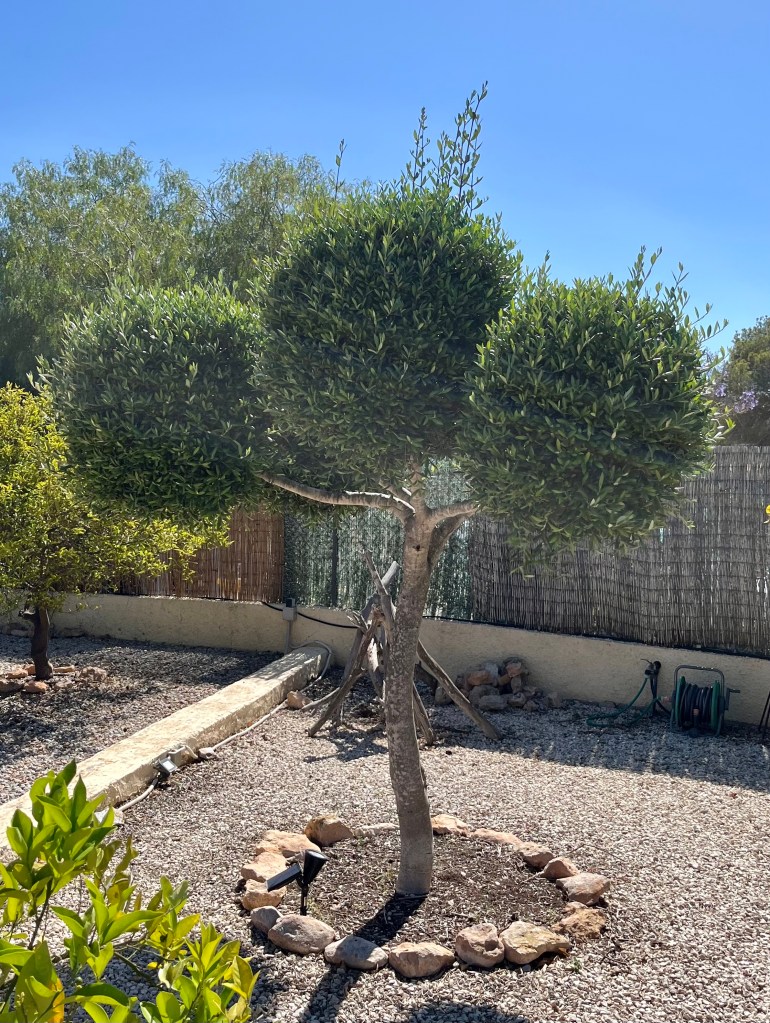
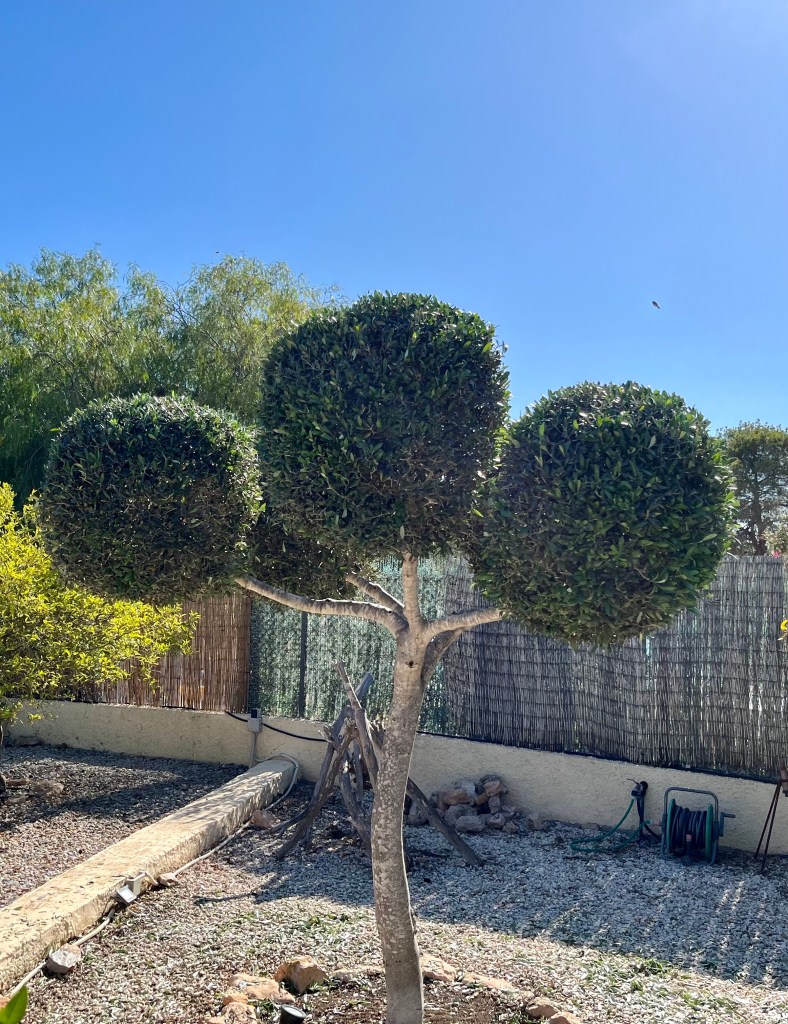
Cloud pruning olive trees. If you have olive trees and you don’t really use the olives, then you know what a mess they can make of your garden with squashed rotting olives mixed with bird poo. An alternative to this is to cloud prune your tree into an interesting shape that is aesthetically pleasing to you.

I cloud pruned my olive tree a number of years ago and once you have done the initial shaping, all that is required is to lightly reshape two or three times a year. The photos below show my olive tree before and after its short back and sides. Click on each photo for a larger view.

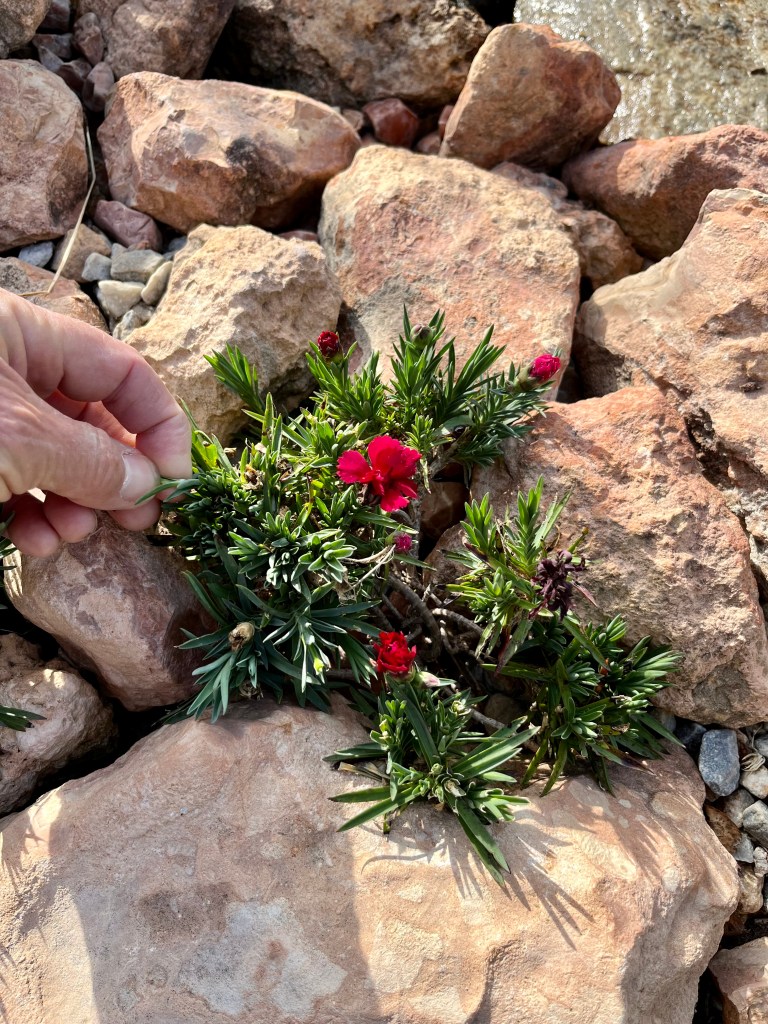
Keeping up the deadheading with Dianthus and Chrysanthemum. Although we are not at peak deadheading season you will still need to deadhead plants that are in flower if you want to see repeat flowering. Two early flowerers here in Spain are Dianthus and Chrysanthemum. Both are dealt with differently.

With Dianthus you should carefully nip out dead flowers using your thumb and forefinger. If you try to use secateurs then you will definitely damage the twin flower sitting beside the spent one. I have mentioned before about growing your thumb nails long in the summer, and this is why; your long thumbnails ensure you always have home grown secateurs with you at all times. The photos below show my thumbnails in action. Click on each photo for a larger view.

Chrysanthemum are different. Because they flower so lushly and in a dense flower formation you can be fooled into thinking that once the flowers start dying it is all over for another year. But this is not the case, if you push back the dead and dying flowers you will see another flush of little buds ready to come forward.

What you need to do, is on a daily basis snip off the dead flowers and a portion of attached stem to lower the flowering level to let light into the news buds. It is also a good idea to give the plant a good feed to encourage the new flush of flowers. The photos below show me exposing the next generation of lovely flowers. Click on each photo for a larger view.

Filling gaps in your hedges. Hedges are an important part of my garden as they provide a riot of colour throughout the summer. I have deliberately packed my hedges tight, as this forces them to fight for space, light and air, which in turn produces profuse flowering.

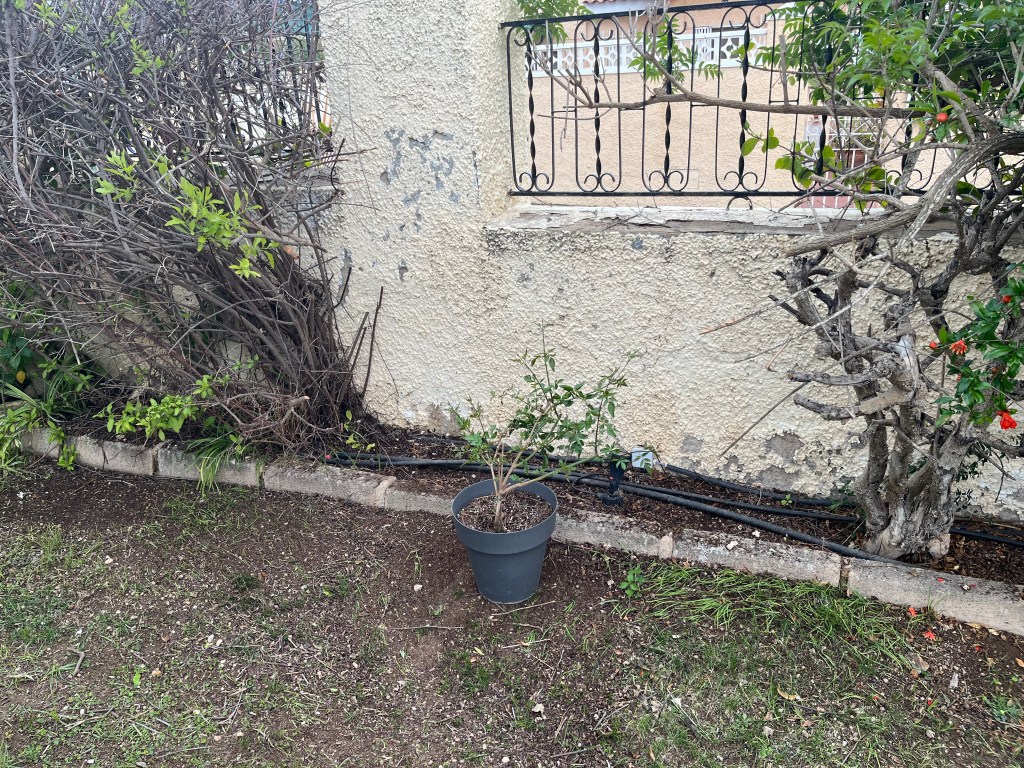
Unfortunately some times a plant dies (not often with hedges), but I recently lost a Plumbago which would have left a dead space in my summer hedges. Normally I would have had to take a cutting from an existing plant and grow it on, all of which would have taken time. Fortunately, my friend Pip from Church had a Jasmine which she was dissatisfied with and kindly donated it to me.

Normally I would be looking to plant hedging plants in November or at the latest January. But needs must. My starting point was to use a chainsaw to cut the new plant some breathing space within the hedge. This will allow it to get established this summer before the rest of the hedge comes rushing in. The photos below show the gap created. Click on each photo for a larger view.

Once I had made space then it was necessary to dig out a decent sized planting hole, fill it with water, let it drain and then dig in some good compost. Hedges are generally greedy feeders and they will deplete the soil, so it is necessary to give your new plant the best possible start by replenishing the soil. The photos below show the new plant settling in. By the end of summer the gap will be completely filled with hedges. Click on each photo for a larger view.

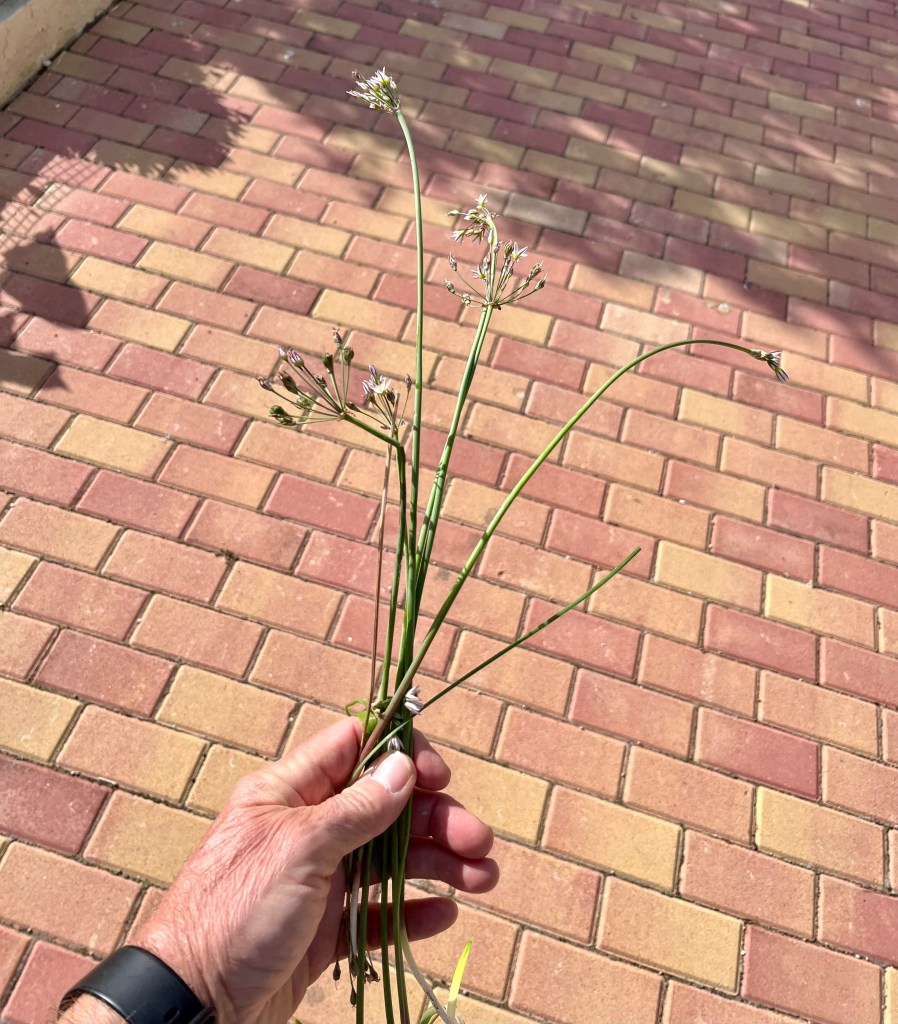
Dealing with False Garlic. False slender garlic is a weed. But, like many weeds it has a lovely flower. I don’t really mind it growing in the only lawn I have left (thank you chickens). But I don’t want it in my flowerbeds. If you are not in Spain this won’t be much of a problem to you. But here in Spain it is a pain (alliteration).

False garlic grows from a tiny bulb that in turn grows from a set seed. Short of digging the bulbs up up there is not much you can do. However, over the years I have found that by pulling the flowers out stem and all, you can gradually outcompete and exhaust the bulb. It is important that you pull out as much of the stem as possible. The plant has spent so much energy creating the stem, so when you remove it, it exhausts the bulb trying to grow another. It may take years but you will eventually win the war. The photos below show me involved in a minor skirmish. Click on each photo for a larger view.

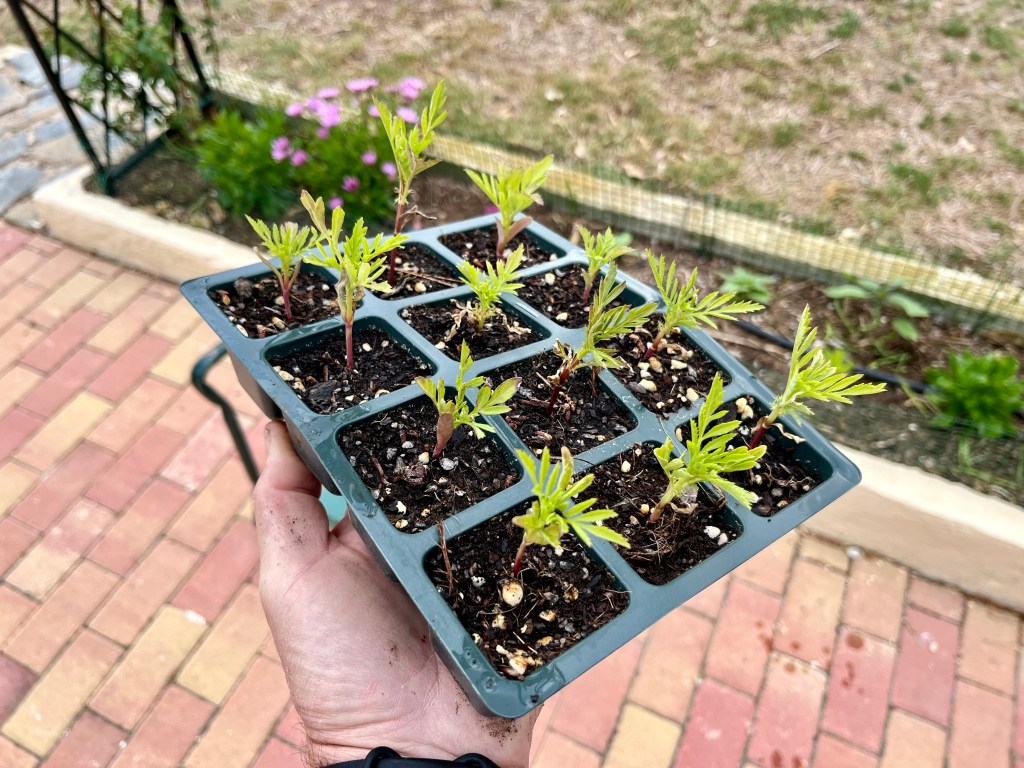
Admitting it has been a terrible season for seeds. I don’t know about you, but it has been a terrible year for seeds. Everything has either not germinated, or if it has the seedlings are scrawny little things. Normally at this time of year my potting bench would be filled with trays of healthy seedlings waiting to take their place in the garden.

Currently everything I have is now planted in the garden, and even then they do not look that healthy. Apart from the early season chicken sabotage, it has just been one of those years. The photos below show my seedling season ending with a whimper. Click on each photo for a larger view.

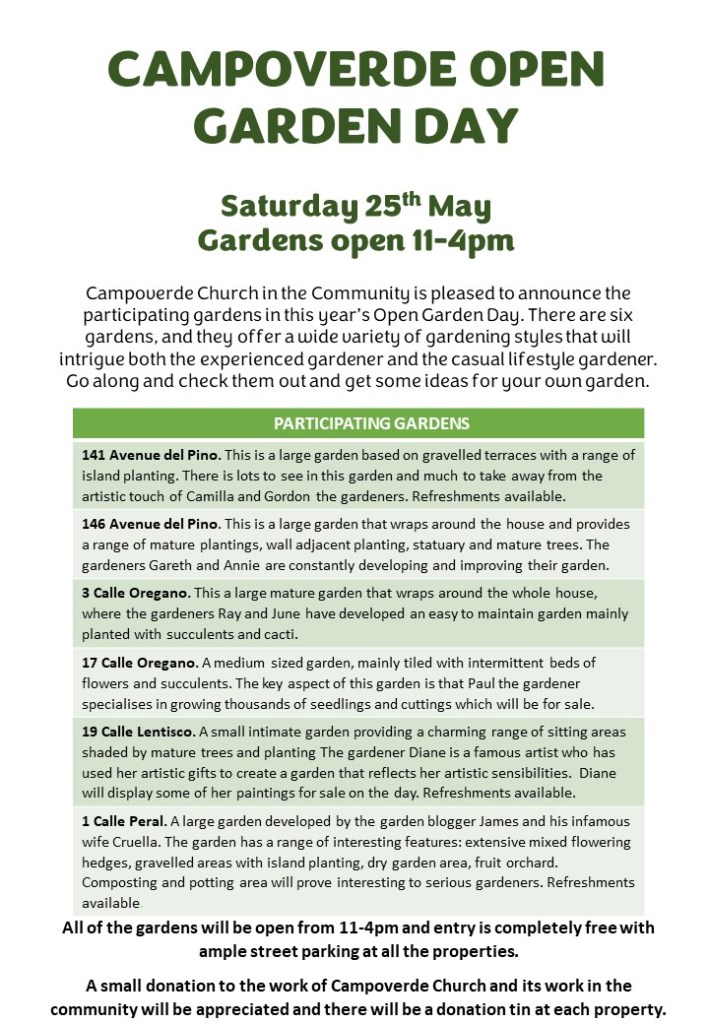
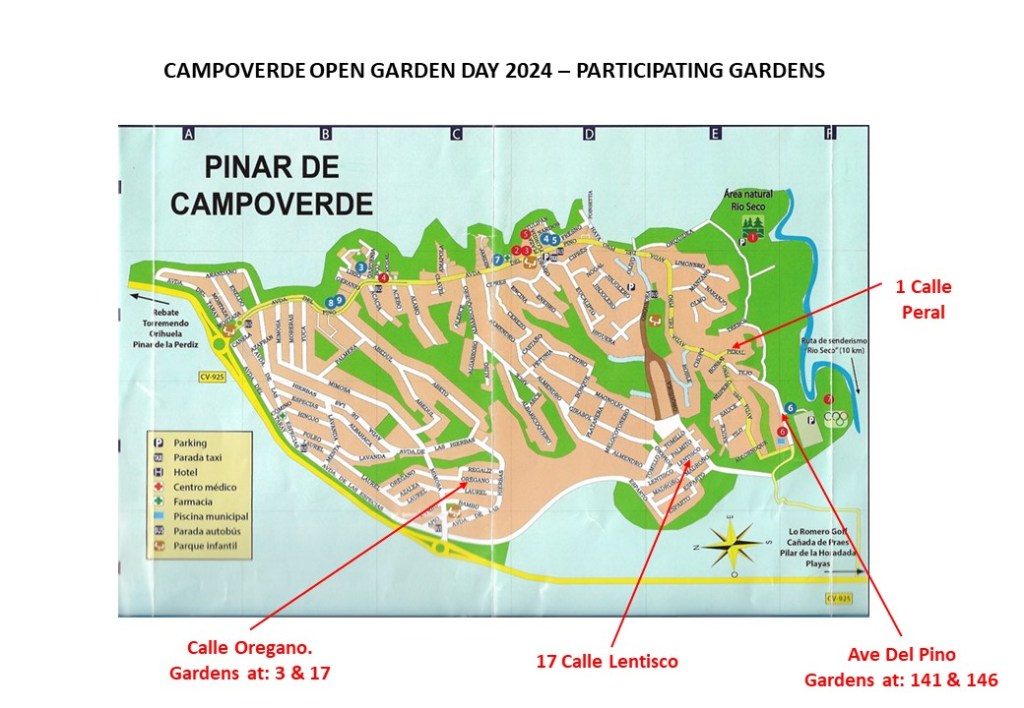
Campoverde Open Garden Day. Yes, it is that time of year again when I want you all to come along and have a wander around some of the nice gardens here in Pinar de Campoverde. This is not a competition and these are not show gardens, but just some local people who are keen gardeners opening their garden for the day for a good cause. All the details are shown below, and you will have a lovely day.

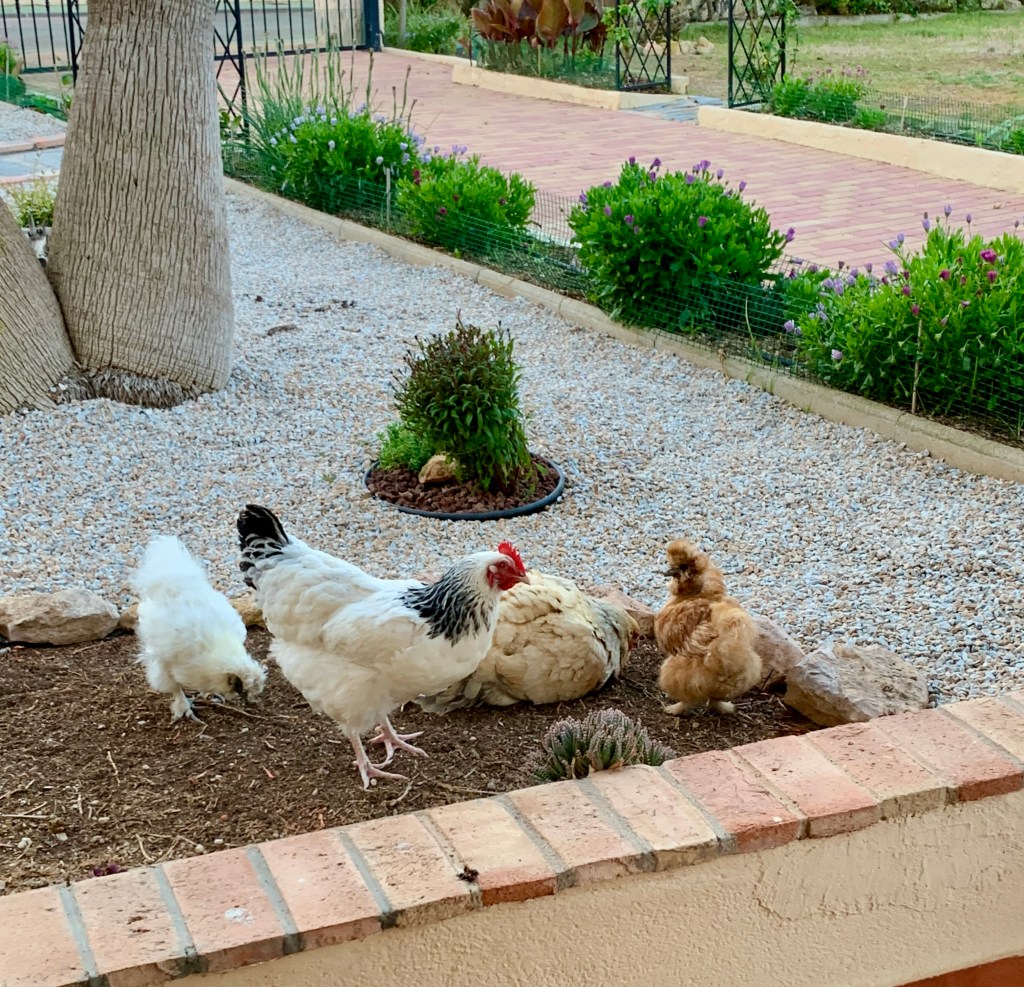
The only problem I am still having to deal with is Cruella (my wife) insisting that the day should be turned into ChickenFest 24“a clebration of all things chicken”. I mentioned earlier that she is ordering some special costumes for “her girls”, so called Cluck Couture. She has been emailing me asking me to measure her girls so she gets the right sizes. I have tried my best but to be honest I don’t know where a chicken waist is.

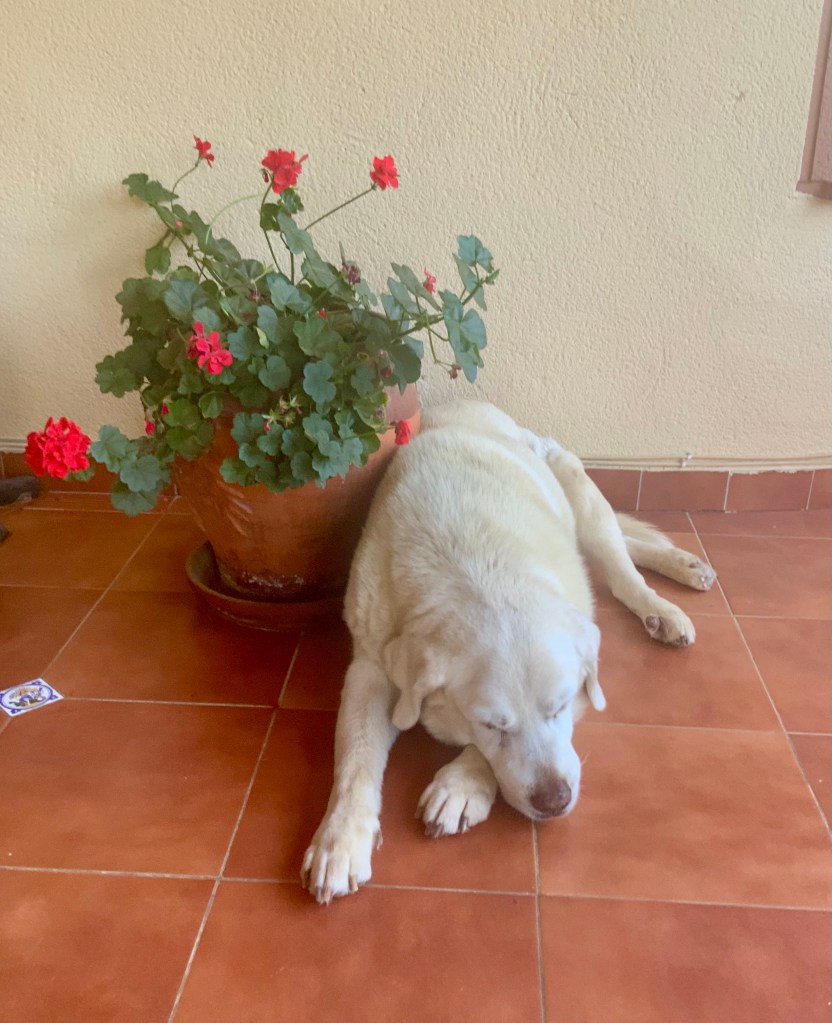
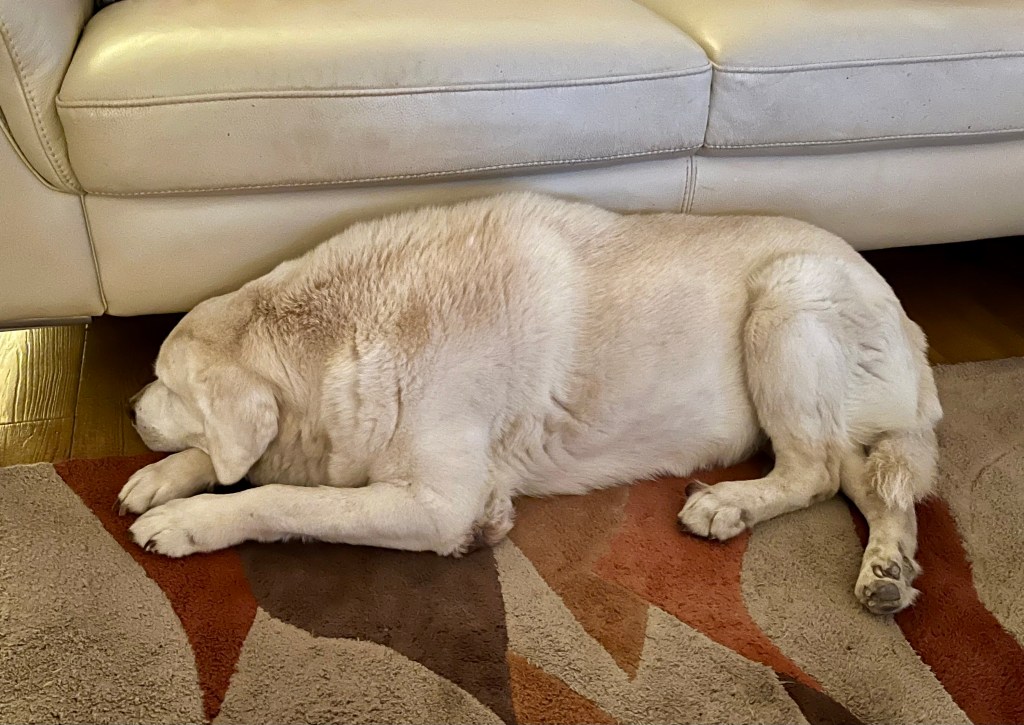
Tango the lonely blind Labrador asked me to ask her if he was to have a special costume for the day. When I asked her she just laughed and said “I’m not wasting any money on that blind mutt”. When I told him he wasn’t to have a costume, he tried to put a brave face on it, but tears sprang into the corners of his little milky eyes and dropped off the end of his nose.

Anyway the upshot of it is that I am trying to run him up a costume from some old compost sacks. It may not be much, but at least he will have a cape and a little flower pot hat. The photos below show the bloody chickens waiting to be measured up for their Cluck Couture and poor Tango the lonely blind Labrador dreaming of his costume. Click on each photo for a larger view.

Oh, I nearly forgot below are the details for Campoverde Open Garden Day. I look forward to seeing you there.

Early deadheading and I set up chicken demarcation zones

I haven’t been able to blog for a few weeks as I have been locked in negotiations with Cruella (my wife) relating to the establishment of chicken demarcation zones in the garden. To be honest with you I am a mere pale shadow of myself, I have been the subject of constant vilification, I have had garden sit ins by angry chickens, I am not sleeping at night and Cruella has just told me I am to be the subject of an enquiry by the UN chicken rapporteur.

Anyway, let’s talk about some gardening, the chicken stuff I will explain at the end of this post.

30th April 2024. Things I have been doing lately:

  • Spring deadheading
  • Cleaning out ornamental grasses
  • Restructuring my garden with chicken demarcation zones

Spring deadheading. We often associate deadheading with the height of summer, but in fact there is lots you can be getting on with now, but you have to do it the right way or you will not get the best out of your plants next year. The plants you should be looking to deadhead now, include:

  • Roses
  • Spring bulbs
  • Ice plants
  • Aeoniums

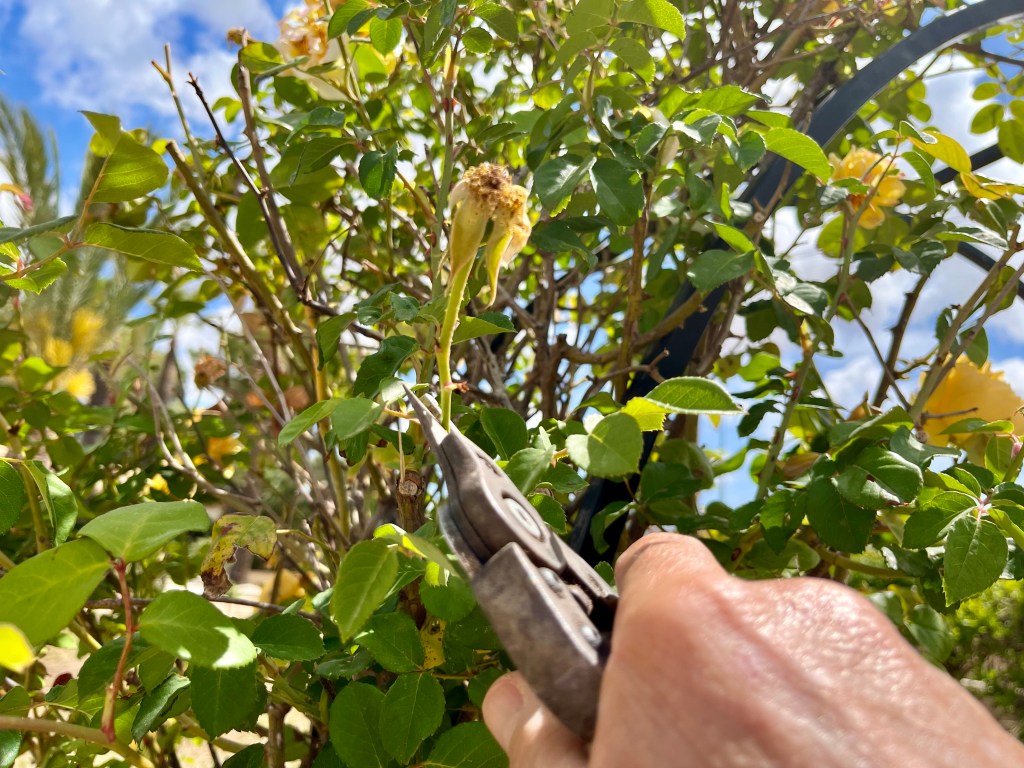
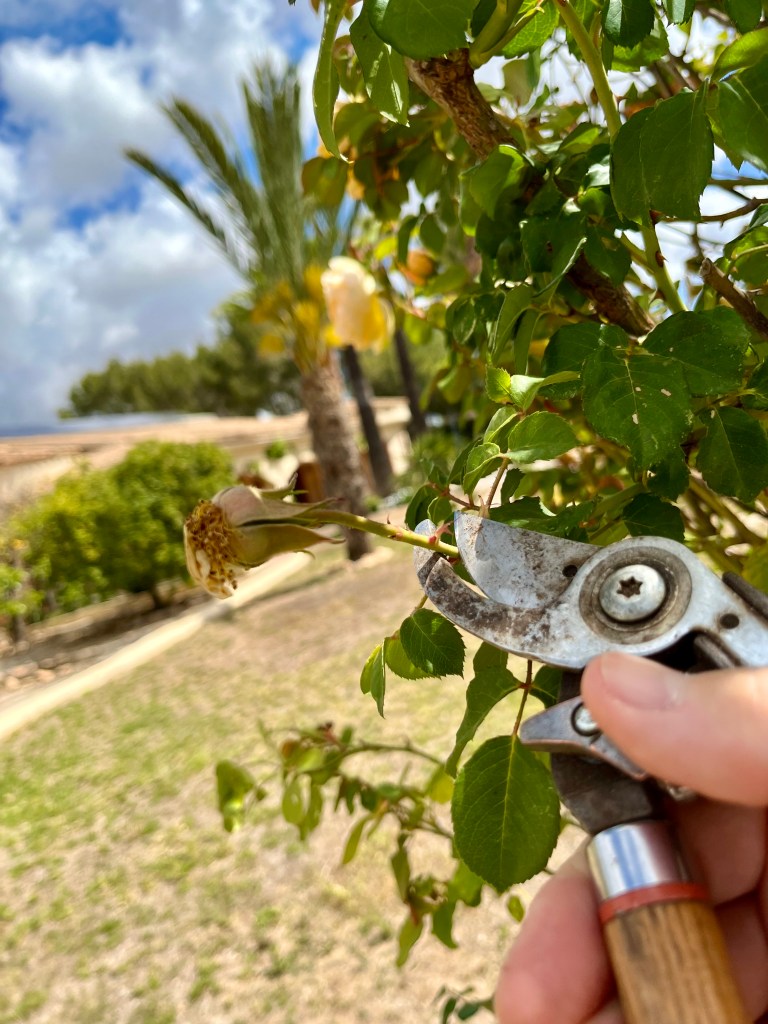
Roses. With roses even at this time of year you should be looking to deadhead on a daily basis. Regular deadheading will reward you with fresh flushes of roses (depending on the type of rose). With roses all you have to do is use sharp secateurs to cut just above the next leaf node on the stem with the spent rose. Don’t be tempted to cut just below the spent flower as you will leave dead stem that not only looks ugly but both hinders repeat flowering and can act as a vector for disease. The photos below show where to deadhead. Click on each photo for a larger view.

Spring bulbs. Most spring bulbs will have finished flowering by now and they need deadheading. With bulbs it is important that you leave the stems and foliage to die back naturally ensuring that they release their last bits of energy back into the bulb for next year.

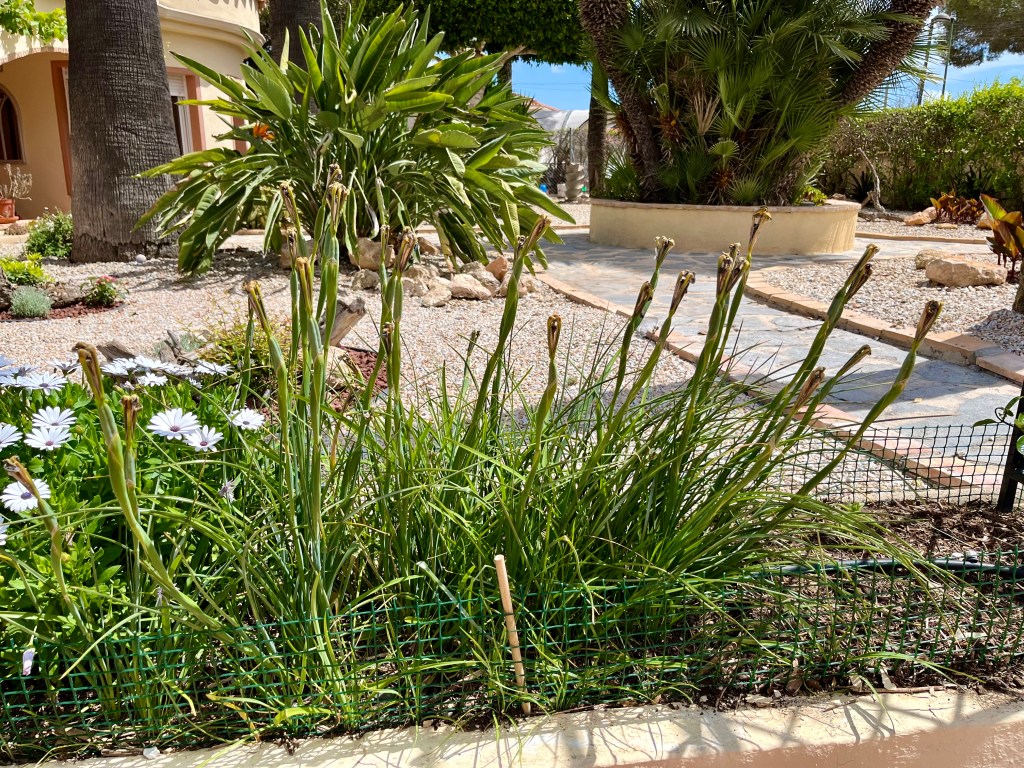
The first thing you need to do is to cut off the seed head. This consists of the dead flower and the bulge just below it on the stem. When you have cut the flower off then you need to leave the foliage to die back till it goes nicely brown. This can look untidy for a few weeks, but it is worth it to plump up your bulbs. Do not be tempted to tie the foliage into a knot which became fashionable a few years ago. If you do this then you are effectively cutting off the supply to the bulb. In just a few weeks time you can cut the dried foliage off right to soil level and plant over the area.

The first photo below shows some of my Spanish Irises ready for deadheading. The second photo shows where to cut them and the final photo shows how they will be left for a few weeks. Click on each photo for a larger view.

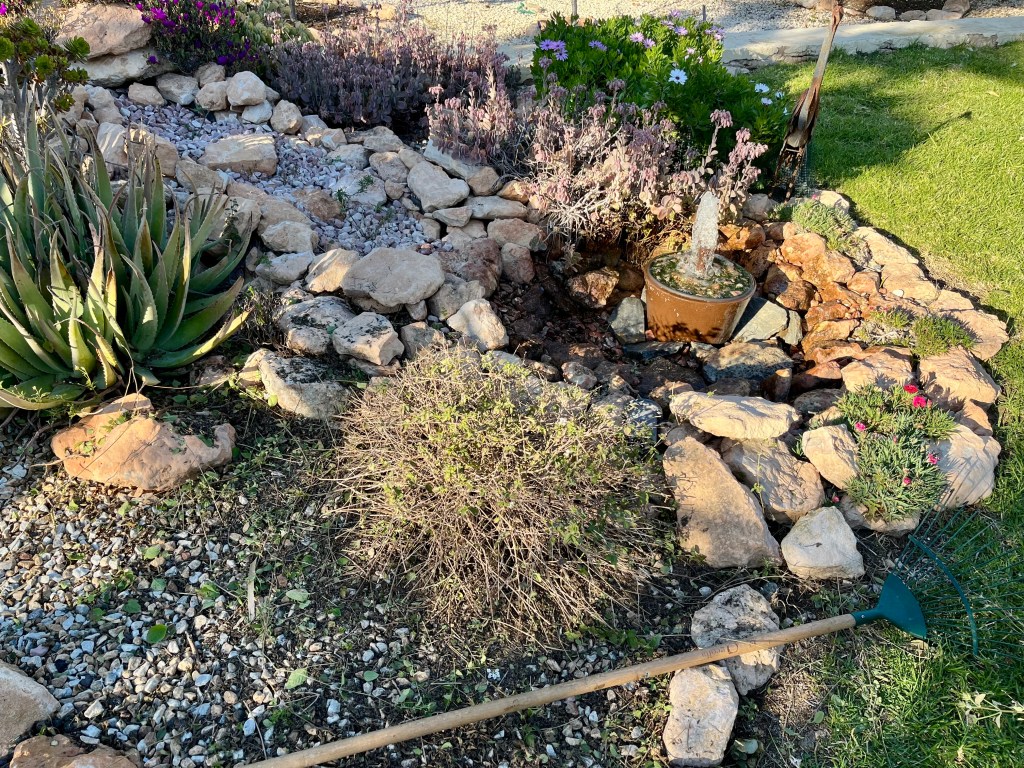
Ice plants. Are a spring favourite here in Spain and their early blossoms brighten up the spring garden. If you want to encourage profuse flowering in your plant next year and possibly be rewarded with a new flush of flowers this year, then you need to deadhead now.

To deadhead Ice plants you preferably need to replace your secateurs with shears or single handed lopers. If you look at the plant you will see that you have hundreds of little round spent flowers. You need to carefully shear these off making sure – if possible – not to damage the foliage or the existing flowers. It is a bit like going to the hairdressers and having a light trim all over.

The first photo below shows some of the ice plants around my water feature ready for their light trim. The second shows the trim in process. Remember try not to cut into the foliage. Click on each photo for a larger view.

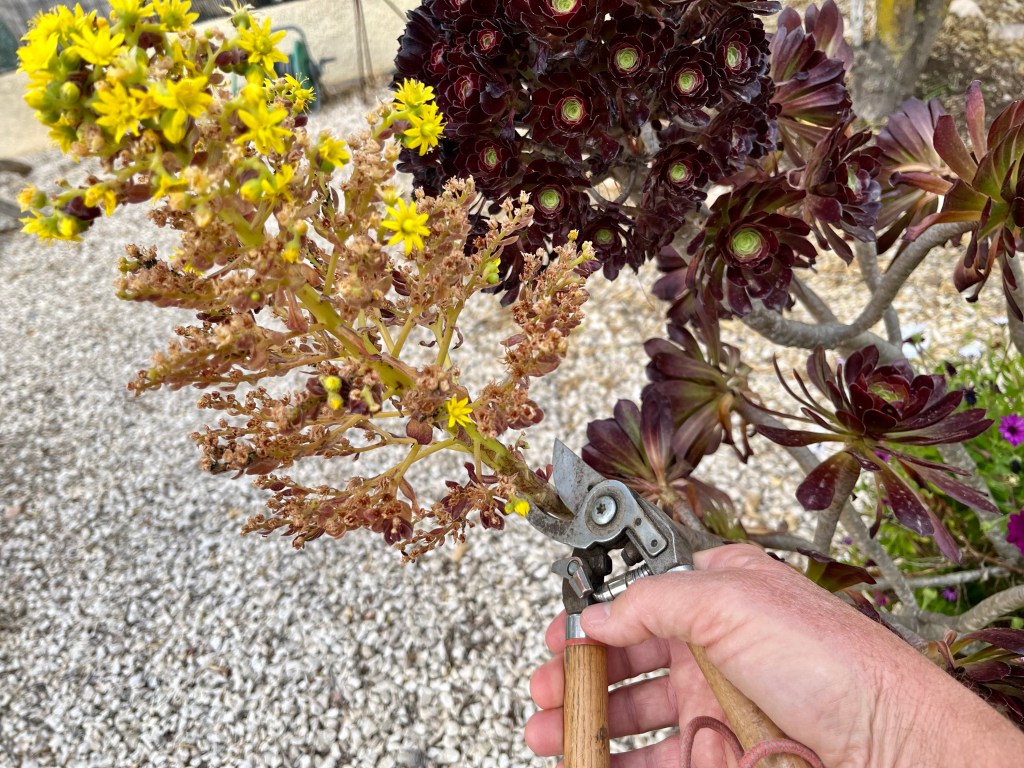
Aeoniums. These are plants that provide year round interest in Spain. They are undemanding, and unpretentious yet in a subtle way quite showy. In my garden I have the two basic types the Verdi (green one) and the swartzkopf (chocolate). For most of the year these plants will provide structural interest in your garden, then suddenly they turn from ugly duckling to society beauty by throwing out a lovely yellow flower spike. See photo below.

Once these flower spikes have started to fade you need to cut them off from the stem. This is quite simple, all you need to do is look under the fading flower and you will see that the stem has begun to narrow in some cases quite dramatically. What is happening is the plant is getting ready to shed the flower by starving it of nutrition thereby encouraging it to drop off. All you need to do is cut the stem with your secateurs just below the narrowing part of the stem and that is it. The plant will seal the cut and carry on growing. See photo below.

Ornamental grasses. Ornamental grasses are often chosen by gardeners because they assume that as they are grass they will provide problem free plants. But this is not always the case. Grasses need a lot of water in Spain. They also suffer from dead centres and have to be separated every 5 years or so. Lastly, they need to have last years dead grass cleaned out or it will choke this years growth and look unsightly.

This is a simple process, you just need to put your garden gloves on and pluck away at the dead grass with an upward sharp tug. The properly dead grass will come away and leave you with growing space that lets in light and air for your new growth. The photos below show me happily plucking away at some of my grasses. Click on each photo for a larger view.

Restructuring my garden with chicken demarcation zones. From the introduction to this post you can see that I have been having major problems with Cruella (my wife) and her chickens, all of which have suddenly come to a head. Regular readers of this blog will know that Cruella and her 4 chickens have wreaked havoc on my garden.

This has caused arguments, tears, threats of violence and witchcraft. Cruella has regularly cited international bodies that are on her side, in the past this has included the EU, the UN the ECHR and even NATO. Recently she said that we should be spending at least 2.5% of our income on her chickens she quoted NATO and Rushi Sunak.

The end result of protracted wrangling is that I eventually prevailed upon Cruella and her chickens that we needed clear demarcation zones in the garden where the chickens can peck (destroy). All of this only came about as our previous two smaller lawns had been picked up by NASA satellites as expanding areas of desertification. The photos below are worth a thousand words. Click on each photo for a larger view.

I started by marking out the areas that would be returned to gardening and two clear zones where the chickens could peck. To say this was controversial is an understatement. Every time I marked out an area Cruella and the chickens would protest and mark out a much larger area. Further days were lost by lines being marked and then crossed out overnight. Cruella and the chickens even staged sit-ins at various times to stop me getting on. When I tried to move them they all went limp and made me drag them out of the way, and as I moved each one the others rushed back in. The photos below shows some of the chaos. Click on each photo for a larger view.

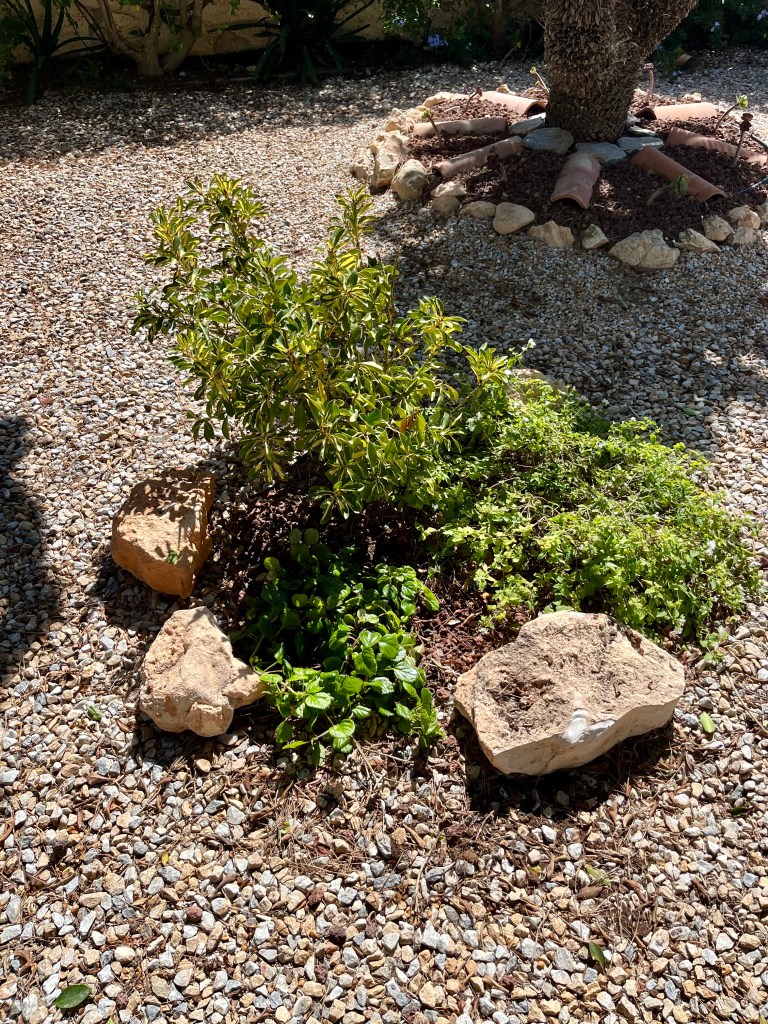
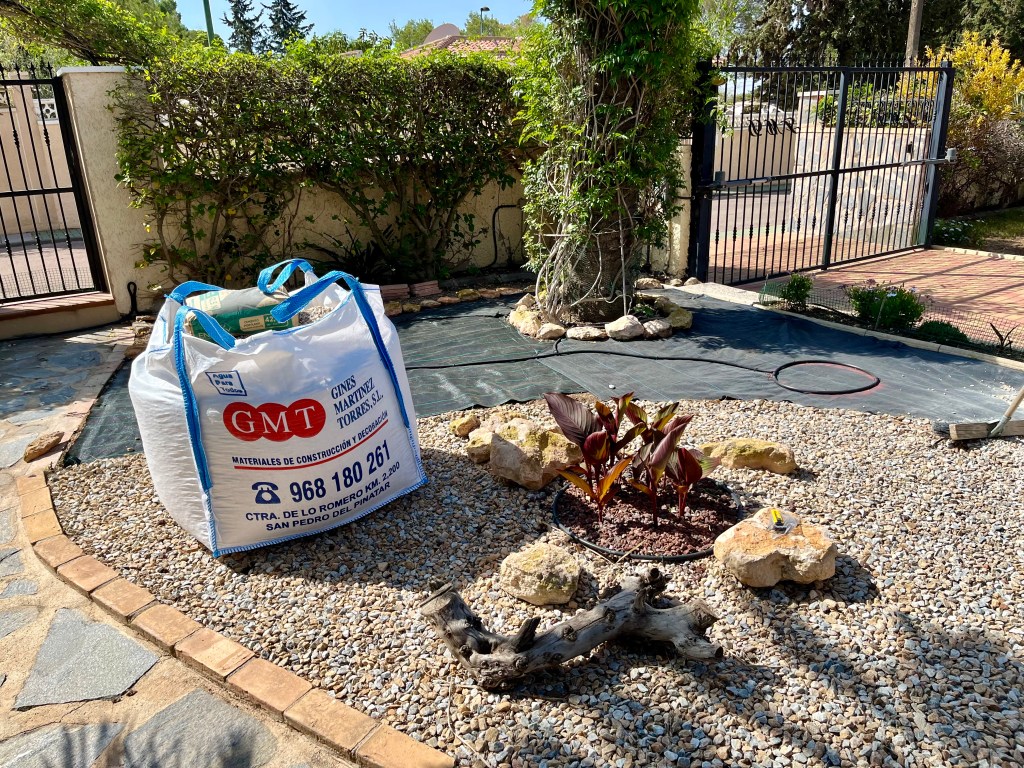
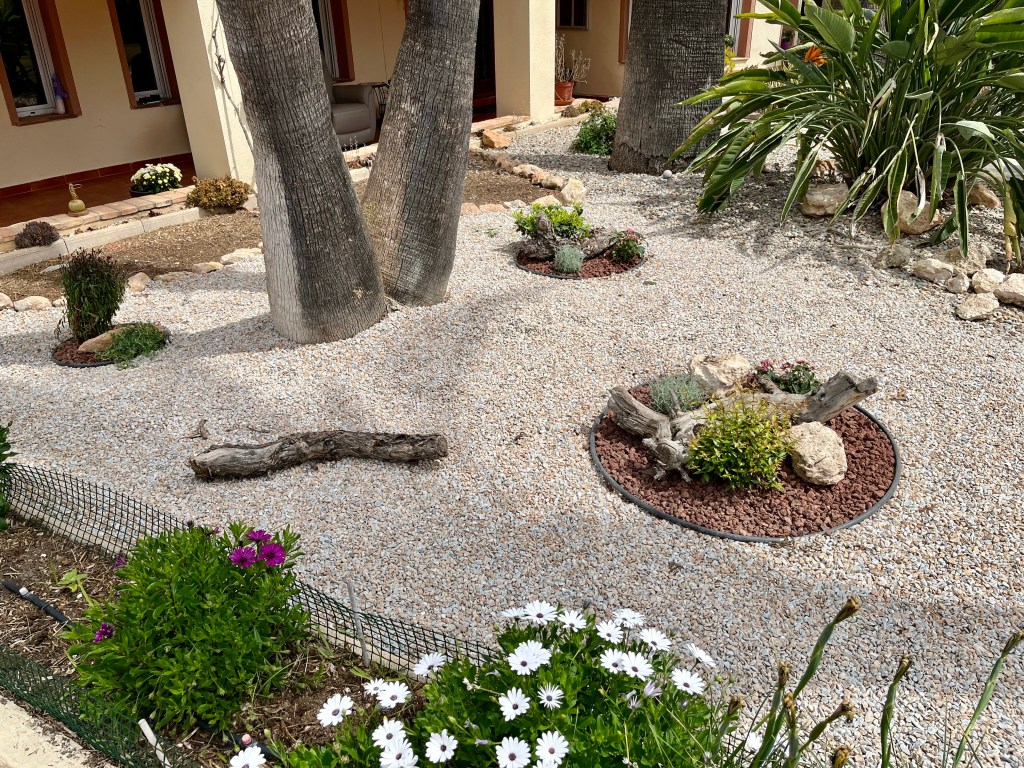
I am only telling you all this not because I am seeking your sympathy, but rather because there is a good gardening point here. Too often in Spain people cover their garden with acres of unsightly gravel, for the practical purpose that it makes it all easier. However, this turns many gardens in Spain into what looks like giant car parks. You don’t have to do this, and even if your garden is already like this, then why not take the opportunity to brighten and refresh your garden with island planting.

At its simplest island planting means creating beds of greenery within your gravelled areas. The benefits of this are so obvious I am not even going to make the point. Instead, if you want to create islands of greenery then this is how to do it.

There are 6 key stages to creating islands in gravelled areas.

  • Mark out the overall area with ground spray paint
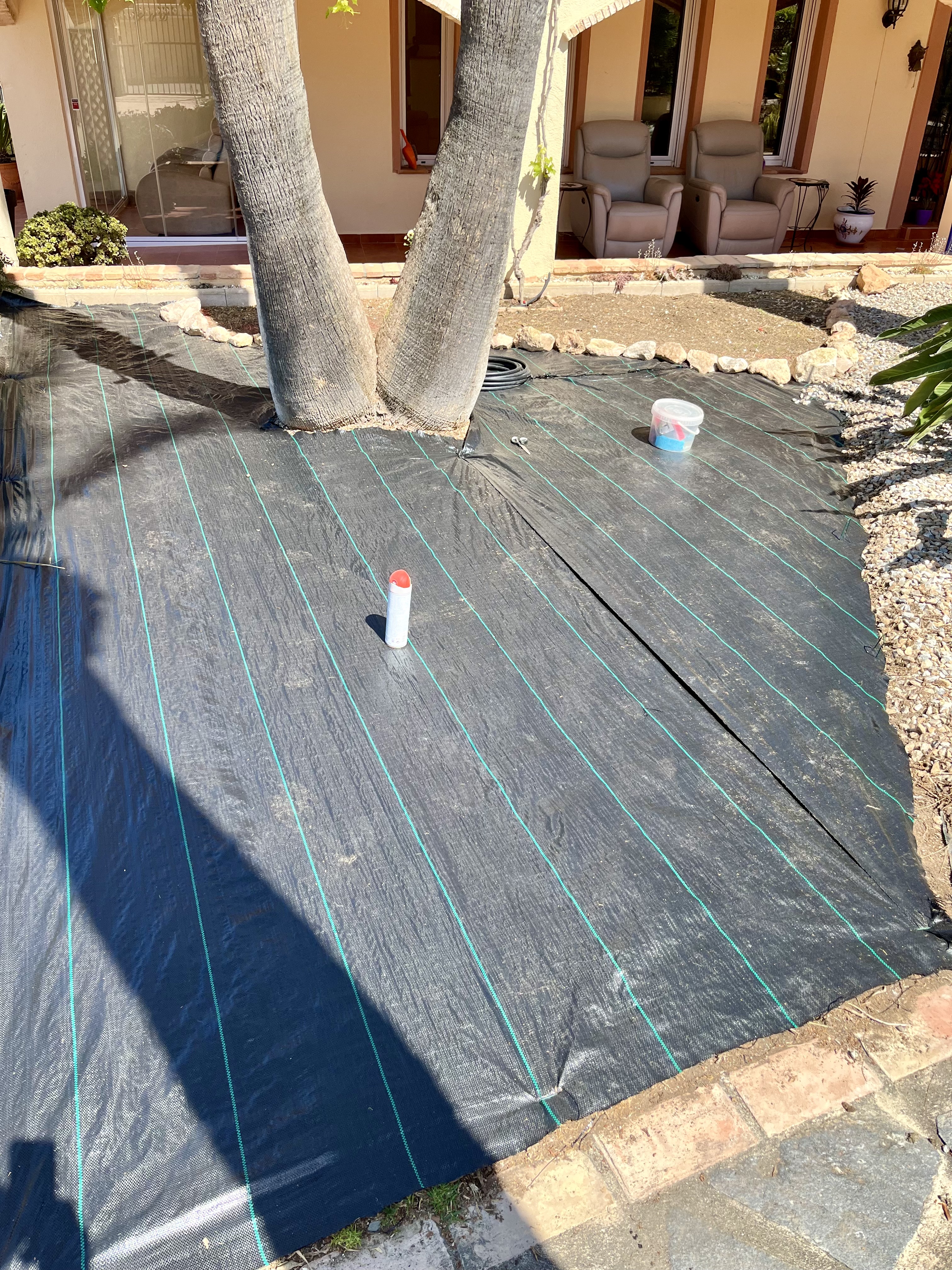
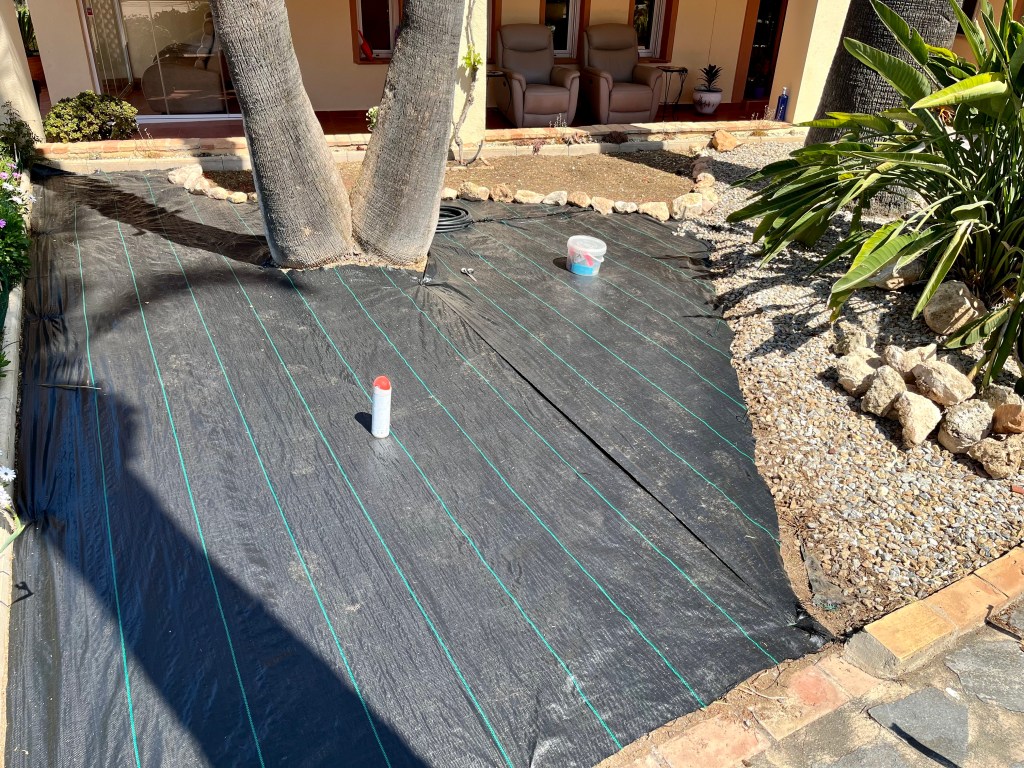
  • Apply weed suppressing membrane
  • Mark where you want your island beds directly onto the membrane
  • Connect up irrigation if appropriate
  • Cover with gravel; or push back existing gravel
  • Cut through membrane to create beds and plant up

Mark out the overall area. Think carefully about the size of area you are going to gravel as you will have to live with it. The photos below show the tools for the job, plus early attempts at agreeing area size. Click on each photo for a larger view.

Apply weed suppressing membrane. It is important that you buy good weed suppressing membrane. You are hopefully only going to do this once so make sure you don’t buy cheap stuff that tears and splits. The photos below show various stages of applying the membrane. If you are planting beds in existing gravelled areas then make sure you pull the gravel much further back than your island beds, so that you can pull it back when you are finished. Click on each photo for a larger view.

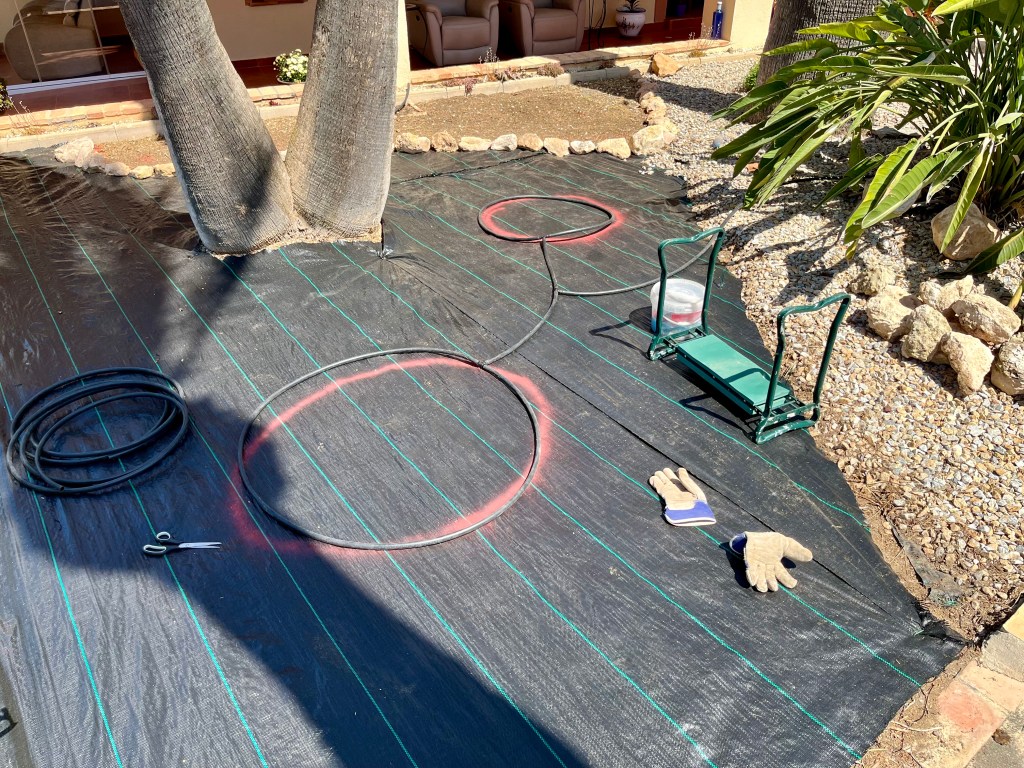
Mark where you want your island beds directly onto the membrane. This is an important stage so it is worth not only thinking carefully about it, but marking and then waiting 24 hours to think again. Using the ground paint mark out the shape you would like for your island beds. In my case I wanted different sized circles. It is also useful to place objects where you think you want your beds and then walking around and looking at them from different angles to make sure your happy with your sight lines. The photos below show this process in action. Click on each photo for a larger view.

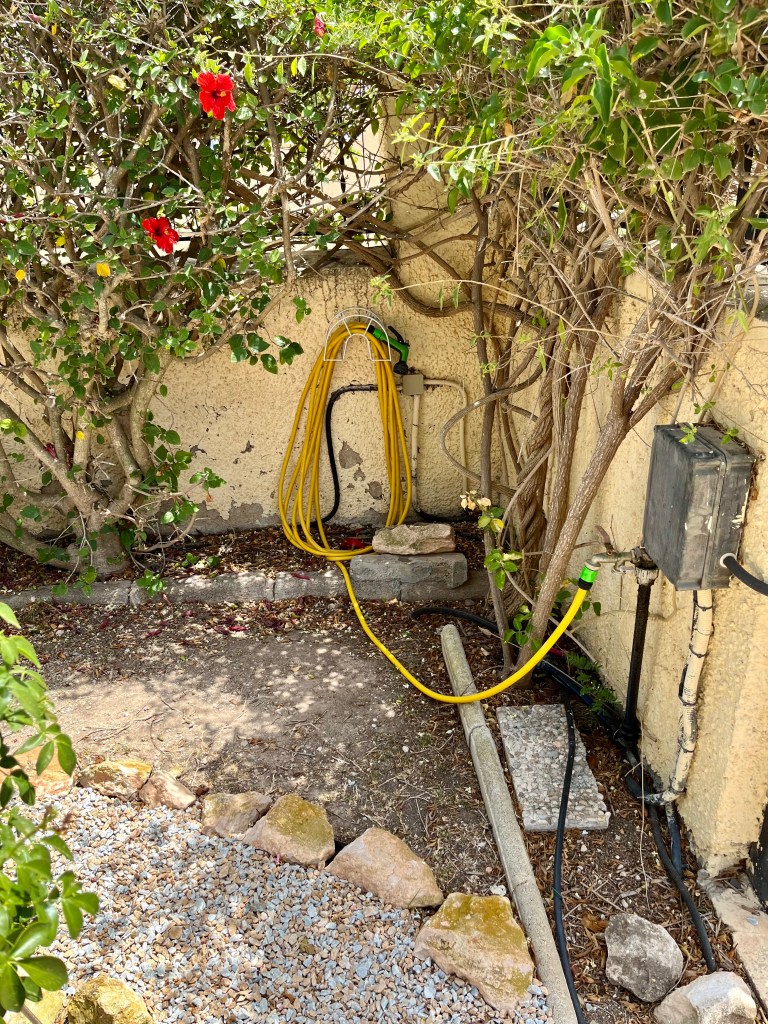
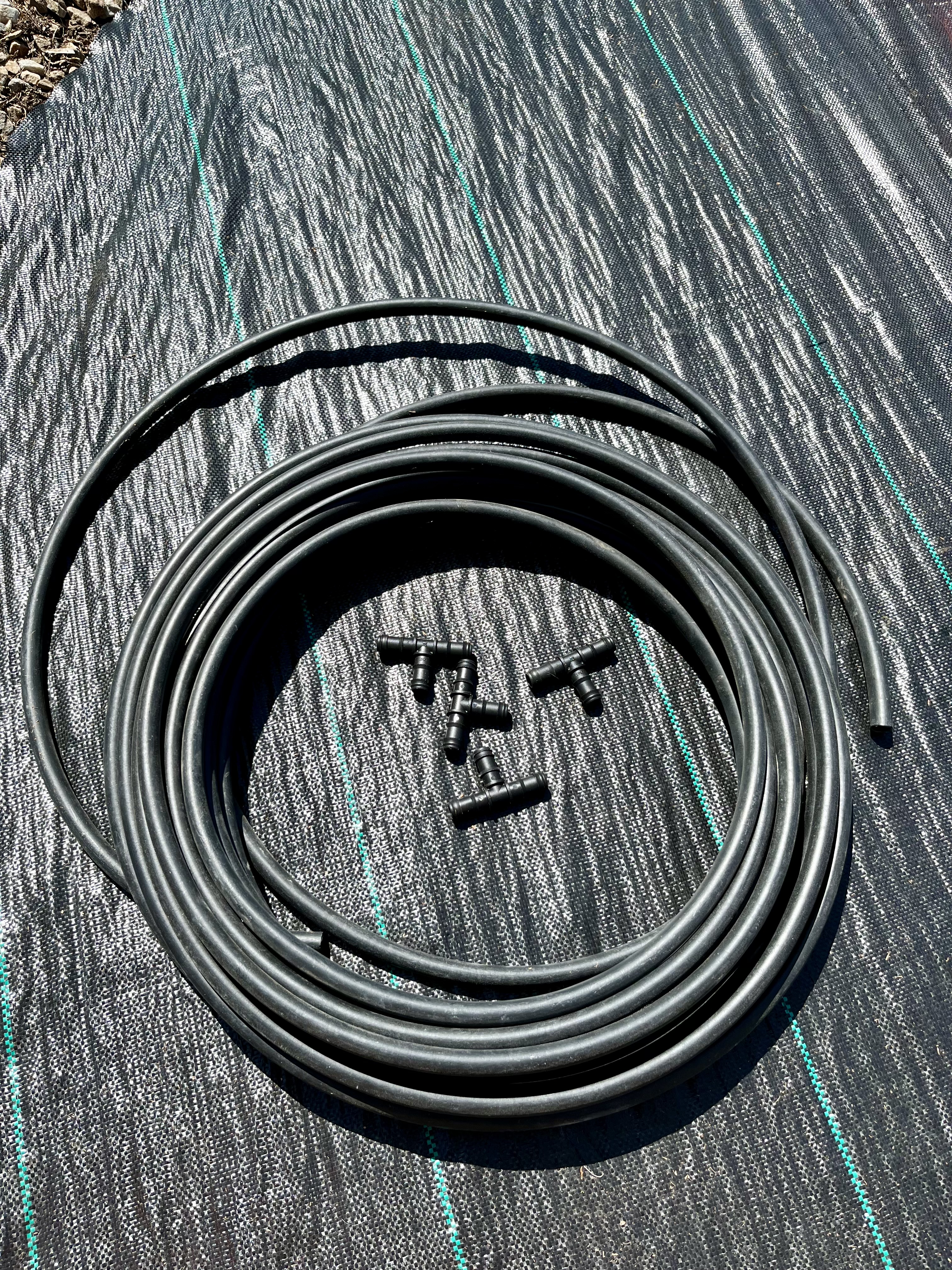
Connect up irrigation. If you are going to use irrigation then now is the time to set your pipe work in place. If you already have gravel then try and connect up to your existing system. The photos below show my artistic connections. Click on each photo for a larger view.

Cover with gravel; or push back existing gravel. Whatever your choice of gravel you will need to allow for coverage of about two inches. This is necessary to ensure you don’t get bare patches opening up as you walk around. Gravel is exceptionally heavy and is hard work to distribute, so if you can get help or use professionals. I had no help, Cruella and her chickens just sat back eating posh snacks whilst I laboured in the Sun. When I asked them for some help they all started chanting slogans about not taking part in their own oppression. The photos below show the extent of my challenge. Click on each photo for a larger view.

Cut through membrane to create beds and plant up. This is the most enjoyable part as you begin to see the fruits of your efforts. I have covered the issue of planting through membrane before, but just in case your new to this the process is simple.

Start by cutting an X shape in your membrane and fold back the flaps of your X. The soil under gravel will normally be quite impoverished and dry so it is necessary to enrich the planting hole. First dig a planting hole slightly larger than your plant. Fill this with water and let it drain, then enrich the hole with good compost digging around to ensure the existing soil is loose.

Place your plant in its new home and make sure to firm the soil around it before folding back the flaps of membrane and then watering profusely. It is a good idea to fill the area around your plants with a different colour gravel. This gives added interest to your planting scheme and also provides contrast in the winter when your plants have died back. The photos below show my finished effort. Click on each photo for a larger view.

I was just sitting down having a well earned cup of tea when Cruella (my wife), approached me accompanied by her chickens. She began reading from a piece of paper which she said had just arrived from NATO claiming that a military drone had noted that my planting and gravel were in breach of the Geneva Convention. She went on to say that they demand that the land should immediately be returned to its intended use as a Chicken designated zone of special scientific interest.

I told her I didn’t believe her as the back of the piece of paper was headed Church Sunday School. She started crying, the chickens all started cackling in Chickenese and they all stormed off shouting about lawyers. Hey Ho.