

As we move towards autumn so you should be preparing your garden for the end of the growing season. We are not quite at the gathering seeds stage, but it is definitely a good time for taking a few cuttings.
Thank goodness we are having a bit of rain and the scorching heat is no longer with us. However, there is still plenty of warmth in the soil and this is a good time to get new plants into the ground and give them a head start for next year.
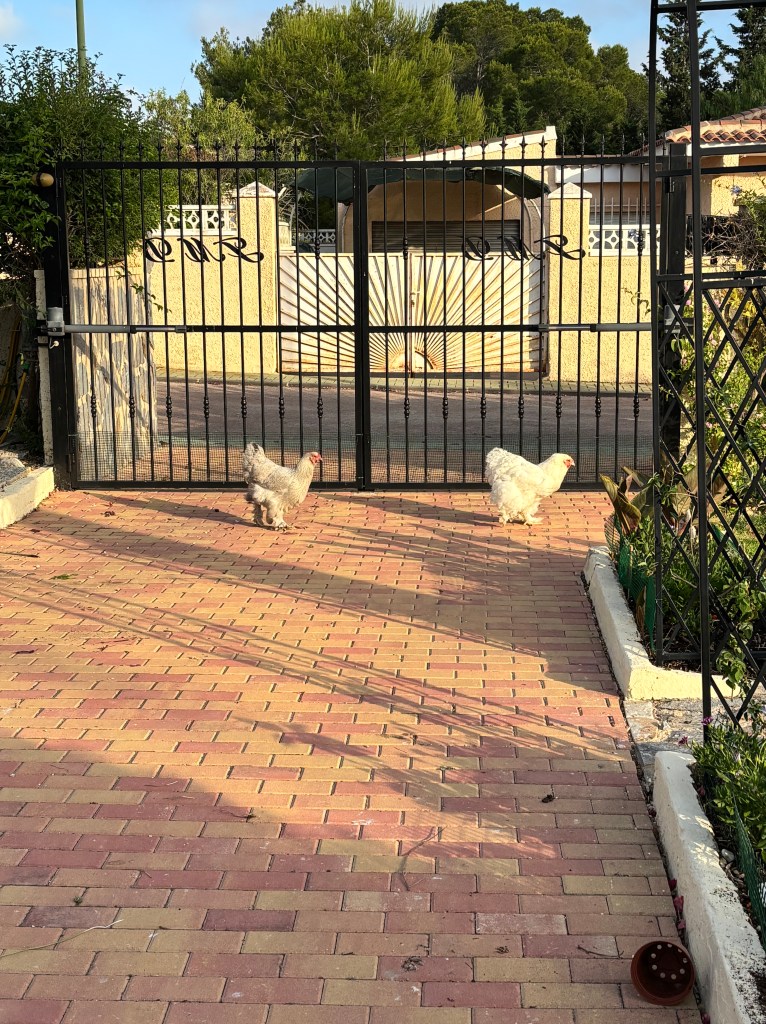
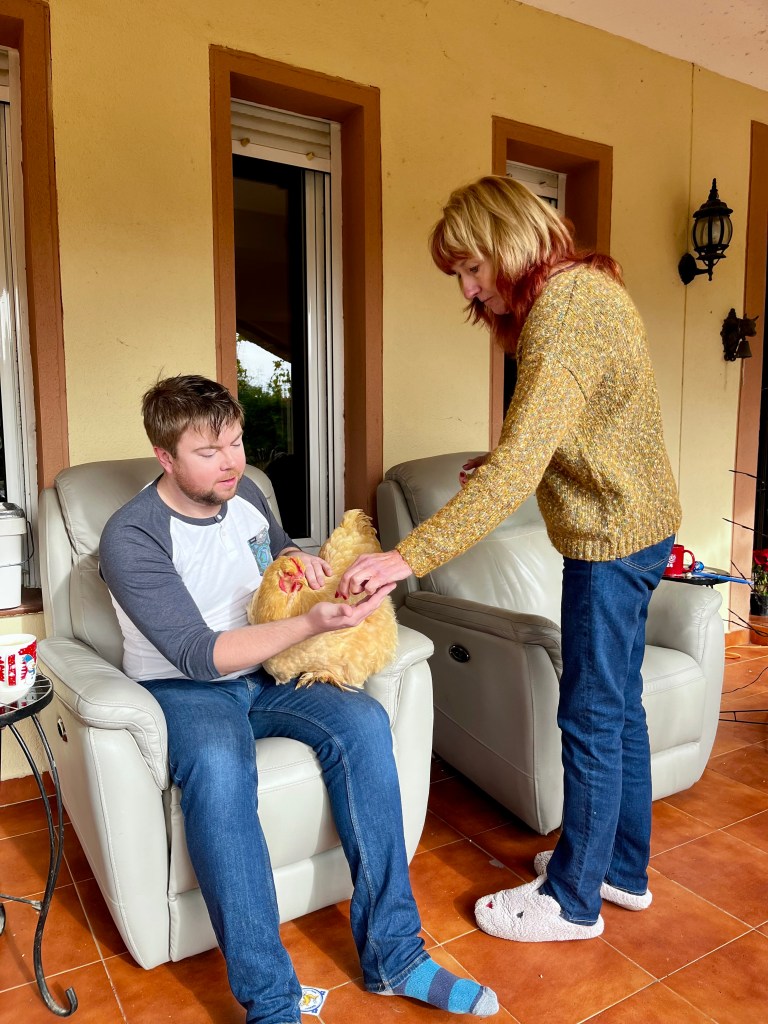
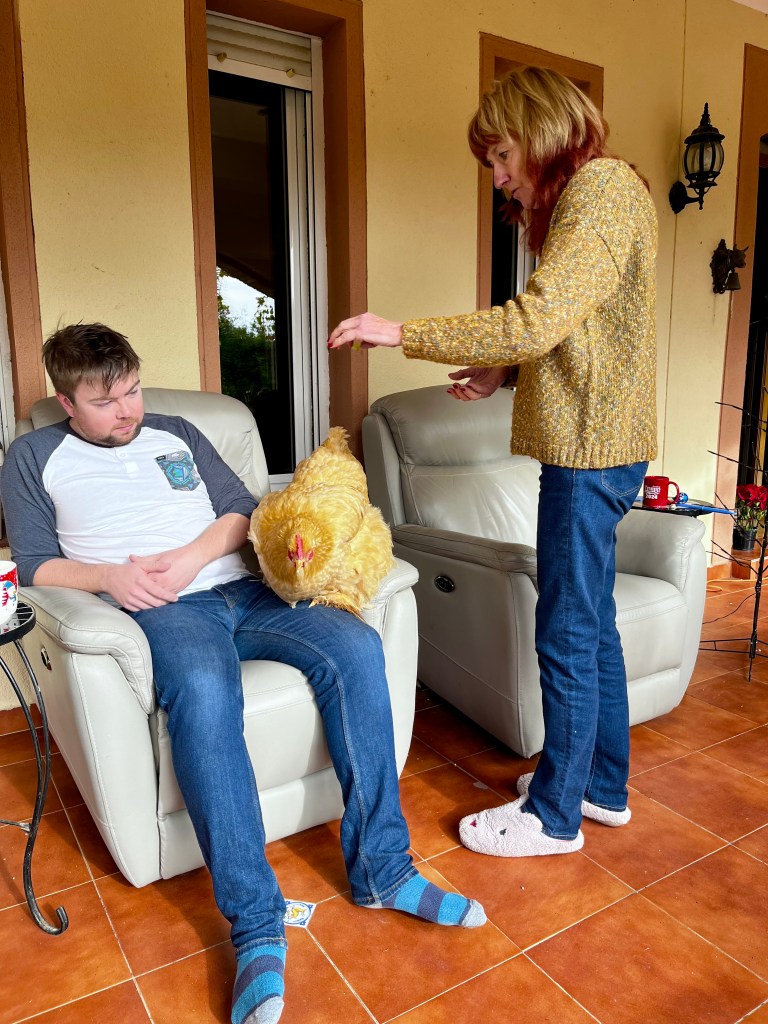
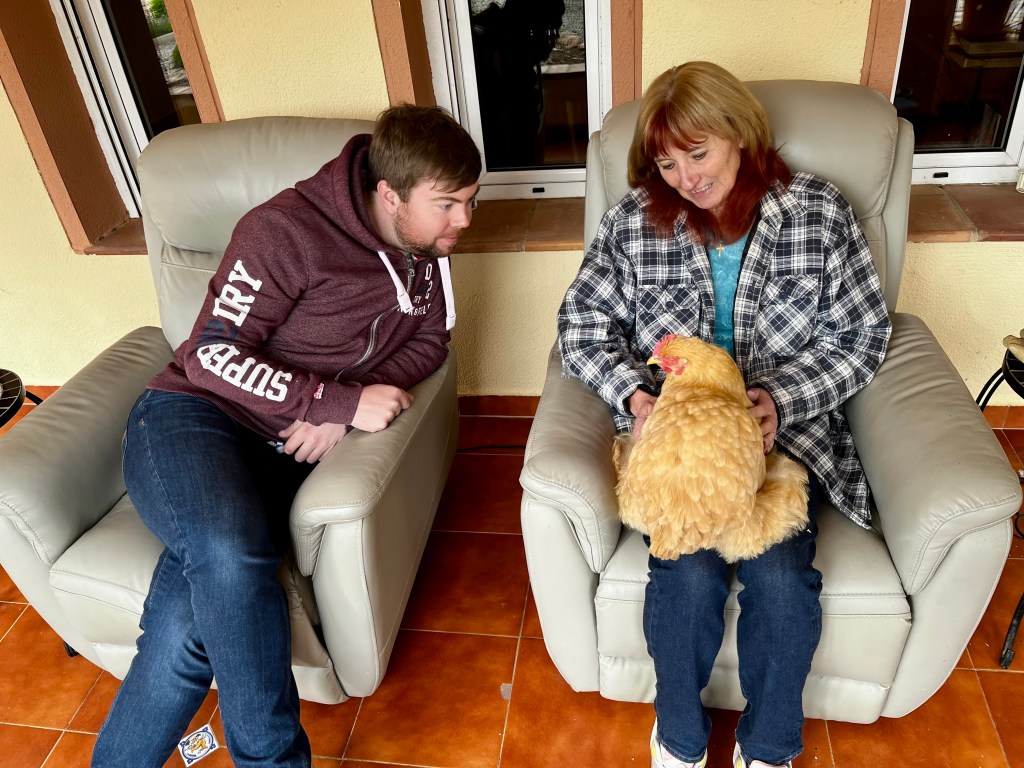
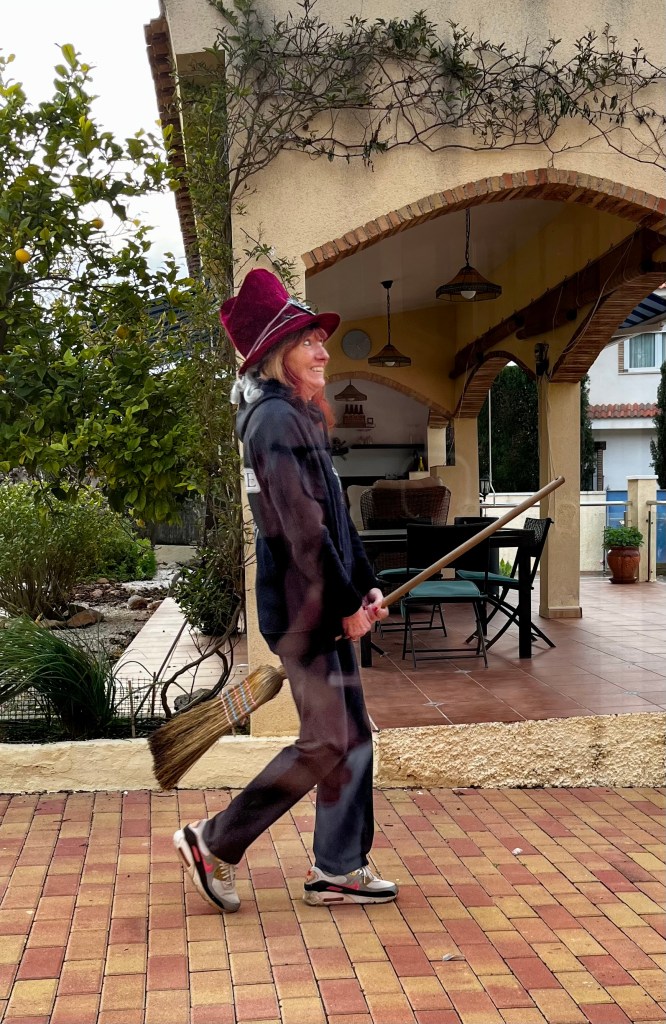
Cruella (my wife) has been at our UK house mothering our idiot son. But now she is back and it’s raining she is insisting that I buy raincoats for her girls. I explained that their feathers are their natural raincoats but she is insistent. I am going to cut up some black sacks and glue them into chicken shapes; that should do. Any way on with the gardening.
3rd October 2026. Things I have been doing in the garden lately.
- Lightly scarifying my grass
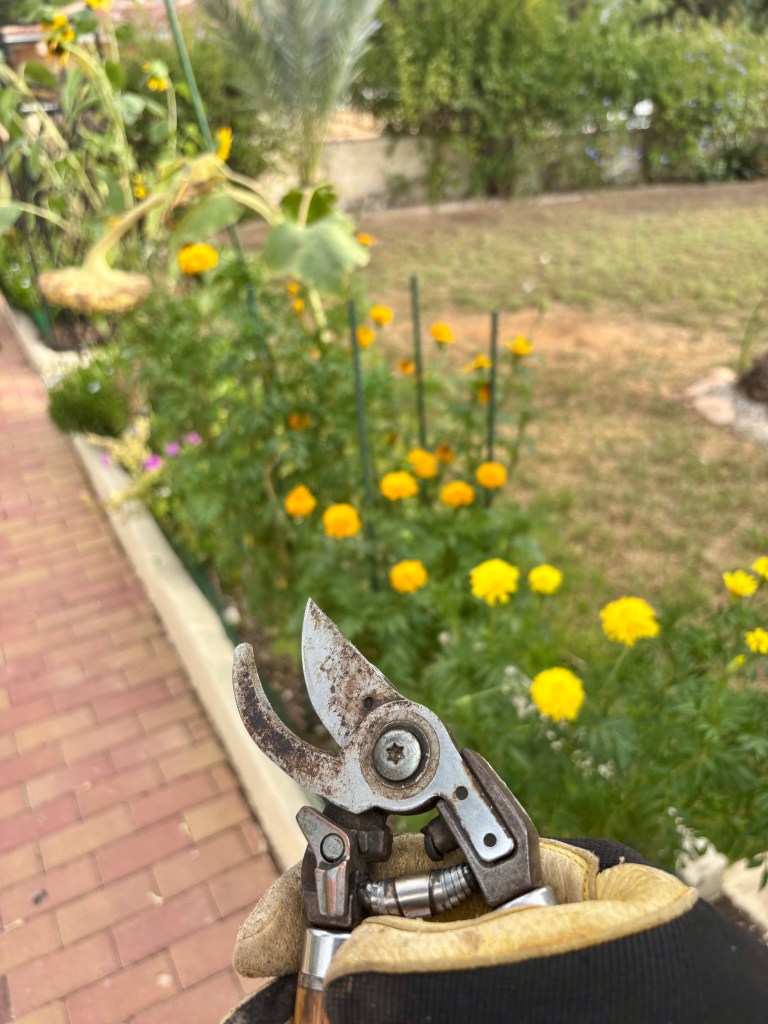
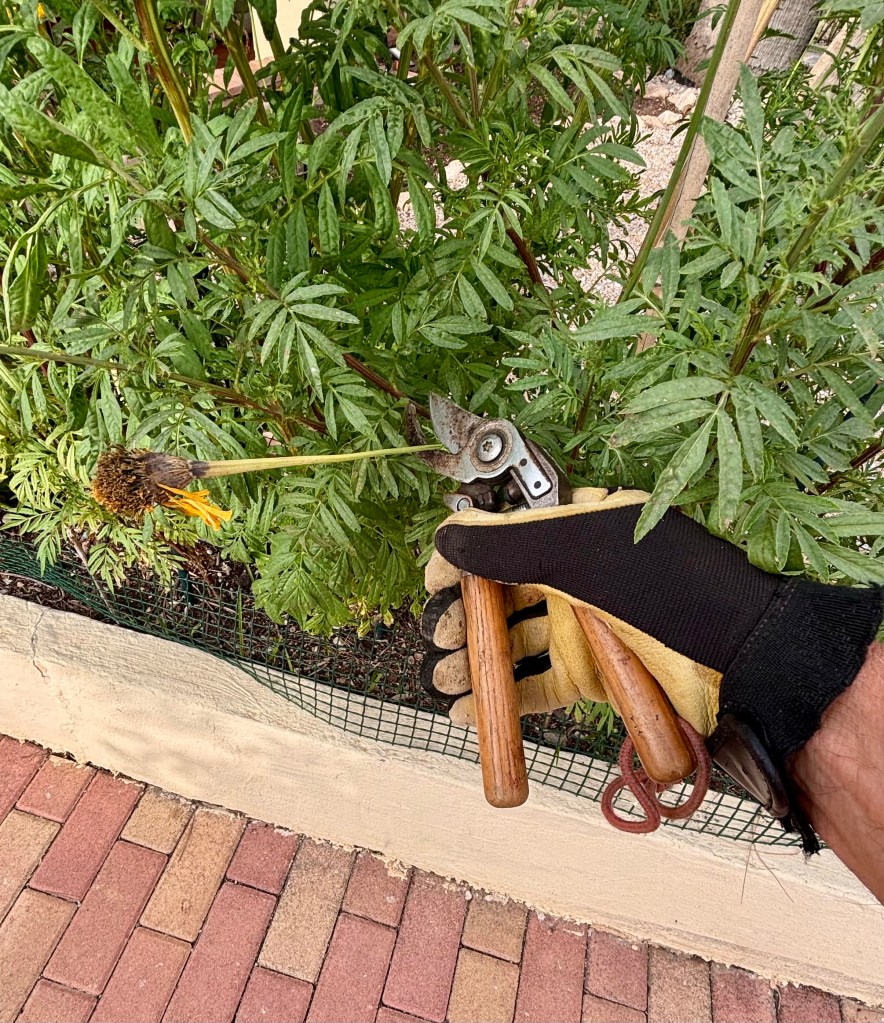
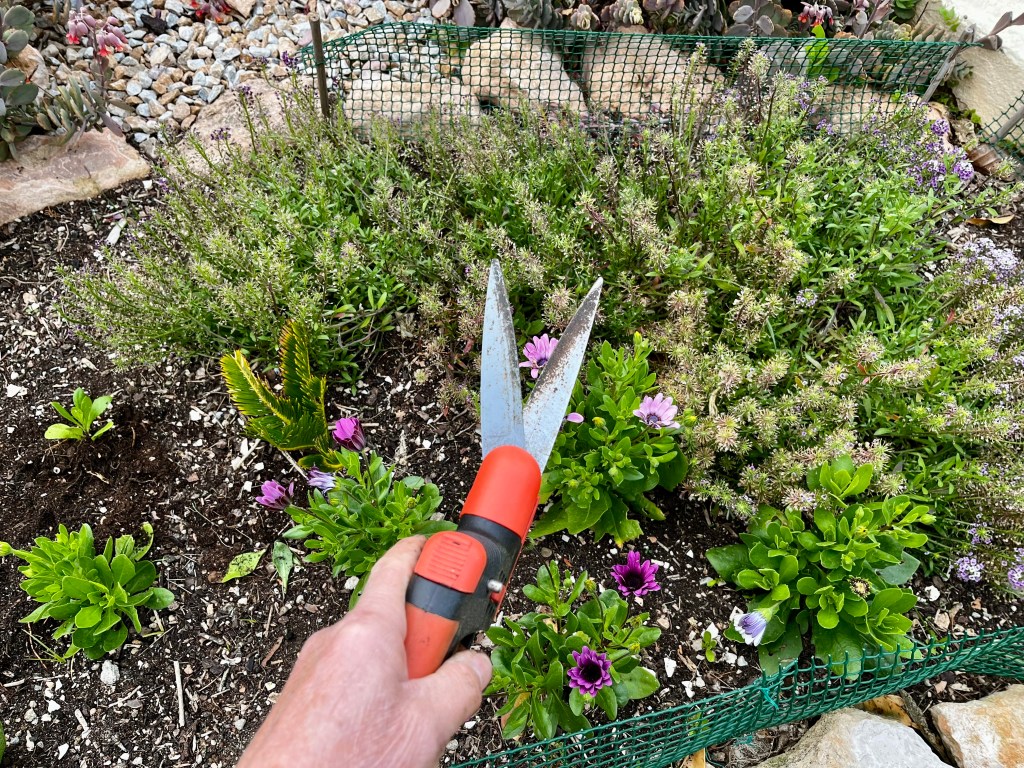
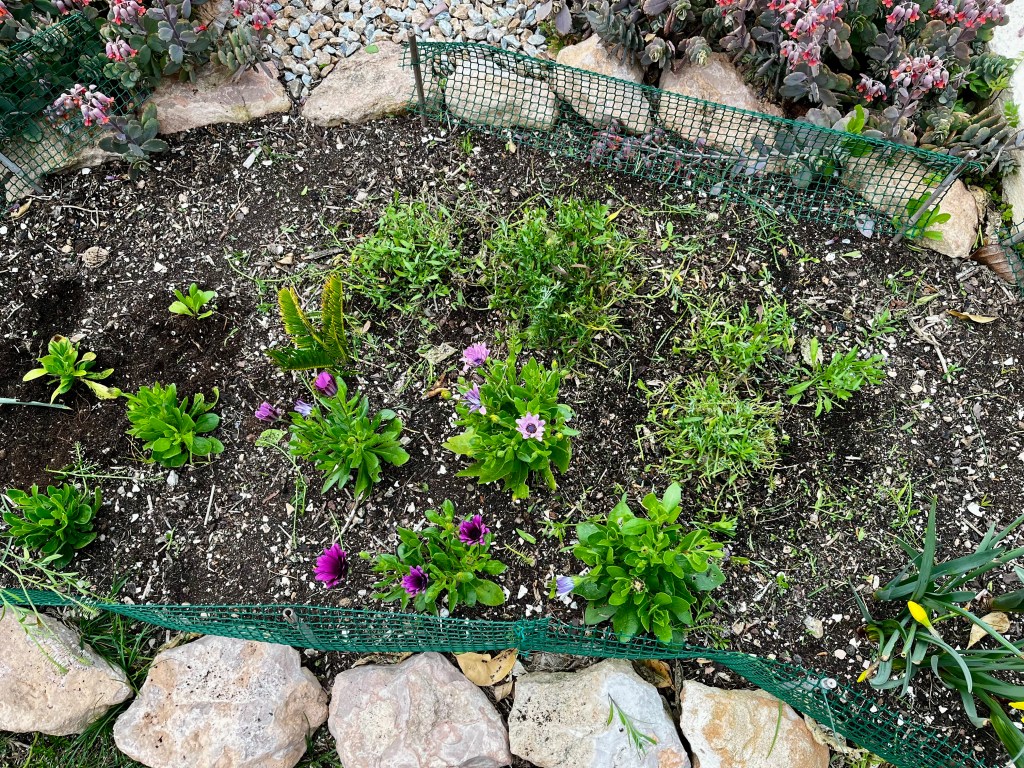
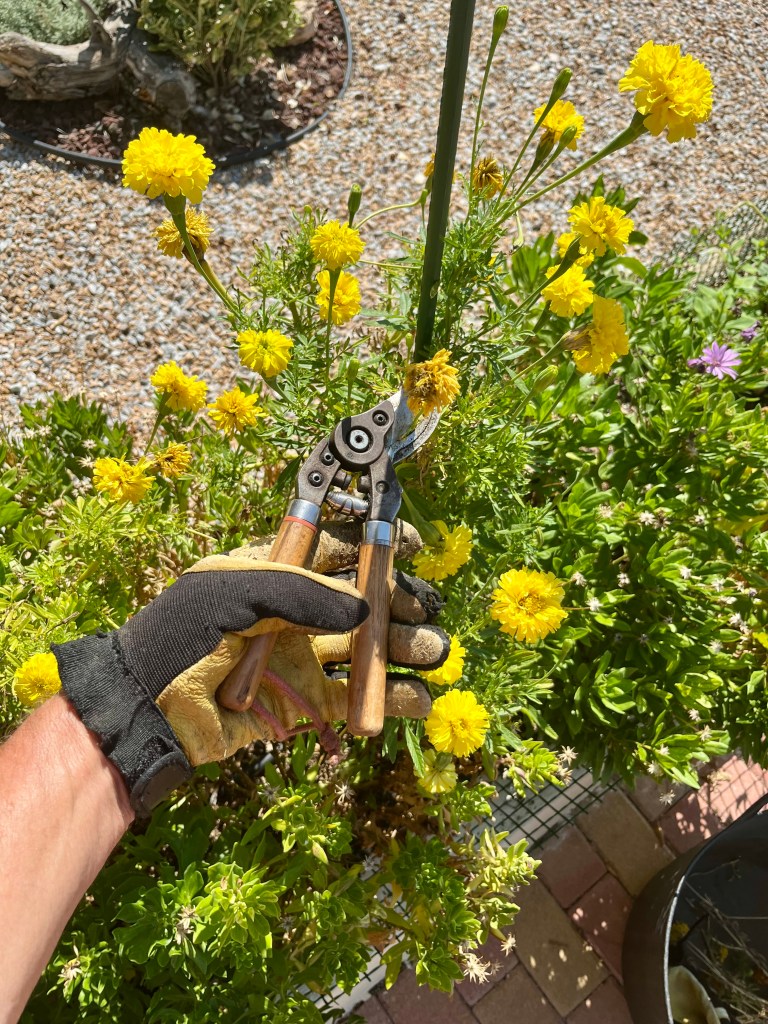
- Deadheading and tidying annuals
- Cutting back trailing plants to stop wind damage and Preparing Chillis for winter
- Taking cuttings
- Dealing with wet chickens
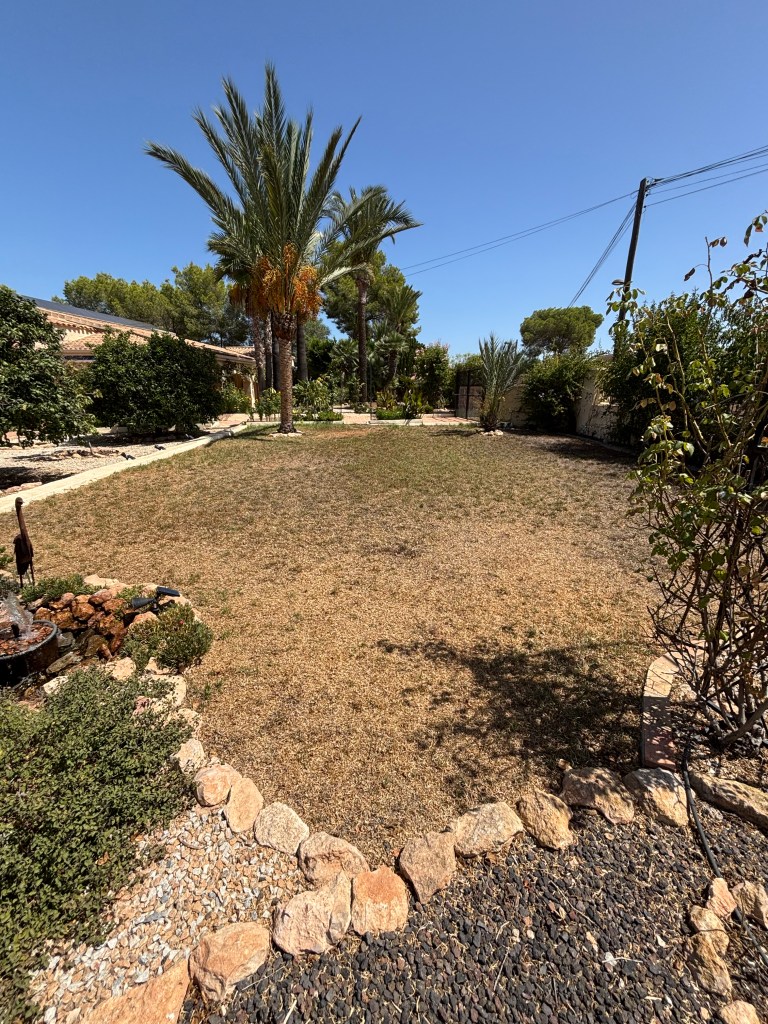
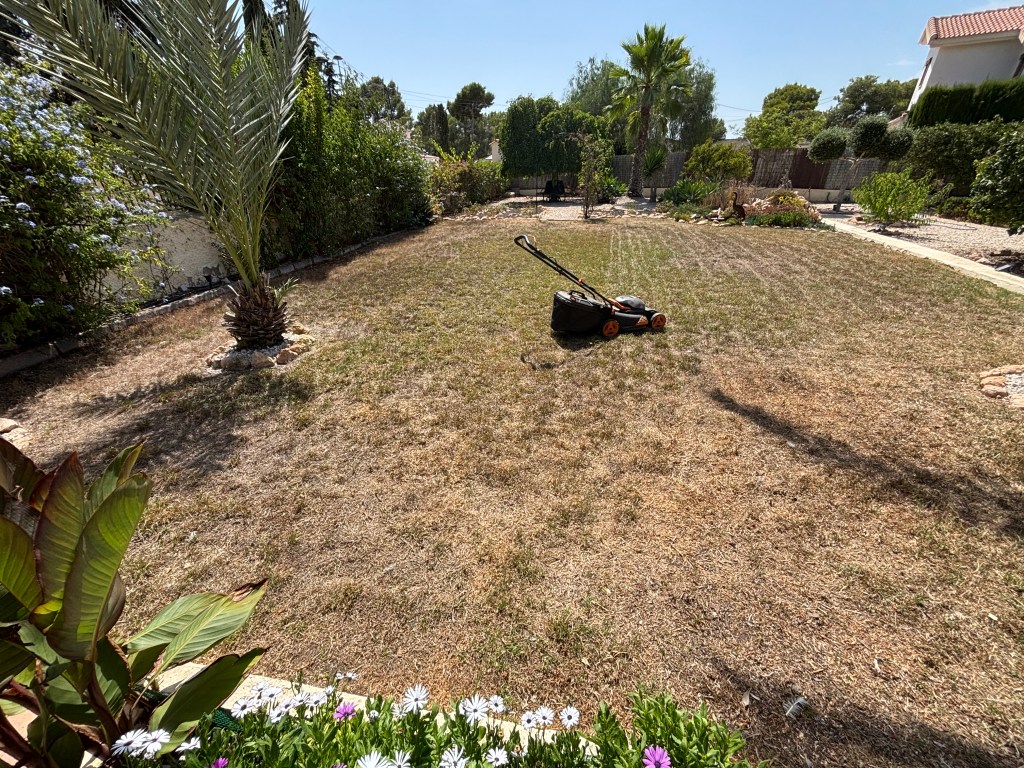
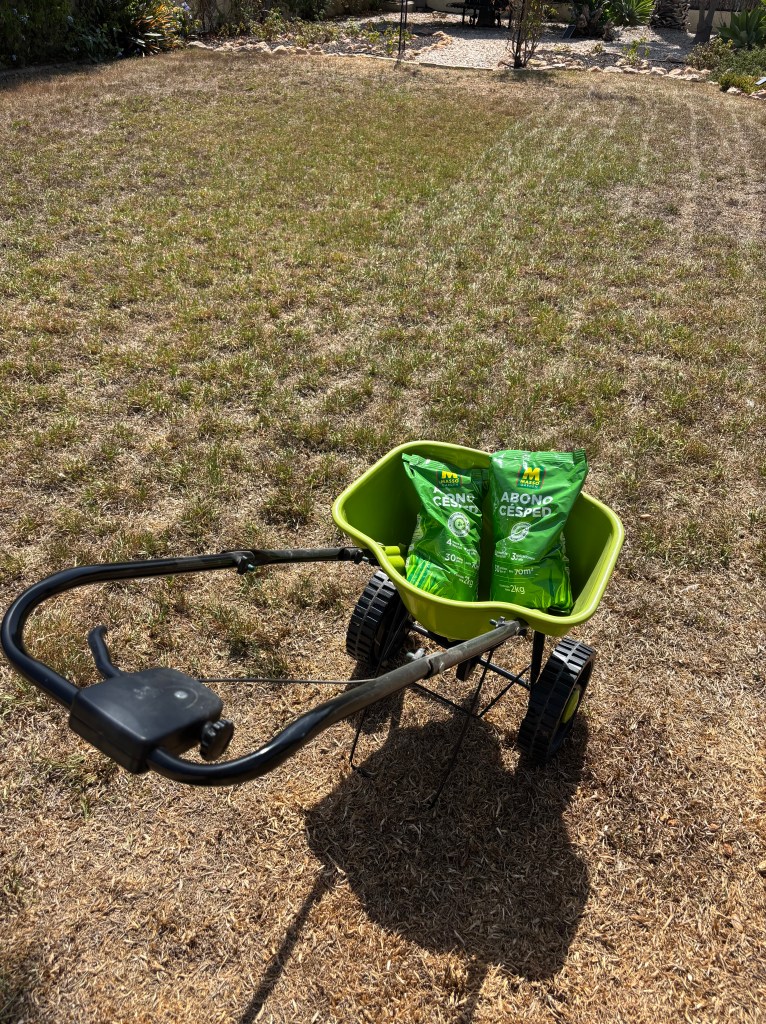
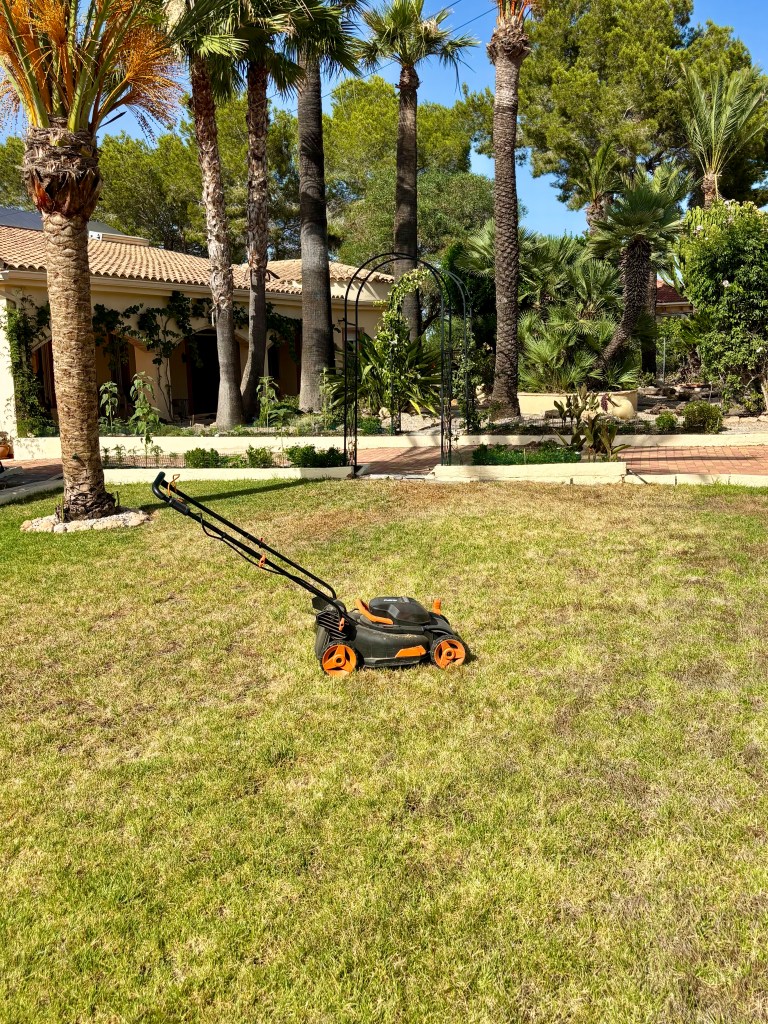
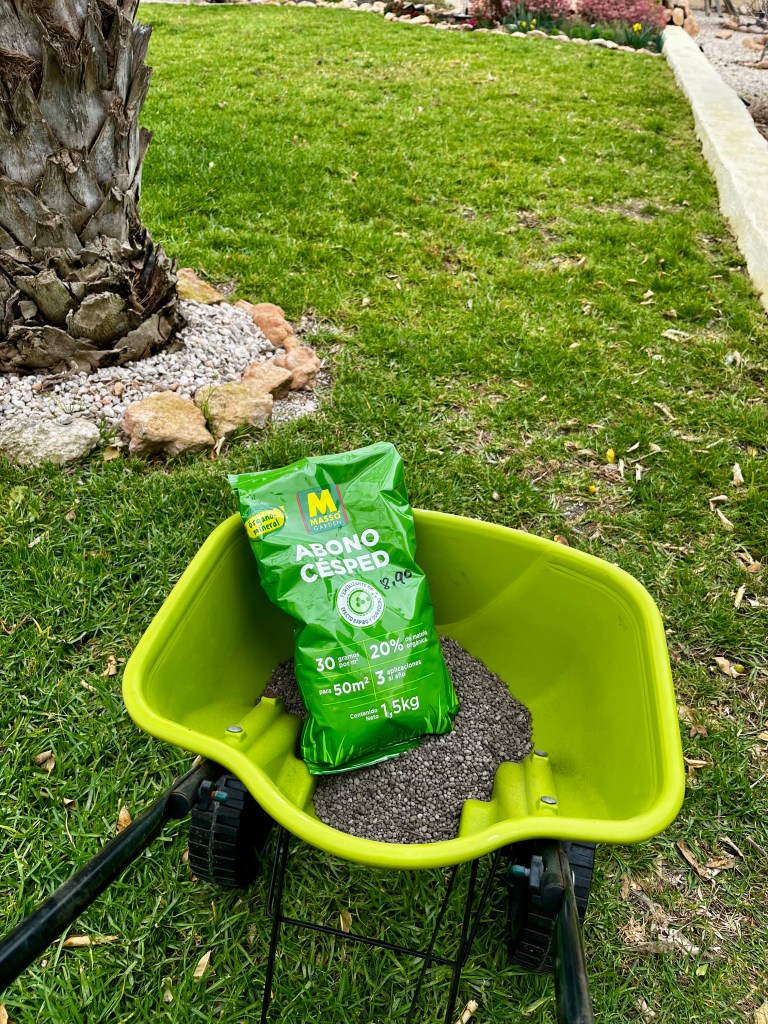
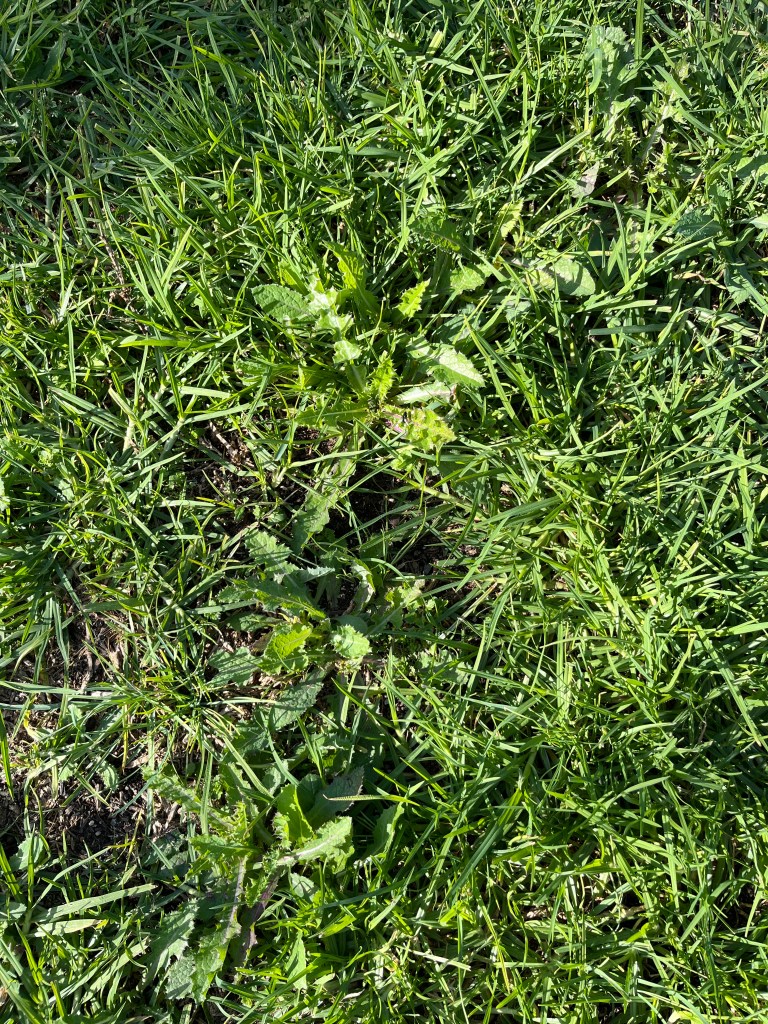
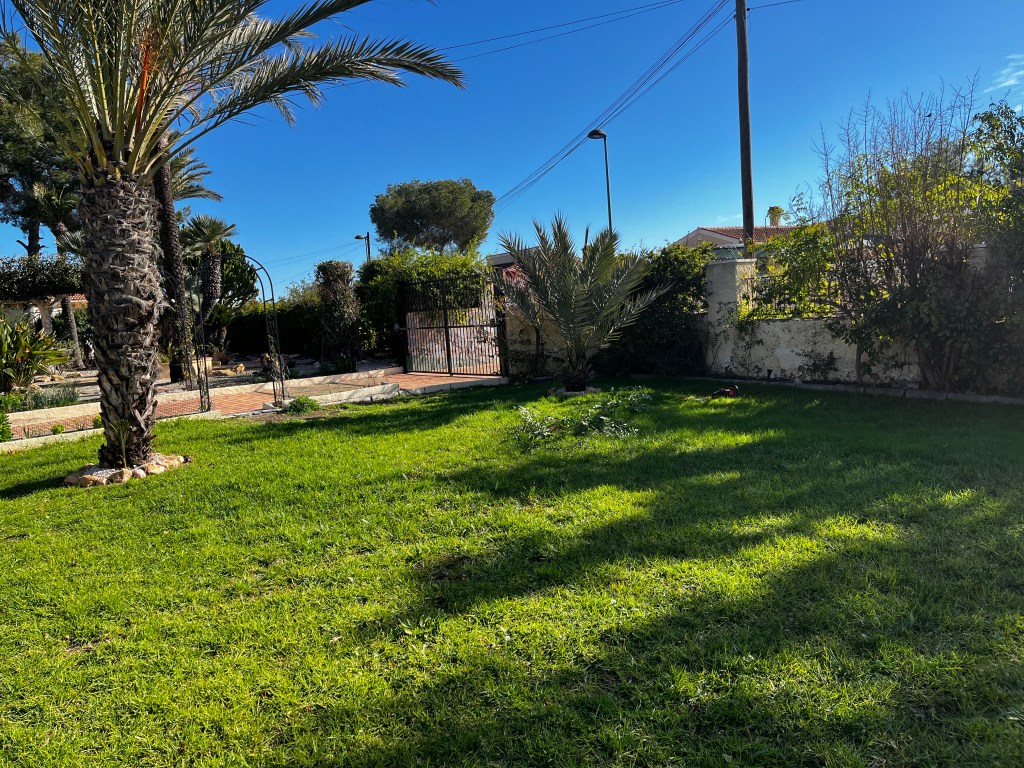
Lightly scarifying my grass. I know only idiots like me have lawns in southern Spain, but Hey Ho they are such fun. Anyway, if you have a lawn then the long hot summer will have created a dense thatch on the surface of your lawn mainly consisting of dead and dying grass.
Now is not the right time to scarify as the grass will still grow through the autumn. However, if you leave the lawn right the way through to next Spring without scarifying it, then the thatch will hinder growth. So, what you have to do is lightly scarify it now but leave the big scarify till March/April next year.
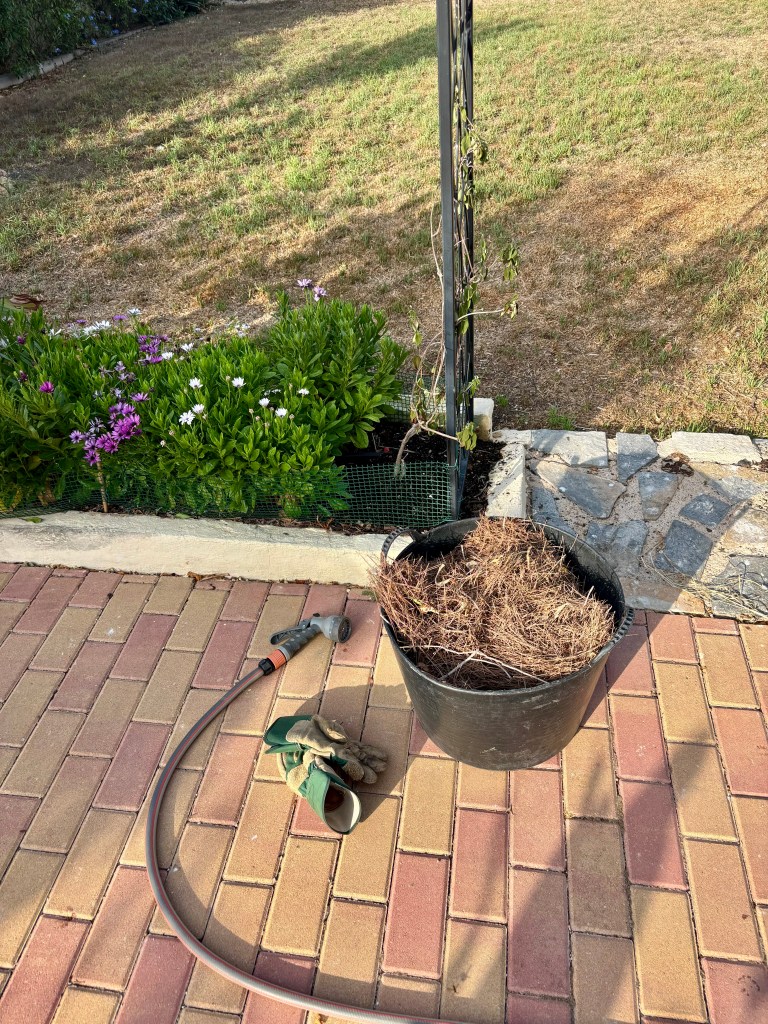
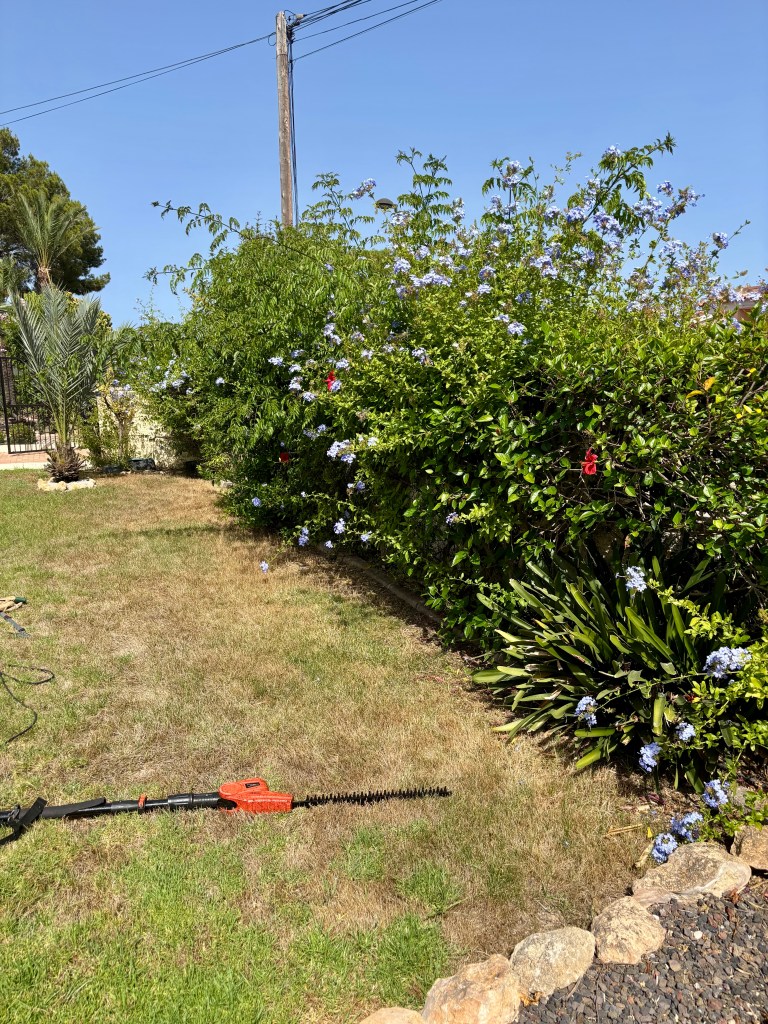
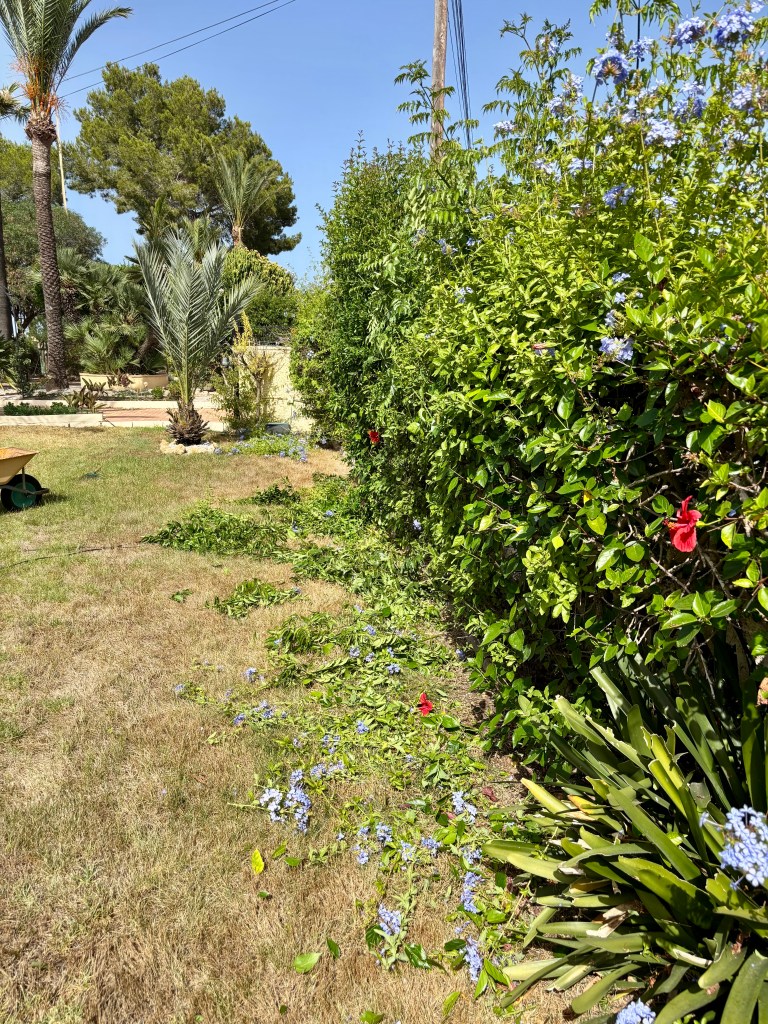
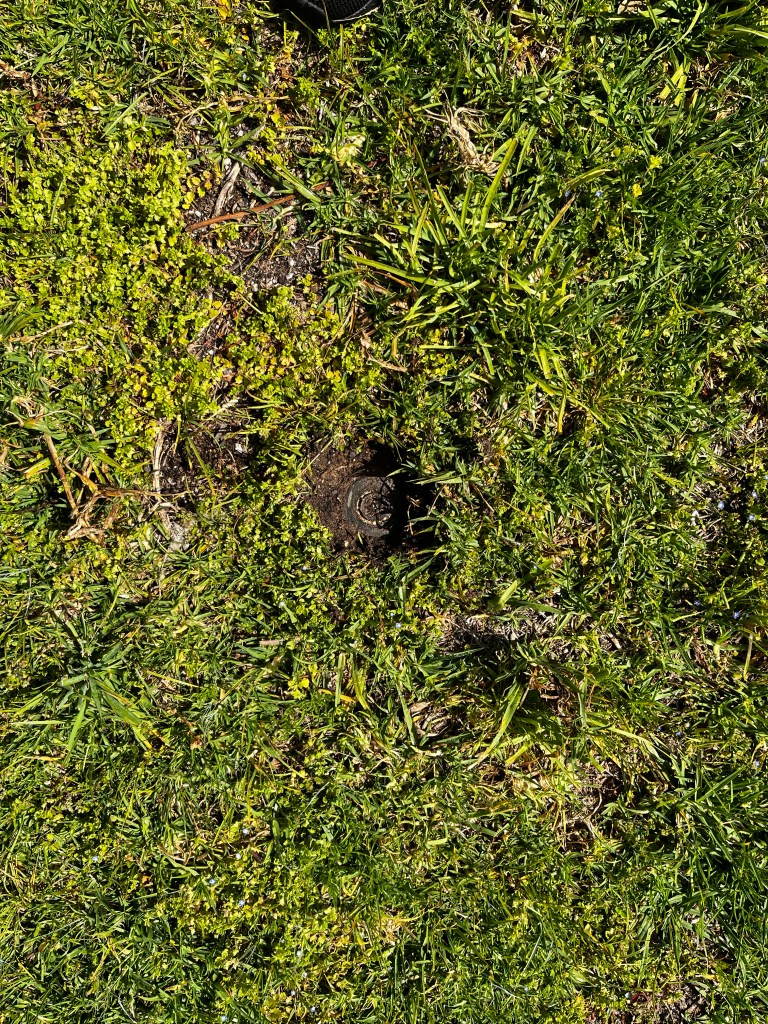
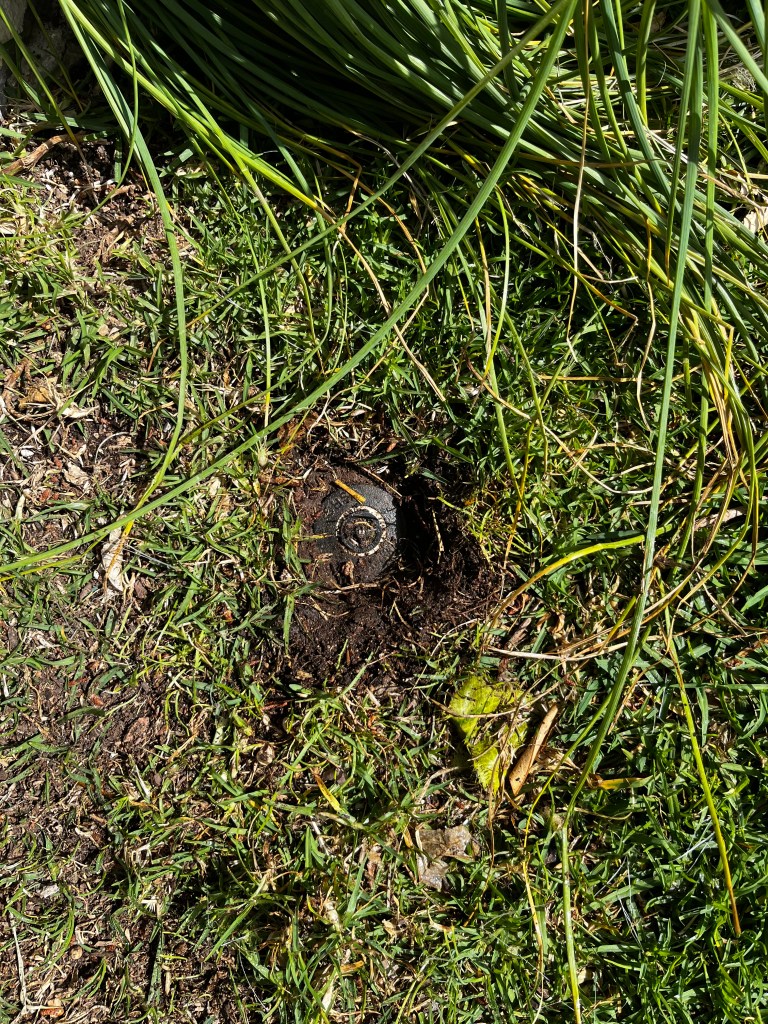
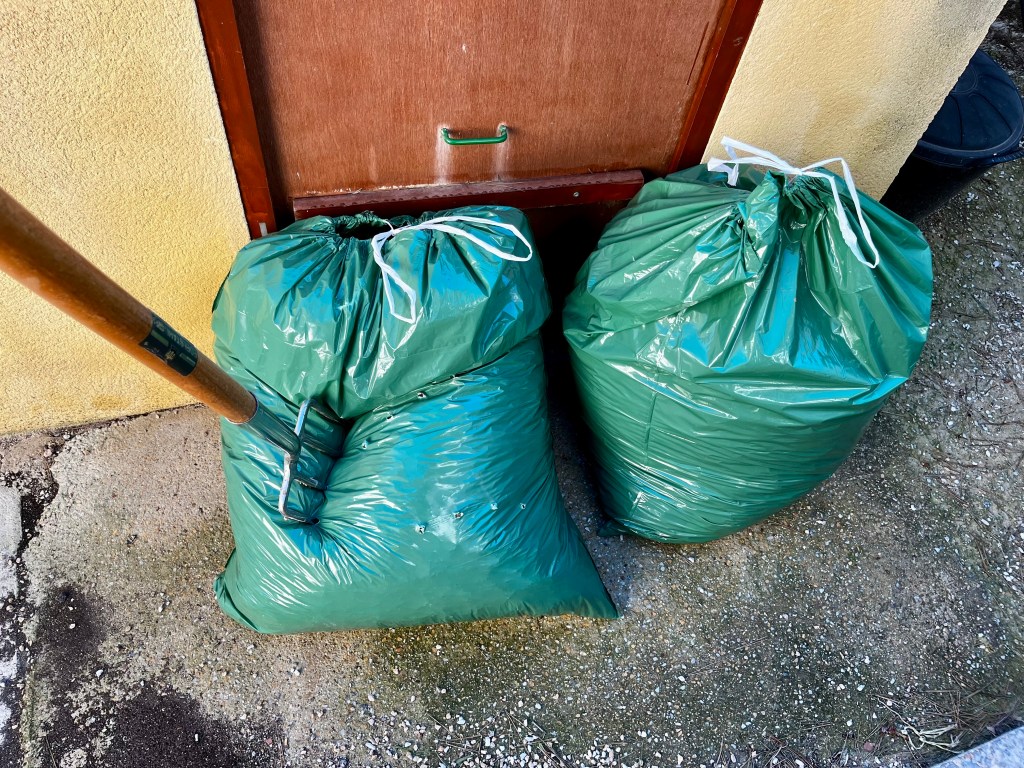
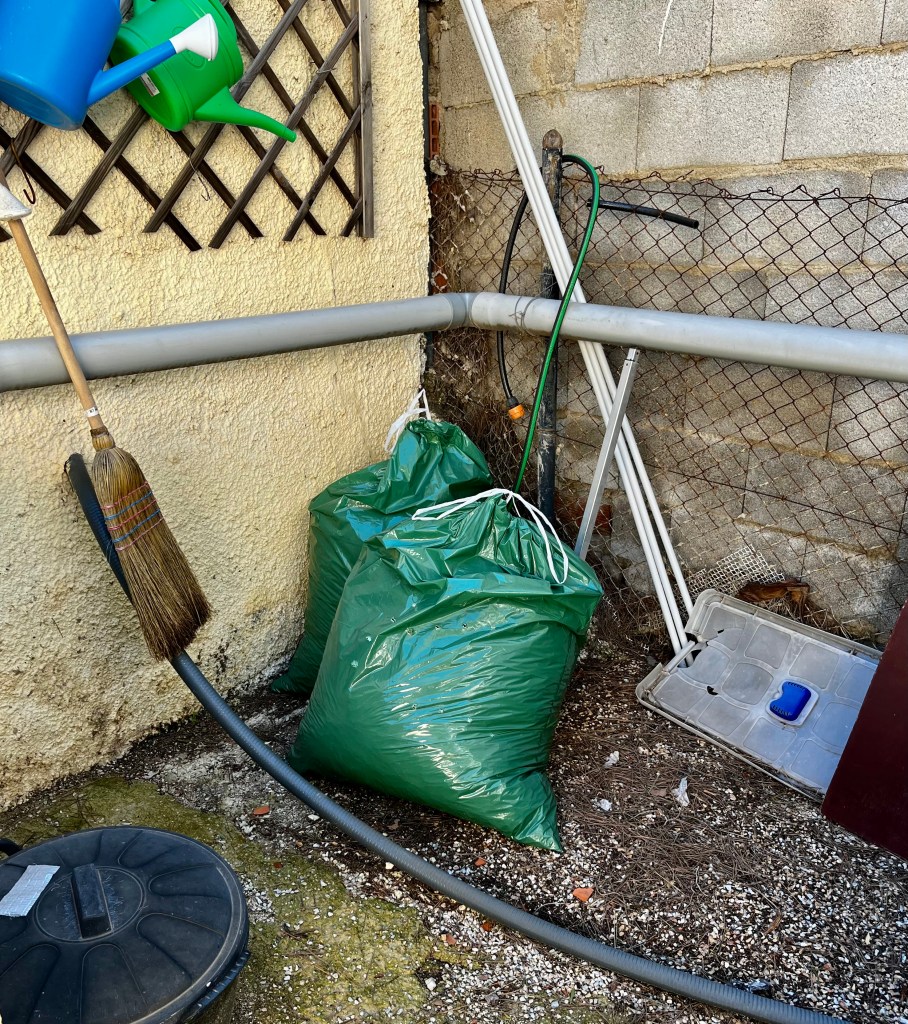
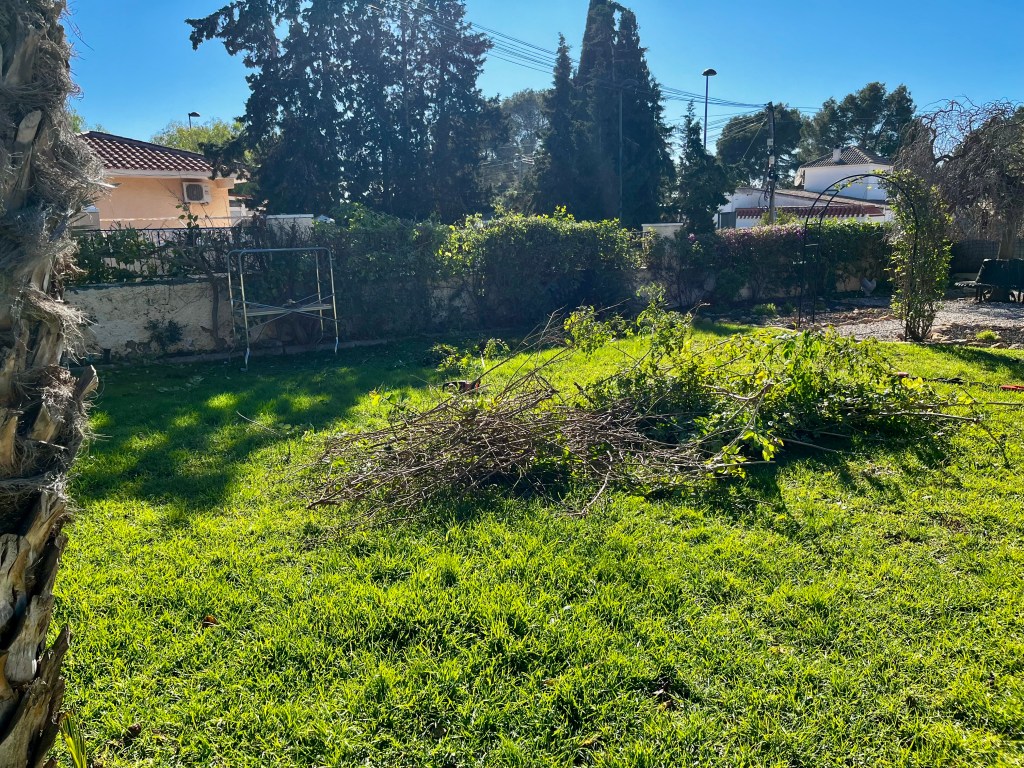
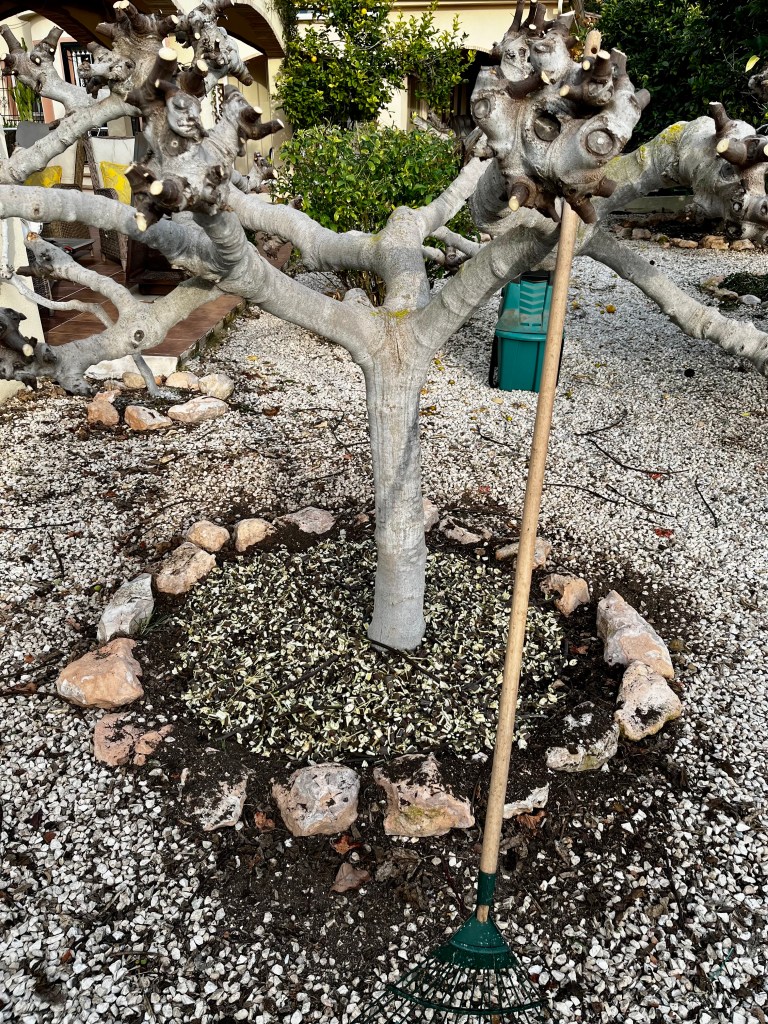
I have an electric scarifier so I set the tines to just touch the grass surface and I do not set the slitters to penetrate the lawn. If you do not have a machine then use a lawn tined rake and lightly scrape the surface of your lawn. You will get plenty of thatch up. I got five bags and this is not the big scarify. See photos below.
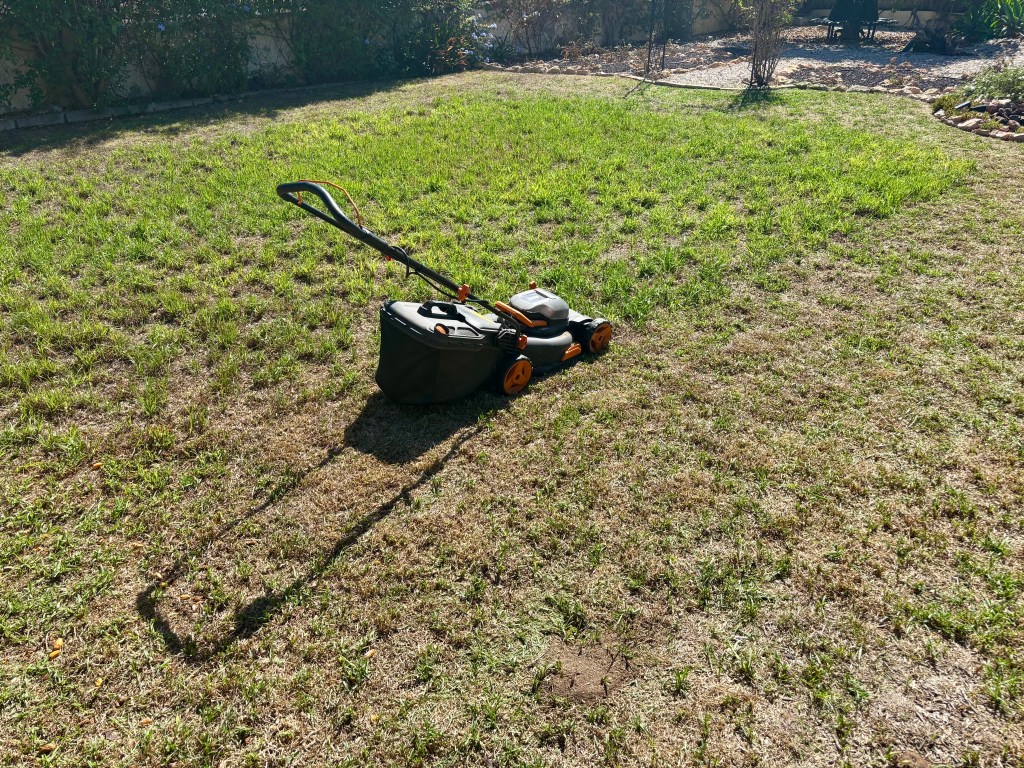
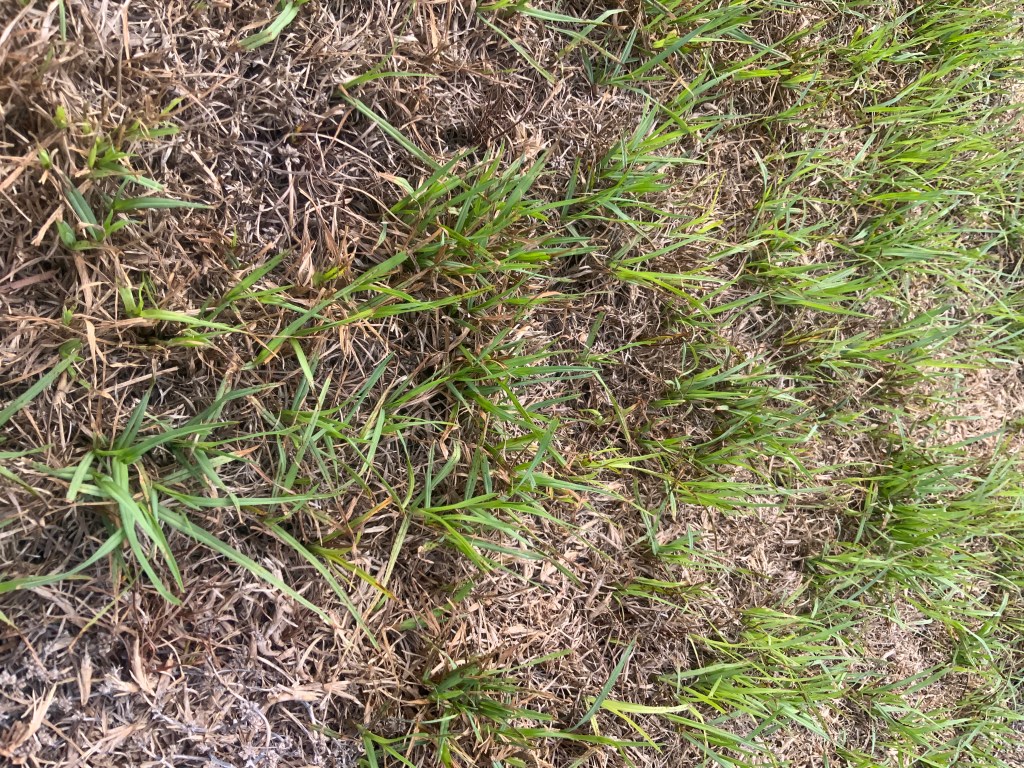
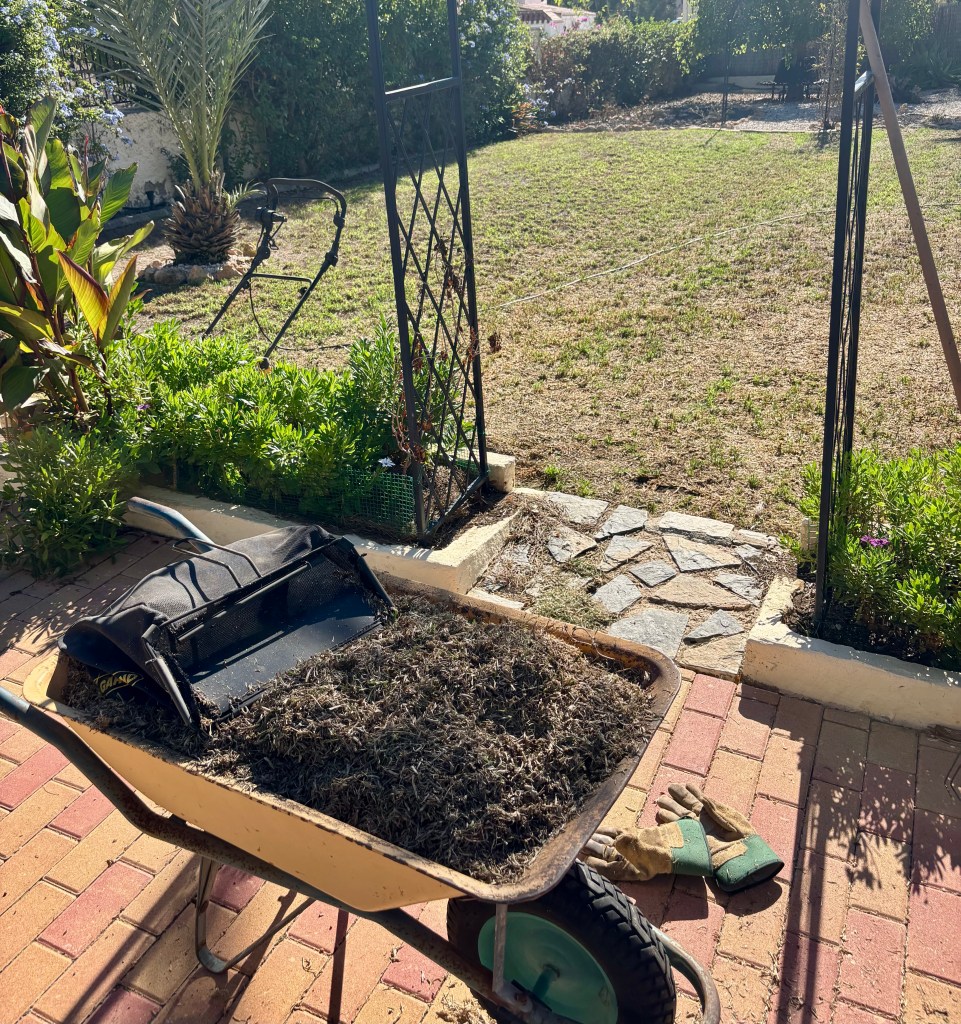
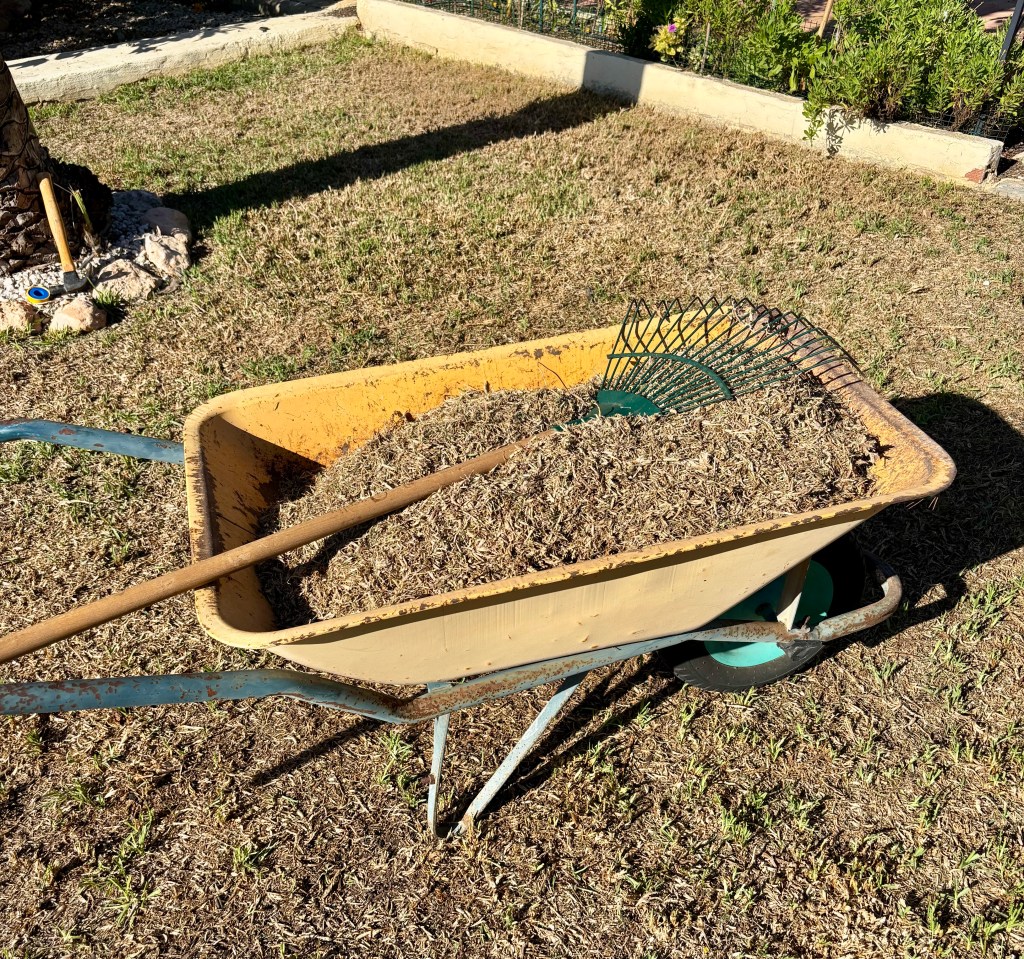
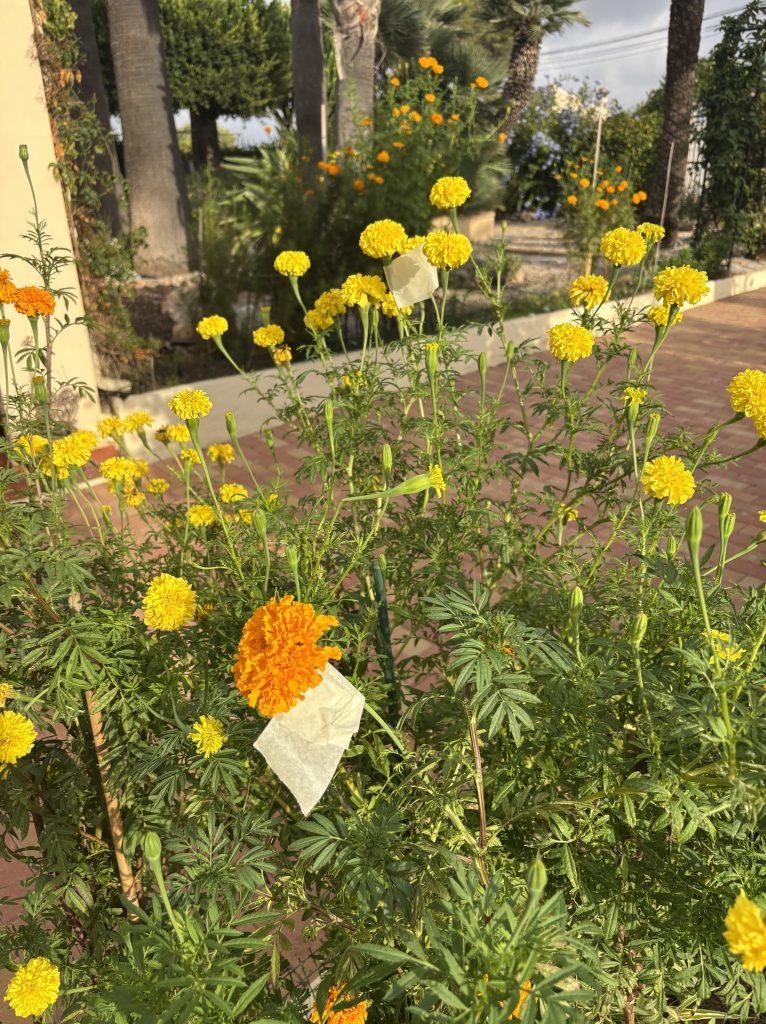
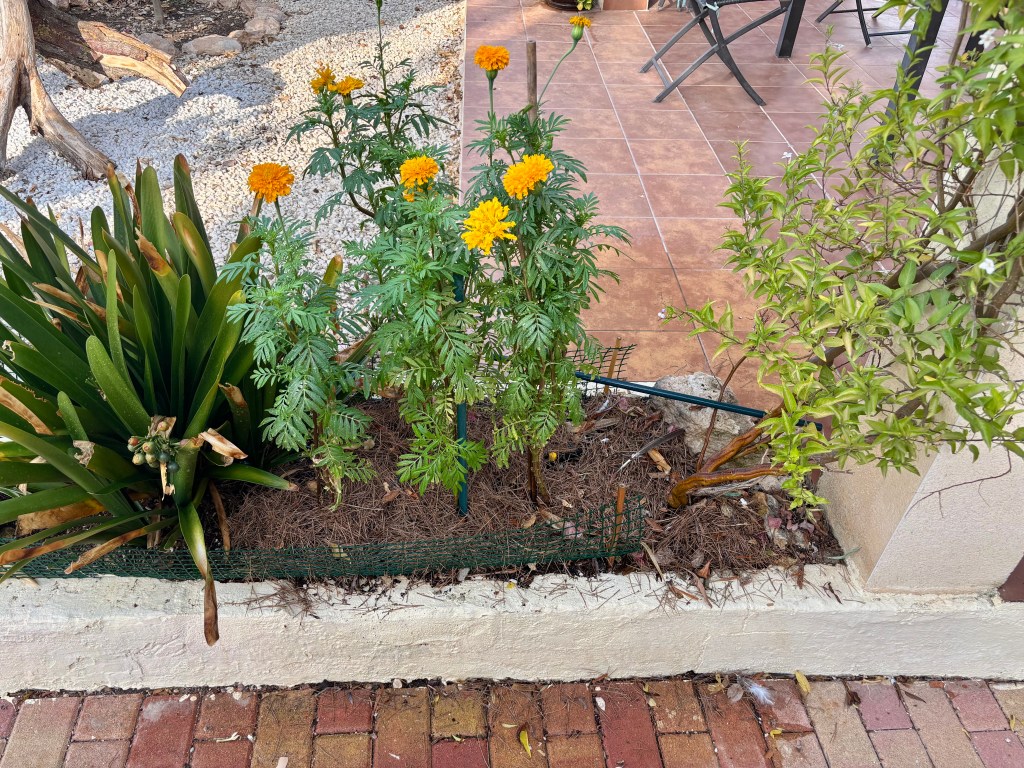
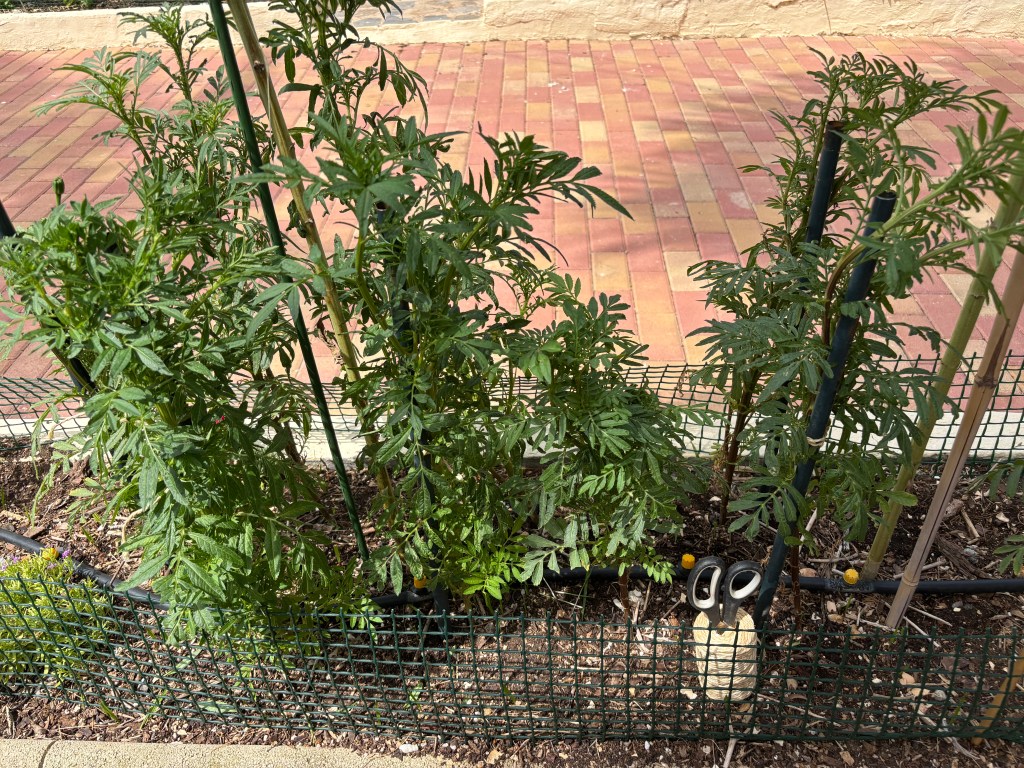
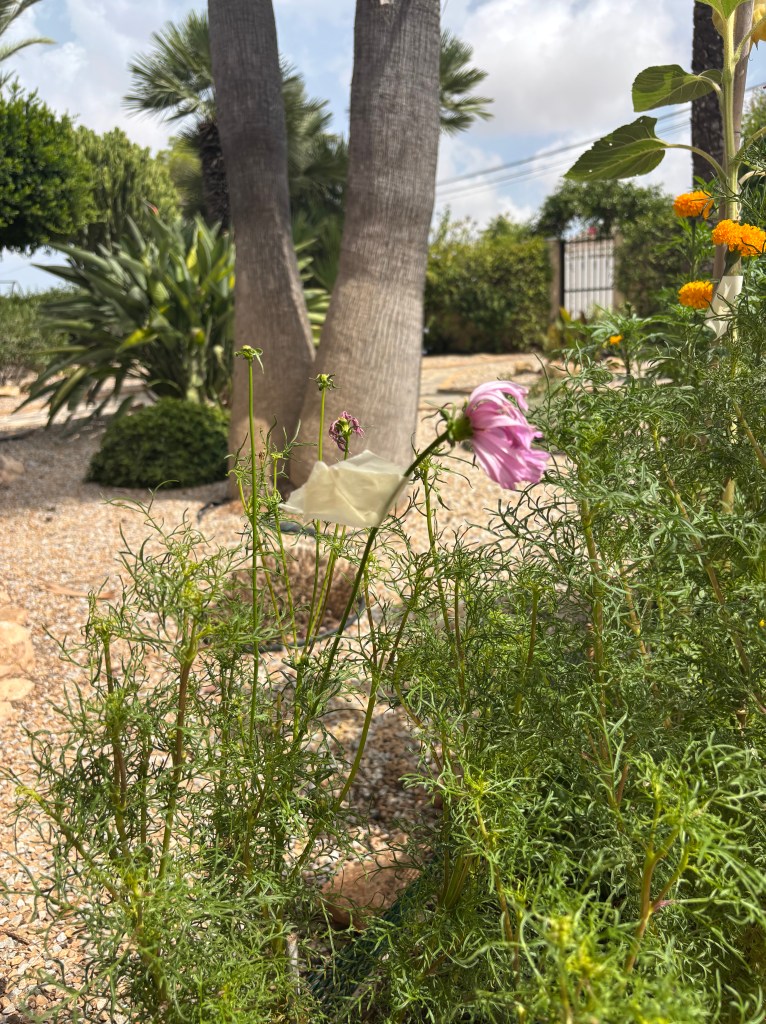
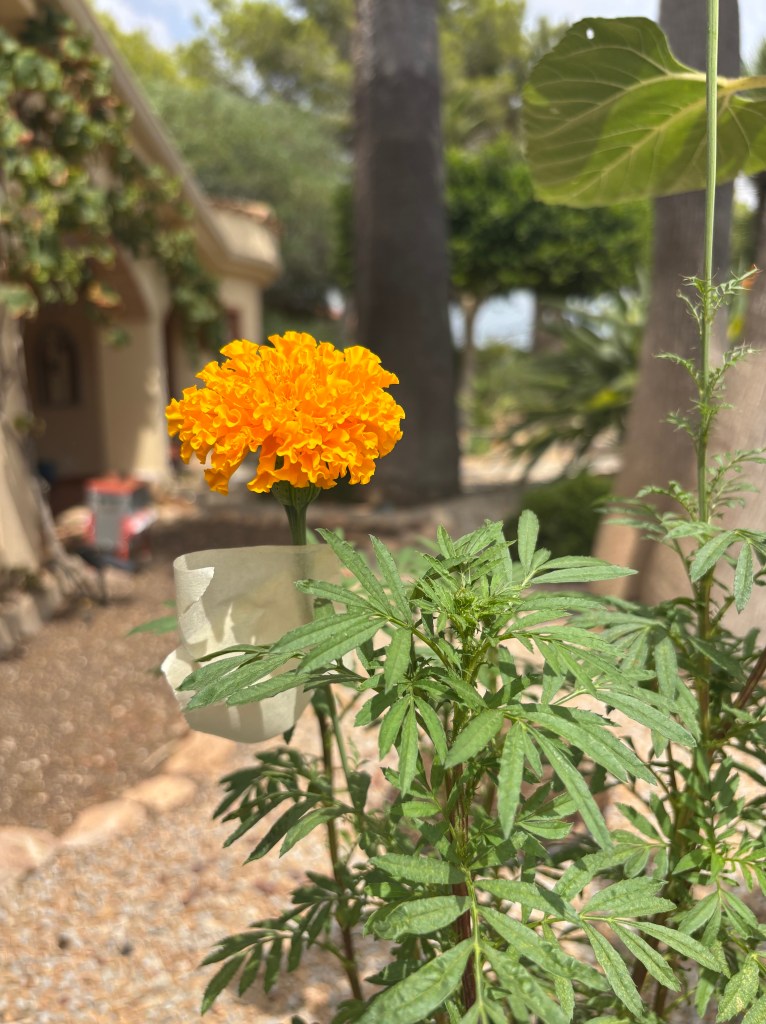
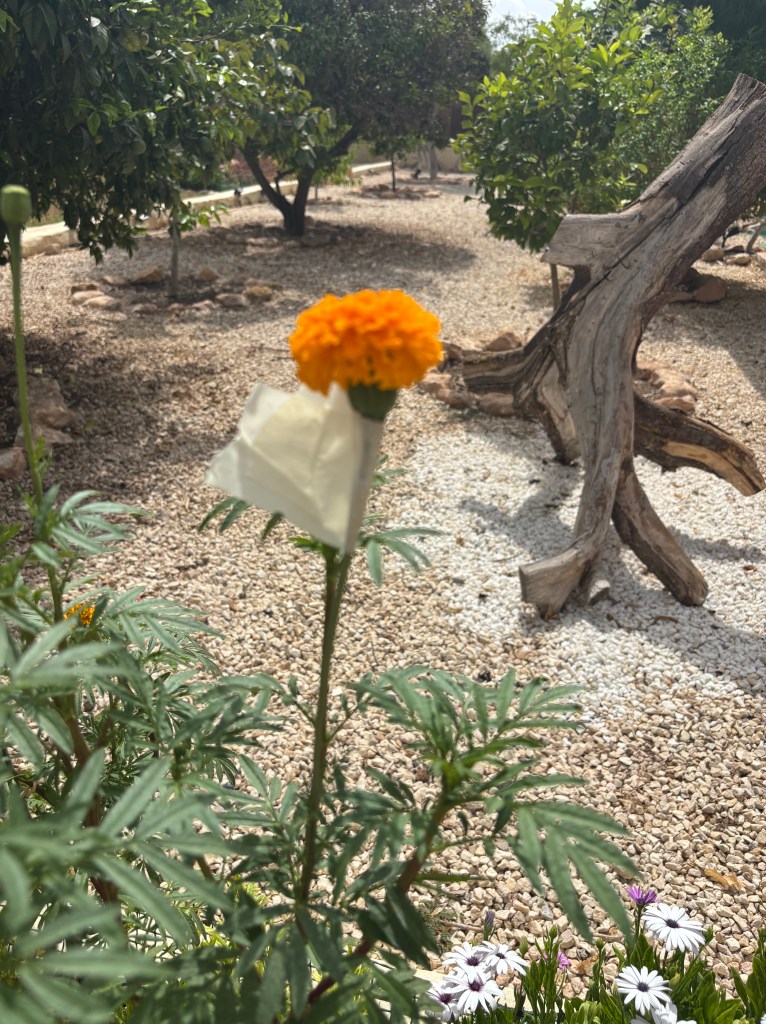
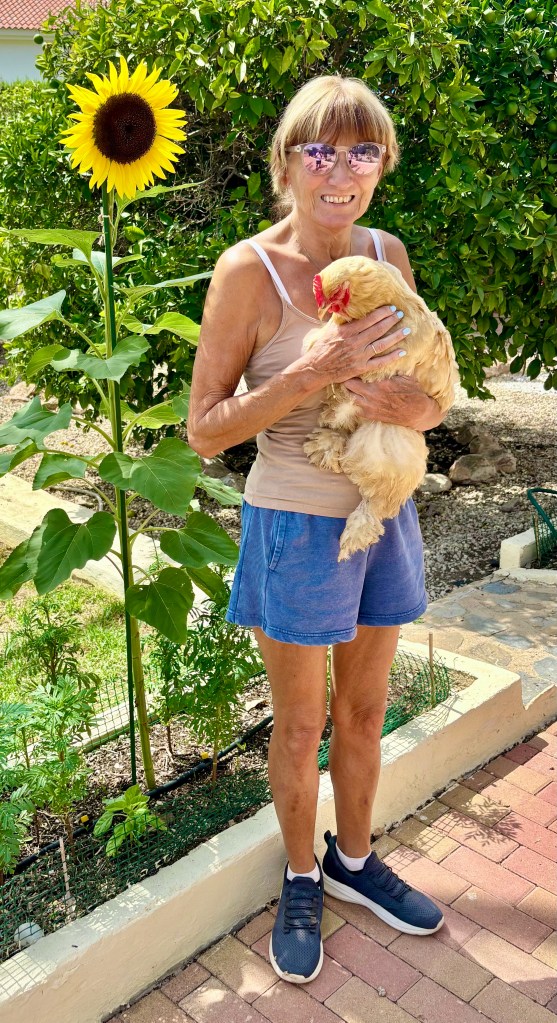
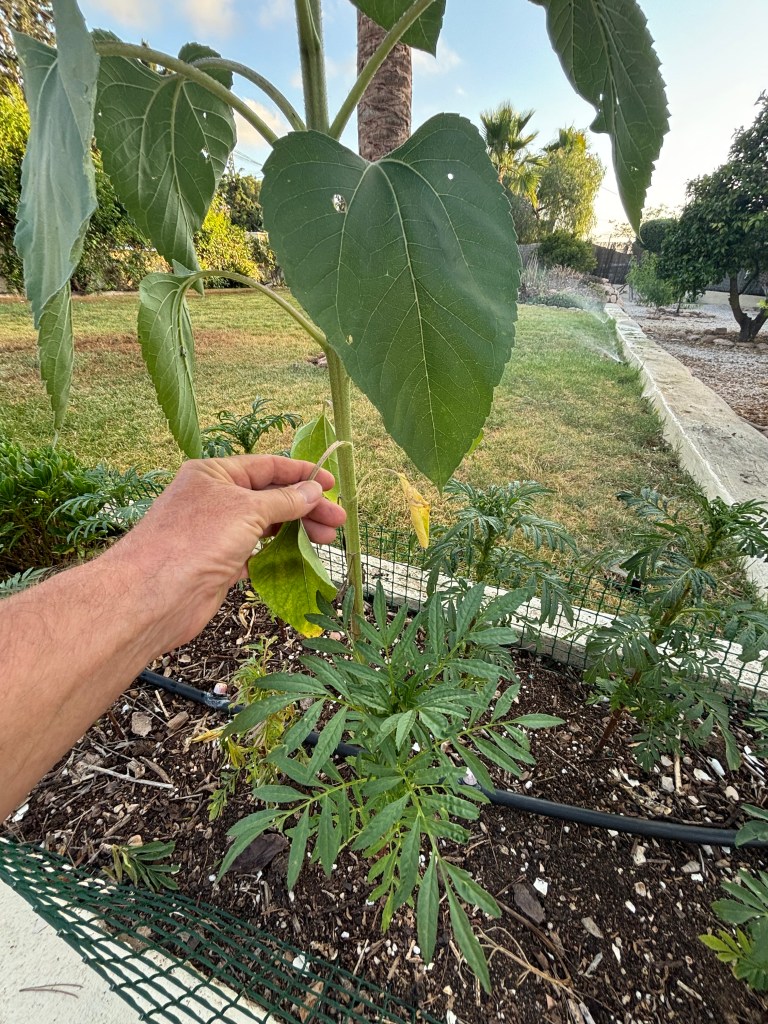
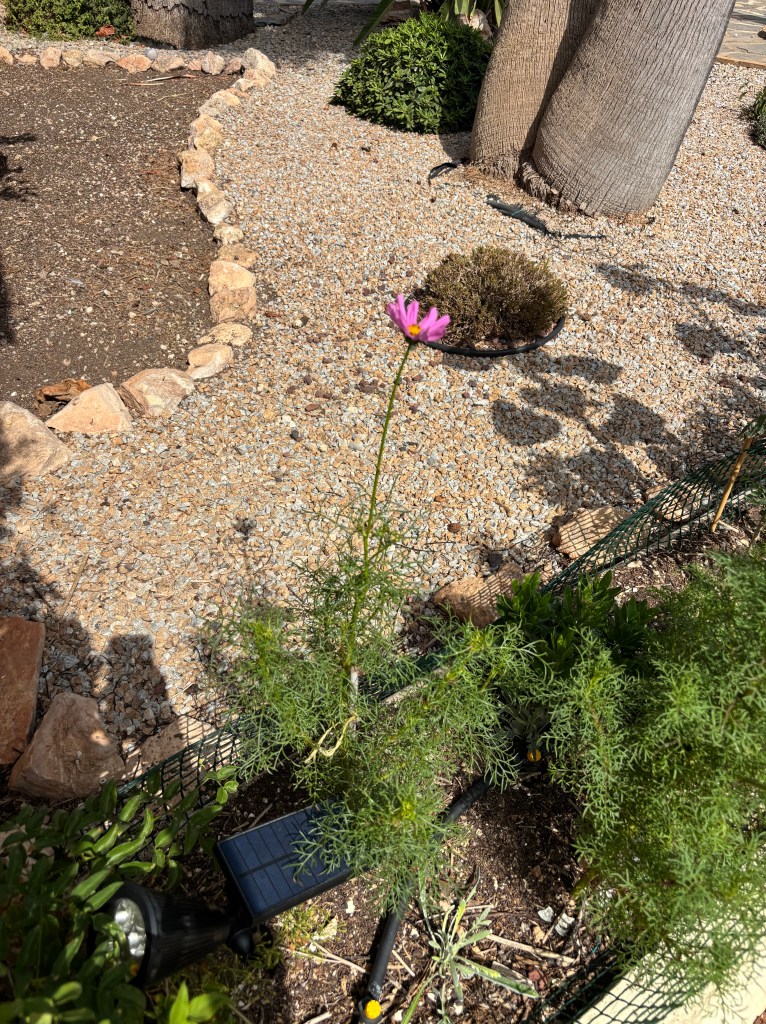
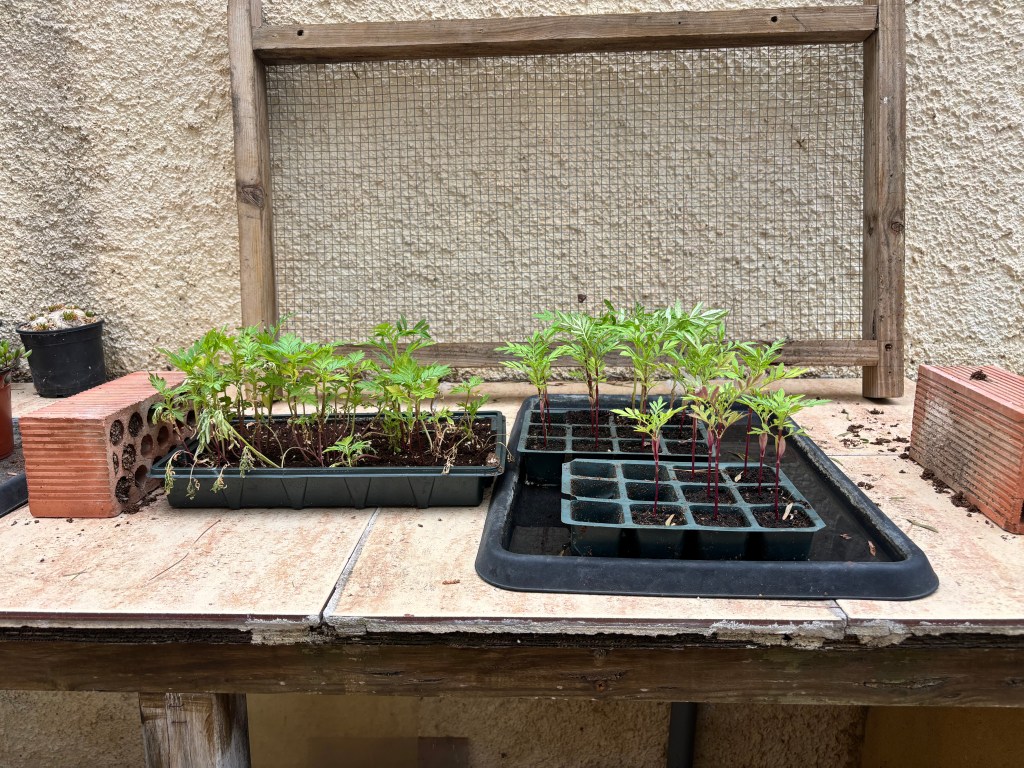
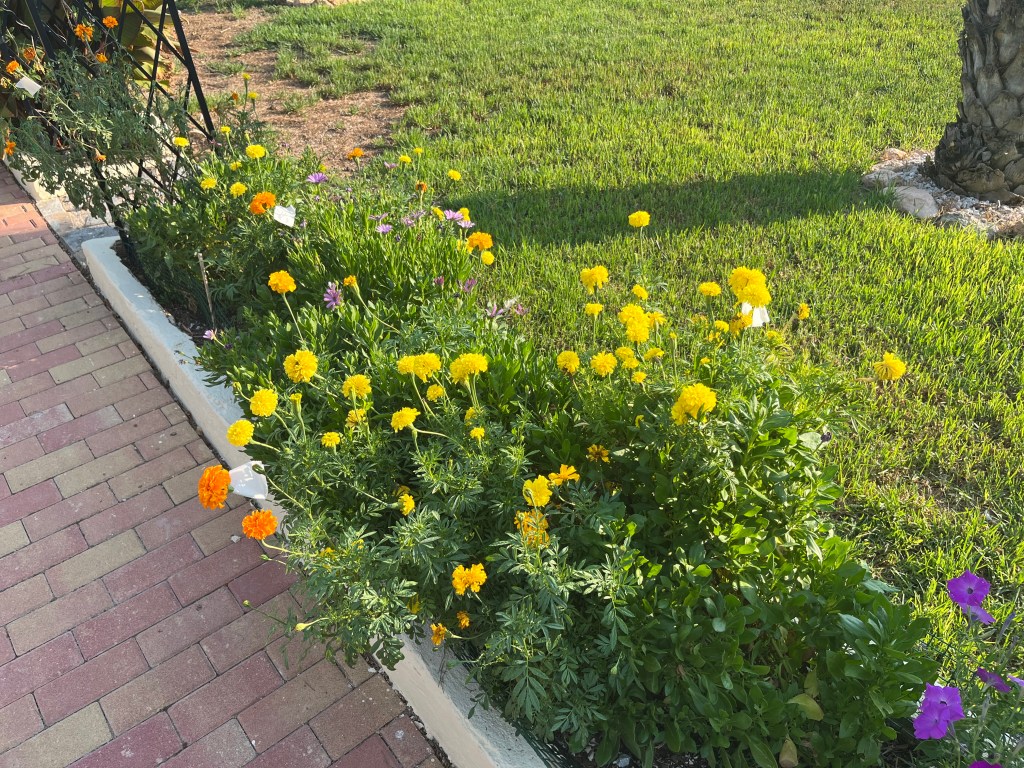
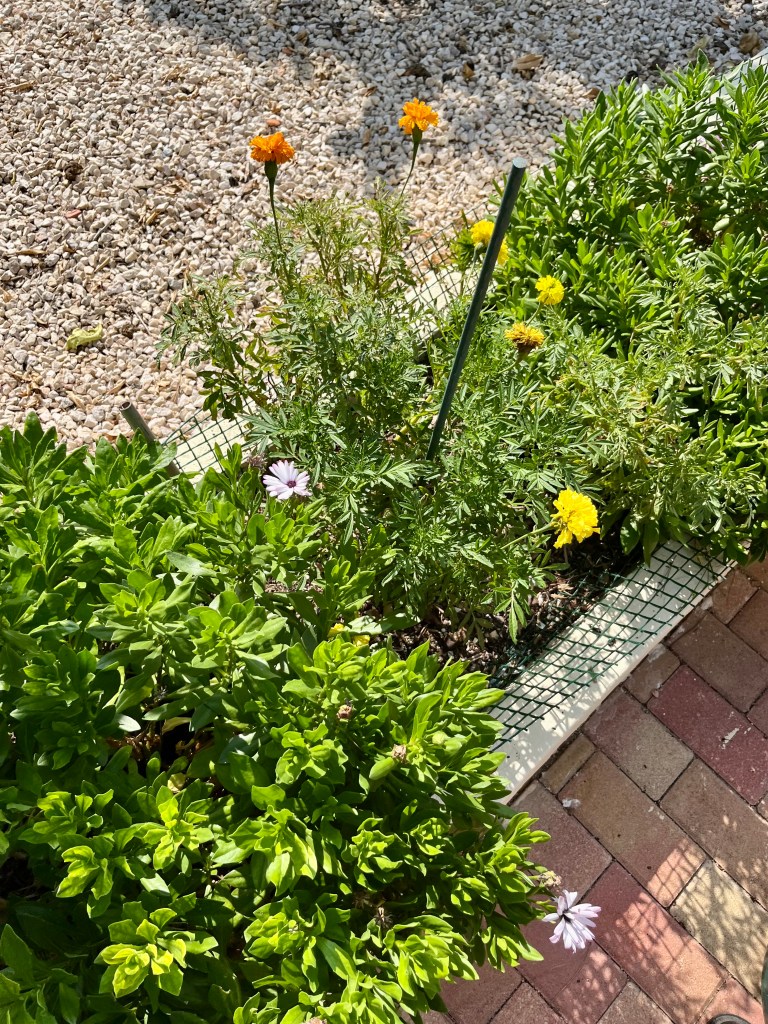
Deadheading and tidying annuals. I grow all my annuals from seed, and where possible I will have selected the seeds from the best flowers in last years growth. If you do this over a number of years you will eventually get strong beautiful flowers. I have been selecting Marigold seeds for over 10 years and now have plants that are almost 2 metres tall. See photo.

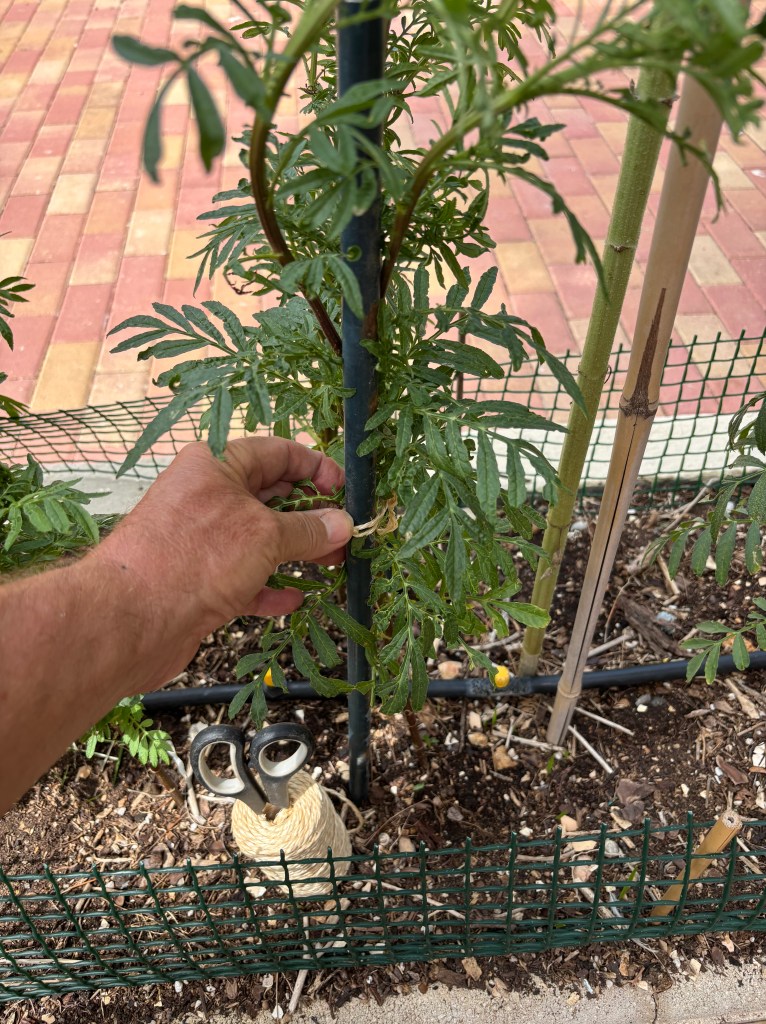
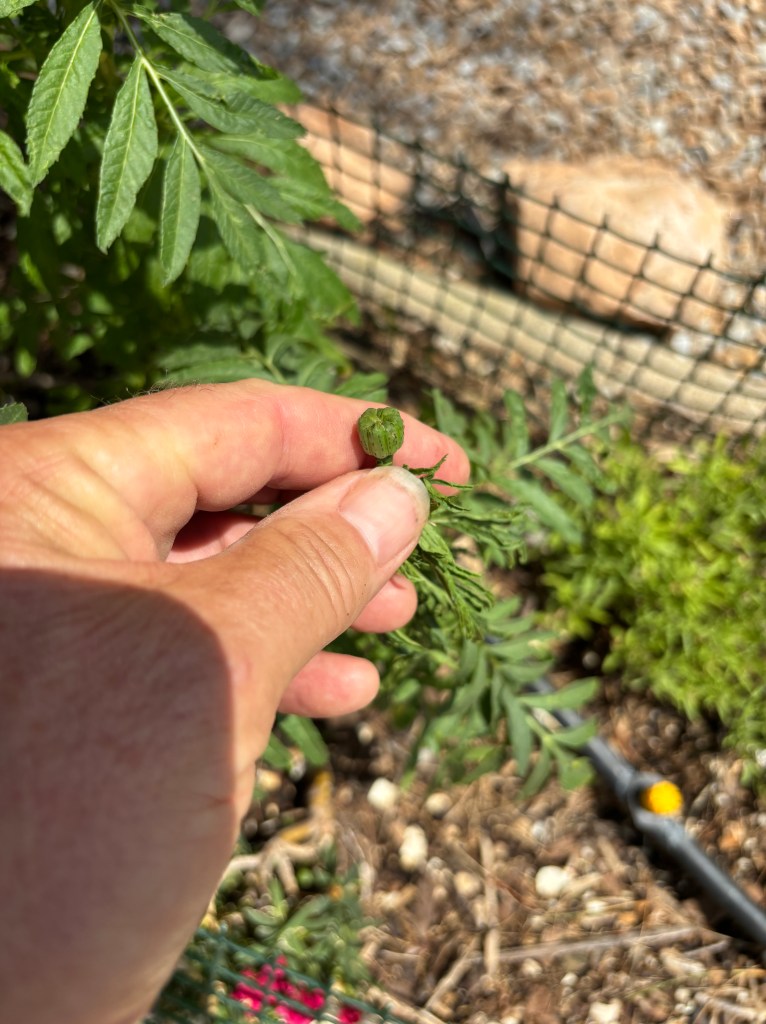
To get plants this strong you need to select and mark up the best flowers in order that you don’t deadhead them (though this does happen!). The photo below shows my selected Marigolds marked up with masking tape ready for me to collect seed later this year.
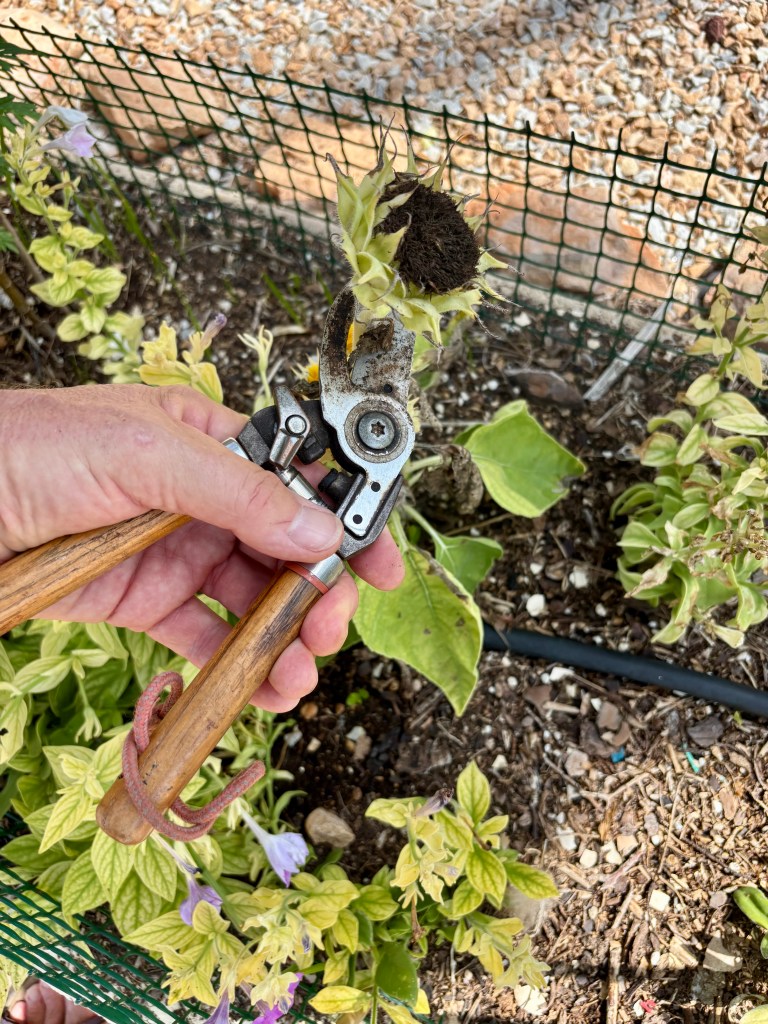
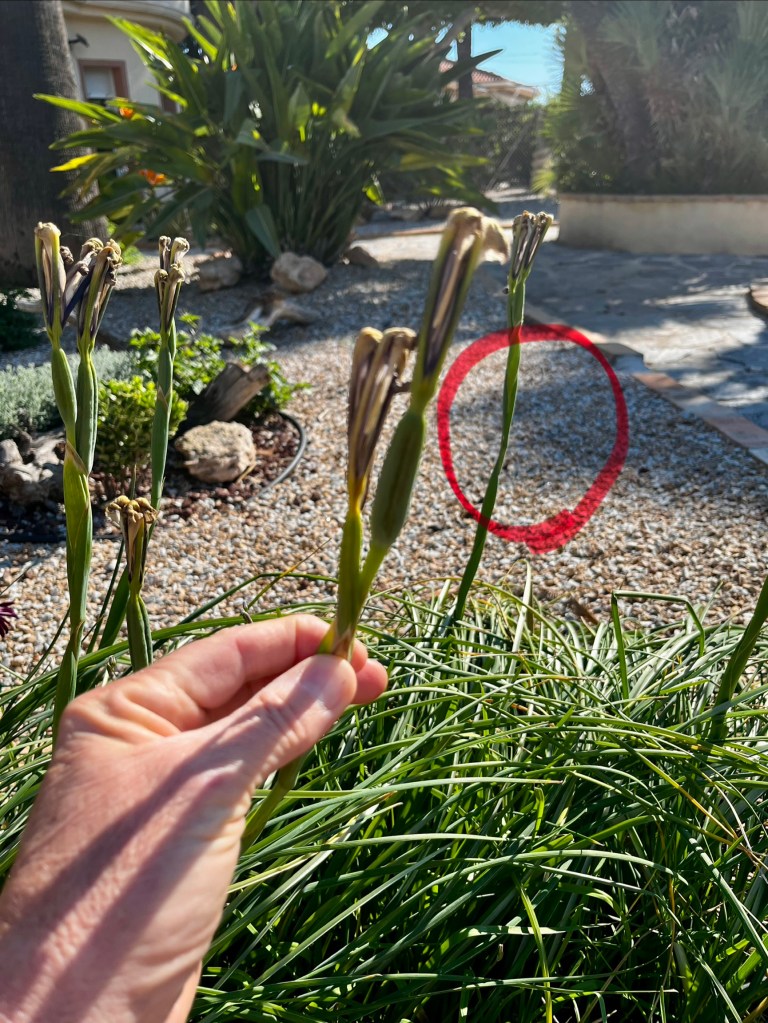
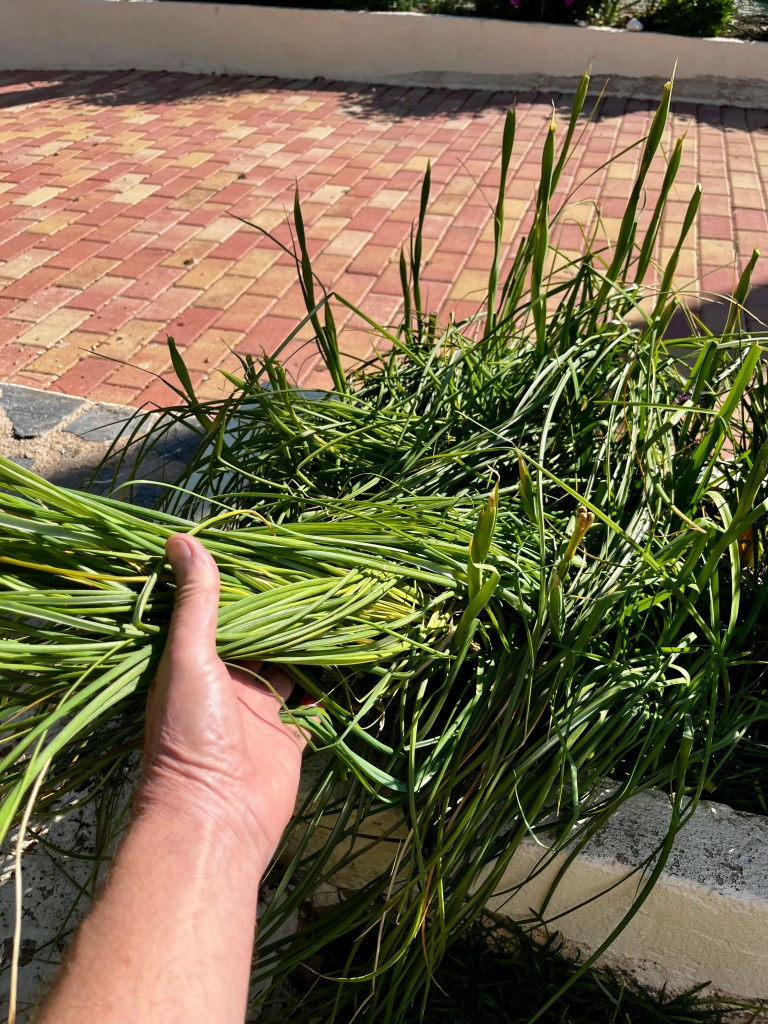
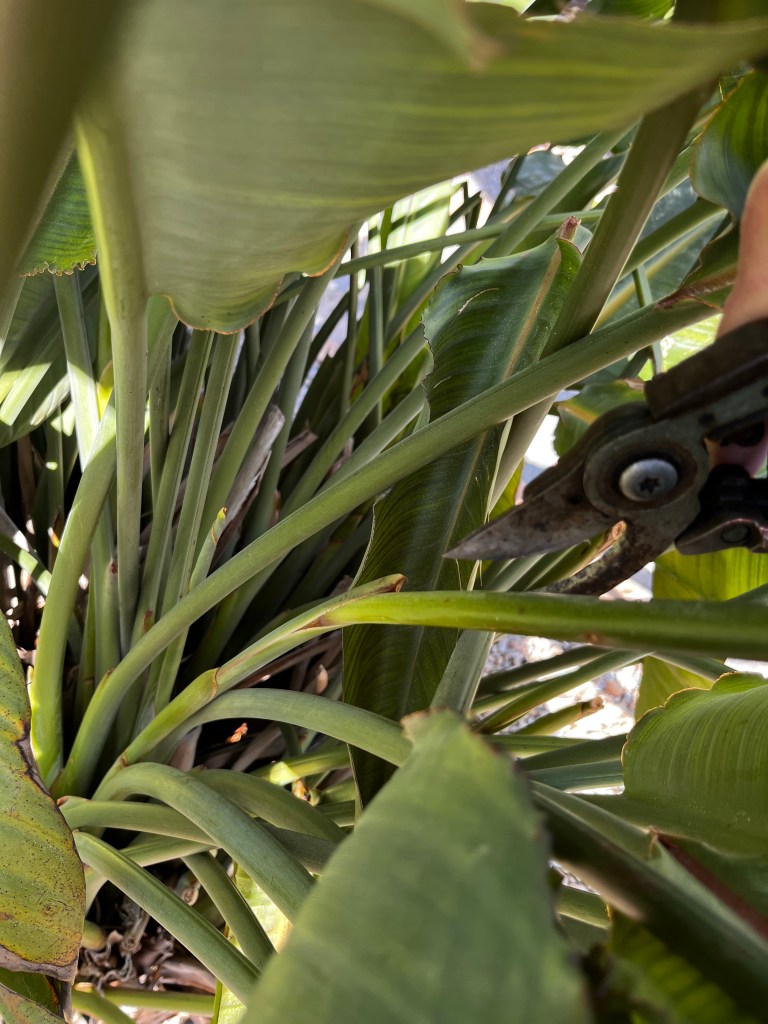
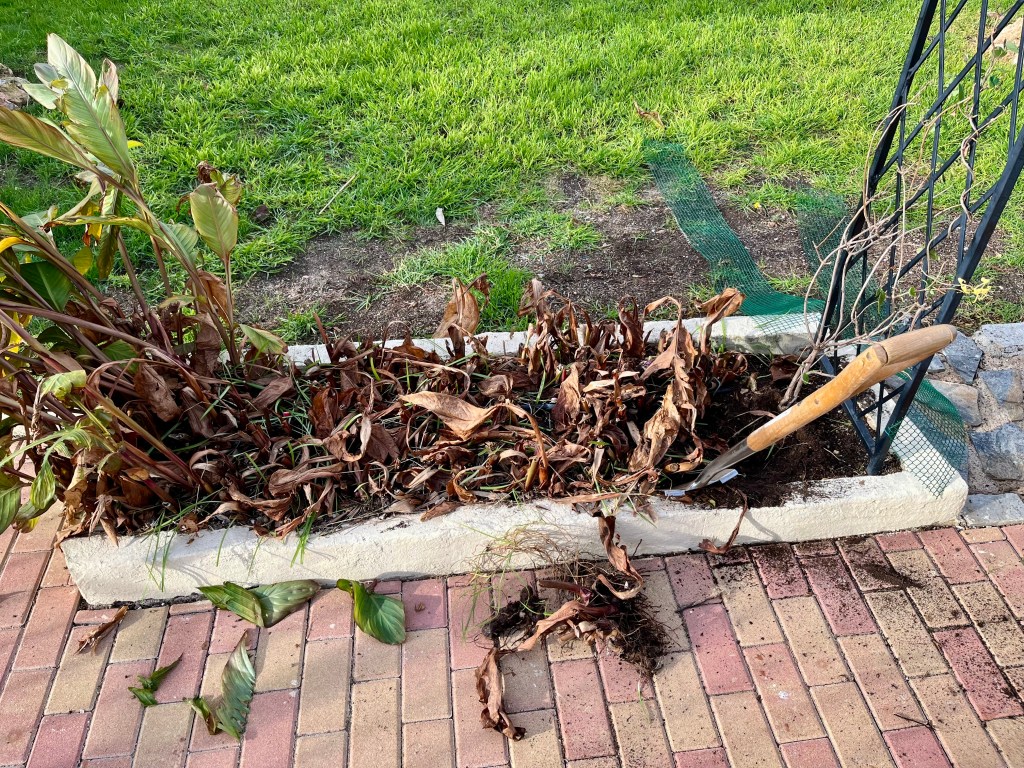
Finally, when dealing with this summer’s flowers you need to deadhead your Cannas. Do not touch the foliage as you need to let this die right back to feed the rhizome. Just take off the flower spike and watch the foliage die gracefully. The photo below shows you where to cut.
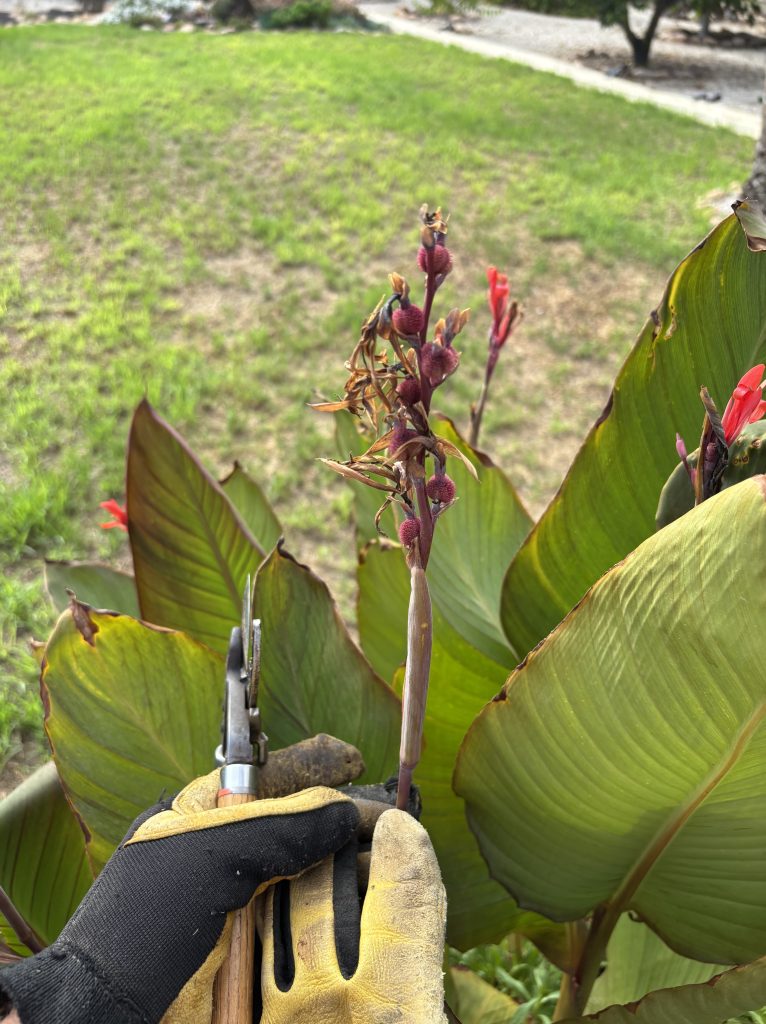
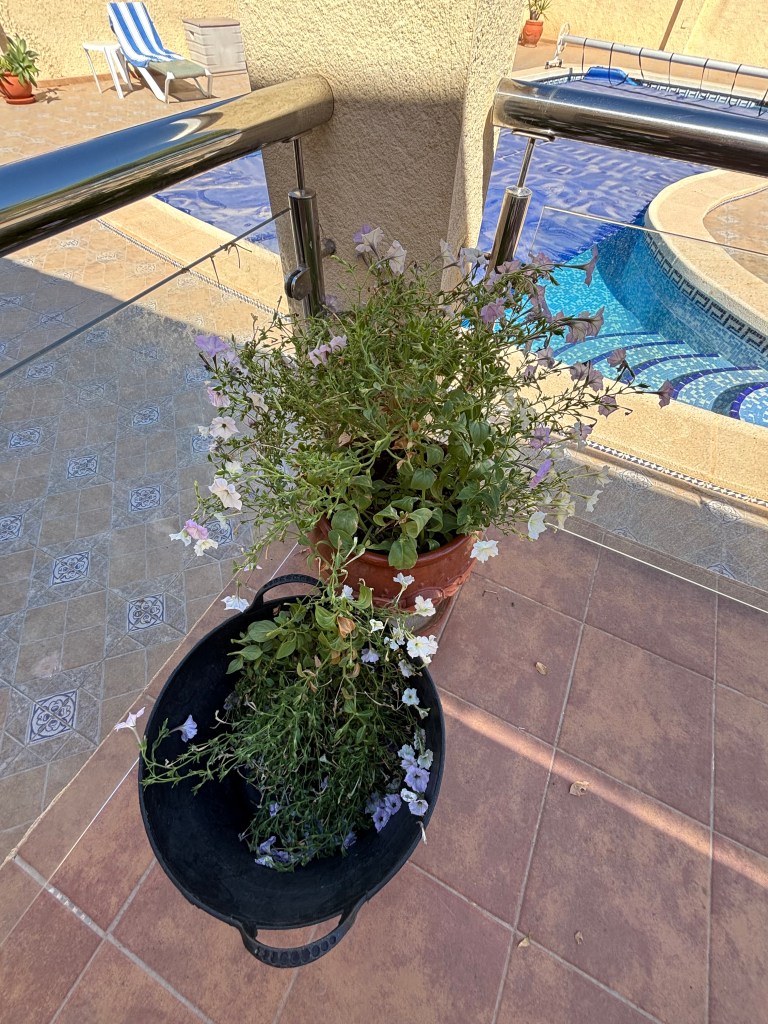
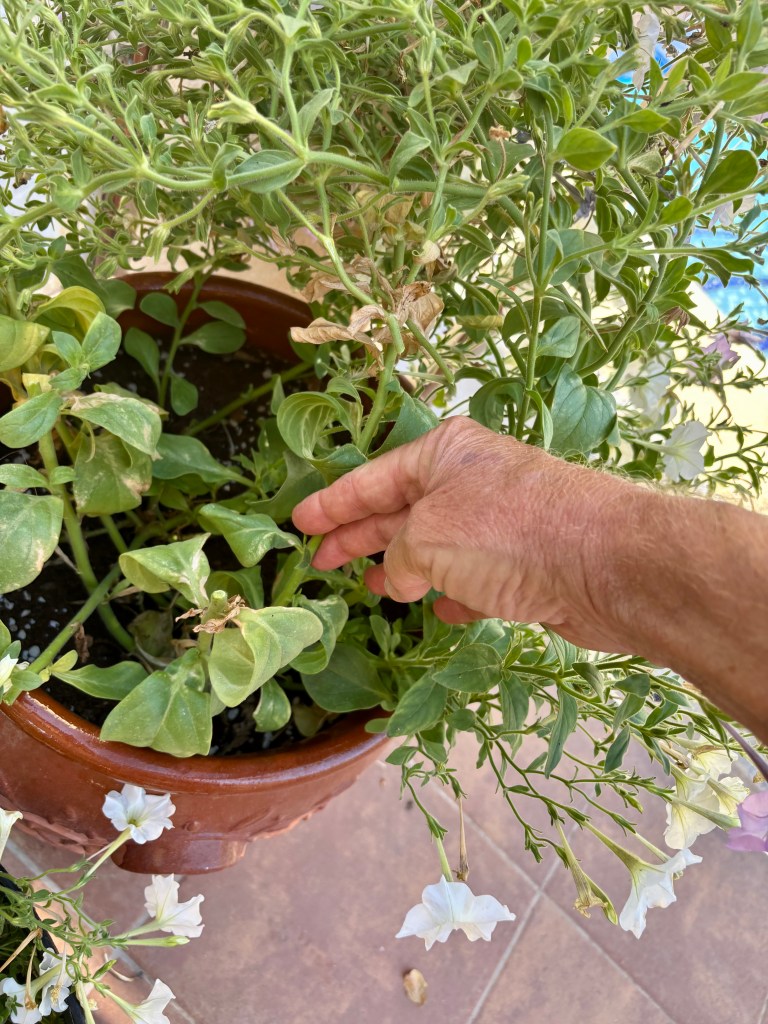
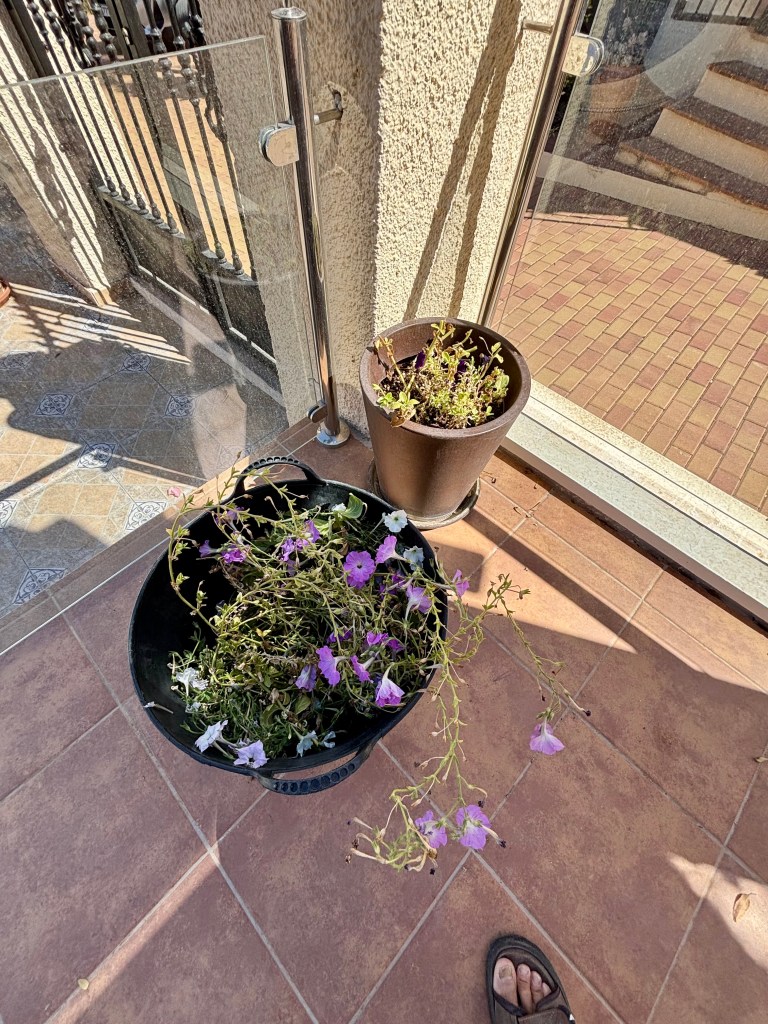
Cutting back trailing plants to stop wind damage. Lovely though the current rains are, they unfortunately can bring strong winds that will damage trailing and climbing plants or those plants in pots with “whippy” growth. At the moment this means the trailing plants on windows at the back of my house and my chilli plants. Both are in danger now but others will need dealing with later this month.
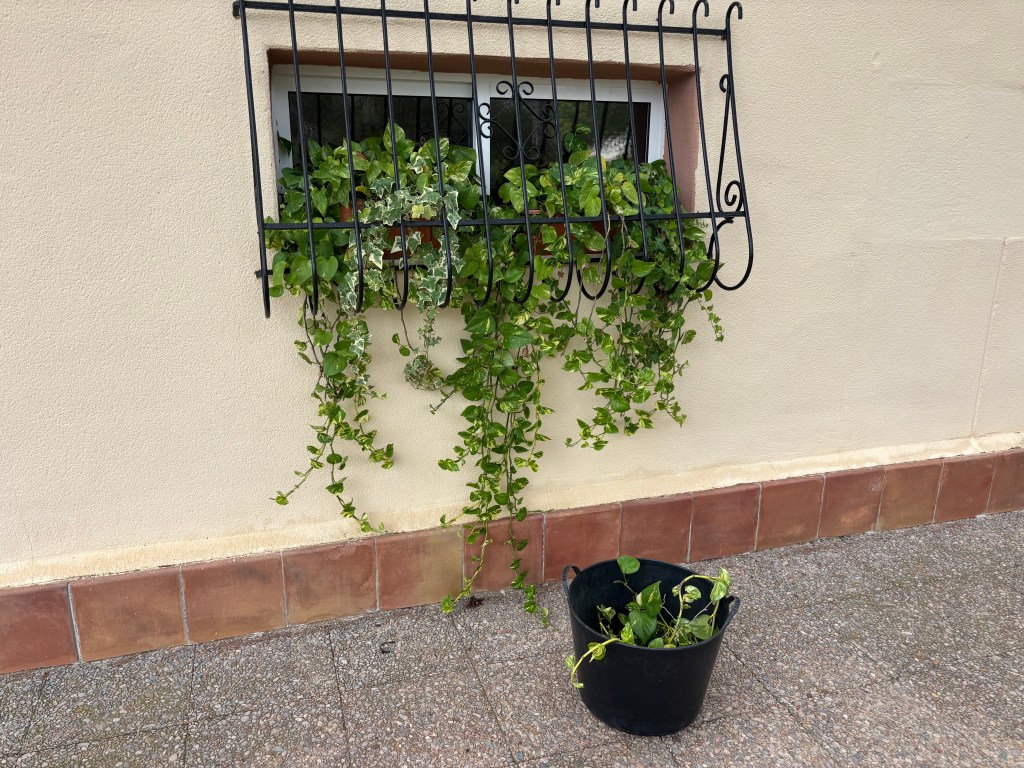
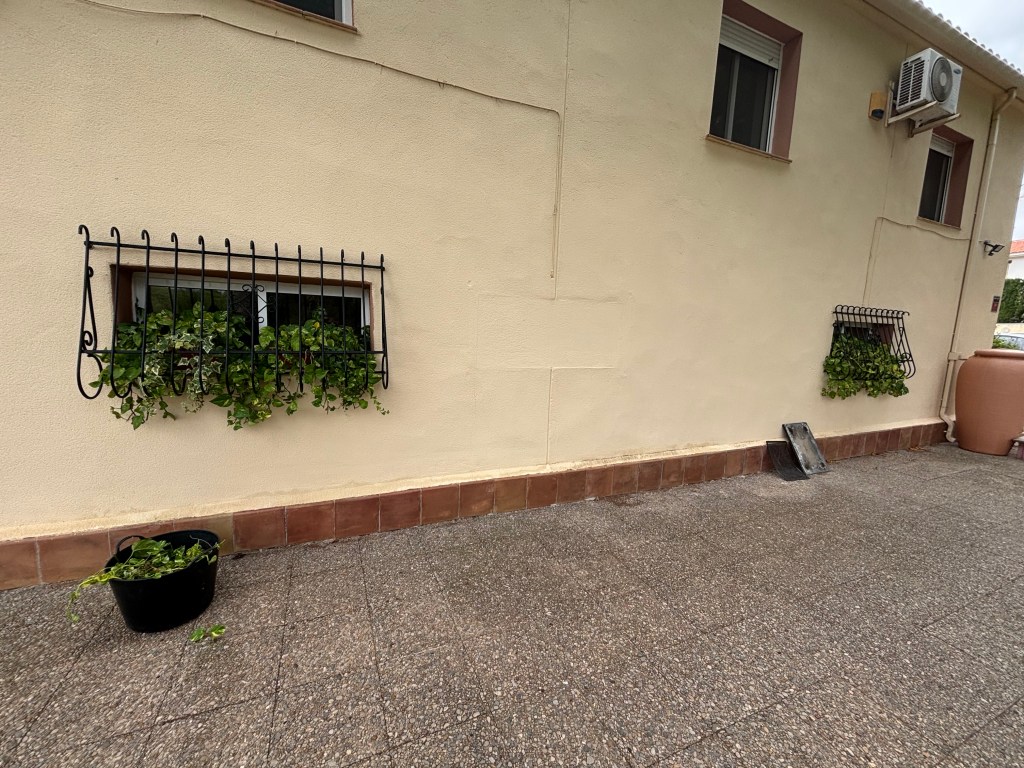
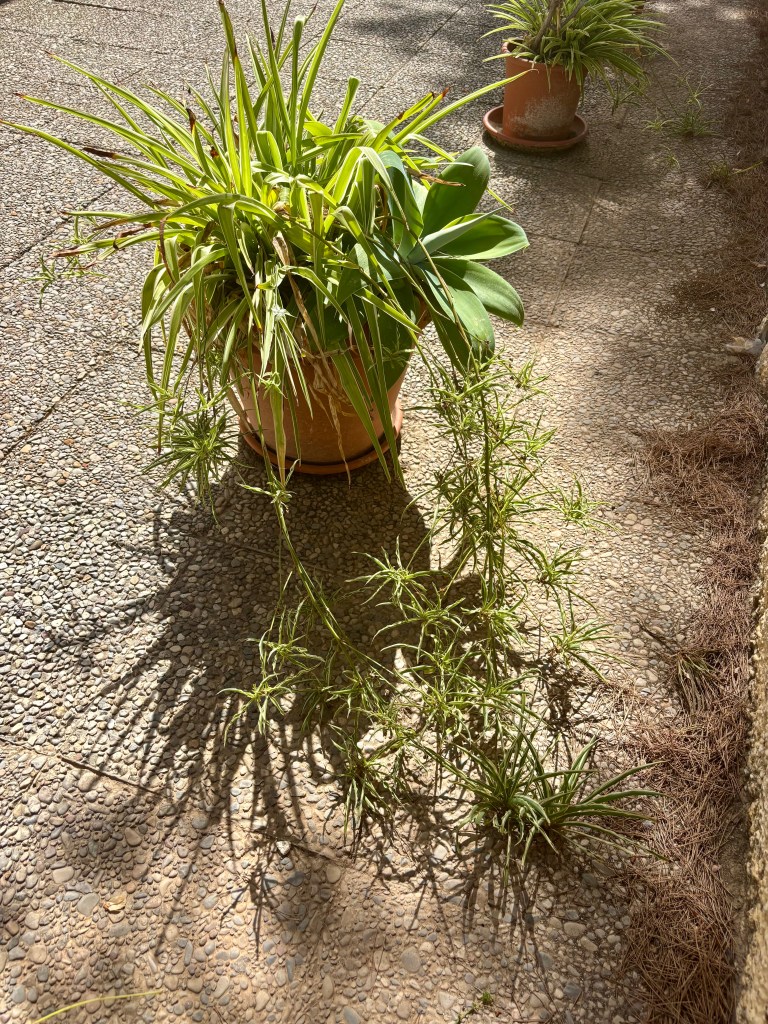
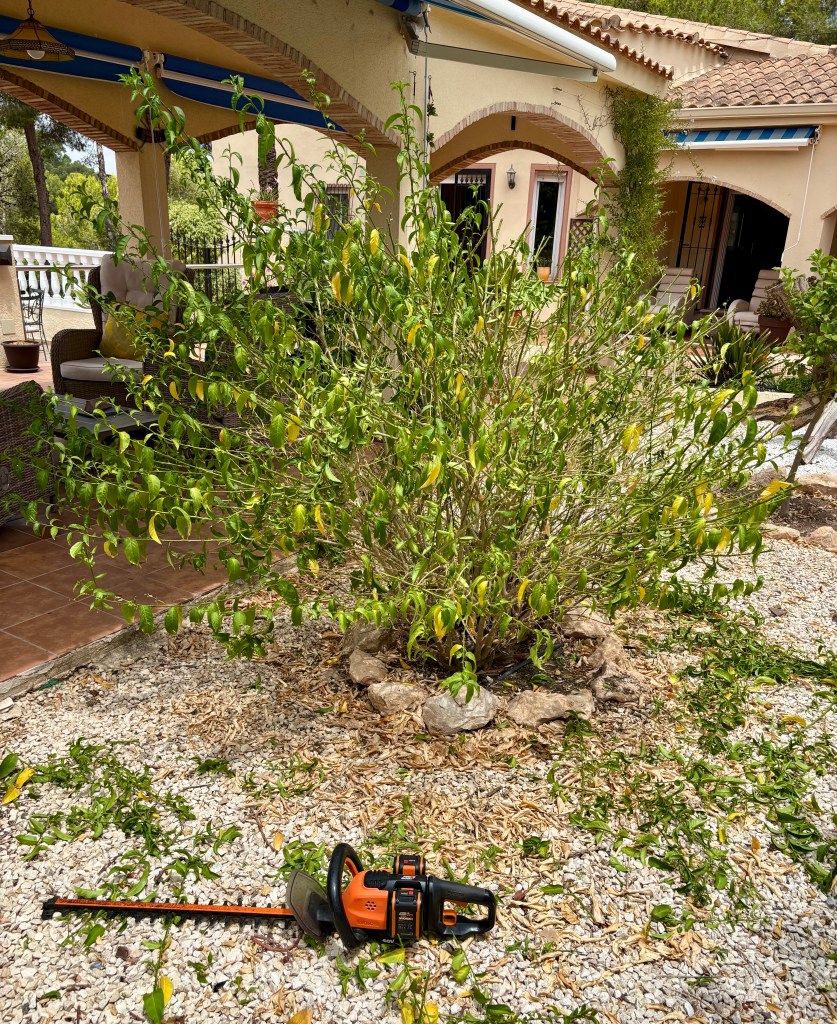
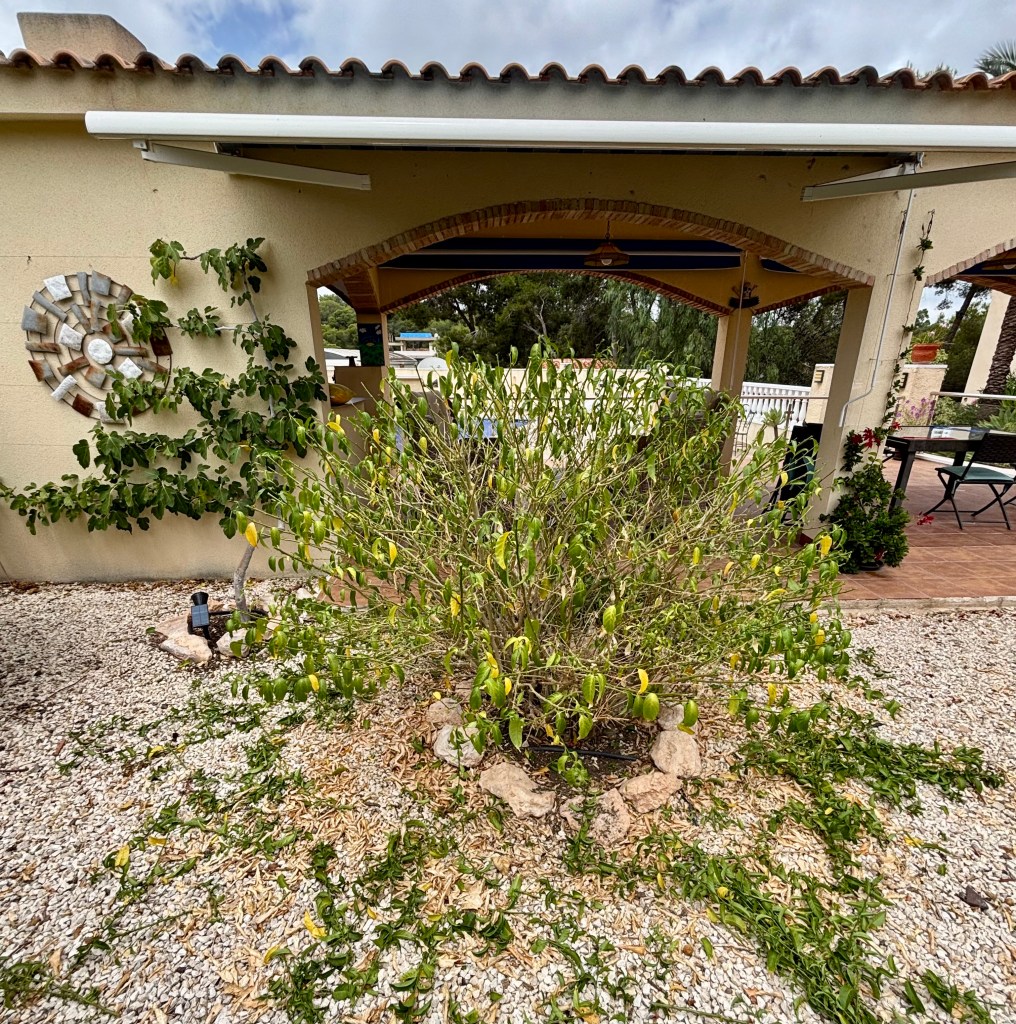
Turning first to my window trailing plants. I have grown a selection of ivy and Golden Pothus etc at the back of my house that is north facing. This suits this type of plant and brings some colour to an otherwise shaded area. If I don’t cut these plants back then the wind will whip them around and tear them apart. The first photo shows one of the untrimmed windows, whilst the second shows all the window plants trimmed back and safe from the wind.
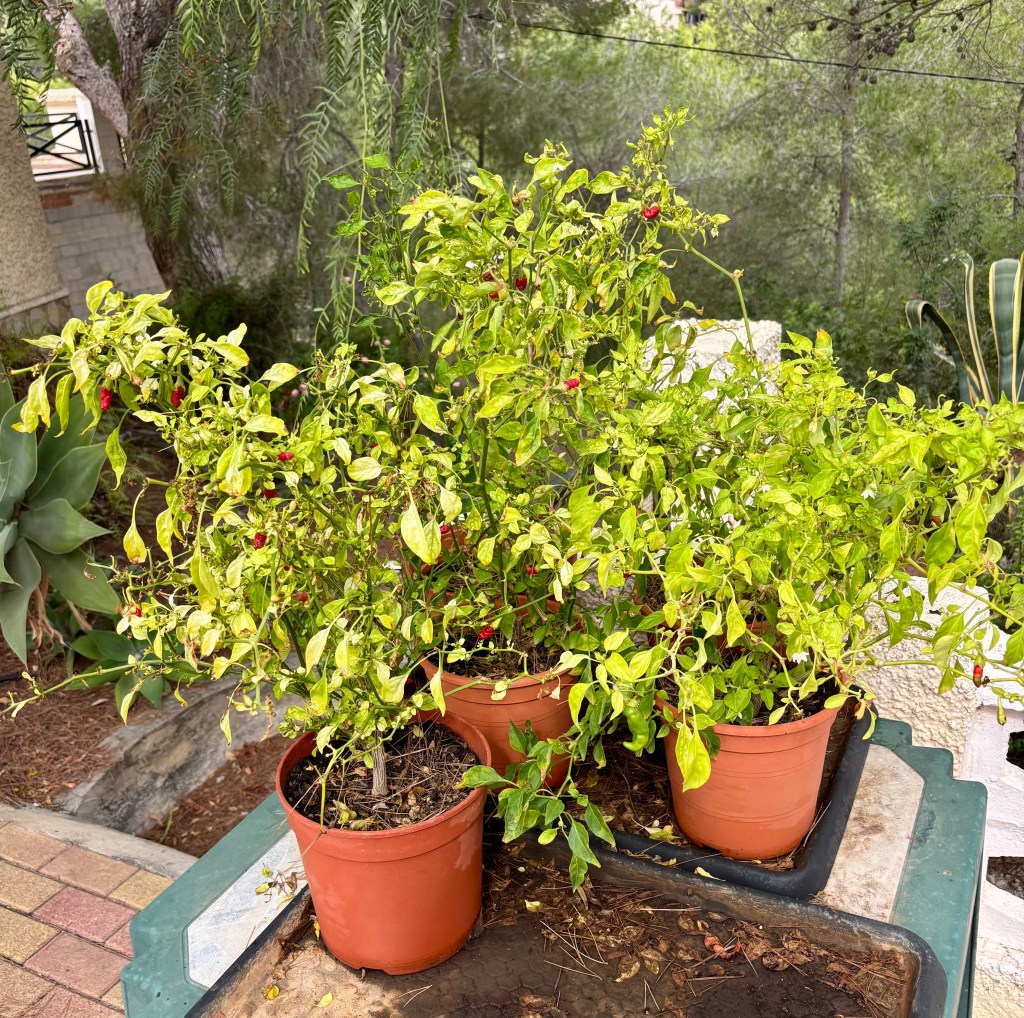
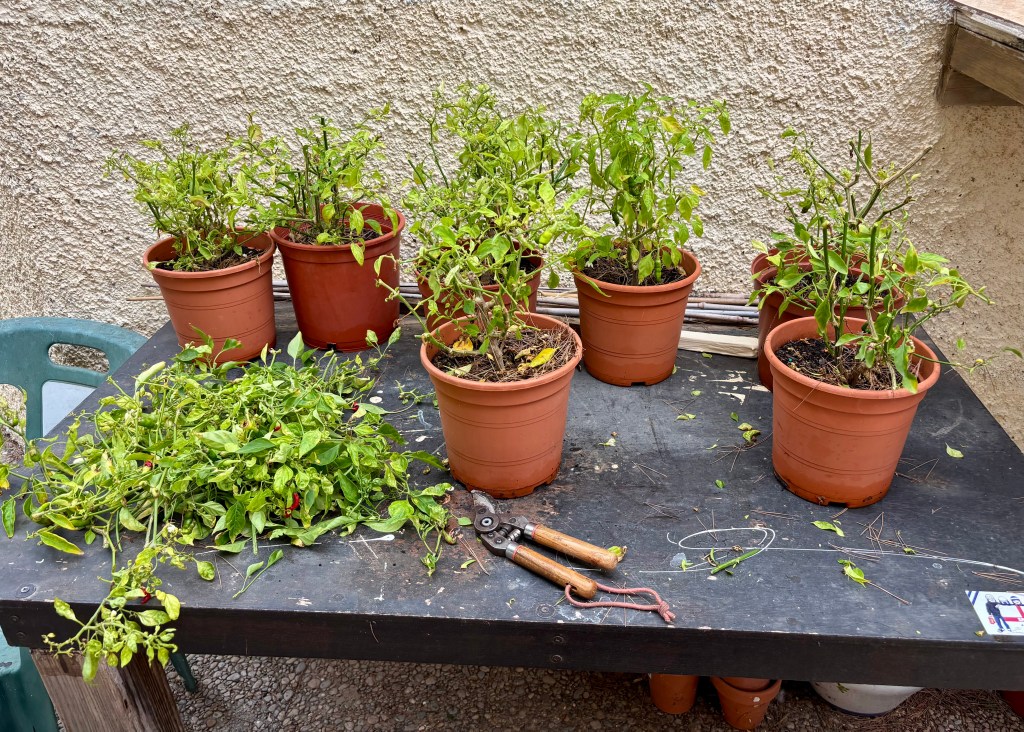
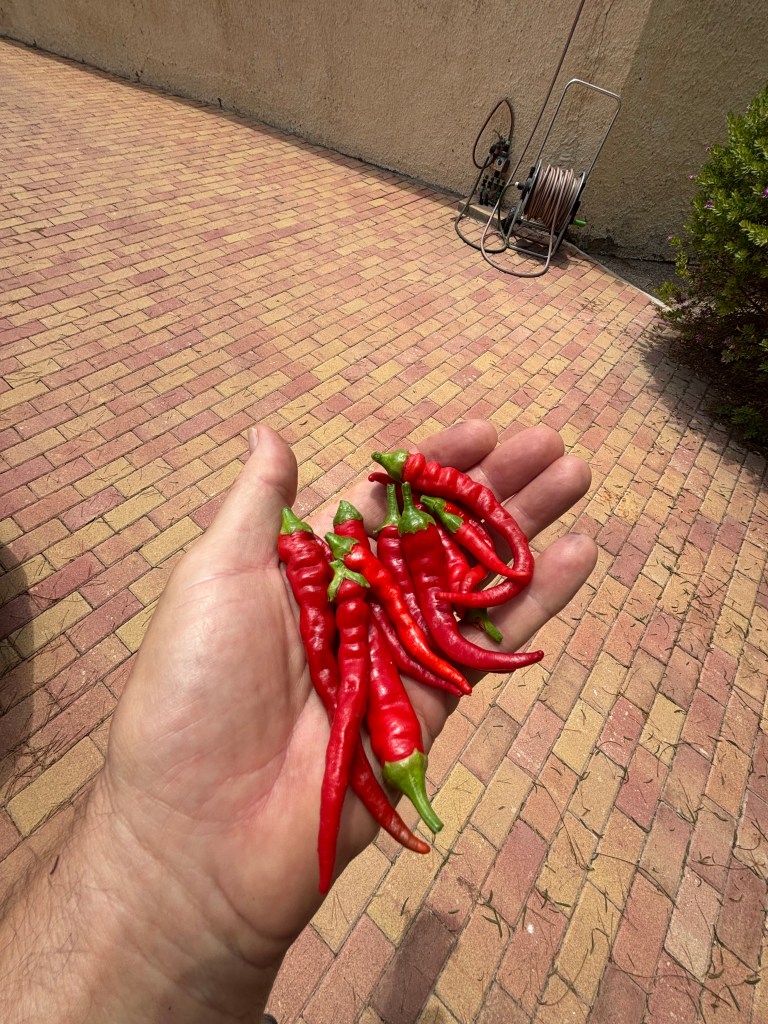
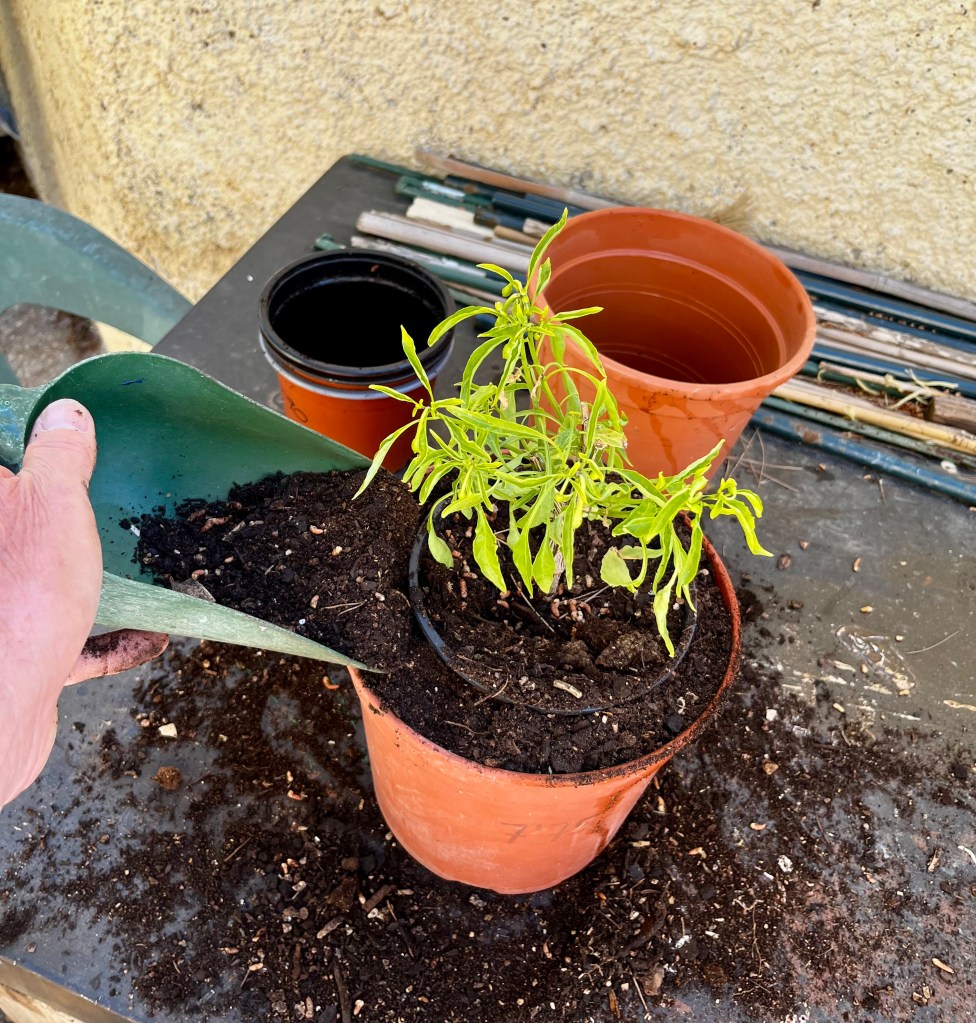
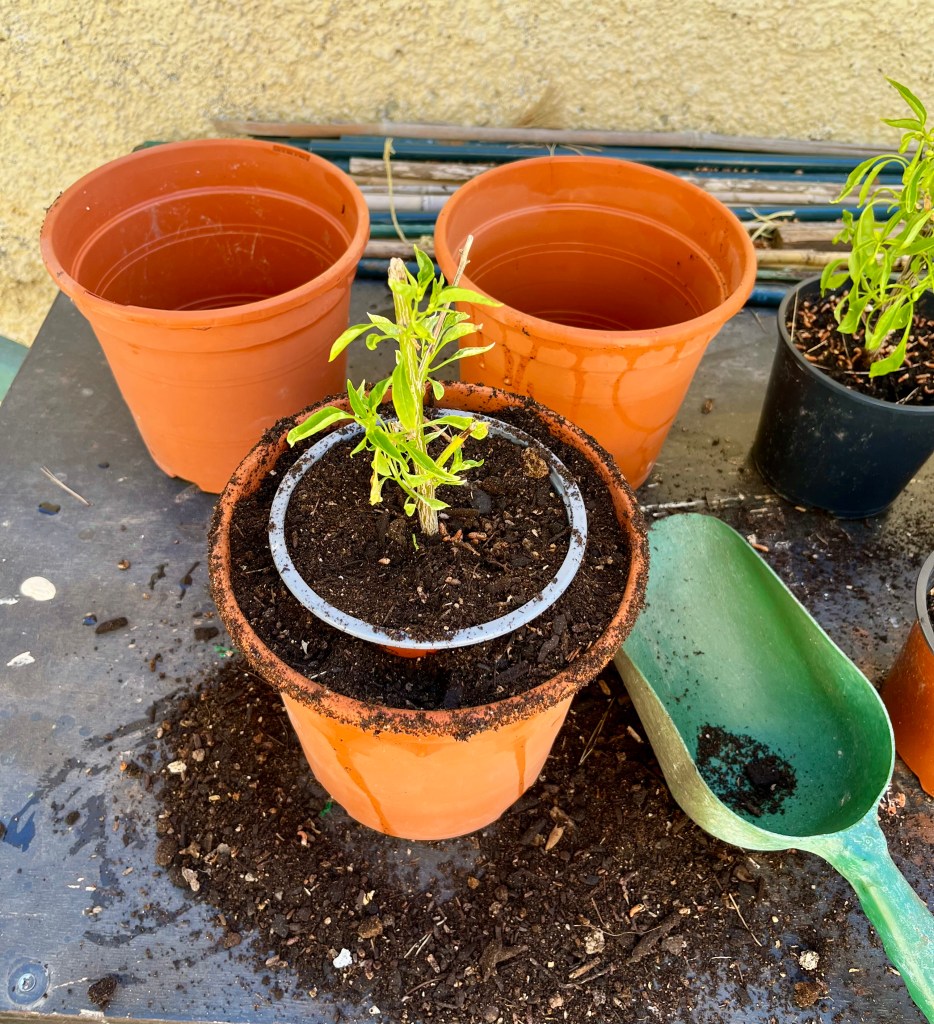
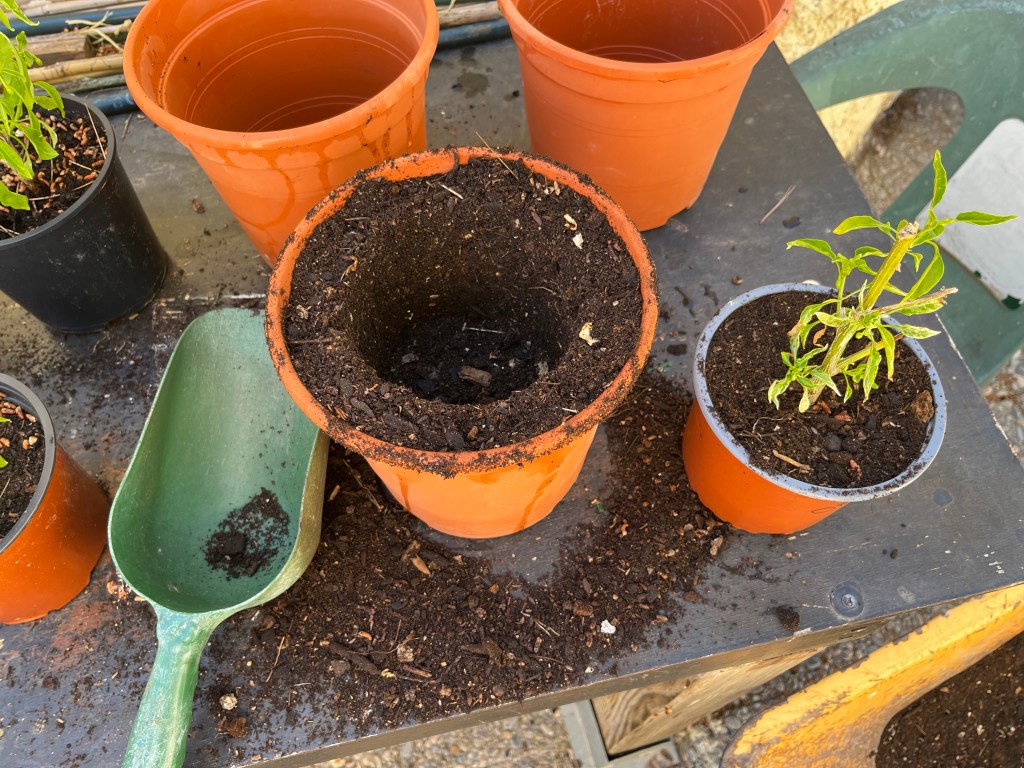
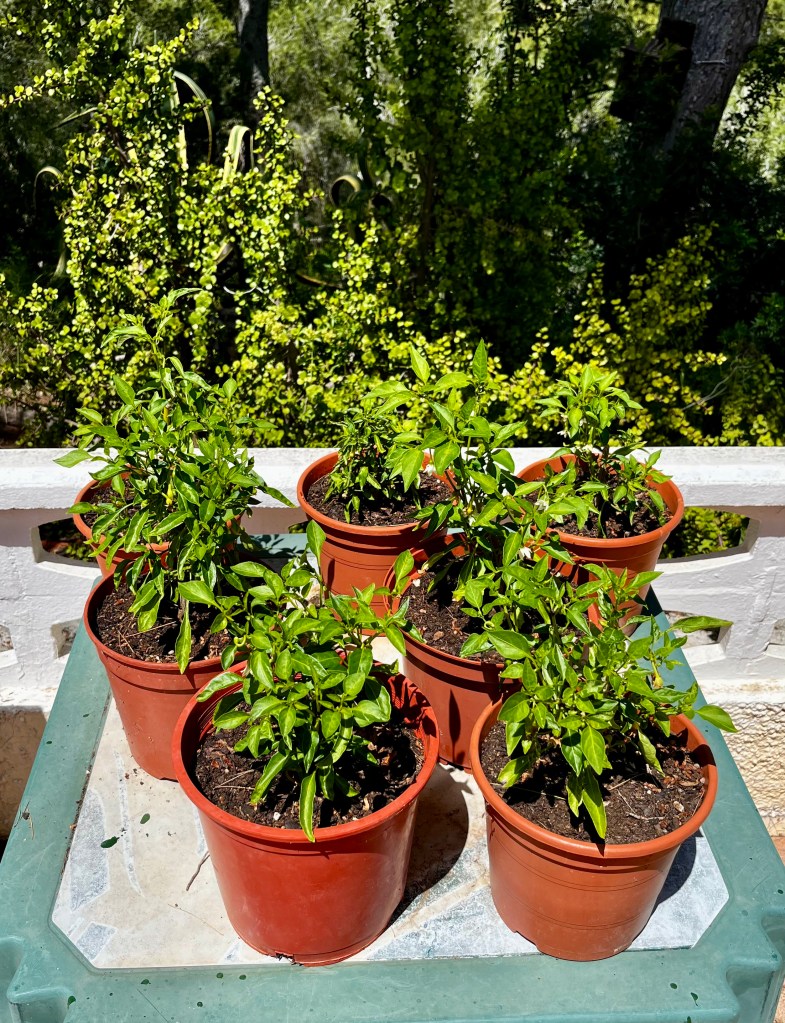
My Chillis will need cutting right back and root trimmed, but not quite yet. At the moment I just need to cut them back a bit, take off all the little fruits, give them a feed and make sure the wind doesn’t destroy them. I will come back to them in a month or so when they have stopped growing. The photos below show my Chillis before and after their trim.
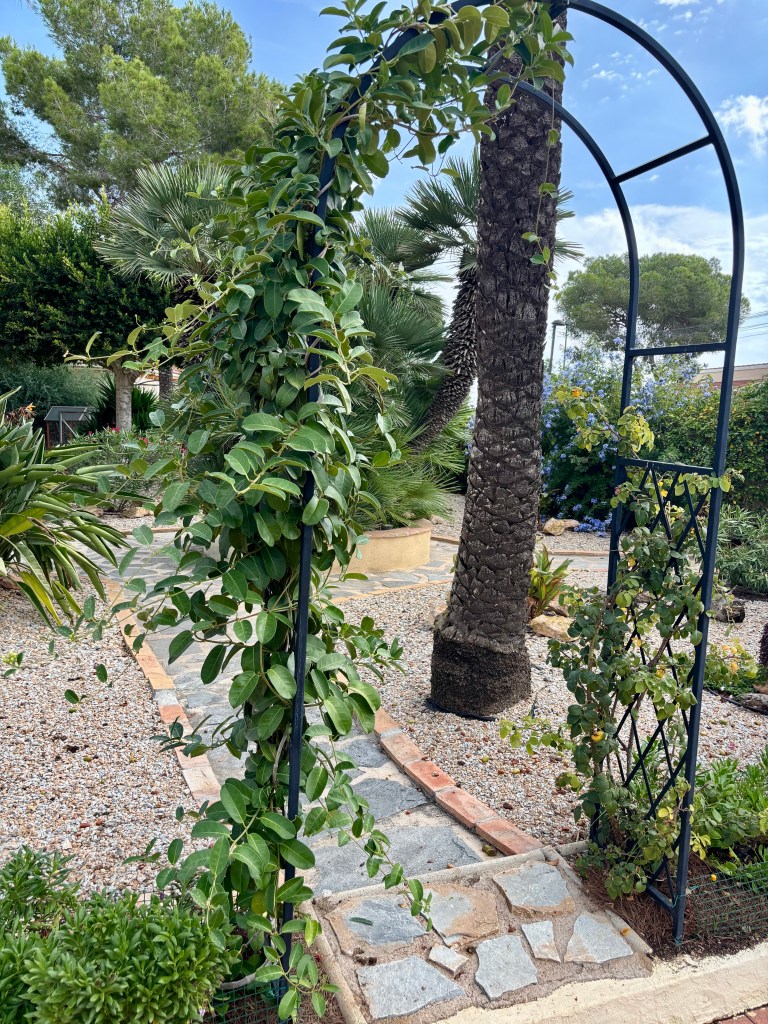
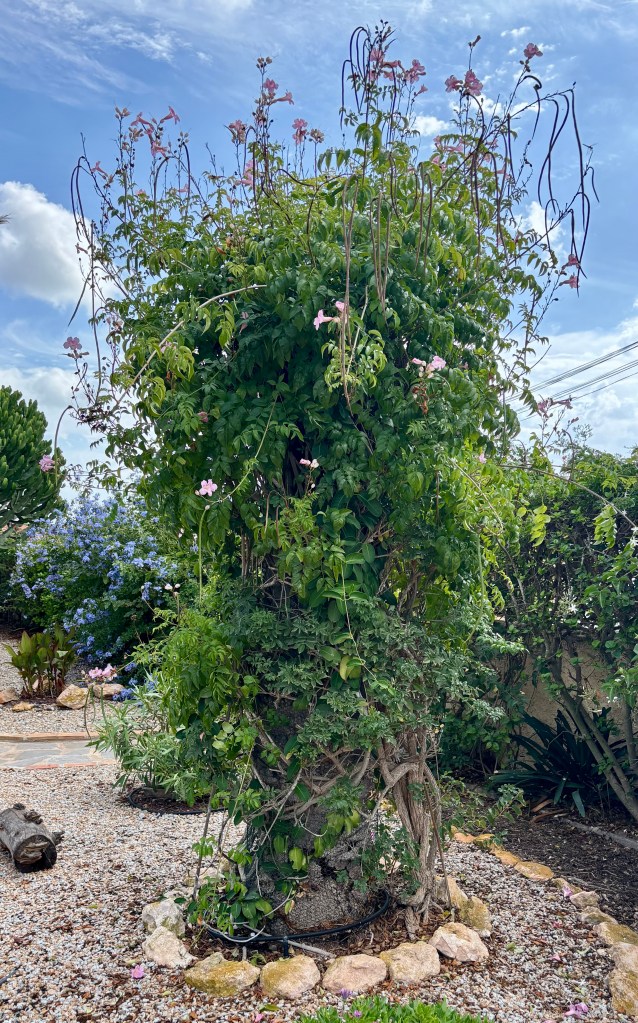
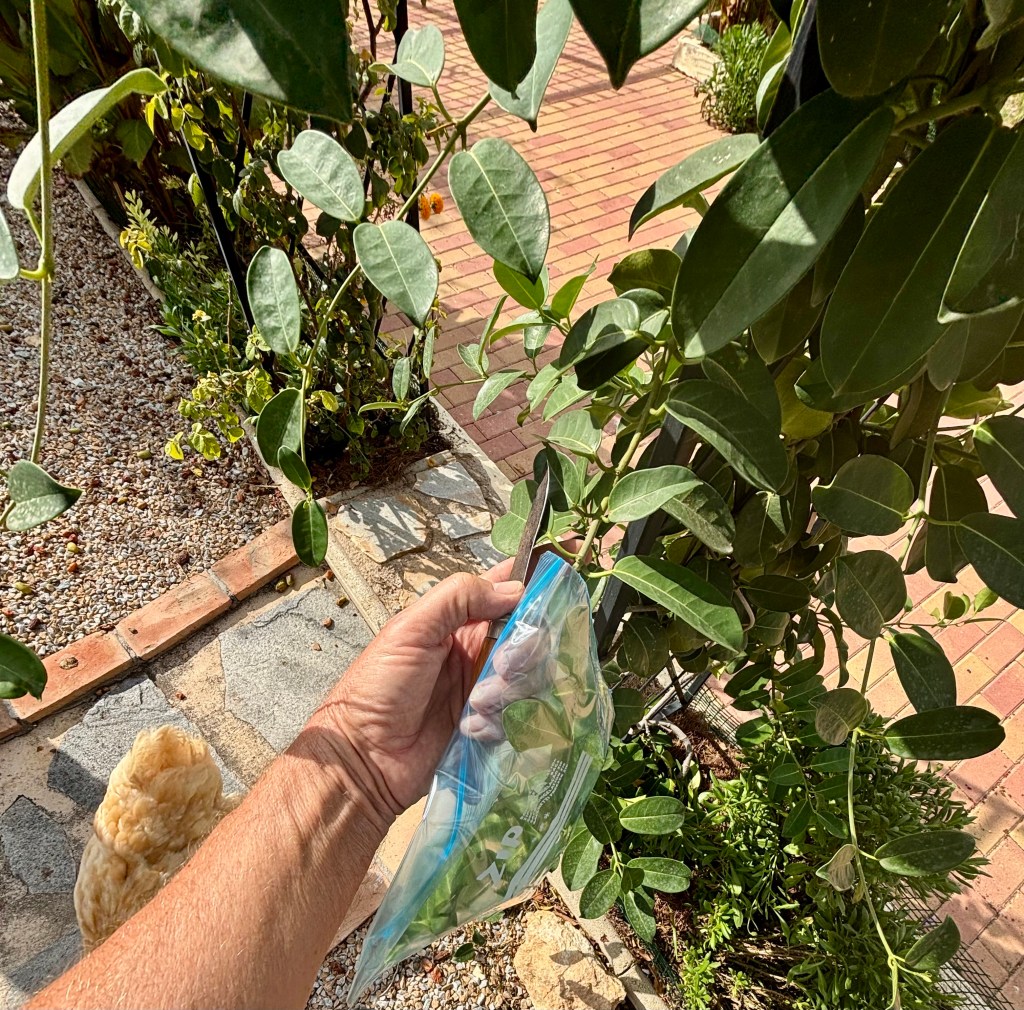
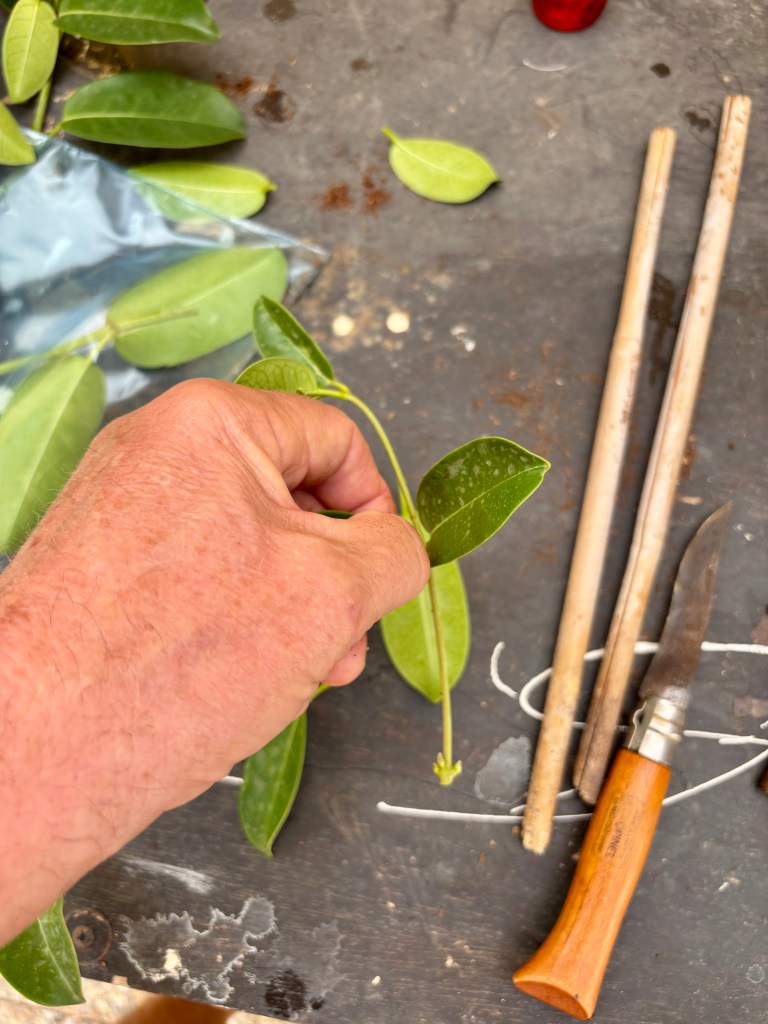
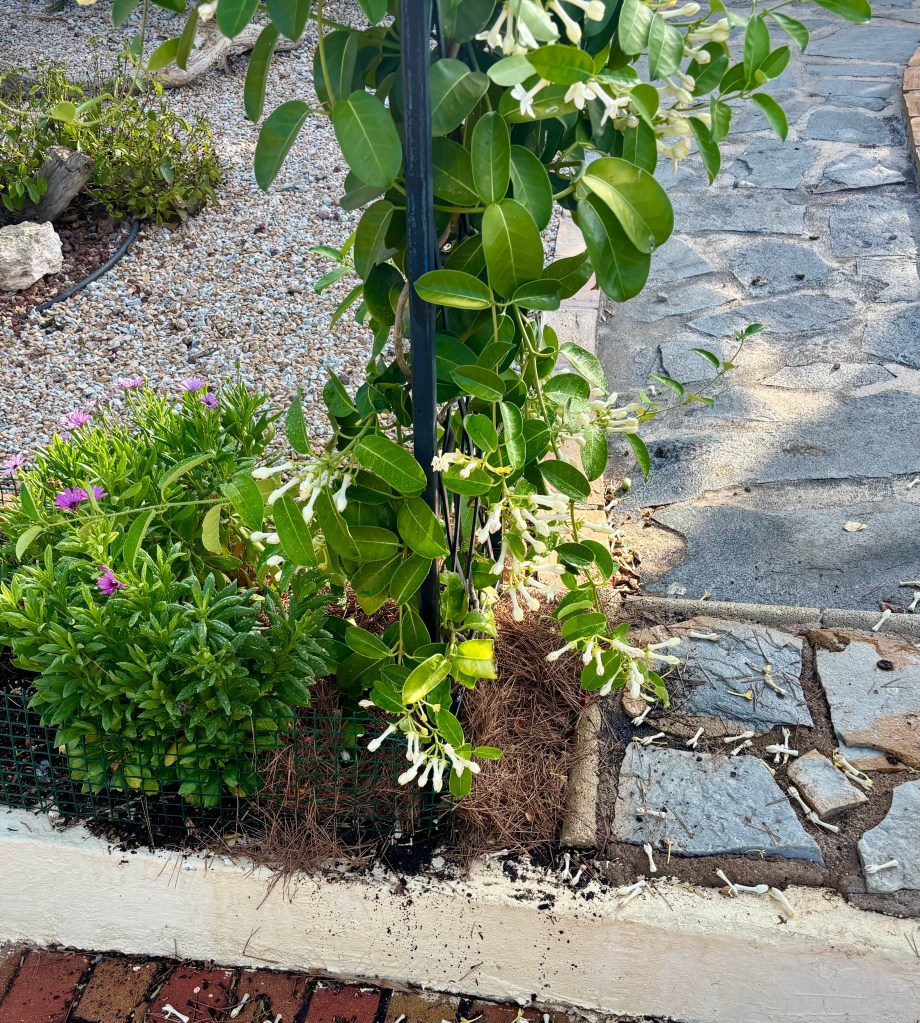
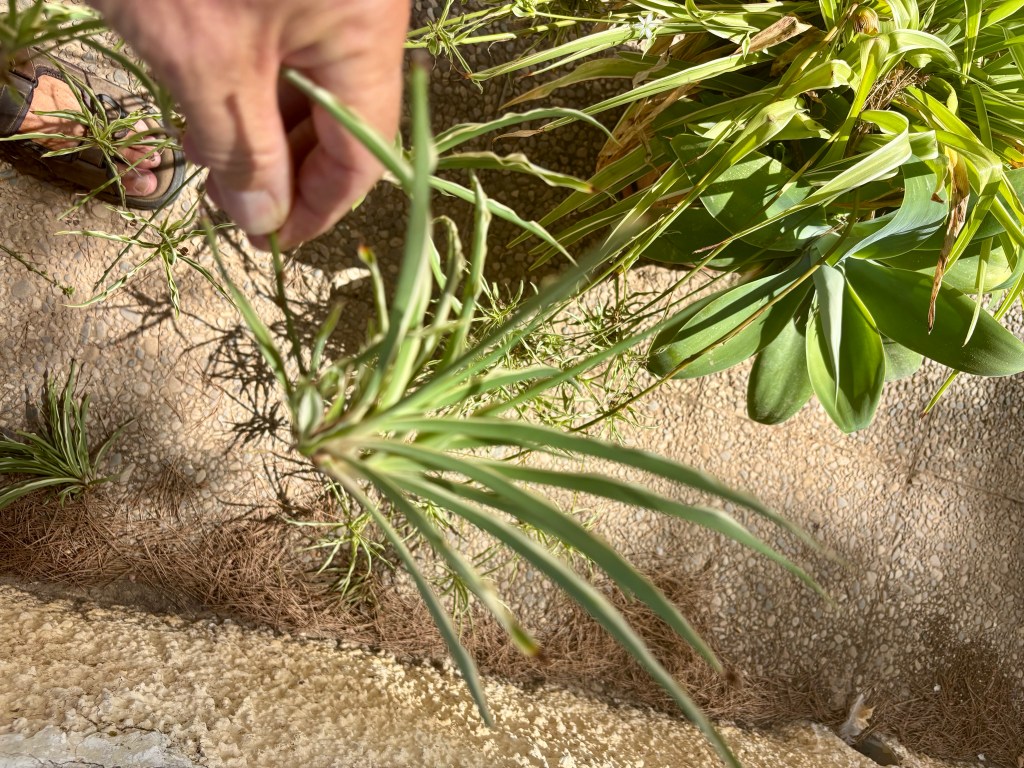
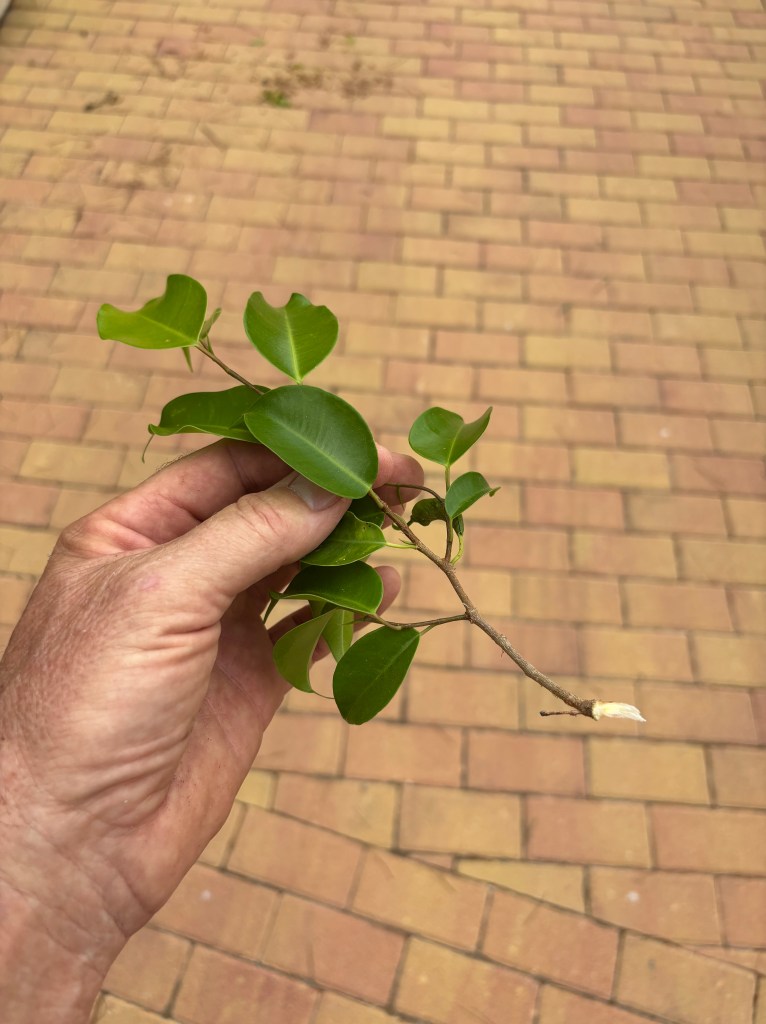
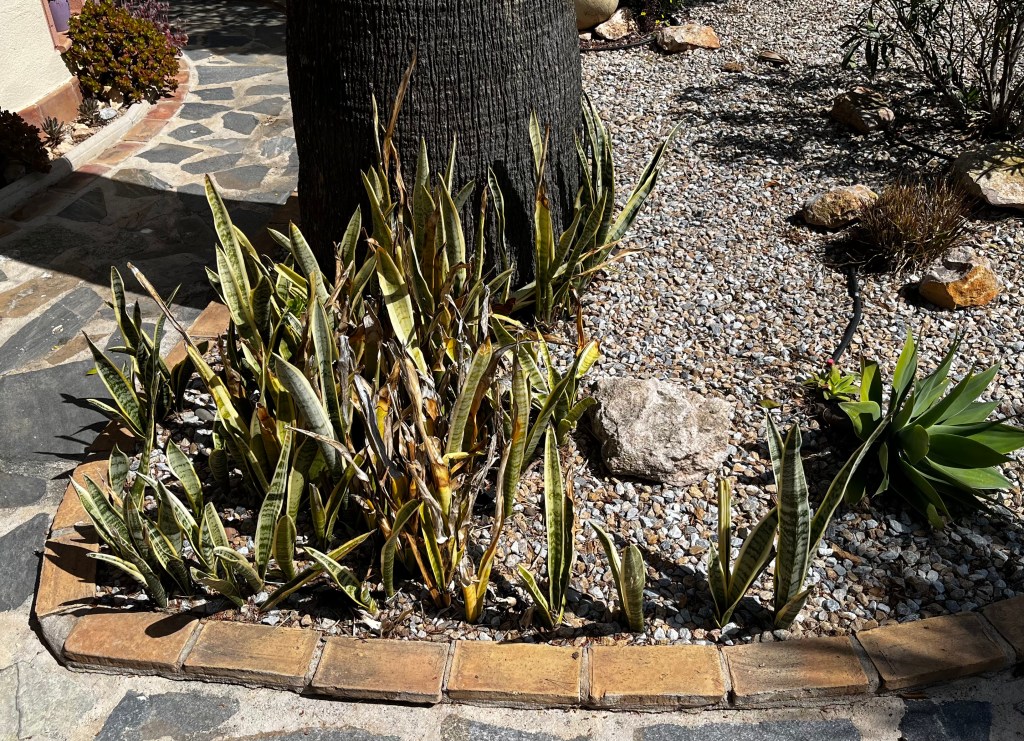
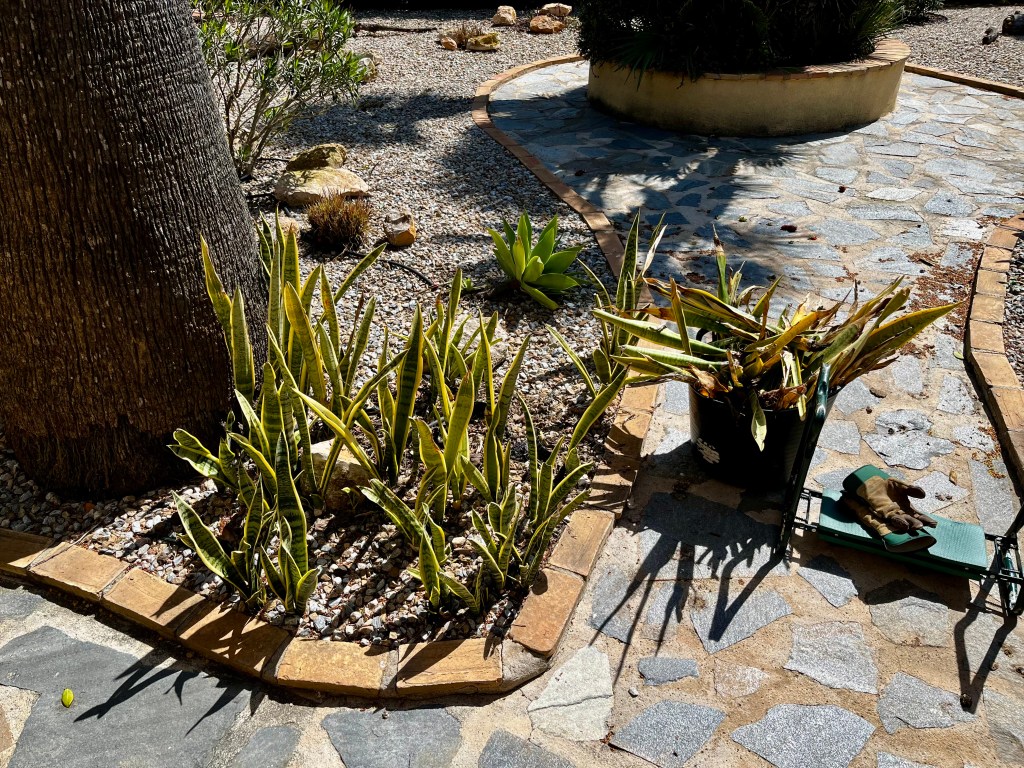
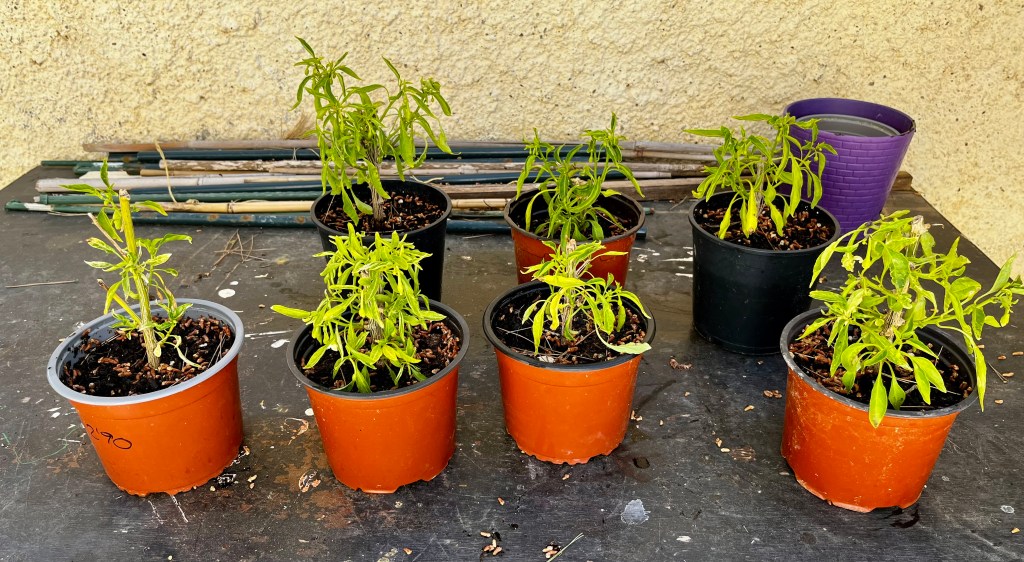
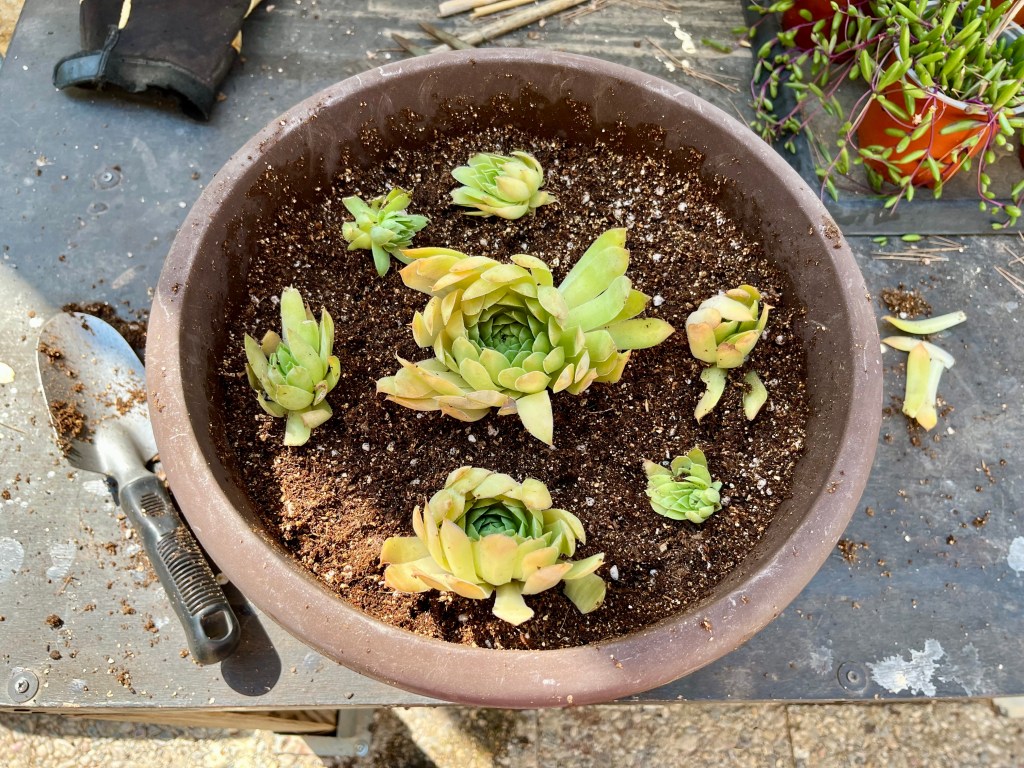
Taking cuttings. Now for the good news, now is the time to start taking cuttings. This is an easy way to grow your garden for free and it will give you immense joy to grow your own plants. For my first cuttings this year I was taking Stephanotis and Pink Trumpet vine; photos of both below.
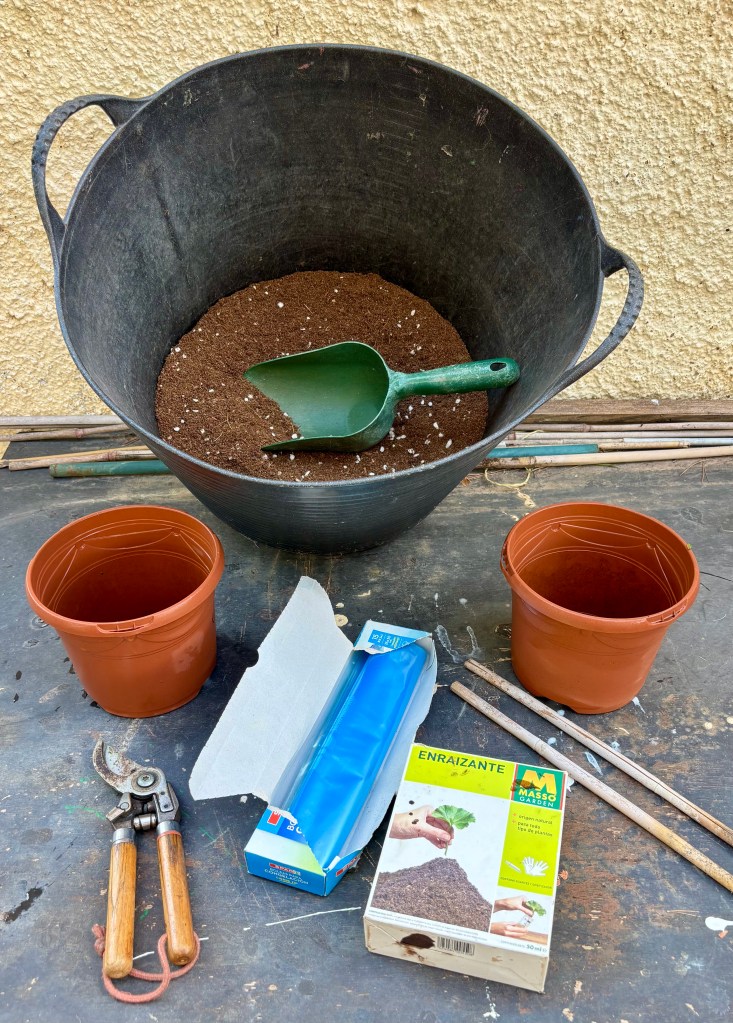
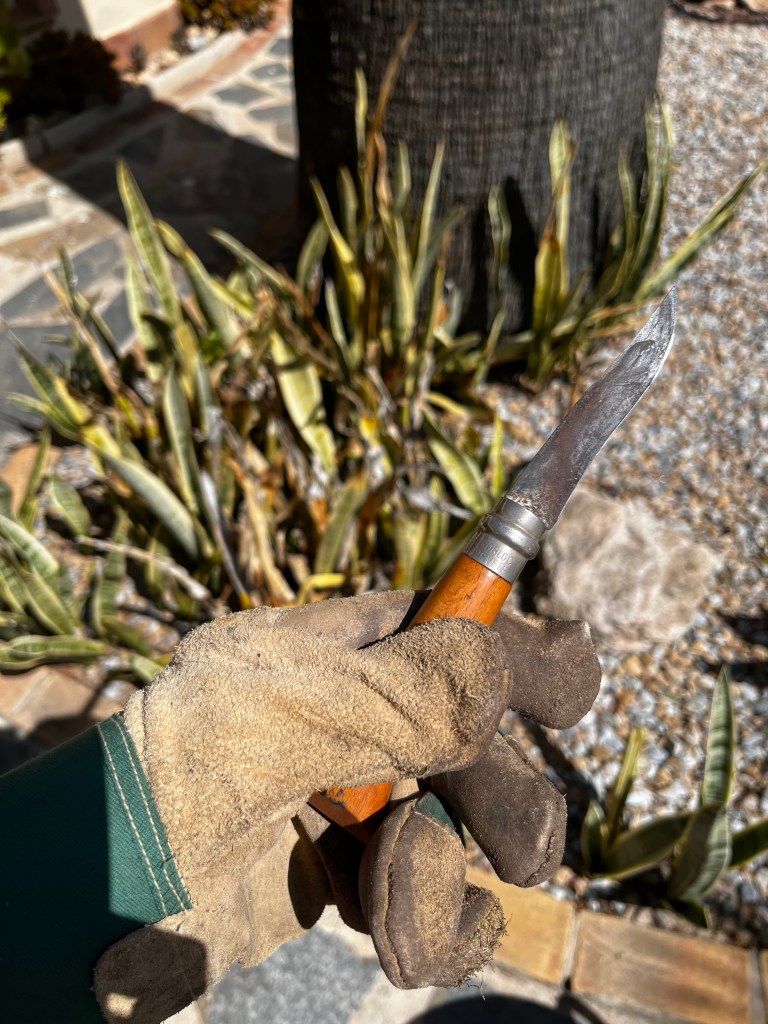
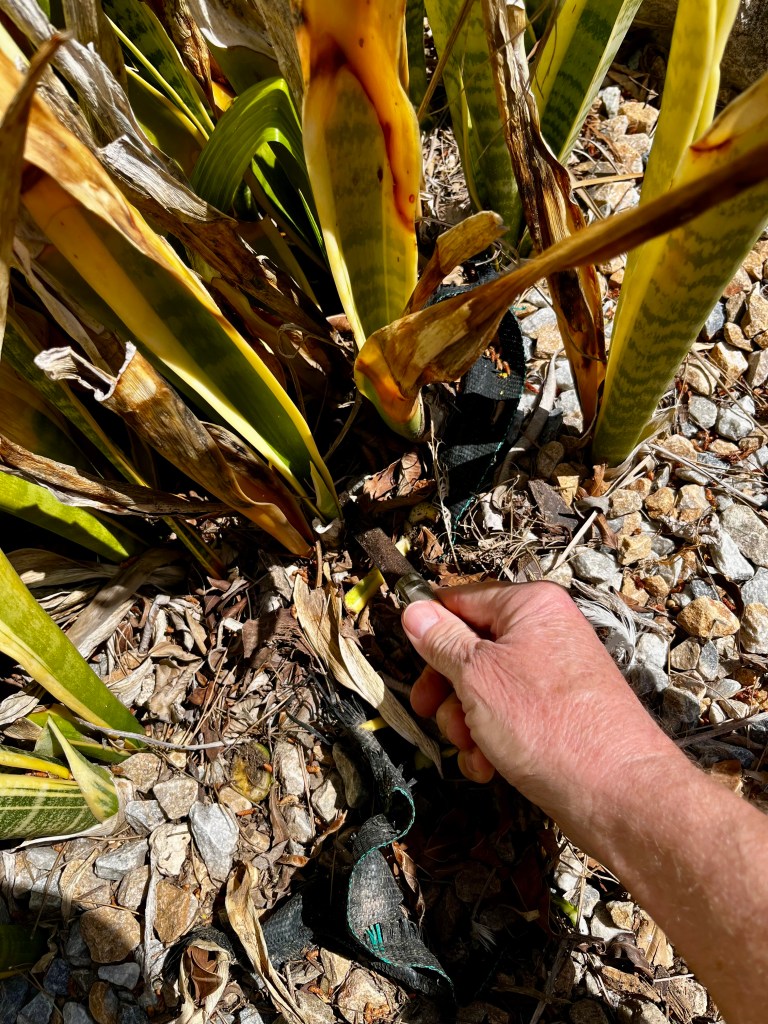
Do not start to take cuttings before you have everything ready. Once the cutting is removed it starts deteriorating so you need to be ready. Use a cutting knife rather than secateurs as this method will not crush the stem. Also place the cutting straight into a plastic bag, especially if you will be taking a number of them.
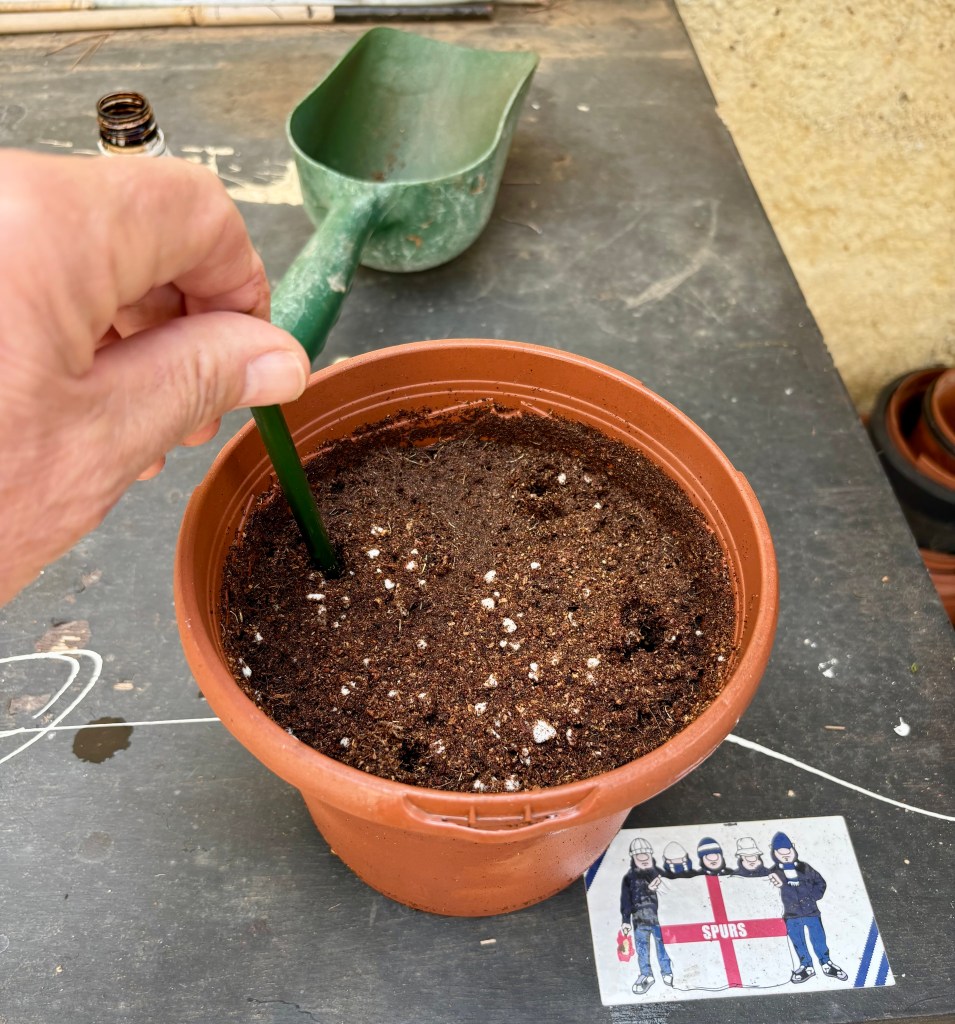
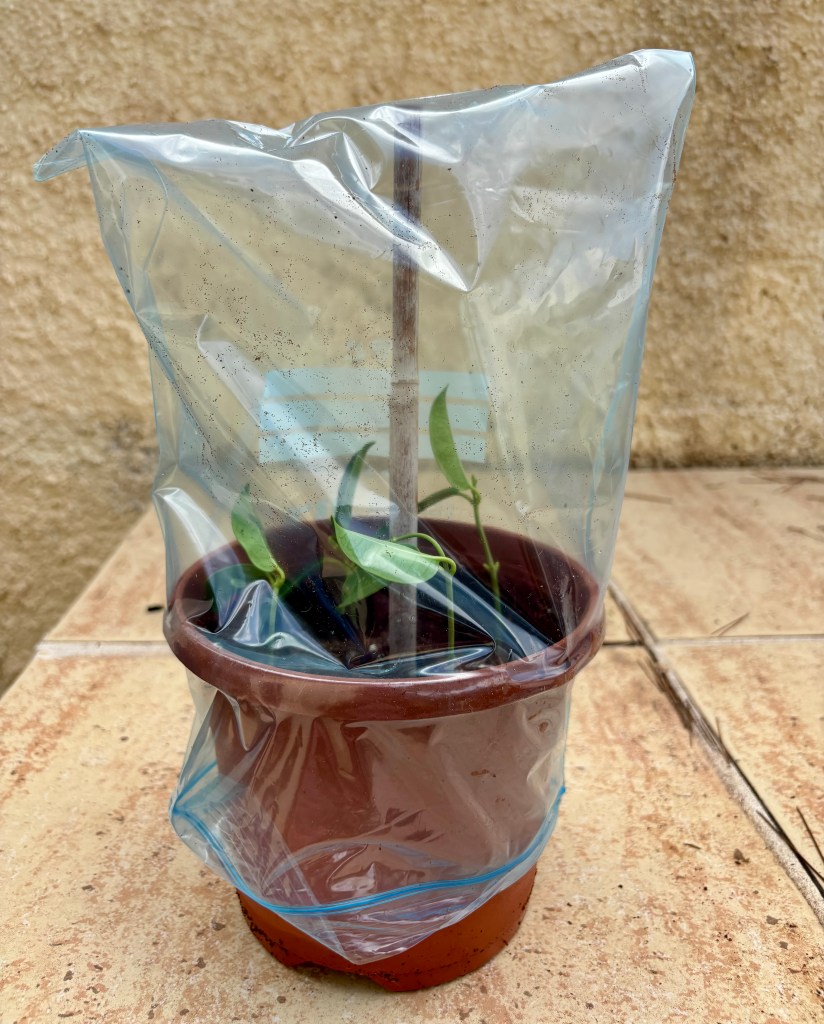
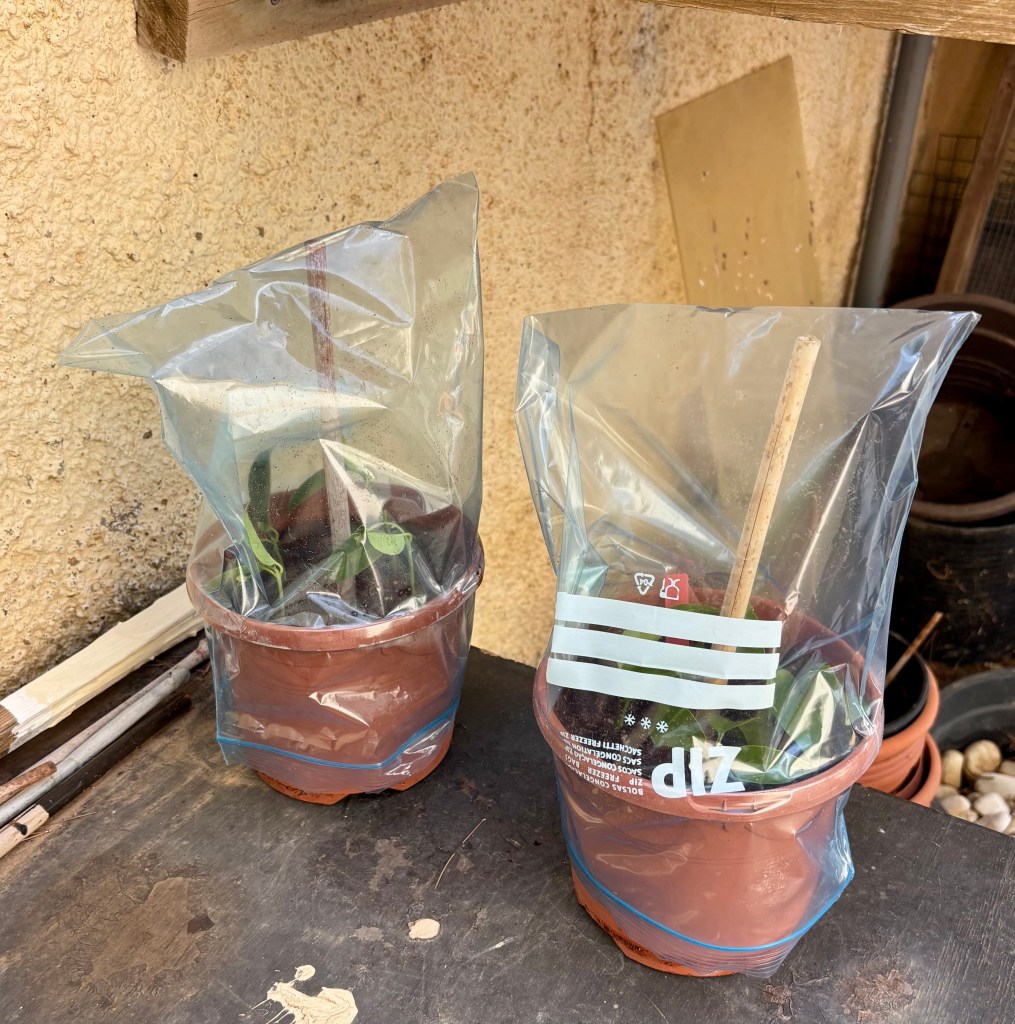
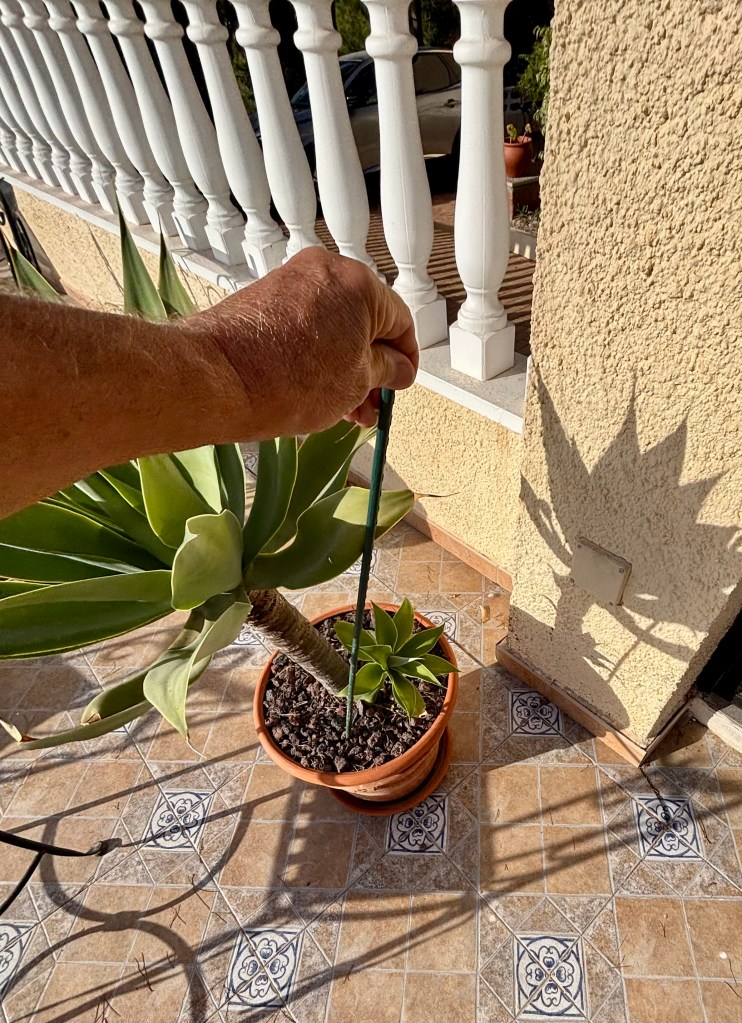
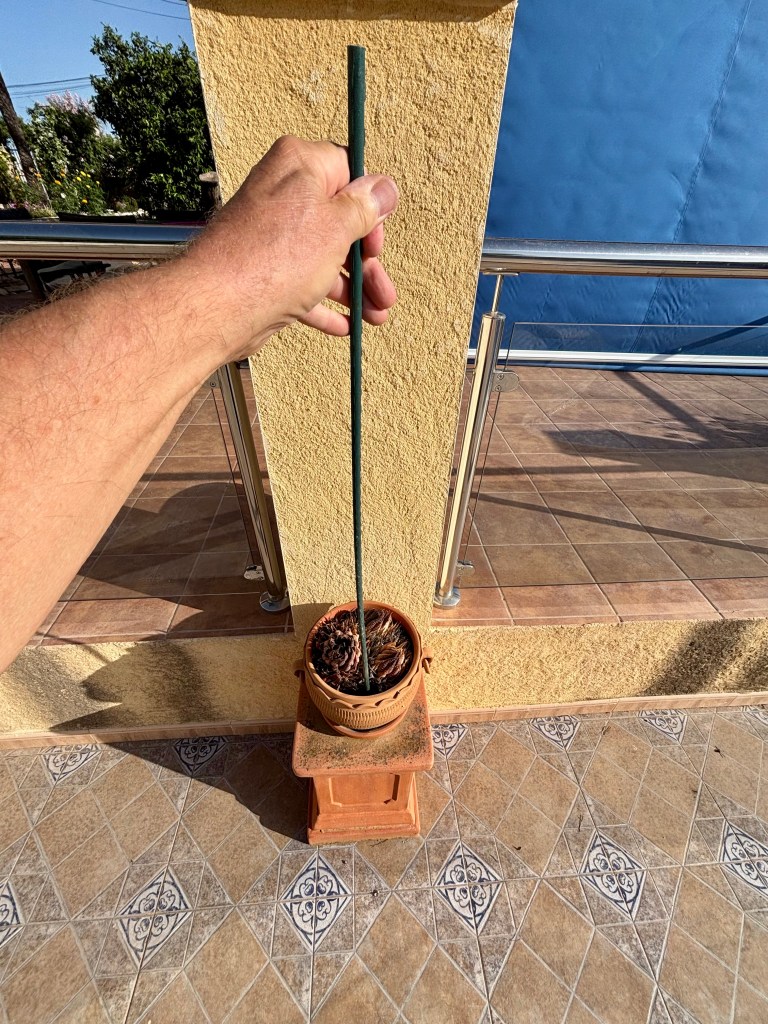
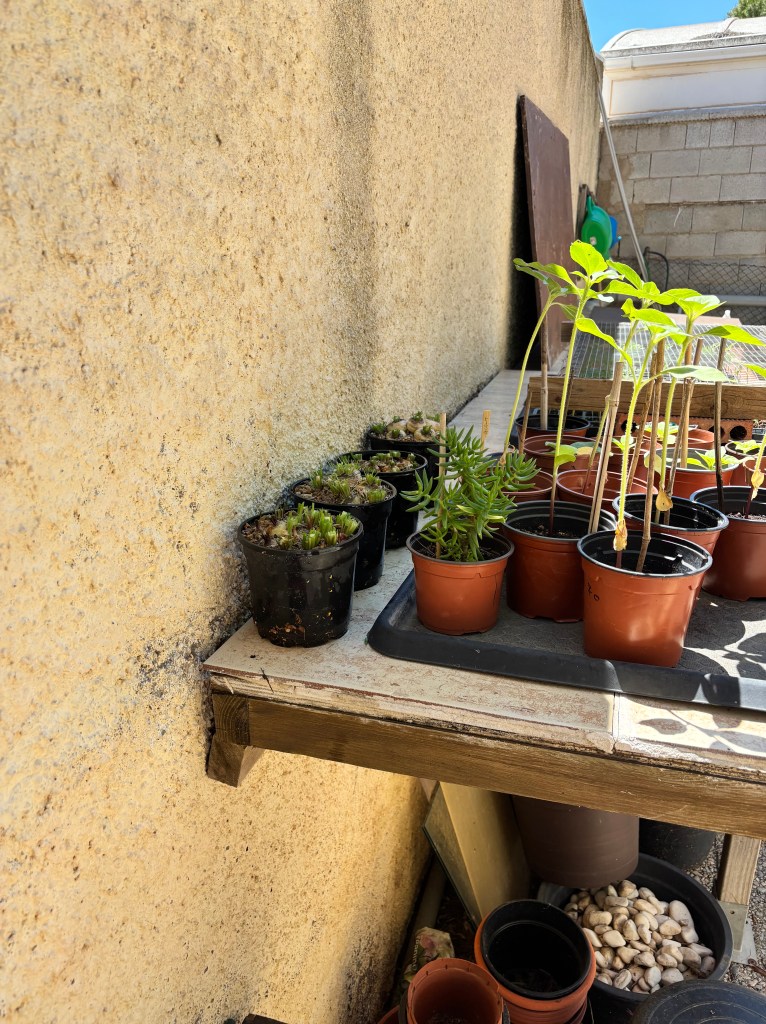
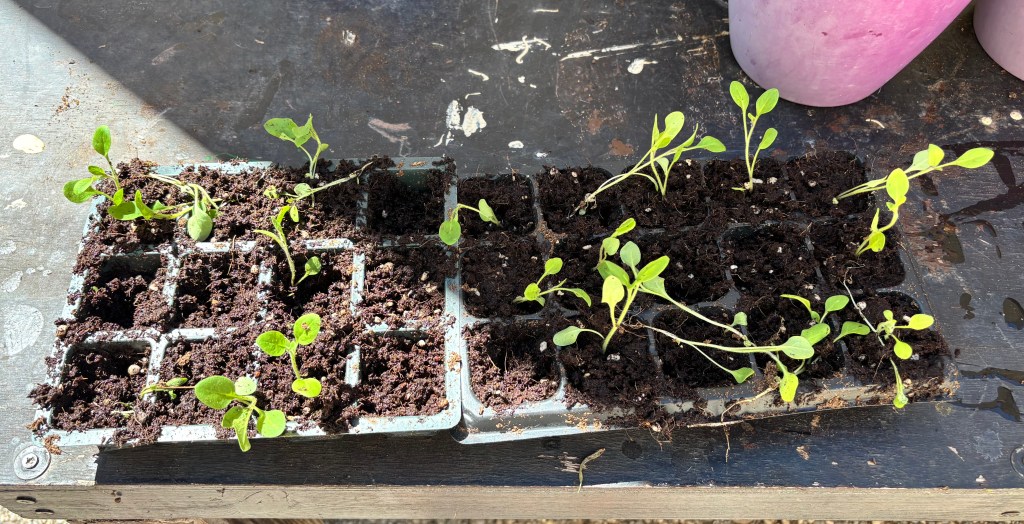
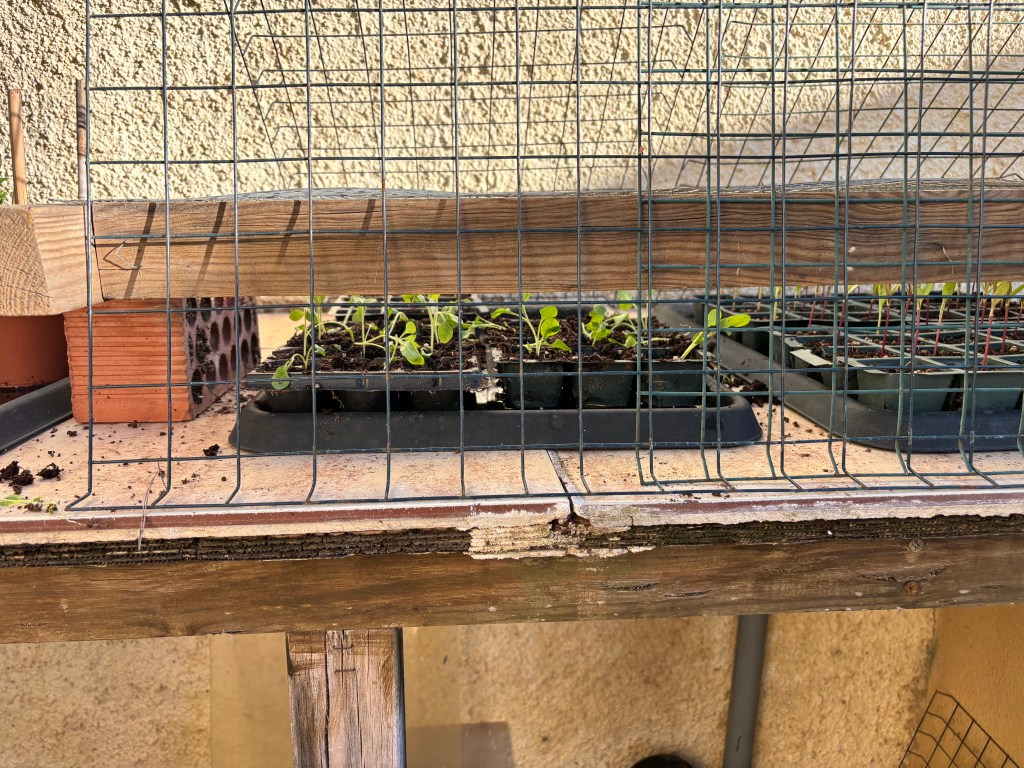
Once you have your cuttings dip them in hormone rooting powder or liquid, then place four of them around the edge of a pot (for some reason this makes them take better). In addition to placing them round the edge of the pot, I also place a stick in the centre of the pot and cover the whole thing with a plastic bag. The plastic bag ensures they have a nice moist environment to begin growing whilst the central stick ensures the plastic bag doesn’t drop and smother your cuttings. See the photos below.
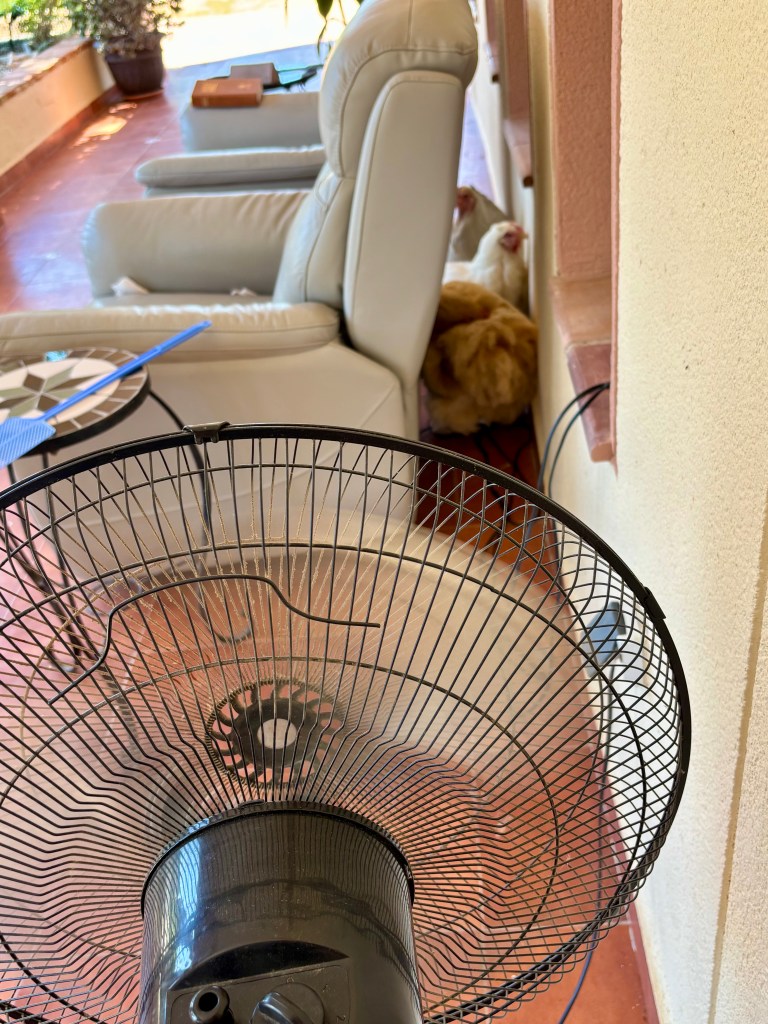
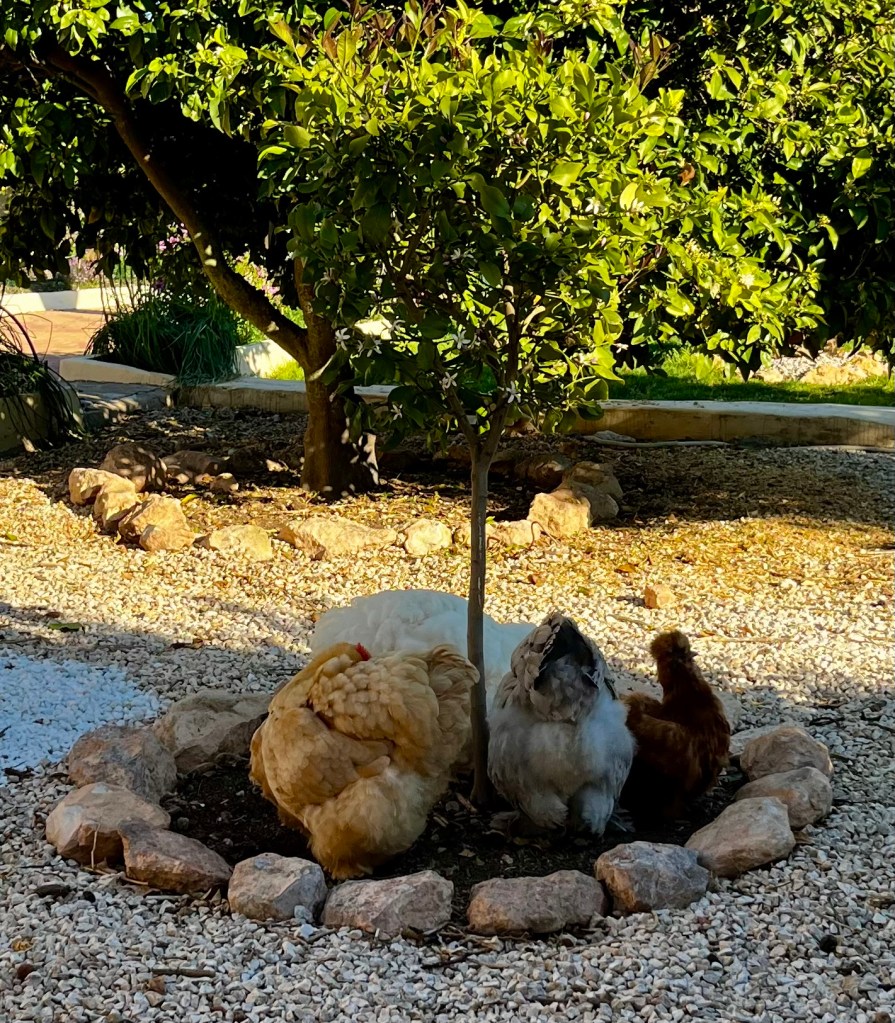
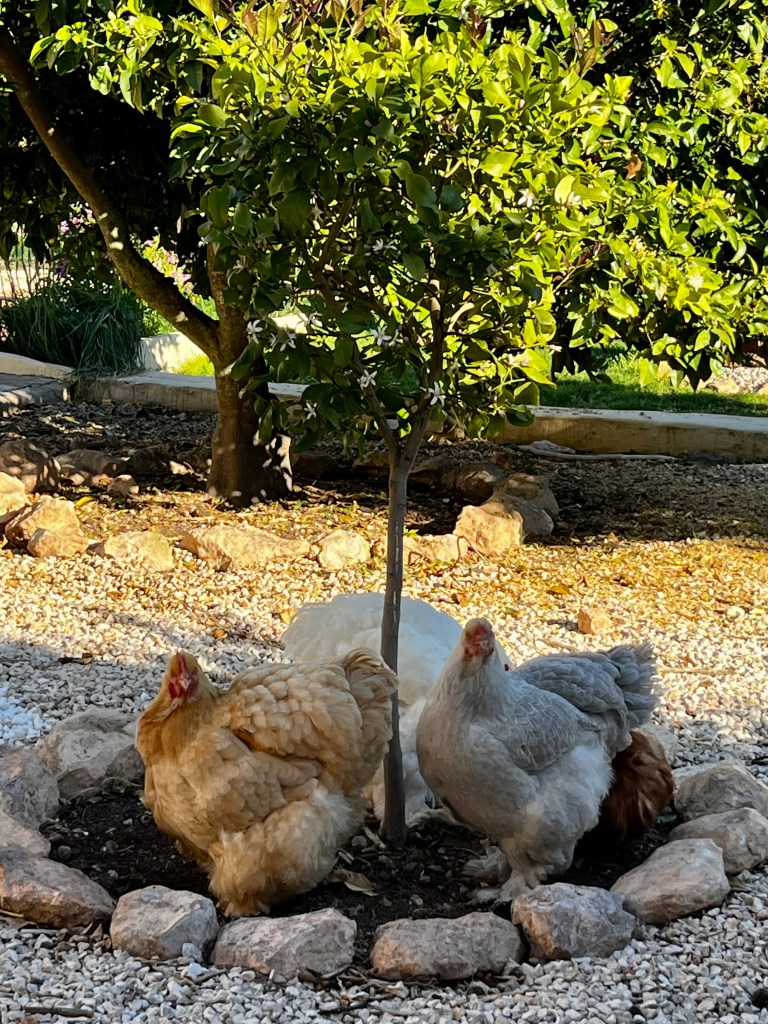
Dealing with wet chickens. Well we certainly have a storm on our hands. My phone keeps going off with that terrible siren noise that the government insists they bombard us with to let us know we are in a storm. As if we didn’t know we are soaking wet and the thunder and lightning is deafening us.
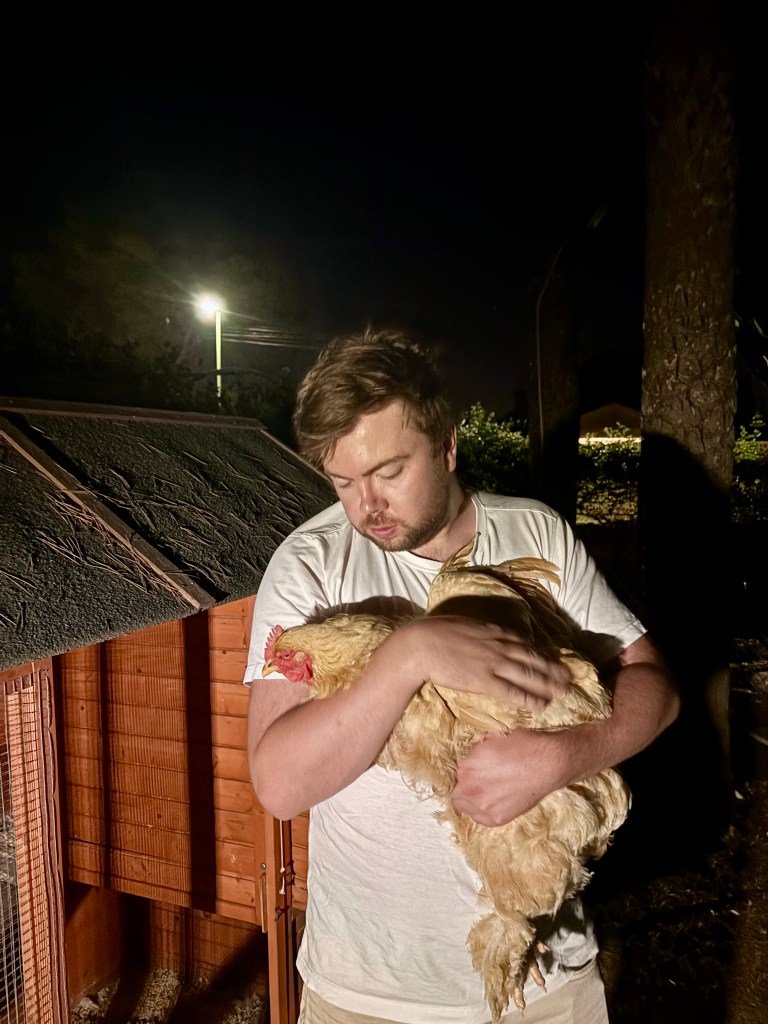
Cruella is in a panic that her girls may be struck by lightning or that they will get chicken pneumonia. I have told her that I am comforting them but really I just whisper KFC and show them pictures of Colonel Sanders on my phone. Any way she has insisted that they need little raincoats and keeps murmuring about Burberry. I told her not to worry as I would take care of it.
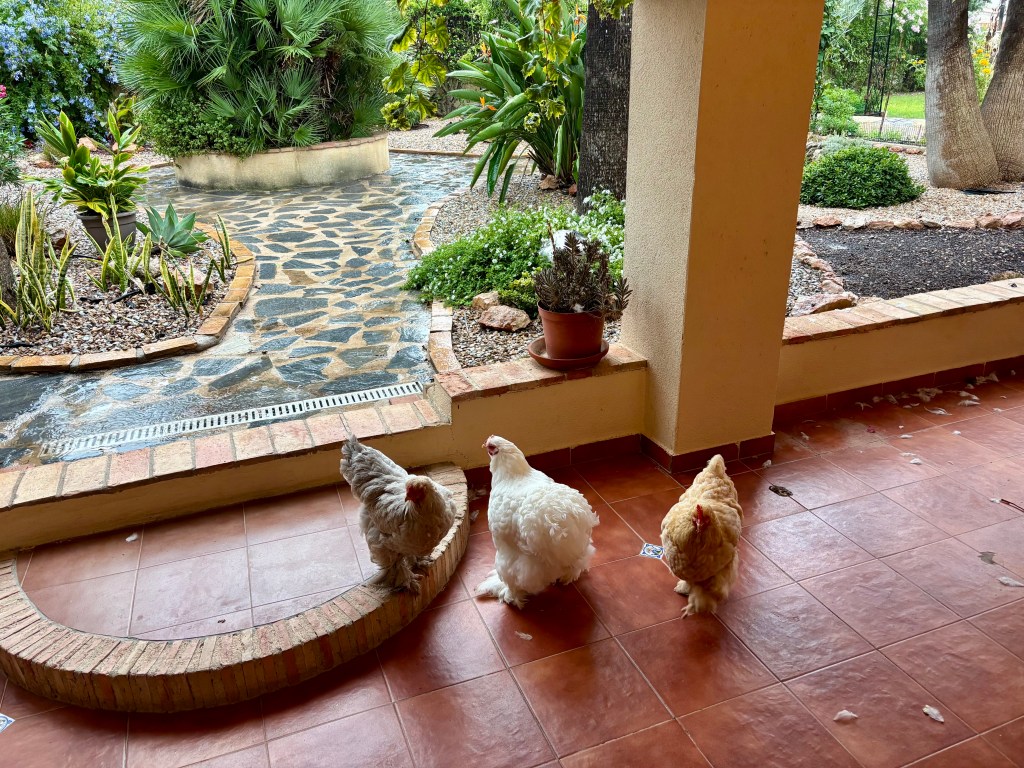
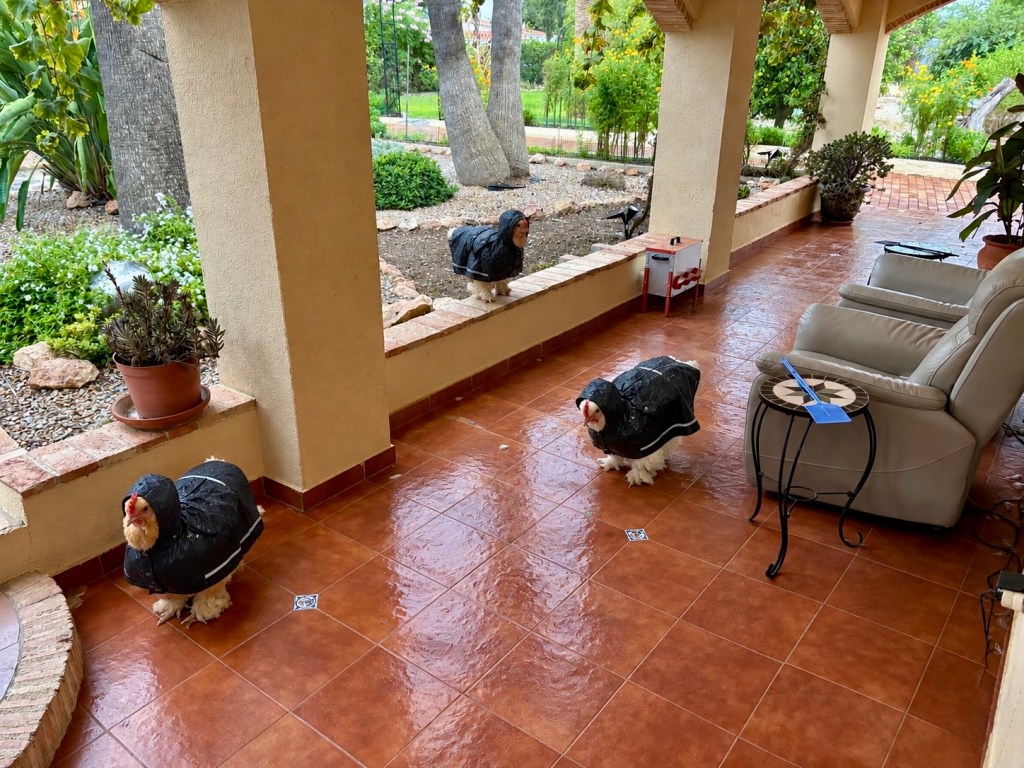
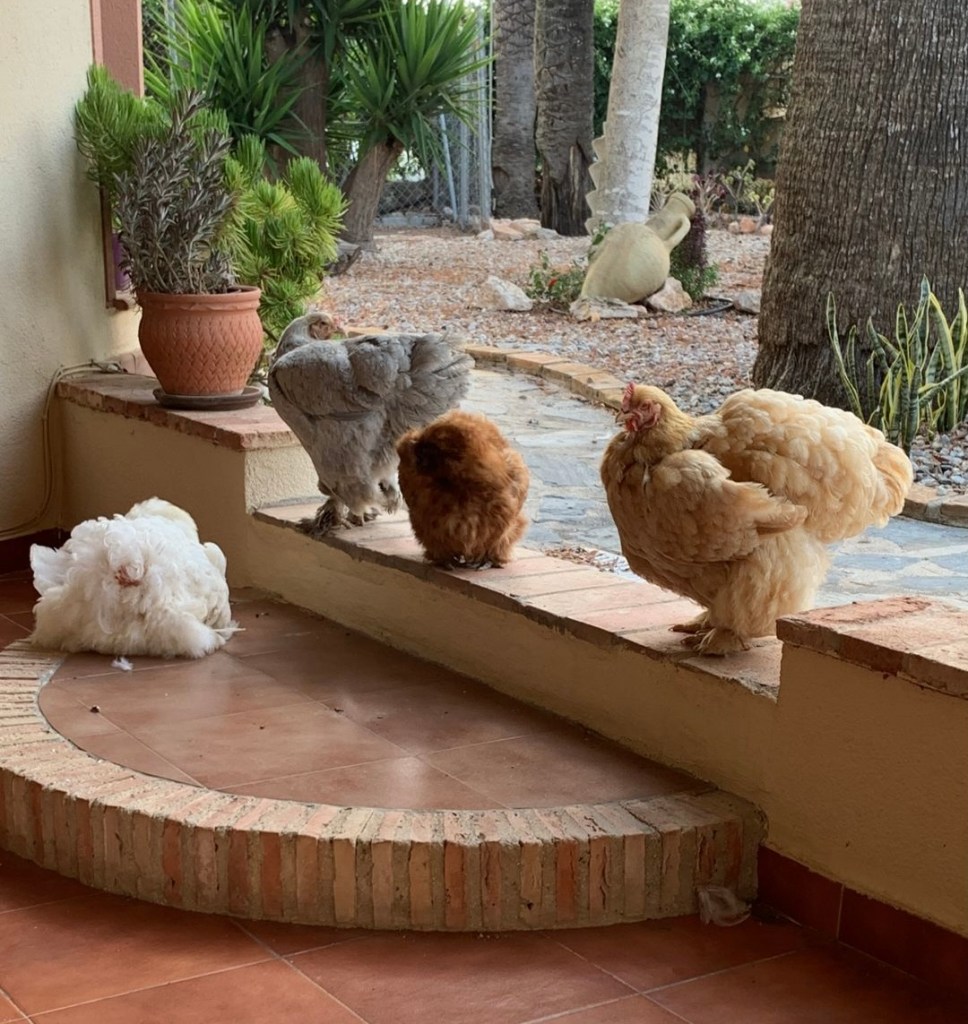
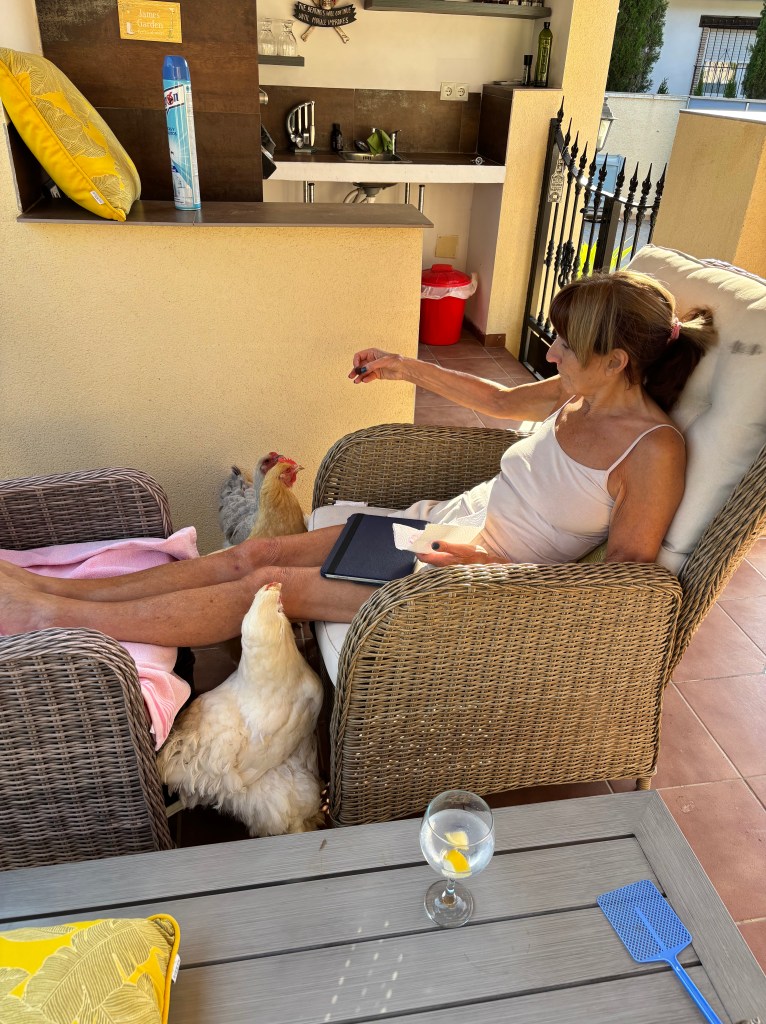
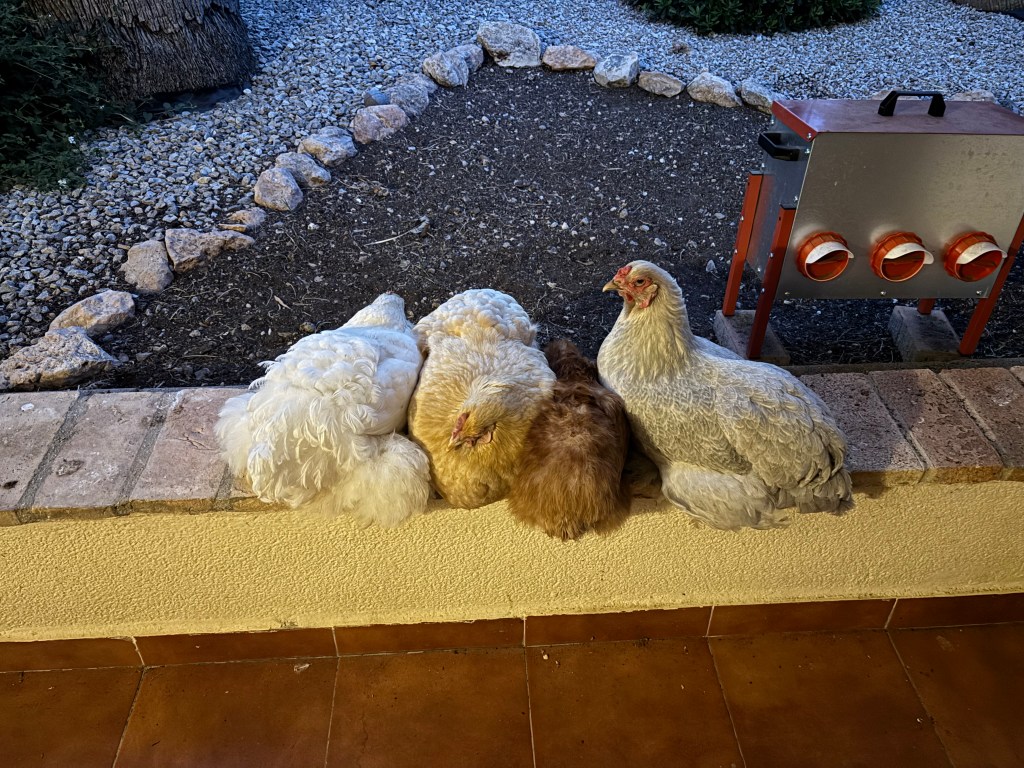
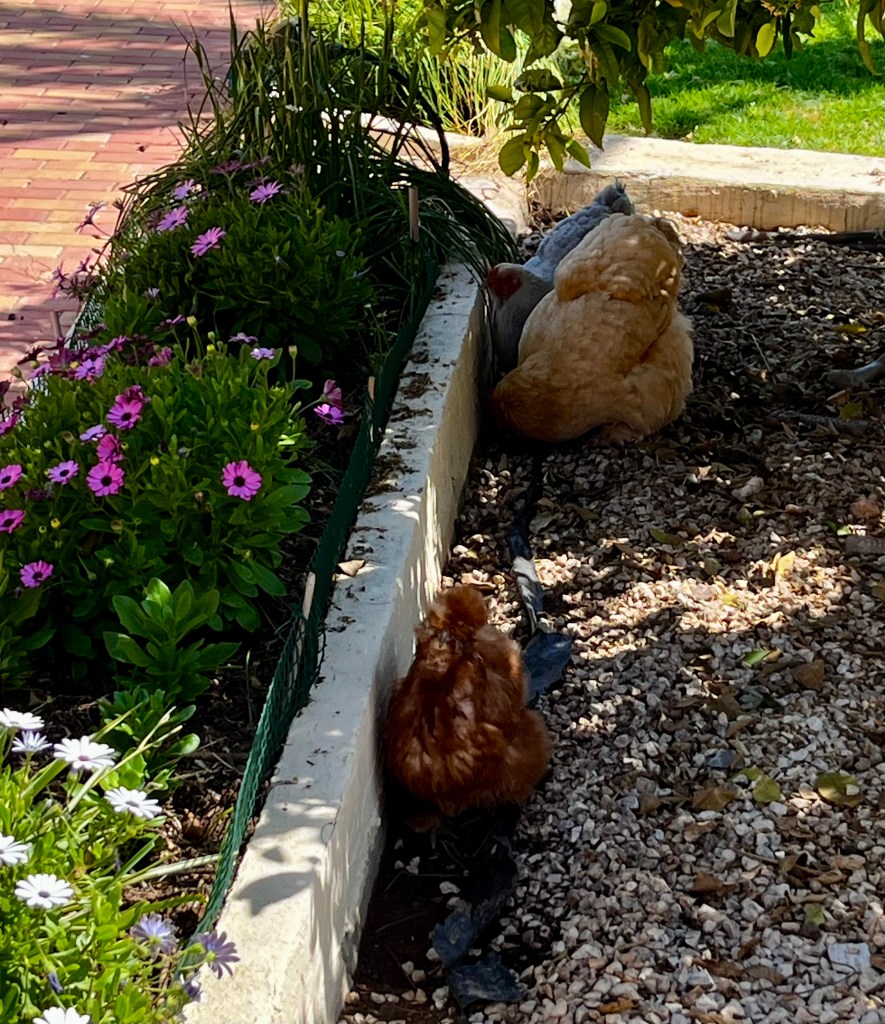
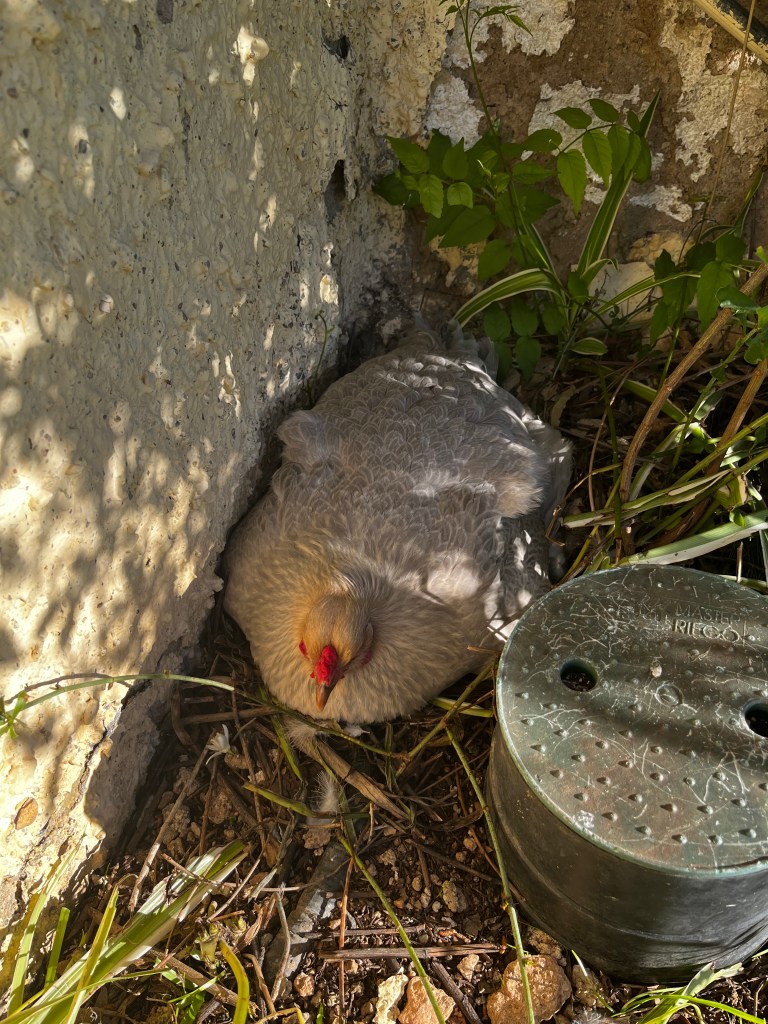
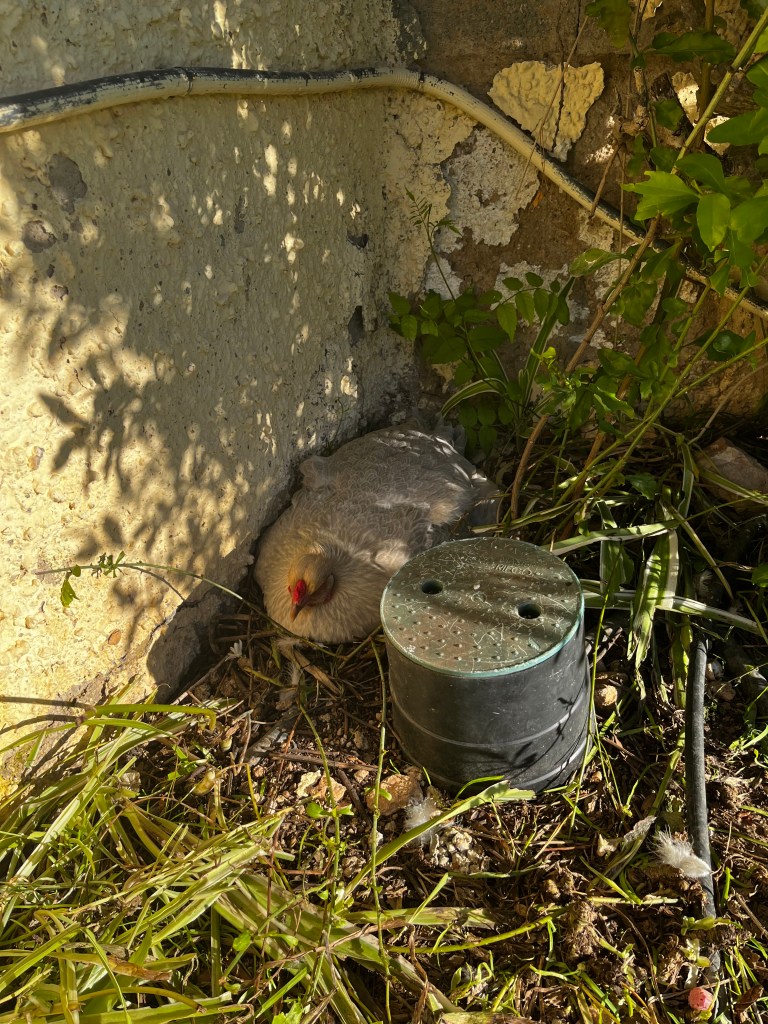
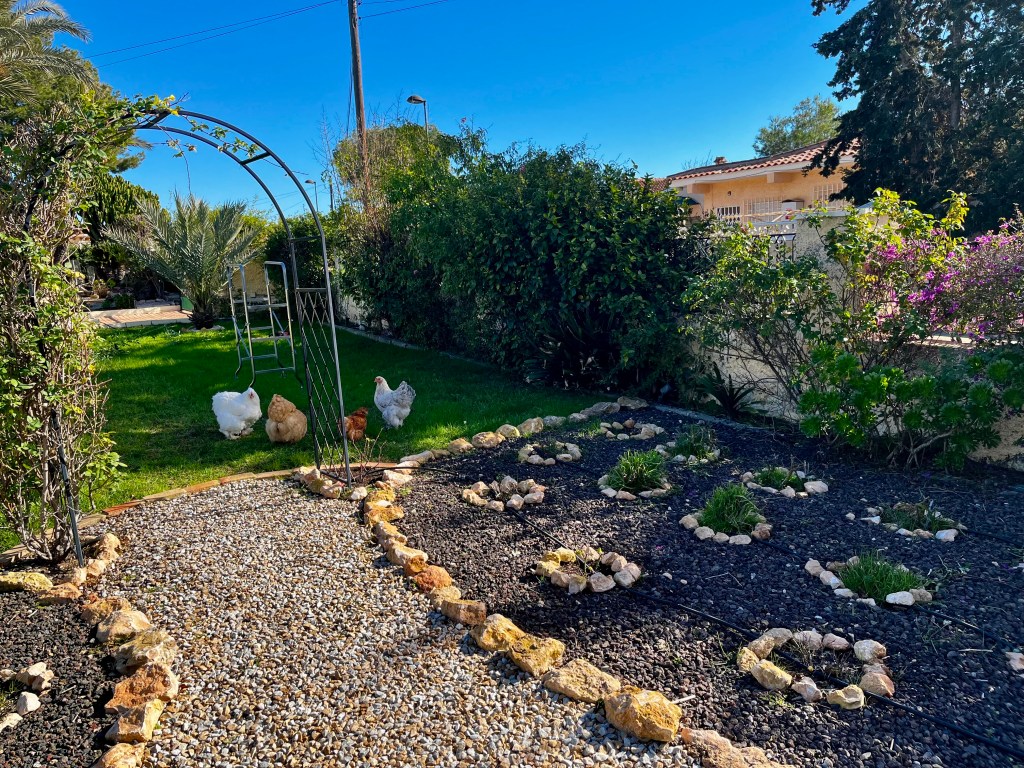
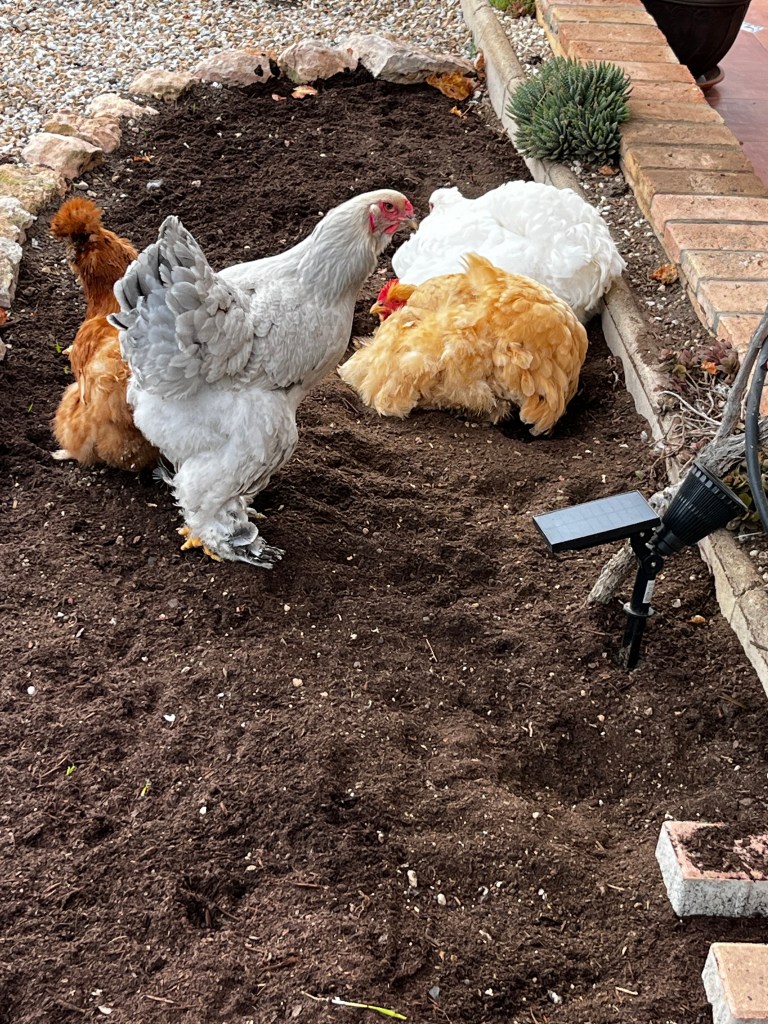
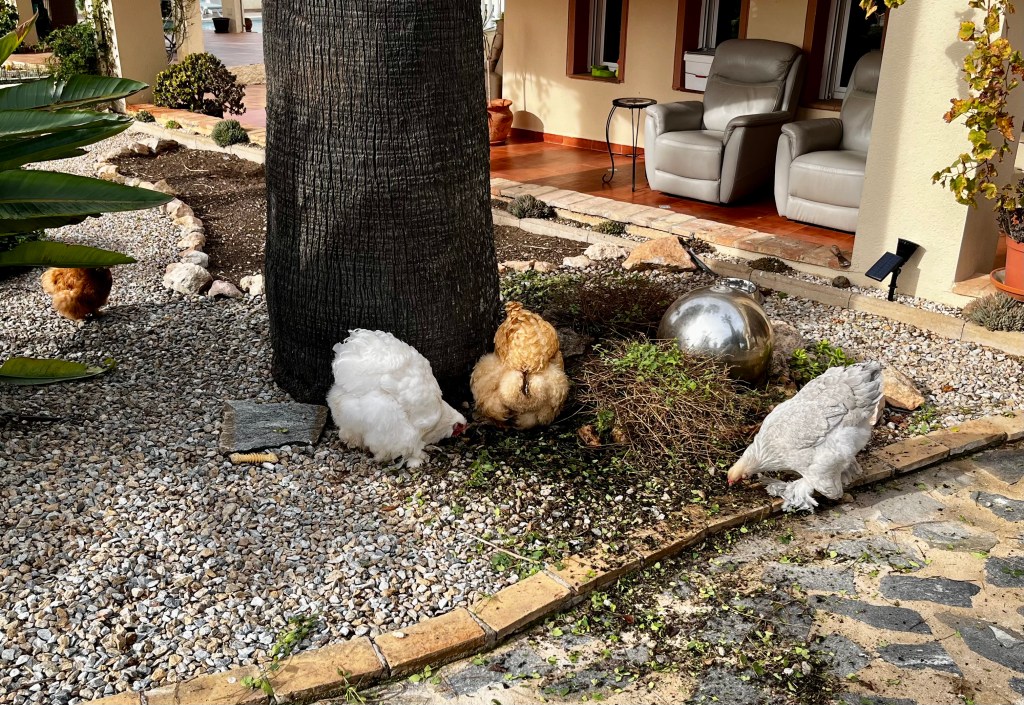
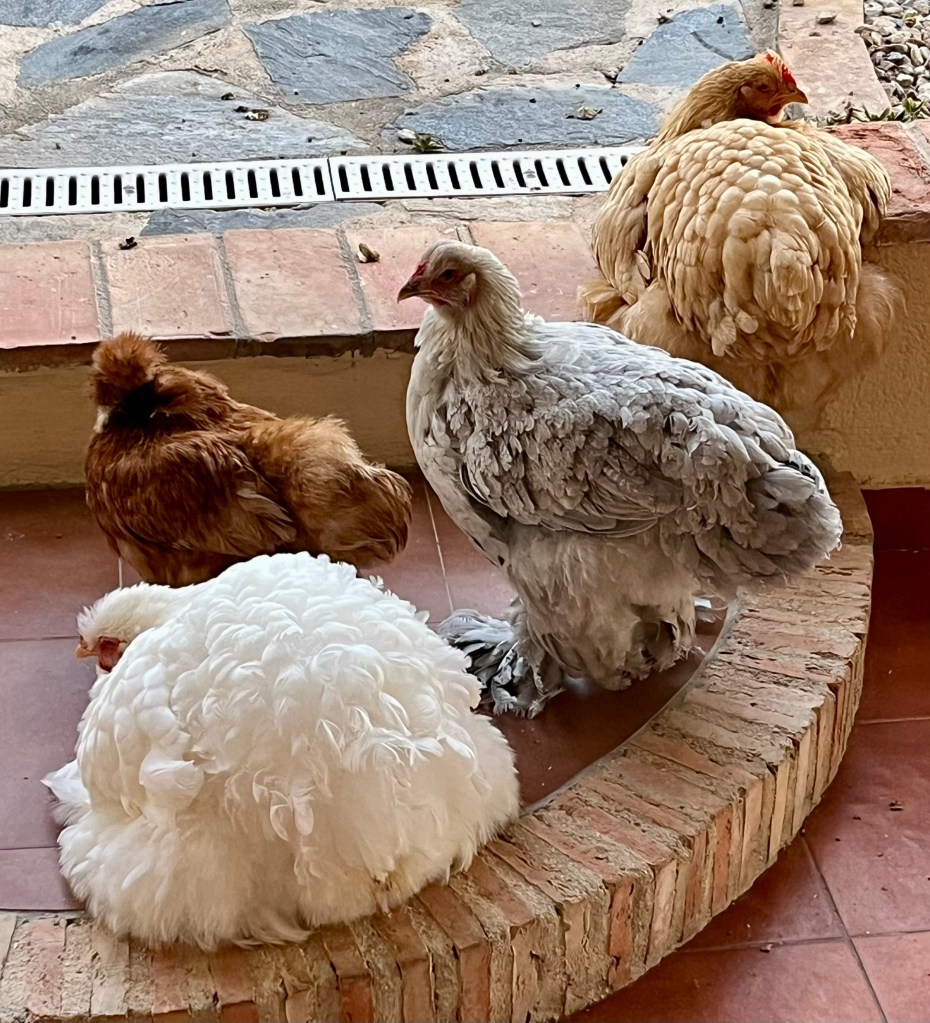
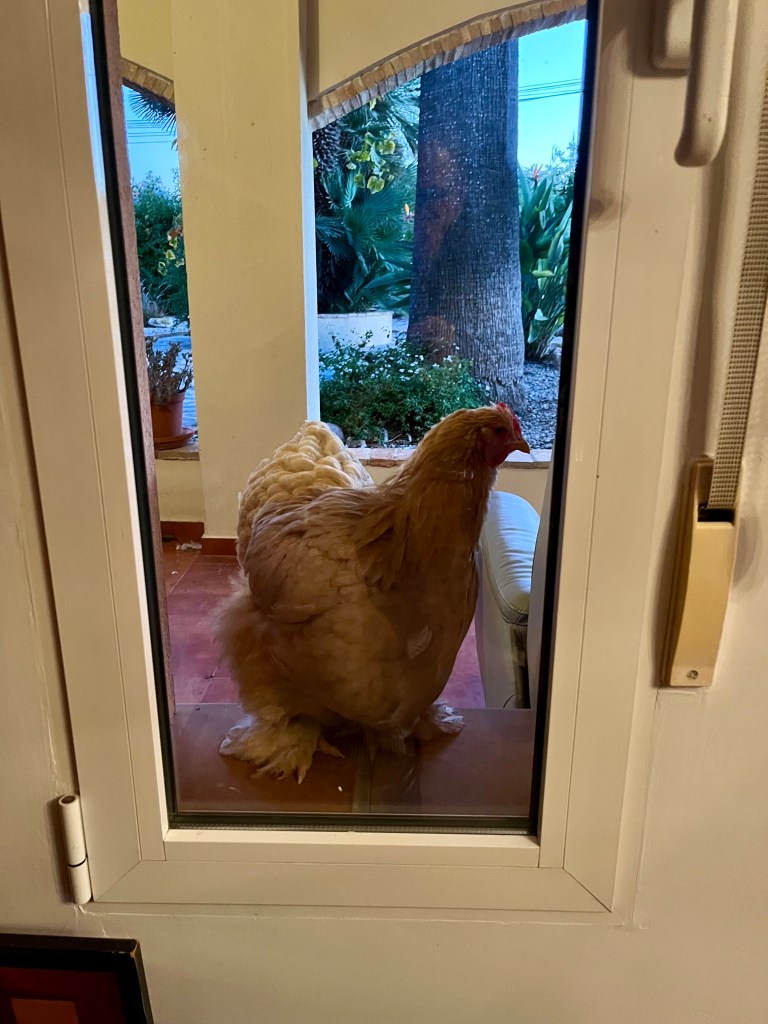
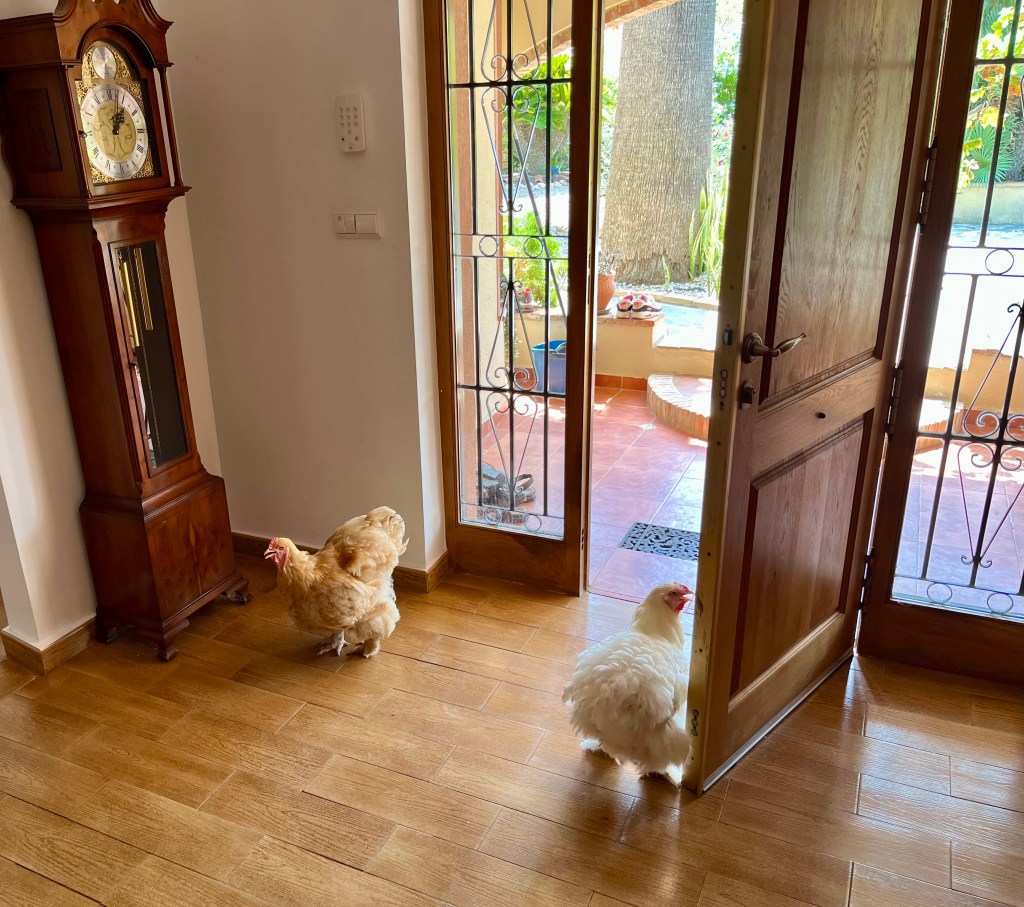
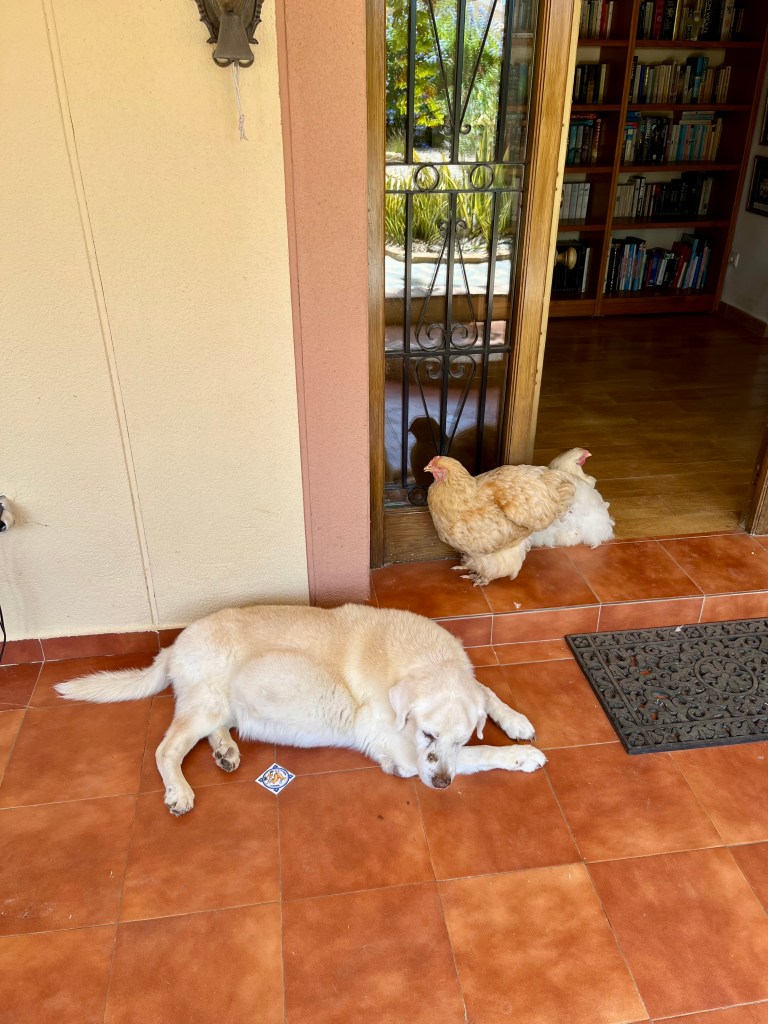
The first photo below show the chickens distressed by the storm, whilst the second shows them decked out in their new designer raincoats. It took almost three bin liners, but I think it was worth it.























































You must be logged in to post a comment.