
Maybe I am just too innocent in the ways of the world, or perhaps Cruella (my wife) is simply too sensitive. When I told Cruella that I was going to prick out my Osteospermums, she quickly hurried all the chickens away from me and accused me of filthy talk. The result of this conversation and the subsequent court order means that I am not allowed within 20 metres of her chickens without a chaperone, and she insists that I wear an ankle tag.
Anyway, as is the way with these things, it will all blow over once she forgets about the Russell Brand scandal. Never mind, on with the gardening. I will discuss my future court case with you later.
17th November 2026. Things I have been doing lately in the garden.
- Cutting back Osteospermum
- Pricking out self-seeded Osteospermums
- Continuing deadheading
- Composting the first Autumn leaves
- Cruella (my wife) takes out a court order
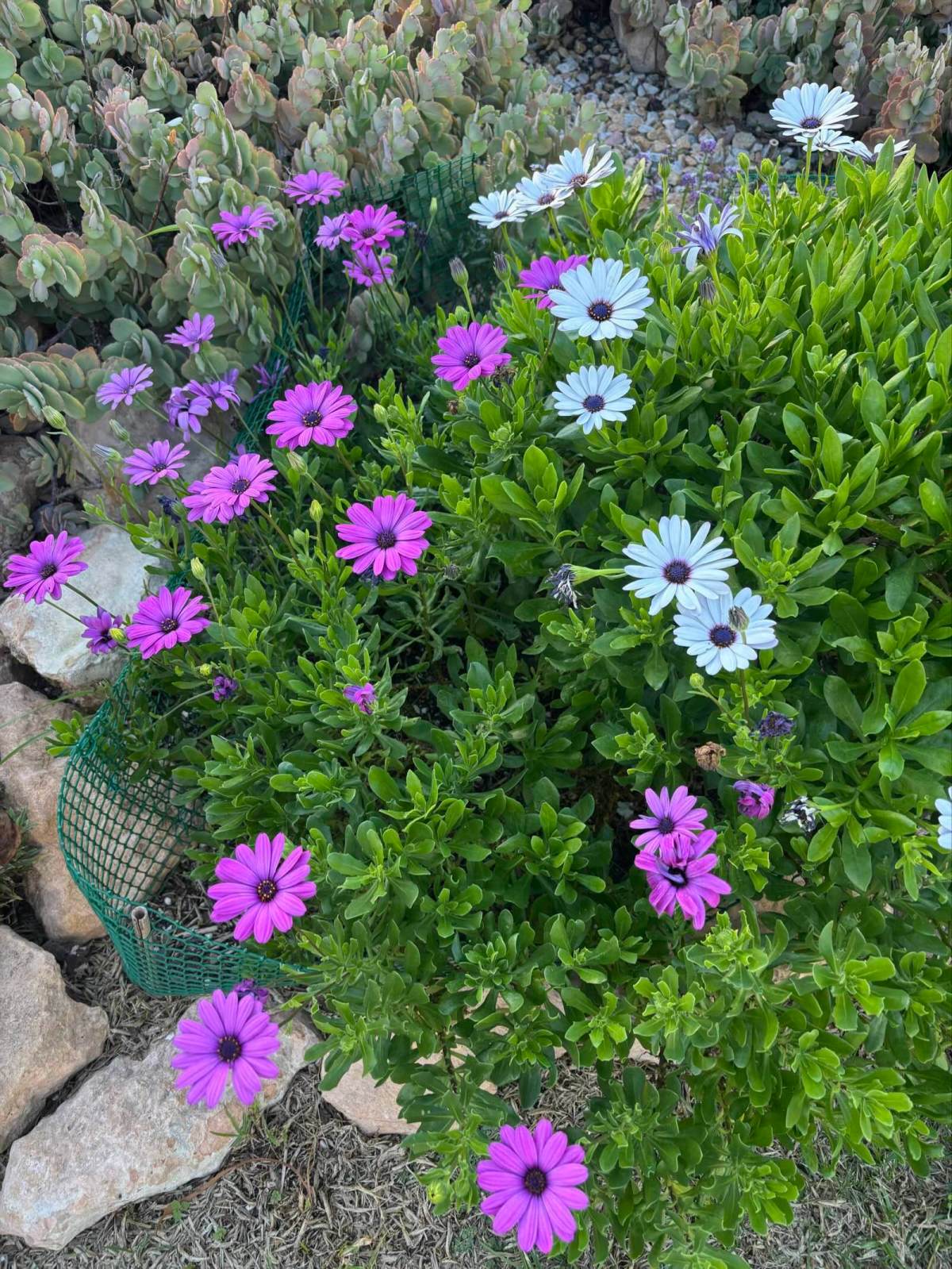
Cutting back Osteospermums. Osteospermum are one of the most versatile plants you can have in your Costa Blanca garden. They are perennials that basically go through four interesting stages: seedlings, flowering mature plant, cut back mature plant then self seedlings.
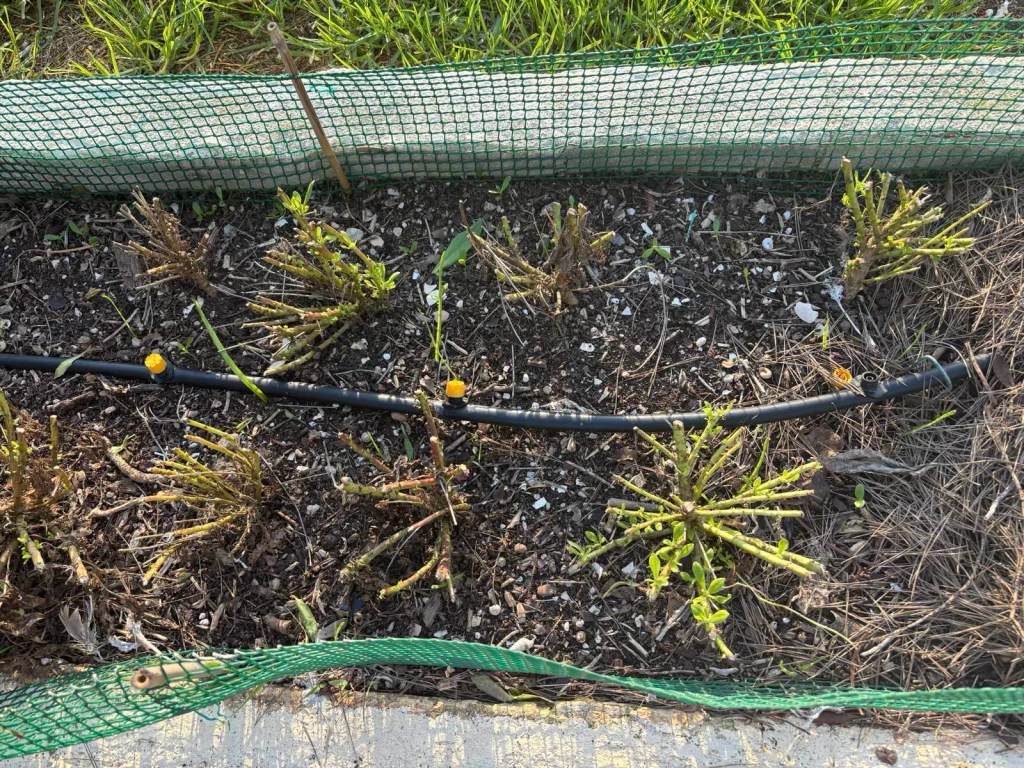
But this time of year the two stages I am interested in are cutting back the mature plants and then harvesting the seedlings. In case you can’t remember what Osteospermum look like, below are photos of the mature plant and in its floppy overgrown stage.
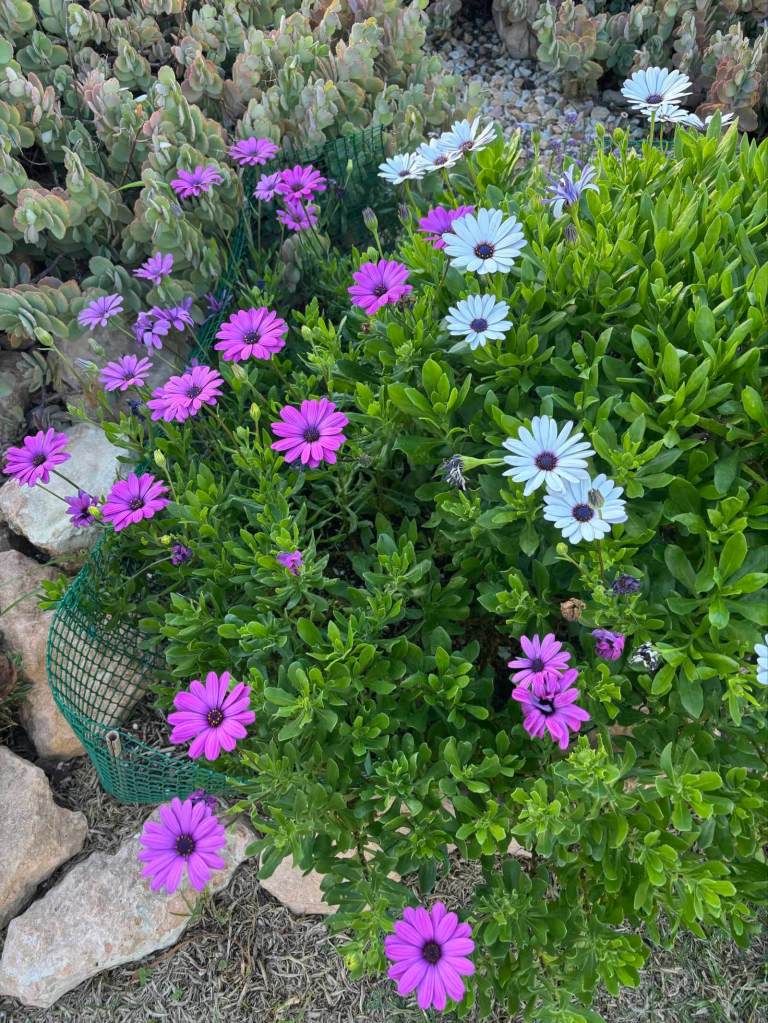
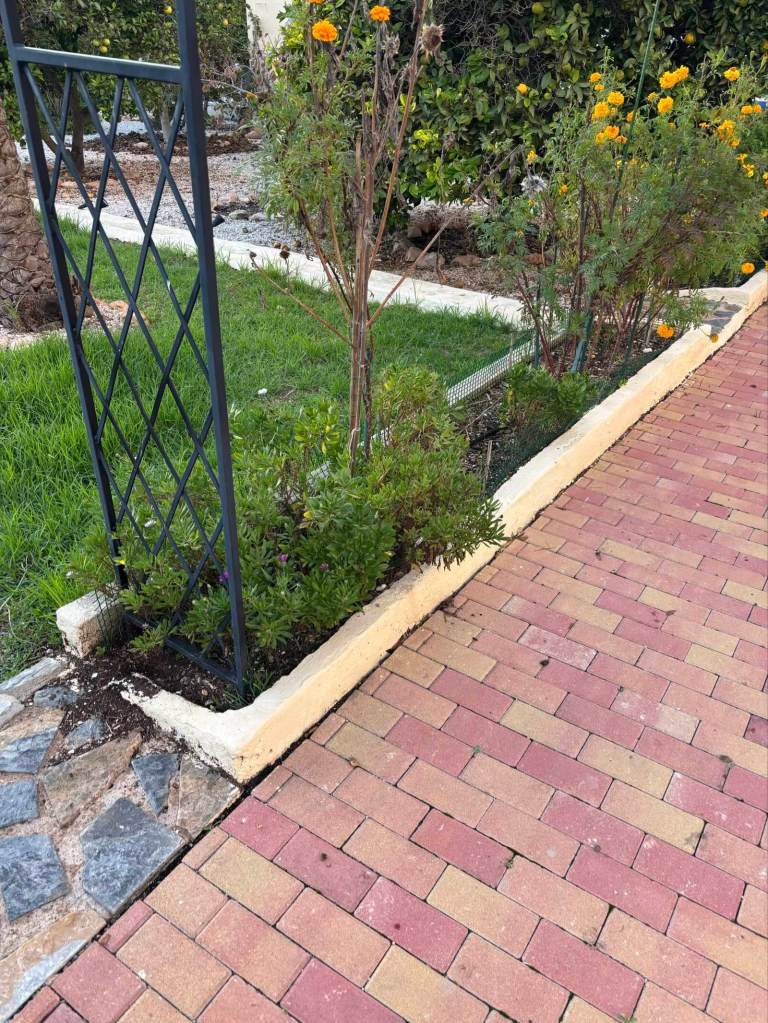
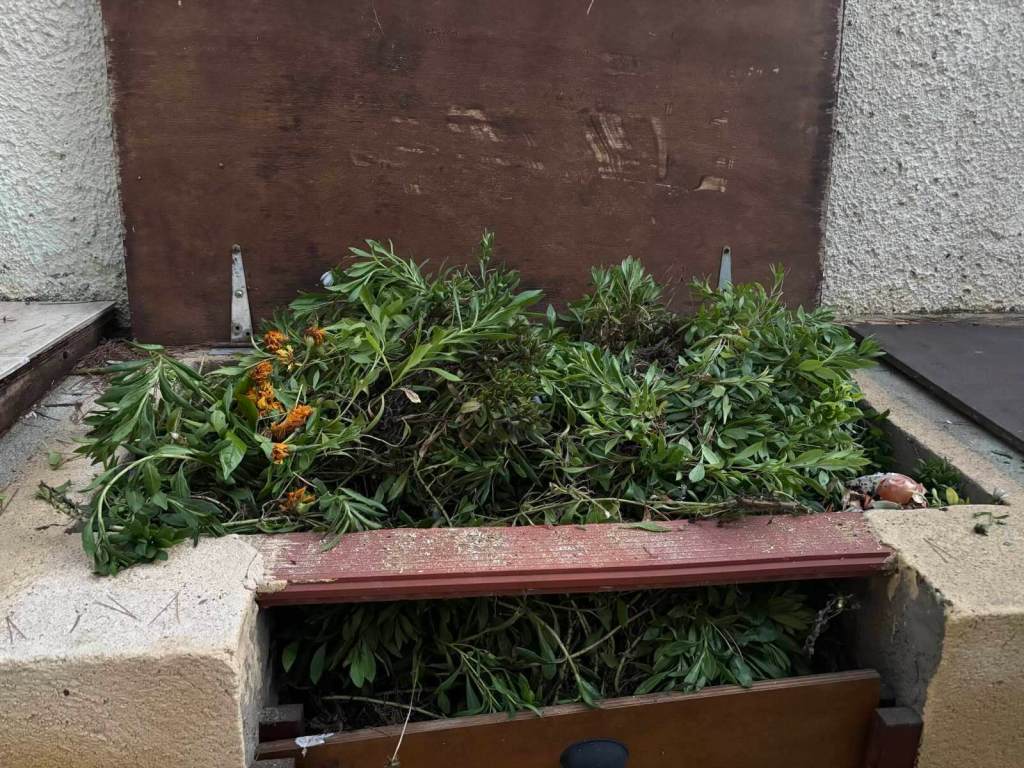
The floppy overgrown stage can either be taken out completely and composted or it can be cut back and left to regrow to give your winter flower beds some greenery. I do a bit of both, the best and strongest plants I cut back – with the caveat they may come out later when I put new seedlings in. But the weak and floppy are composted. The photos below show you the outcomes.
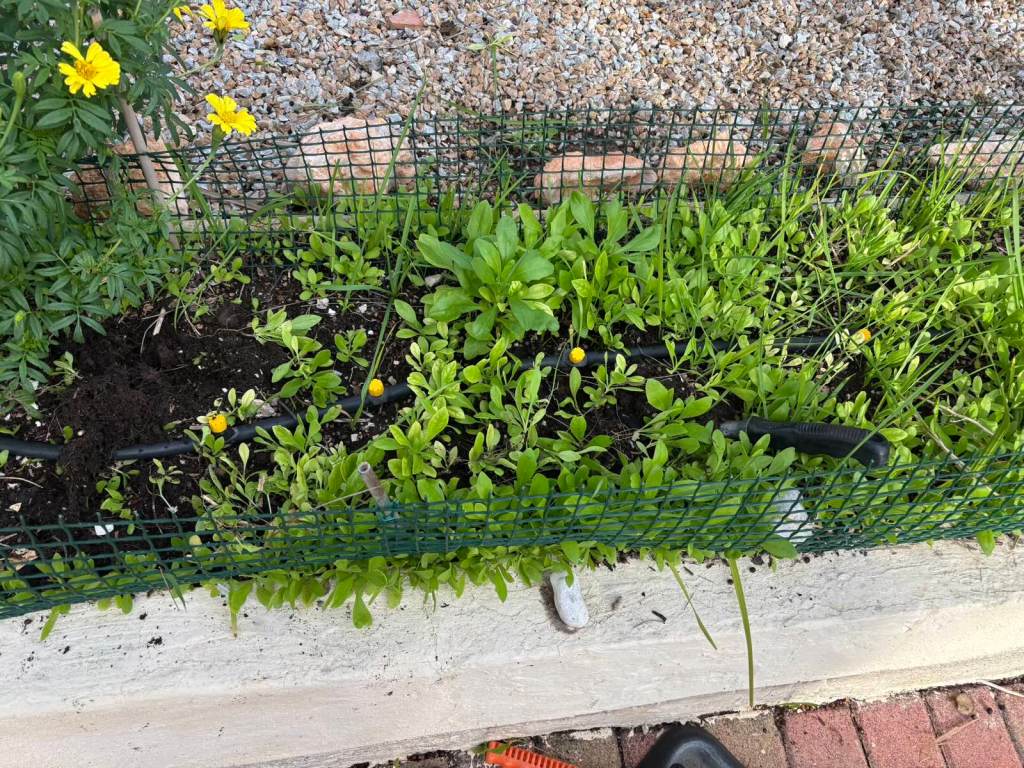
Pricking out self-seeded Osteospermums. The best thing about Osteospermums is once you have one, you will never need to buy another one as they will produce enough seedlings to last you for life. The photo below shows a small section of my flower bed packed out with self-seeded Osteospermums.
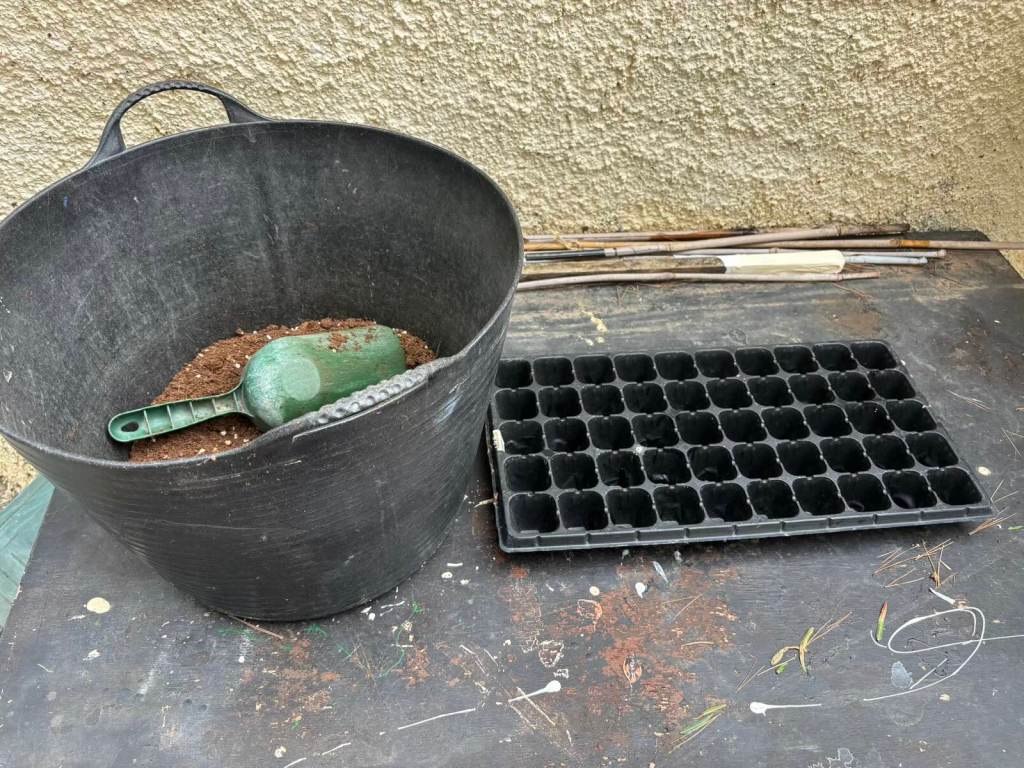
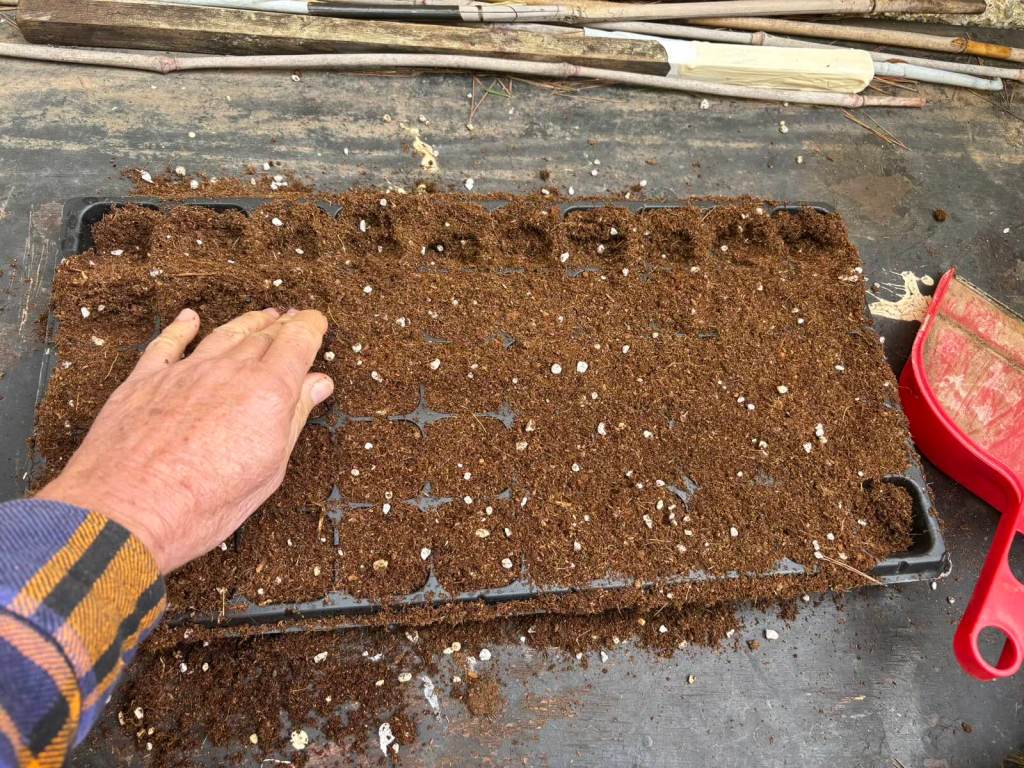
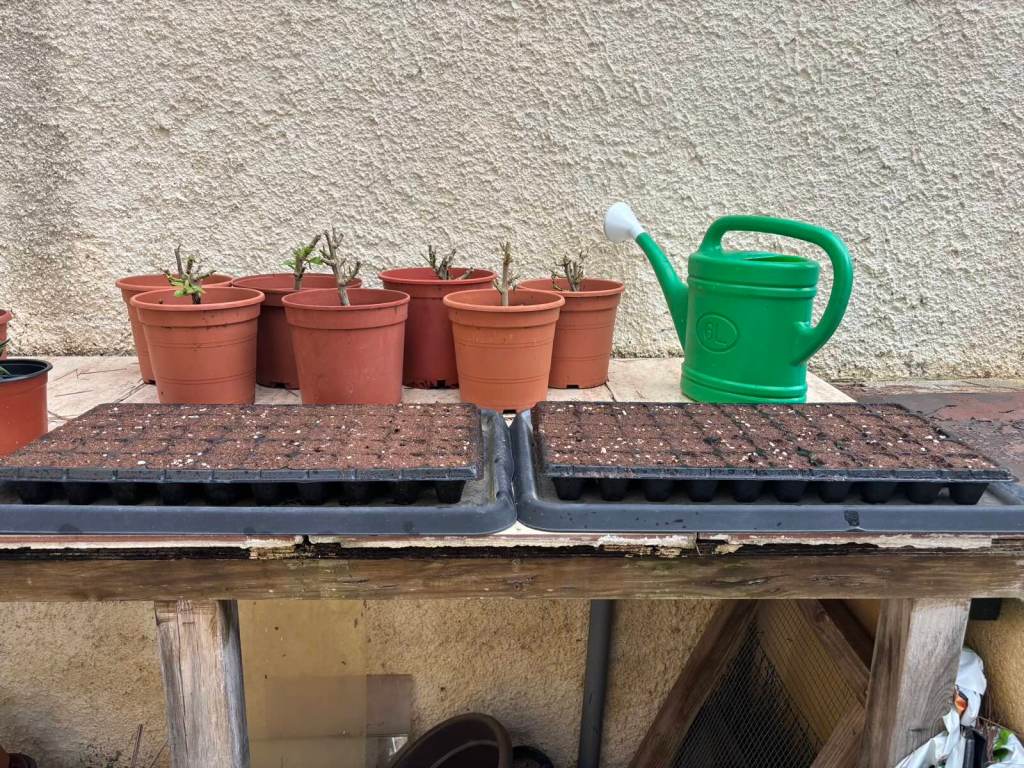
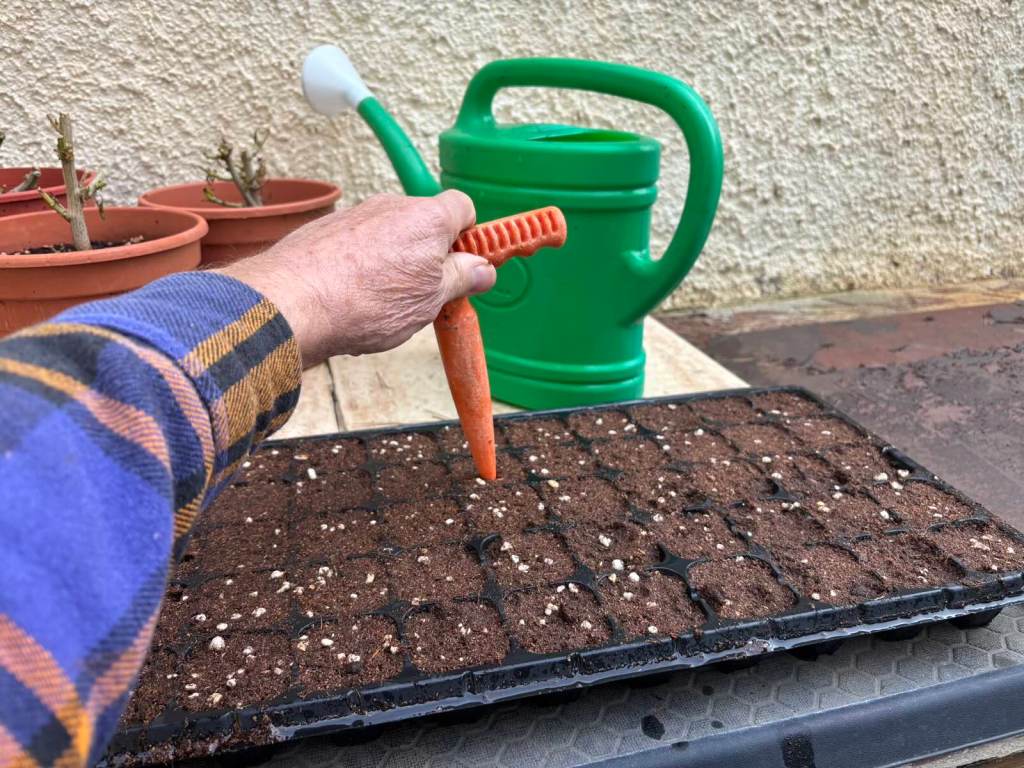
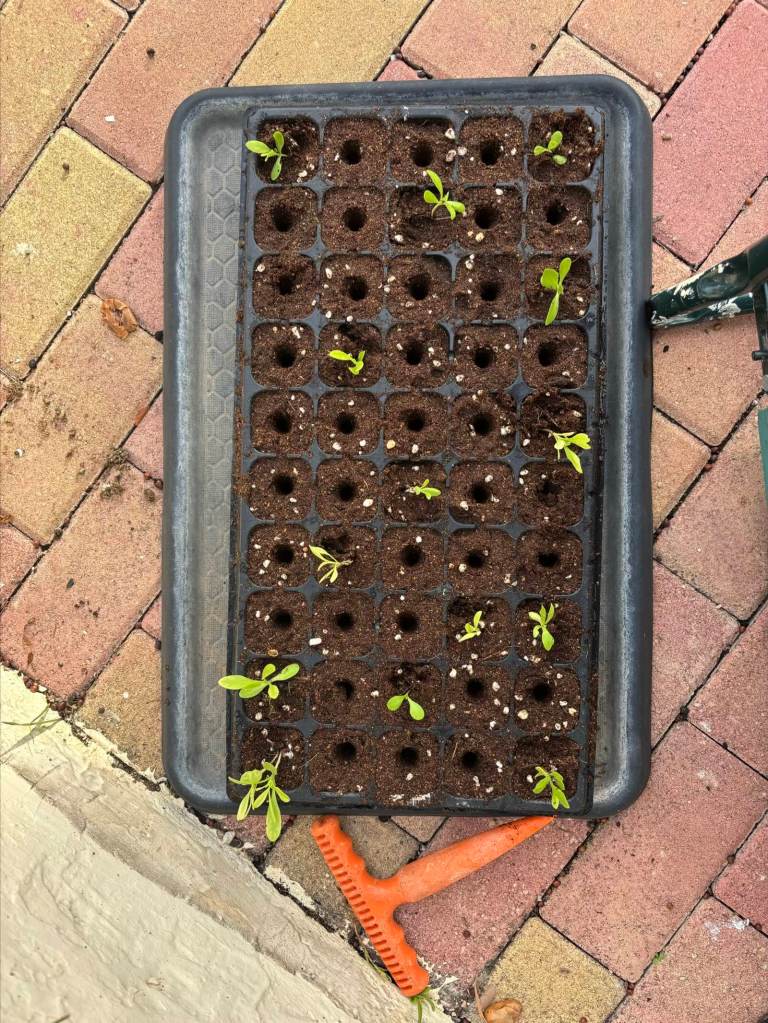
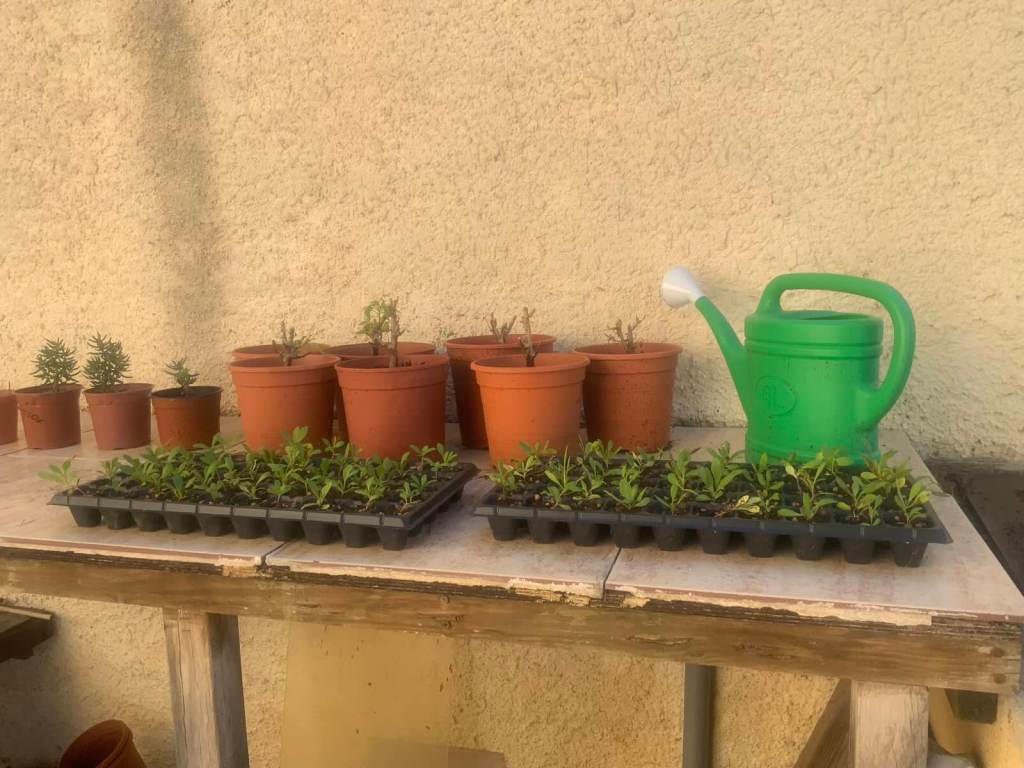
The trick to getting the new plants from seedling to plant is to prepare well. Firstly buy yourself some good compost. Don’t buy cheap stuff as the seedlings will just flounder in claggy cheap compost. Then get your seed trays or plant cells ready. I prefer planting into trays of cells as this gives each seedling a chance to grow a healthy root. Water your trays from the bottom, then leave them to stand for about an hour. Make a small hole in each cell, ready for your seedling.
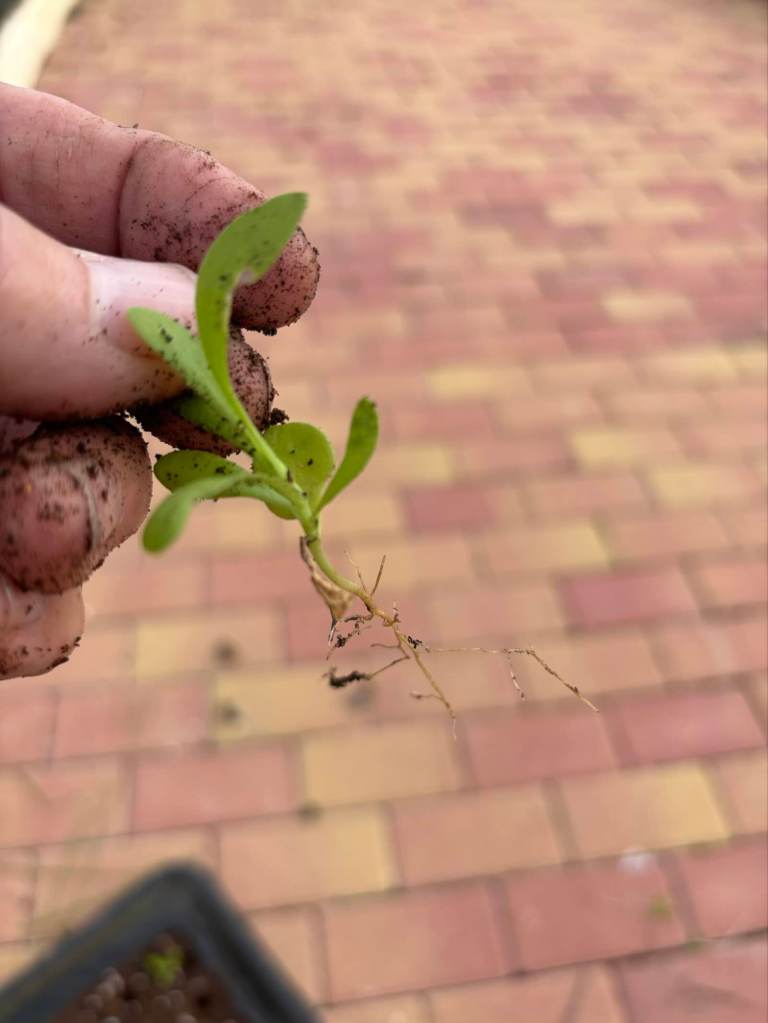
Take your seed trays to where you will be harvesting the seedlings, then using your trowel lever out bundles of seedlings. Leave them in the trowel and carefully separate each seedling out before gently (holding it by the leaf only) ease it into your pre-dibbed hole.
It is important that you do not just plant in rows in order in your seed tray. Instead fill your seed tray haphazardly by putting seedlings at various points across your tray. The reason for this is twofold. First, you will ensure a good spread of colours. Second, you will get a better genetic mix of plants.
Once you have your seed tray ready then place it on your potting bench or in a semi-shaded area. Water sparingly, but never let it dry out. You can usually plant them out where you want them by about mid to late January. The photos below show the process from start to finish.
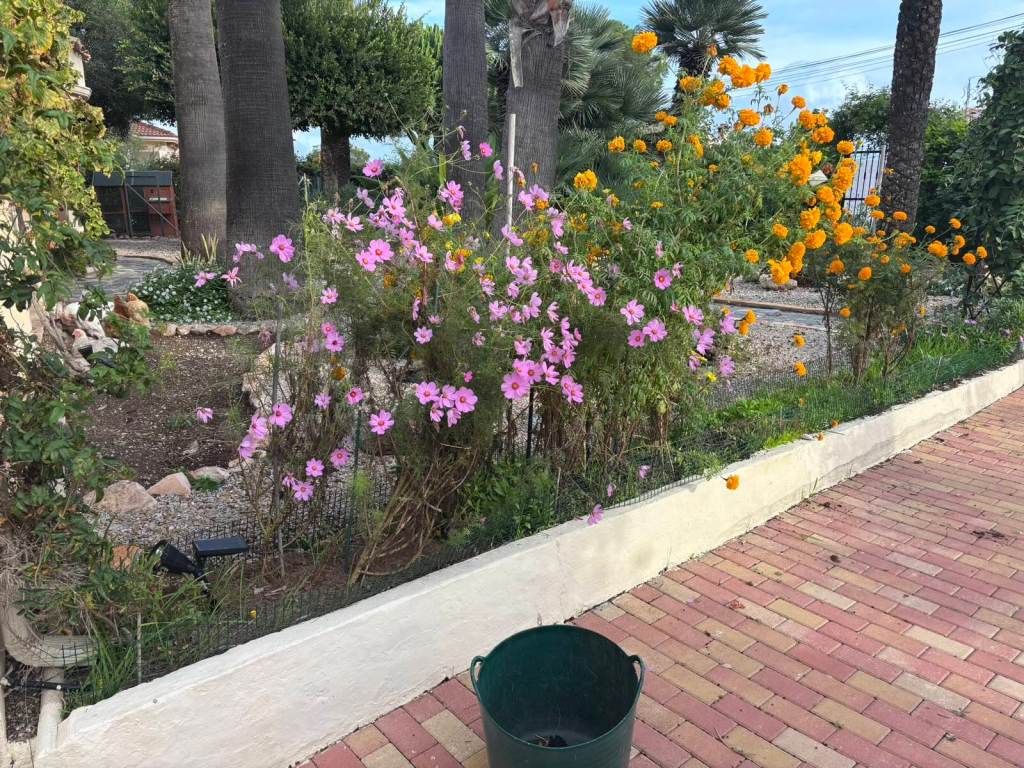
Continuing deadheading. There is still plenty of life left in many of our flowering plants, but if you want to keep them producing flowers for as long as possible, you need to keep deadheading. If you leave spent flowers on the plant, they will eventually develop seeds. Once this happens, many plants begin putting more energy into seed production and less into producing new flowers. By removing the spent flowers before they set seed, you encourage the plant to continue flowering.
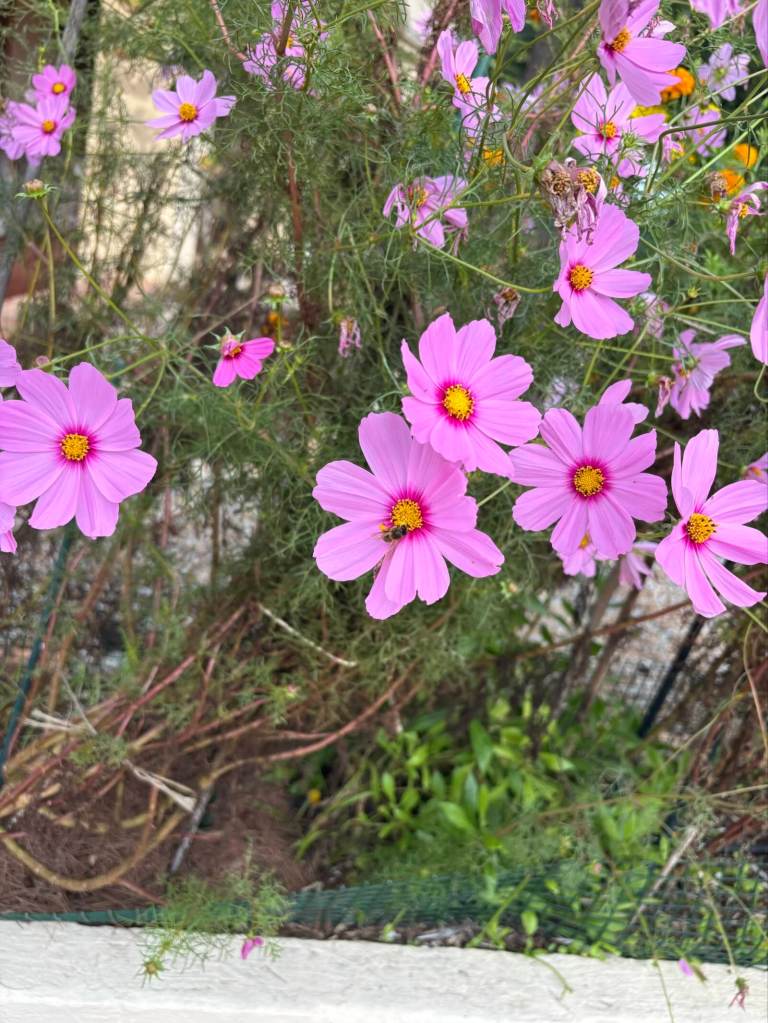
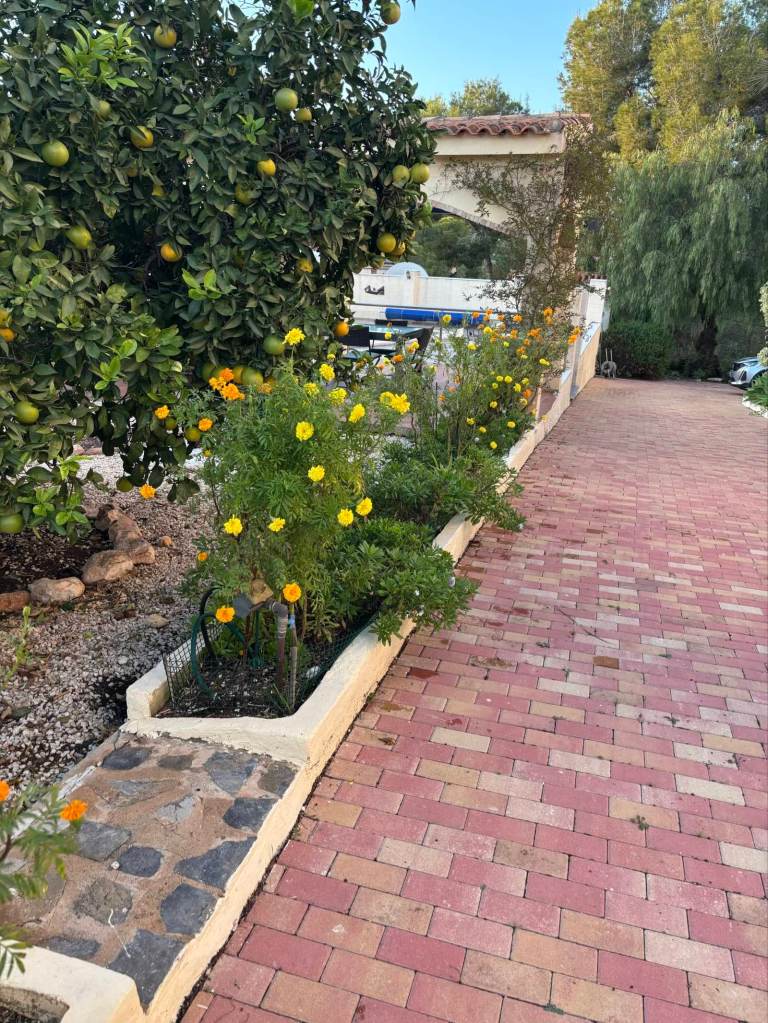
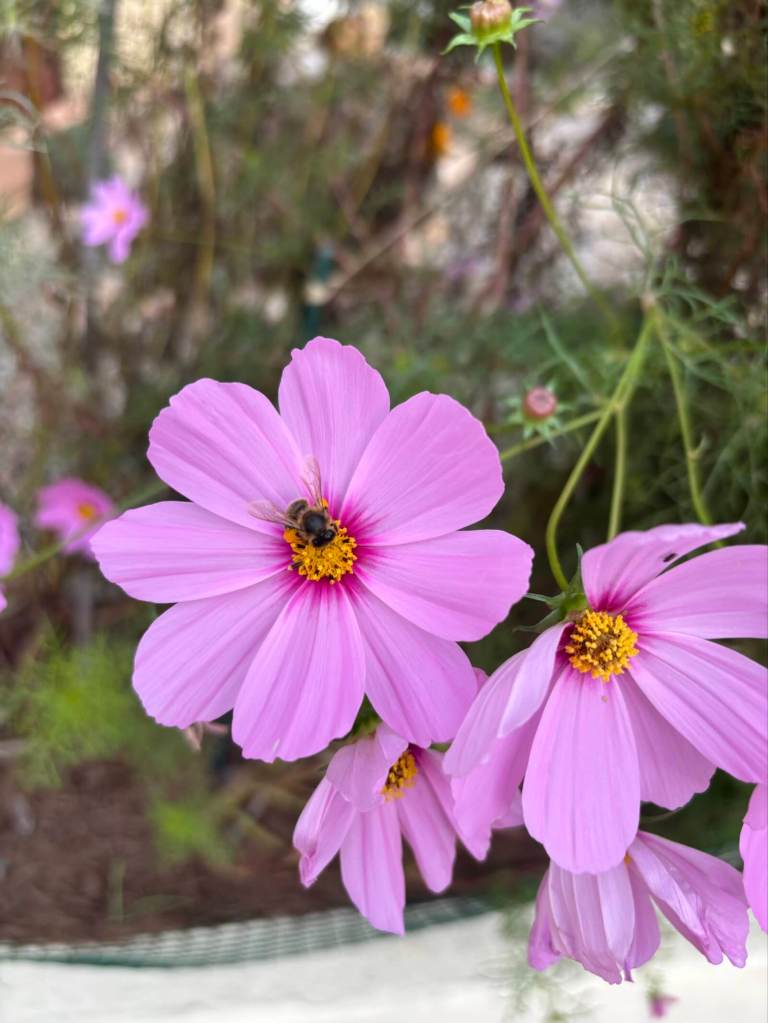
I am still deadheading Marigolds, Cosmos, roses and Cannas. I know I have told you this many times before, but don’t just cut immediately below the flower. This can leave an unsightly dead stem behind. Instead, move your secateurs down the stem to the next healthy set of leaves and cut just above them. This gives the plant a much tidier appearance and encourages fresh growth.
The photos below show some of my flowers ready for their daily deadheading. Cosmos have been fantastic this late summer. You can even see one of my bees in the photograph, busy collecting pollen, with its little rear-leg pollen sacs absolutely full.
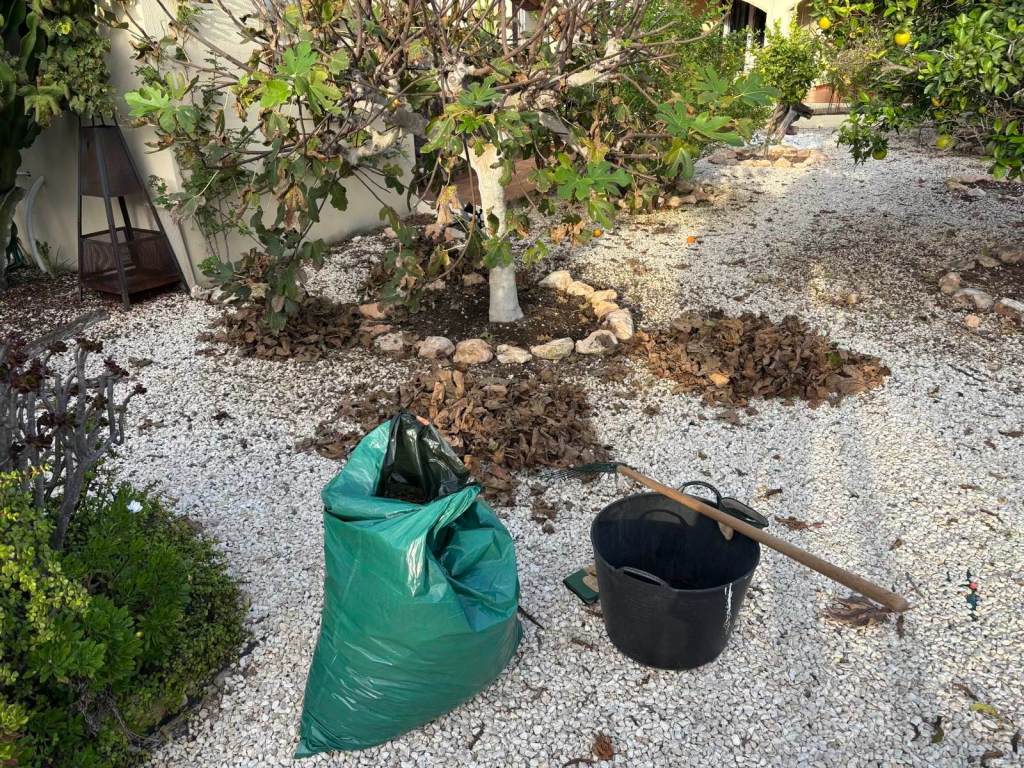
Composting the first Autumn leaves. The leaves are just starting to fall from the trees and if you are not a gardener you will see the whole process of cleaning up leaves as a chore. We gardeners however rejoice in the fallen leaves as they provide us with wonderful leaf mold to feed into our flower beds in summer.
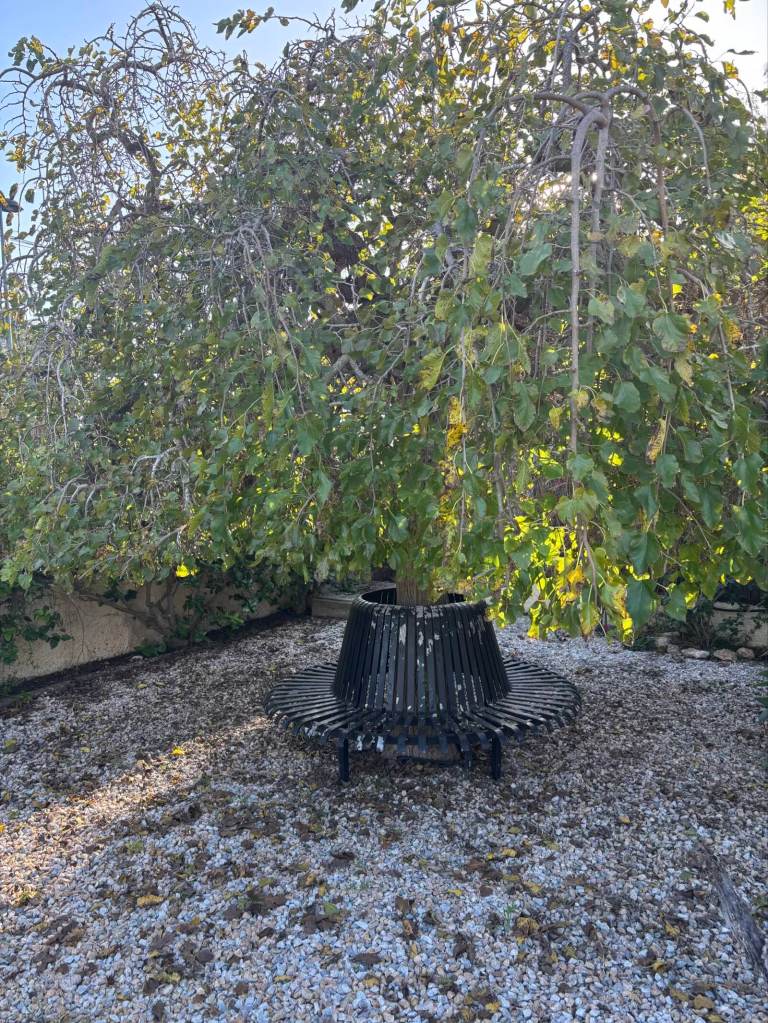
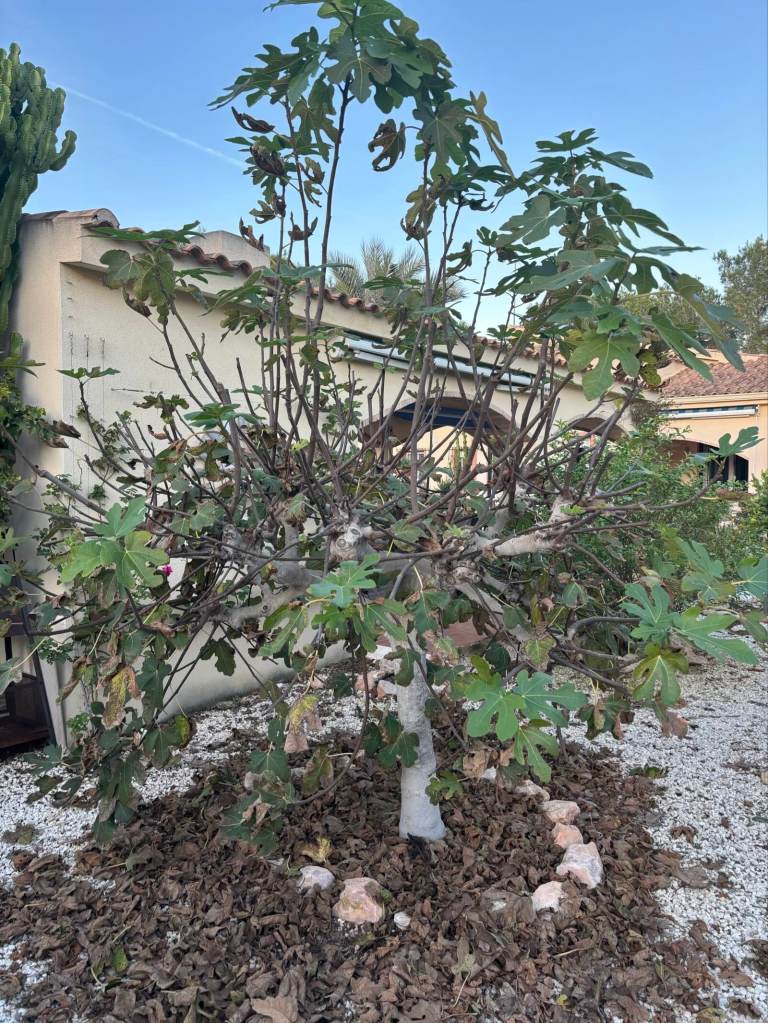
My main leaf fall comes from my big Mulberry tree and my two fig trees. Together these trees will give me about 4 to 6 bags of potential leaf mold. Creating leaf mold compost is different to the normal composting process.
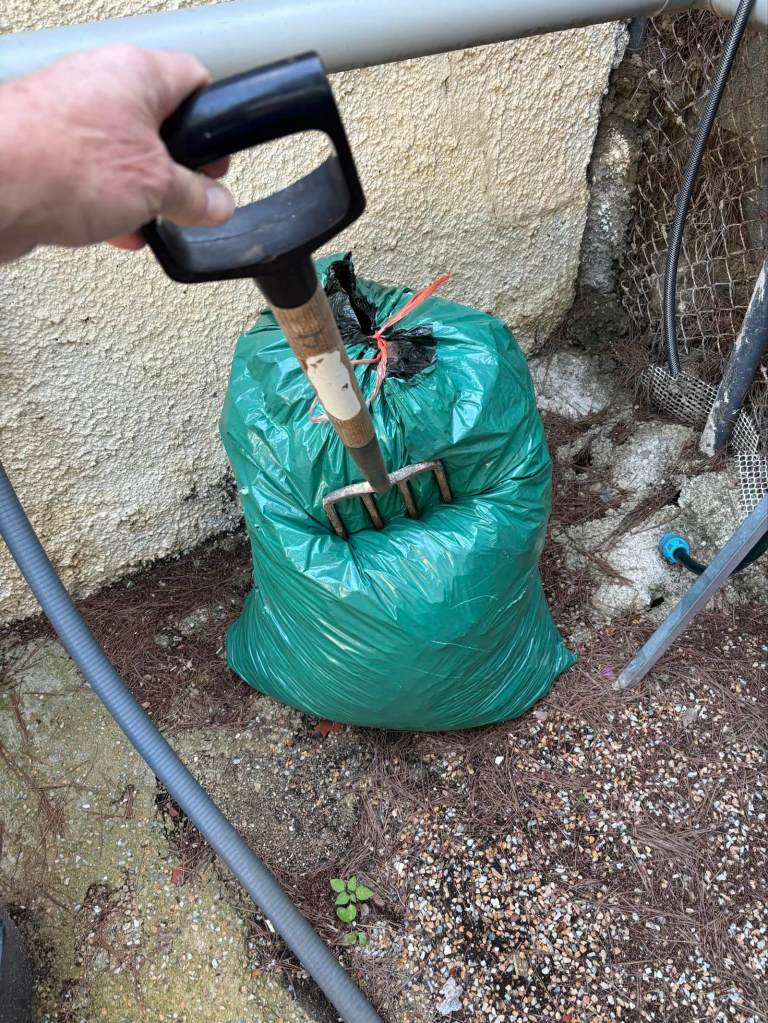
Leaf mould is produced mainly through fungal decomposition, whereas ordinary garden composting involves a much wider range of microorganisms, including bacteria and fungi. To create leaf mould, simply rake up all your leaves and place them into plastic bags. Add a little water if they are dry, then puncture the bags with your garden fork in several places before placing them in a dark, shaded corner of your garden. The important thing is to keep the leaves slightly damp. If they dry out completely, decomposition will slow considerably.
In about a year or so you should have leaf mold which is wonderful for enriching your soil. If you run out of patience you can eventually mix it in with your garden compost after about six months. The photos below show the process.
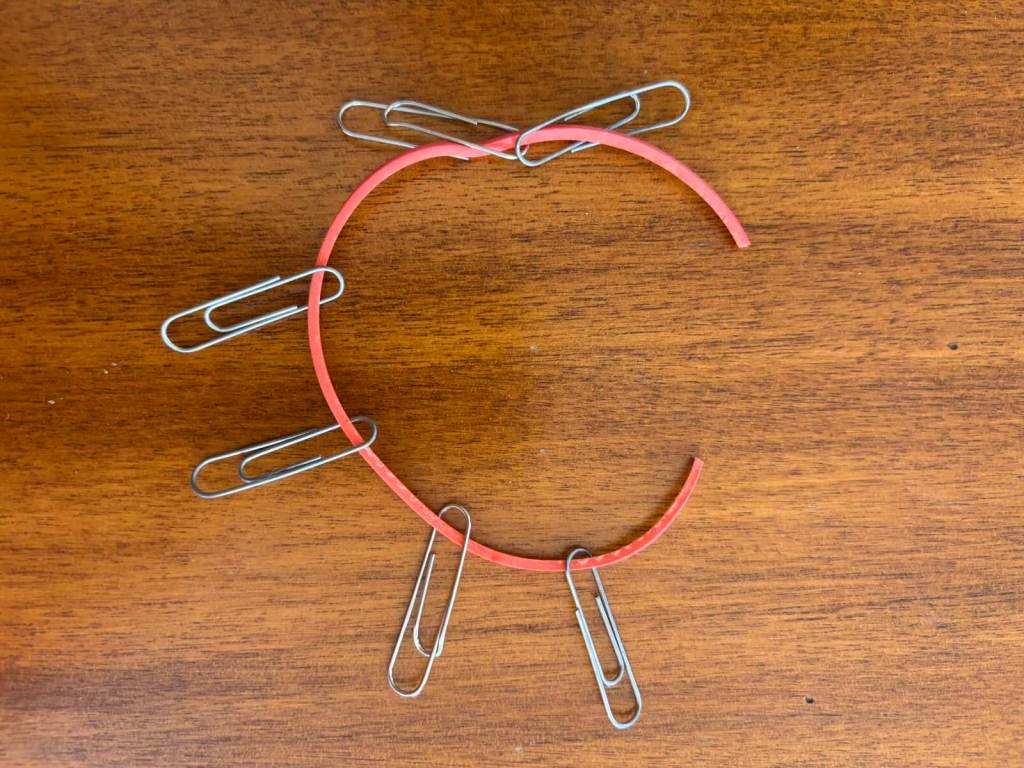
Cruella (my wife) takes out a court order. Cruella has tied an elastic band around my ankle festooned with paperclips which she assures me is a tag that she can monitor from her phone.
As mentioned earlier this all started when I said I was going to prick out the Osteospermums. Through a process of selective hearing and fear of her girls being sullied by bad words and thereby lowering their marriage potential (she models herself on Mrs Bennet from Jane Austen’s Pride and Prejudice). I on the other hand she has decided, am another Russell Brand or David Walliams.
Now I am not only wearing “a tag” but evidently I am now a person of interest in an Inquiry and will in turn be questioned by the FBI (Feathered Bureau of Investigation). She tells me I will be duly arraigned before the ICCC (International Court of Chicken Crime).
None of this will, of course, happen, as she often threatens me with fictitious legal proceedings. However, just in case, I have cut off my ankle tag, disguised myself with a false beard and am currently hiding down by the compost bins. I have sufficient provisions for several days, although I am beginning to worry that the chickens may have informed Cruella of my whereabouts. I am determined that I won’t be taken alive.
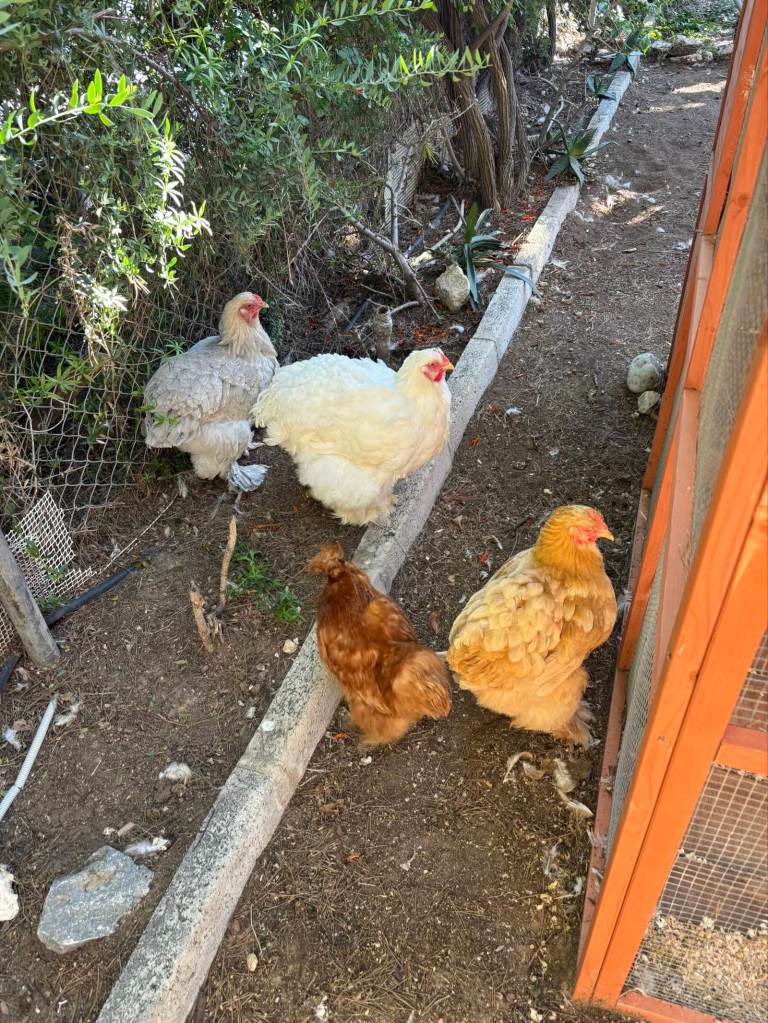
The photos below show the chickens hiding in their safe space set up by Cruella (my wife) and my ankle tags cut off and hopefully deactivated.


You must be logged in to post a comment.